Causal Models Need Causal Data - Xaira’s X-Cell model (Bo Wang & Ci Chu)
Bo Wang and Ci Chu of Xaira Therapeutics introduce X-Cell, a 4.9-billion-parameter diffusion language model designed to predict cellular responses to genetic perturbations. Trained on PISCES, the largest genome-wide CRISPRi Perturb-seq dataset (25.6 million single cells across 16 contexts), X-Cell overcomes limitations of previous observational models. The discussion highlights the critical role of high-quality, causal data, X-Cell's architecture advantages, and its demonstrated ability to generalize to unseen cell types and primary cells, marking a significant step towards truly predictive virtual cell models in drug discovery.
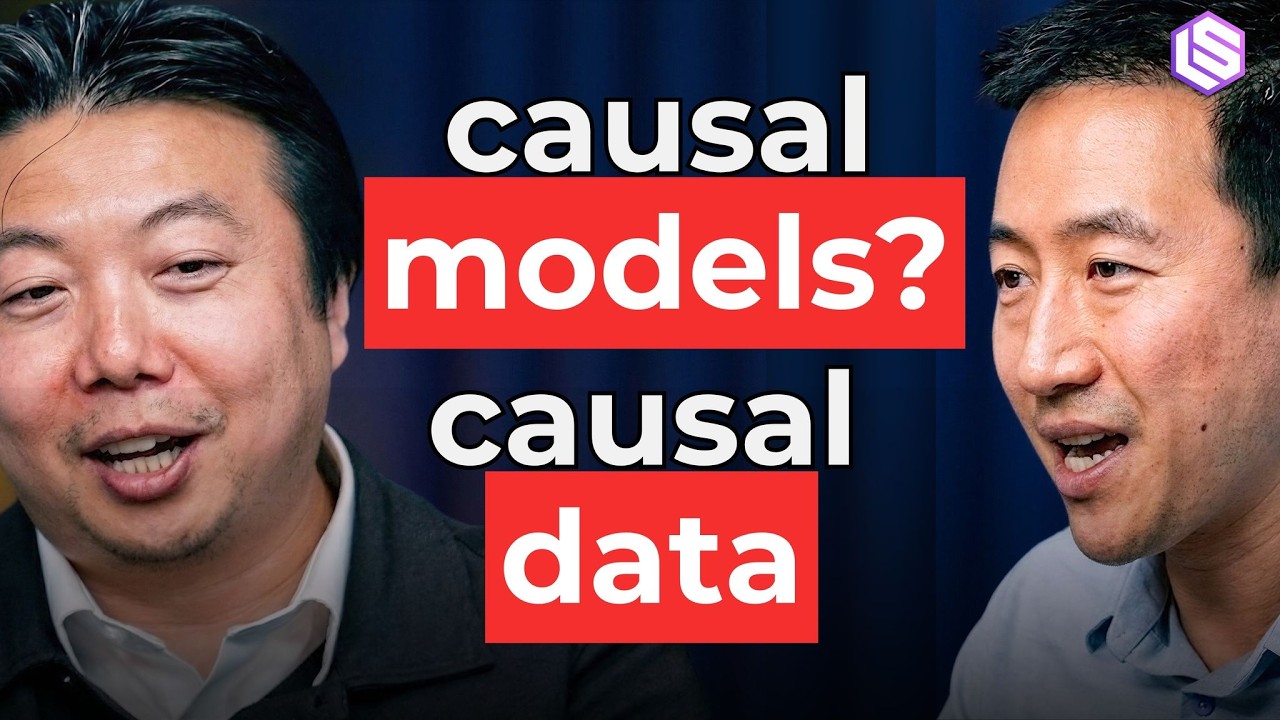
Bo Wang and Ci Chu from Xaira Therapeutics discuss their approach to AI-driven drug discovery, focusing on their groundbreaking virtual-cell model, X-Cell. They emphasize that while AI advances rapidly, the bottleneck in biological modeling, unlike protein design, is the lack of high-quality, causal data.
Xaira’s Three-Platform Approach to Drug Discovery
Xaira Therapeutics aims to revolutionize drug discovery using AI. Their strategy involves three core AI platforms:
- Protein Design: Leveraging AI to develop molecules against previously undruggable targets, building on the success of co-founder Dr. David Baker’s group.
- Virtual Cell (X-Cell): A foundation model designed to predict how genes and drug molecules affect cell biology. This is the main topic of the discussion.
- Patient Representation Models: AI models to understand which patients will respond to specific therapeutics.
The overarching goal is to transform drug discovery from an
- Tags:
- Foundation Models
- Drug Discovery
- Computational Biology
- AI for Science
- Feature
- Causal Inference
- Machine Learning
- Genomics
- Virtual Cell
- Diffusion Models
- Xaira Therapeutics
- X-Cell
- CRISPRi Perturb-Seq
- PISCES Dataset
- Single-Cell RNA-Seq
- Autoregressive Models
- Genetic Perturbation
- Spatial Transcriptomics
- Proteomics
- Open Science