Causal inference

Learning Genetic Perturbation Effects at Single-Cell Resolution for Virtual Cells

Learning Genetic Perturbation Effects at Single-Cell Resolution for Virtual Cells

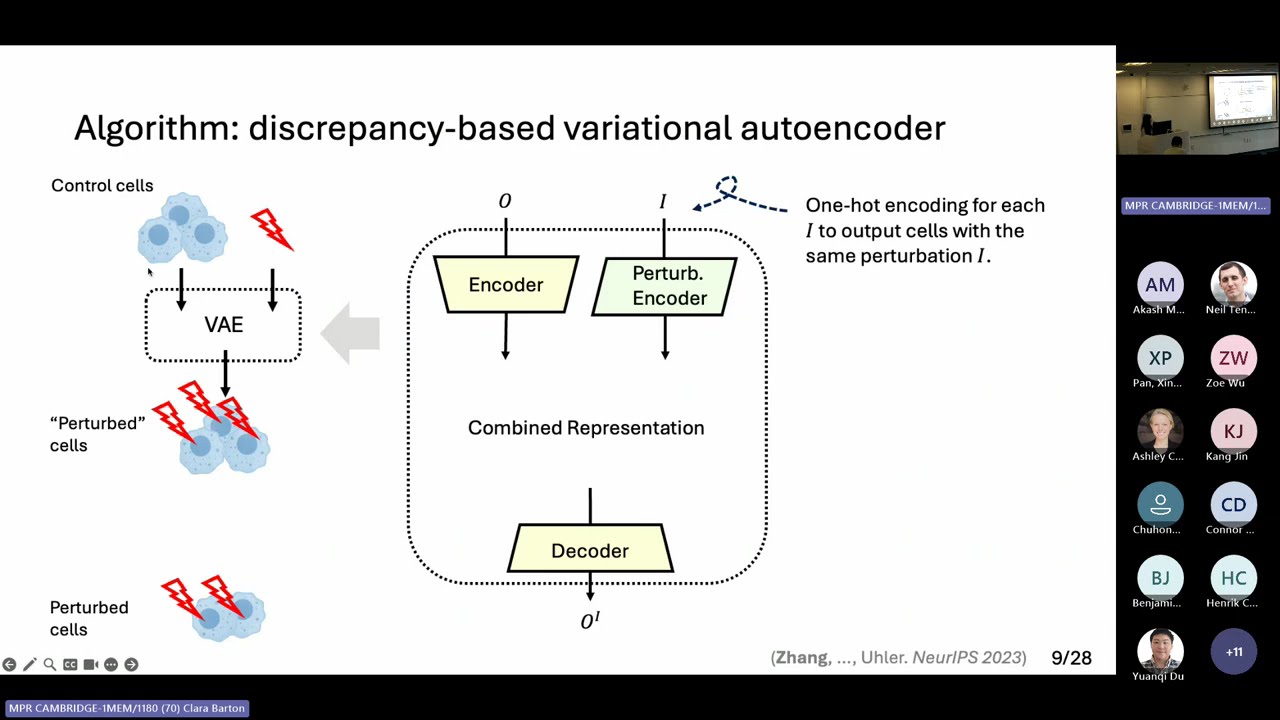
Jiaqi Zhang's talk focuses on advancing causal discovery and perturbational modeling for gene networks, crucial for therapeutic insights. She introduces theoretical guarantees for learning latent causal variables and presents MORPH, a VAE-based framework that predicts the effects of novel and combinatorial gene perturbations by integrating diverse prior biological knowledge and using distributional loss for training. The model has demonstrated success in guiding experimental design, including identifying novel T-cell regulators for cancer immunotherapy, highlighting its potential to accelerate biological discovery and drug development.

From DevOps ‘Heart Attacks’ to AI-Powered Diagnostics With Traversal’s AI Agents

From DevOps ‘Heart Attacks’ to AI-Powered Diagnostics With Traversal’s AI Agents

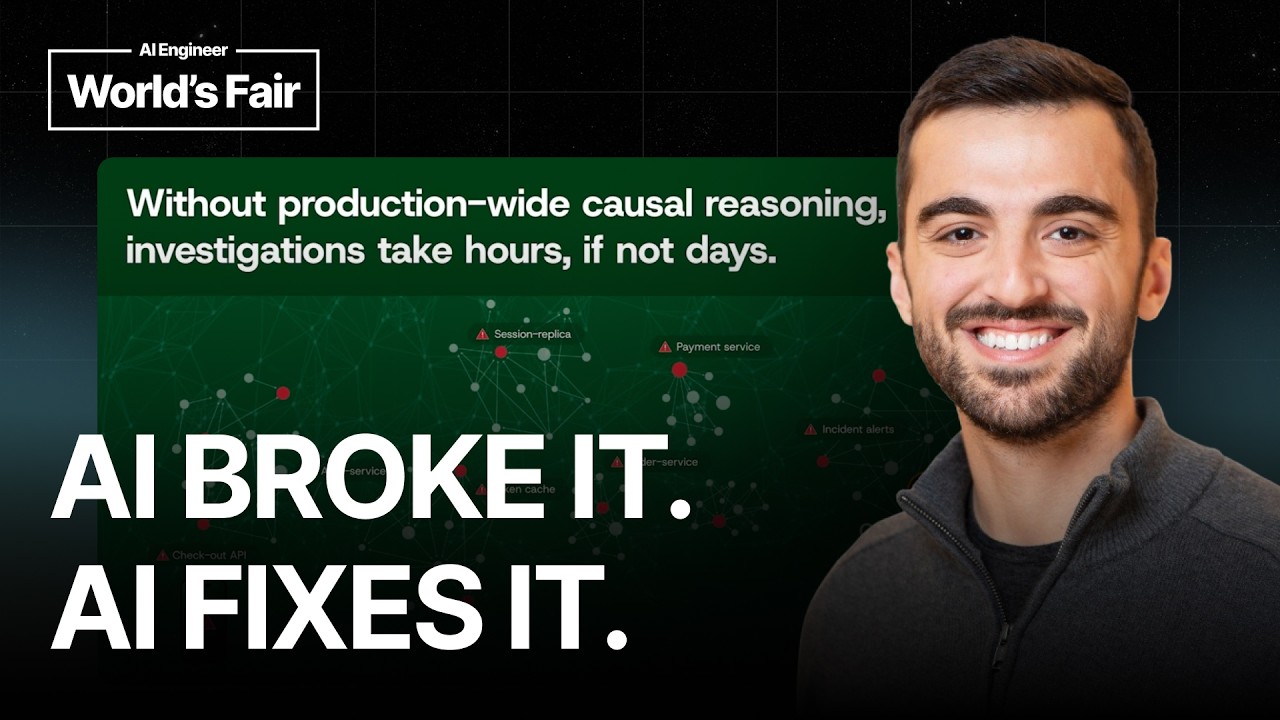
Anish Agarwal and Raj Agrawal, co-founders of Traversal, discuss how their AI agents automate root cause analysis (RCA) for critical system failures. They detail their agent's architecture, which leverages causal inference and large-scale computation to systematically find the root cause in minutes, and argue that the rise of AI-generated code makes AI-powered debugging an essential capability for modern software engineering.