Machine learning

Inside OpenAI DevDay: Superhuman Computer Use, Decisions API, and the AI Cloud — Ari & Nikunj

Inside OpenAI DevDay: Superhuman Computer Use, Decisions API, and the AI Cloud — Ari & Nikunj

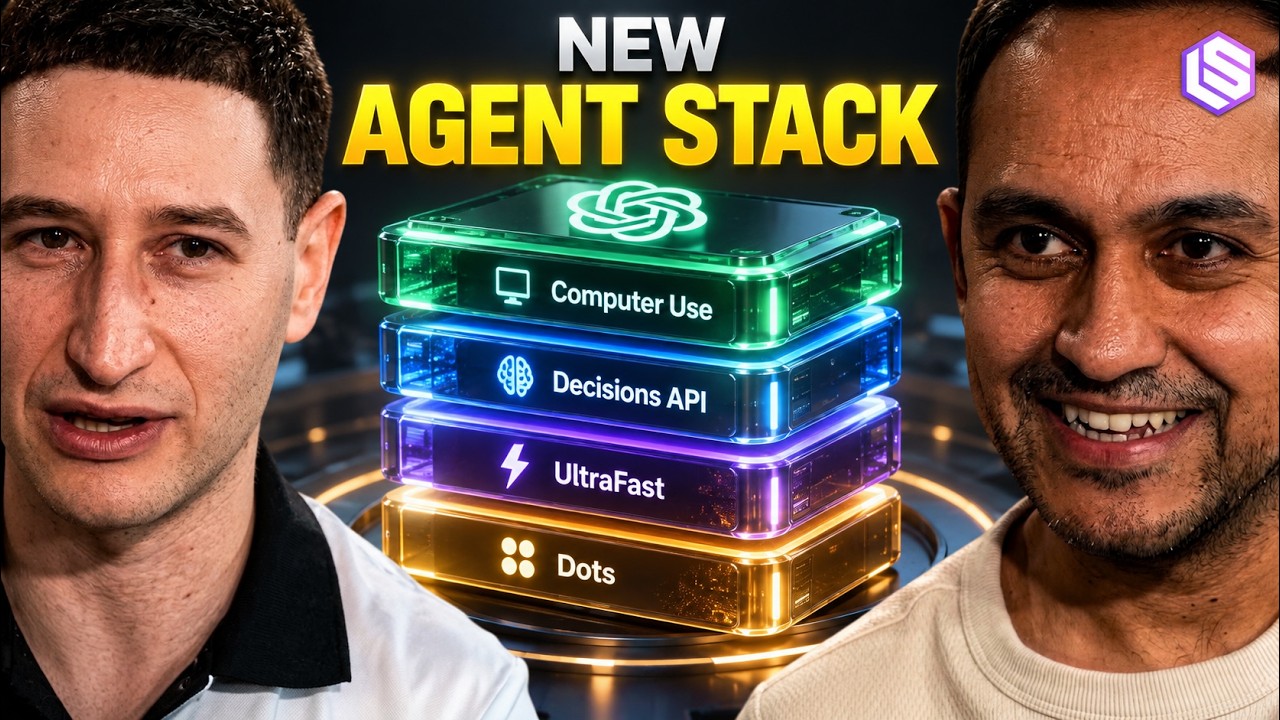
OpenAI has unveiled significant advancements in its AI agents and developer APIs, transforming Computer Use into a self-debugging system capable of superhuman speeds. Key innovations include multimodal interfaces, the Agents API for building on OpenAI's harness, and a new API stack featuring async tool calling, UltraFast inference, and the rapidly developed Decisions API for fast classification. These advancements, coupled with robust caching and context compaction, pave the way for an "AI cloud" with higher-level primitives for developers.

The Defender's Window at enterprise scale with Standard Chartered

The Defender's Window at enterprise scale with Standard Chartered

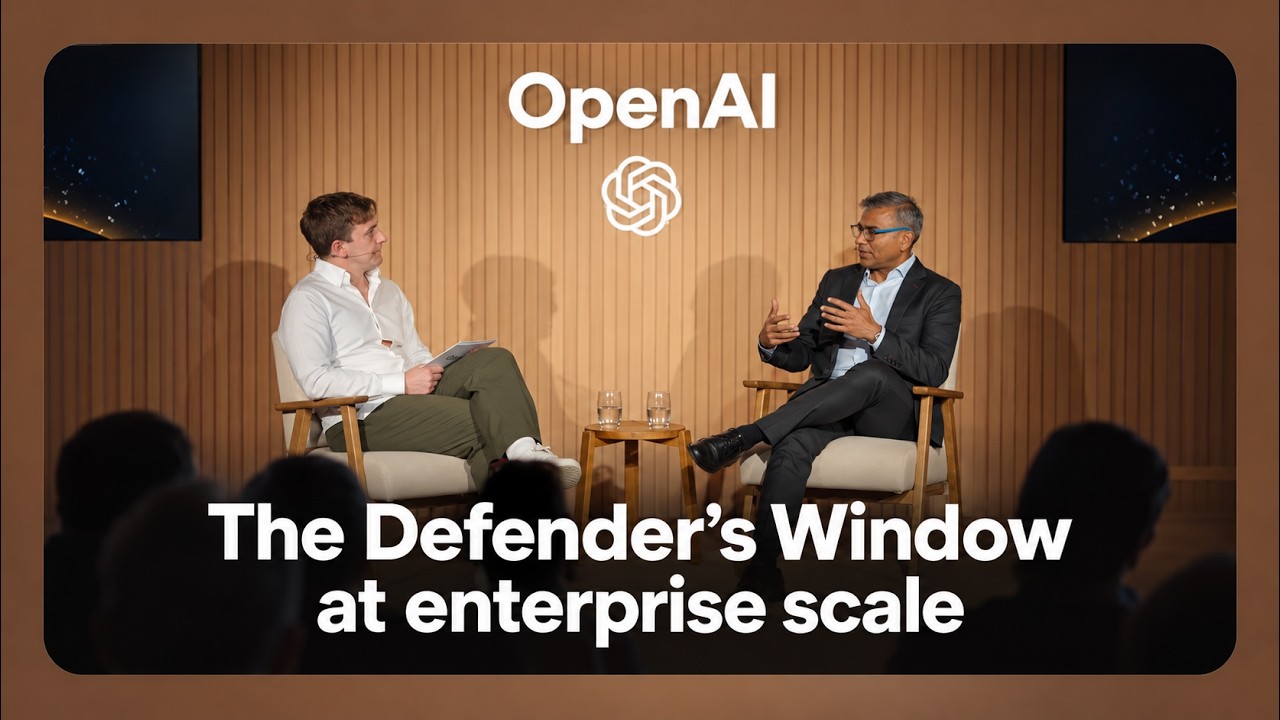
Matt Weaver from OpenAI and Reuben Athaide from Standard Chartered discuss how the bank uses OpenAI Daybreak to address the shrinking "defenders window" by focusing on contextual AI analysis of attack paths, fostering cross-functional trust, and leveraging AI for proactive, scalable security in a complex global environment.

Raise the ceiling: how to scale intent, quality, and artistry with Al | Katie Dill (Stripe)

Raise the ceiling: how to scale intent, quality, and artistry with Al | Katie Dill (Stripe)

Katie Dill from Stripe discusses how the rapid advancements in AI risk leading to "zombie UI" – generic, uncared-for digital products. She draws parallels to post-WWII architecture, highlighting the dangers of building without intentionality or a clear point of view. Dill then offers four key recommendations for developers and designers to leverage AI not just for speed, but to create original, soulful, and user-centric products: defining a strong point of view, encoding quality standards directly into AI tools, embracing meticulous editing beyond the first AI-generated draft, and actively using AI to foster new forms of creativity and unique interfaces.

How to build products on a moving frontier | Dan Shipper (Every)

How to build products on a moving frontier | Dan Shipper (Every)

Dan Shipper, co-founder and CEO of Every, advocates for a dedicated 'labs team' to navigate the rapid evolution of AI capabilities. He argues that traditional product development struggles with the 'moving frontier,' proposing a model where a small, experimental lab explores new AI ideas and capabilities, while the main product team focuses on scaling existing offerings. Shipper outlines how to establish and run such a lab, from team composition ('pirates' and 'architects') to rigorous experimentation, dogfooding, and a structured pipeline for integrating successful innovations into the core product, enabling continuous disruption and growth.

Re-Founding Incumbents for the AI Era with Sequence Holdings Co-Founder and CEO Michael Lee

Re-Founding Incumbents for the AI Era with Sequence Holdings Co-Founder and CEO Michael Lee

Michael Lee, co-founder and CEO of Sequence Holdings, details his thesis on transforming large incumbent businesses with AI through a permanent holding company structure. He discusses the $7.7 billion take-private of Baldwin, an insurance brokerage, alongside the Dell Family Office, and explains why traditional consulting or software models fall short for deep enterprise AI transformations. Lee also shares insights from Sequence's work with BankSouth, the technical architecture of their Atlas platform, and their unique approach to integrating frontier engineering to drive long-term compounding and organizational change.

From Scratch to SOTA: Training a 3B State-Space Vision Model — Krishna Prasad Srinivasan, Sarvam

From Scratch to SOTA: Training a 3B State-Space Vision Model — Krishna Prasad Srinivasan, Sarvam

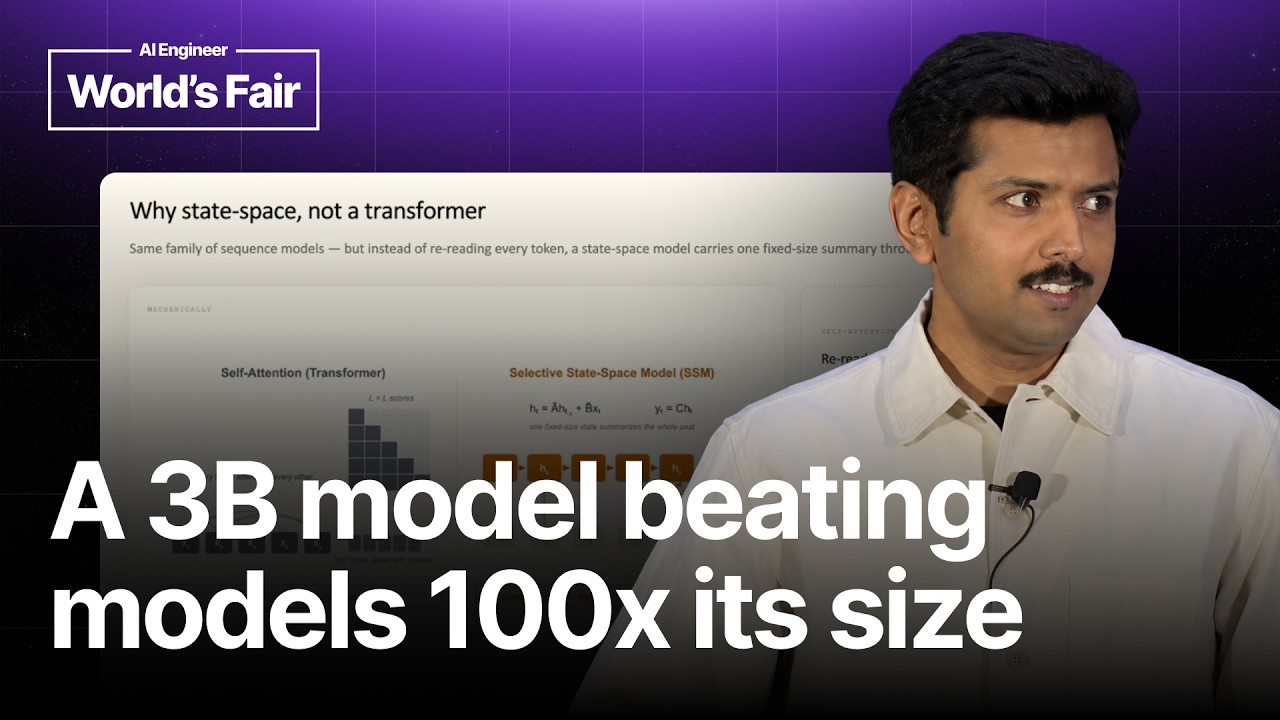
Sarvam introduces Vision India, a 3B parameter Vision Language Model achieving state-of-the-art in document AI for English and 22 Indian languages. It leverages a State Space Model (SSM) backbone for efficiency with long documents and a novel block-level OCR approach. A four-stage training curriculum, including advanced RL with verifiable rewards, and a robust data engine for low-resource languages underpin its superior performance, enabling the digitization of millions of pages for critical sectors.