Posts

Effect Oriented Programming • Bill Frasure, Bruce Eckel, James Ward & Andrew Harmel-Law

Effect Oriented Programming • Bill Frasure, Bruce Eckel, James Ward & Andrew Harmel-Law

Authors Bill Frasure, Bruce Eckel, and James Ward discuss the core concepts of Effect-Oriented Programming, explaining how effects are composable operations that encapsulate side effects and defer execution. They highlight how effect systems use compiler-checked types to manage unpredictability, improve testability, and make functional programming concepts accessible without intimidating jargon.
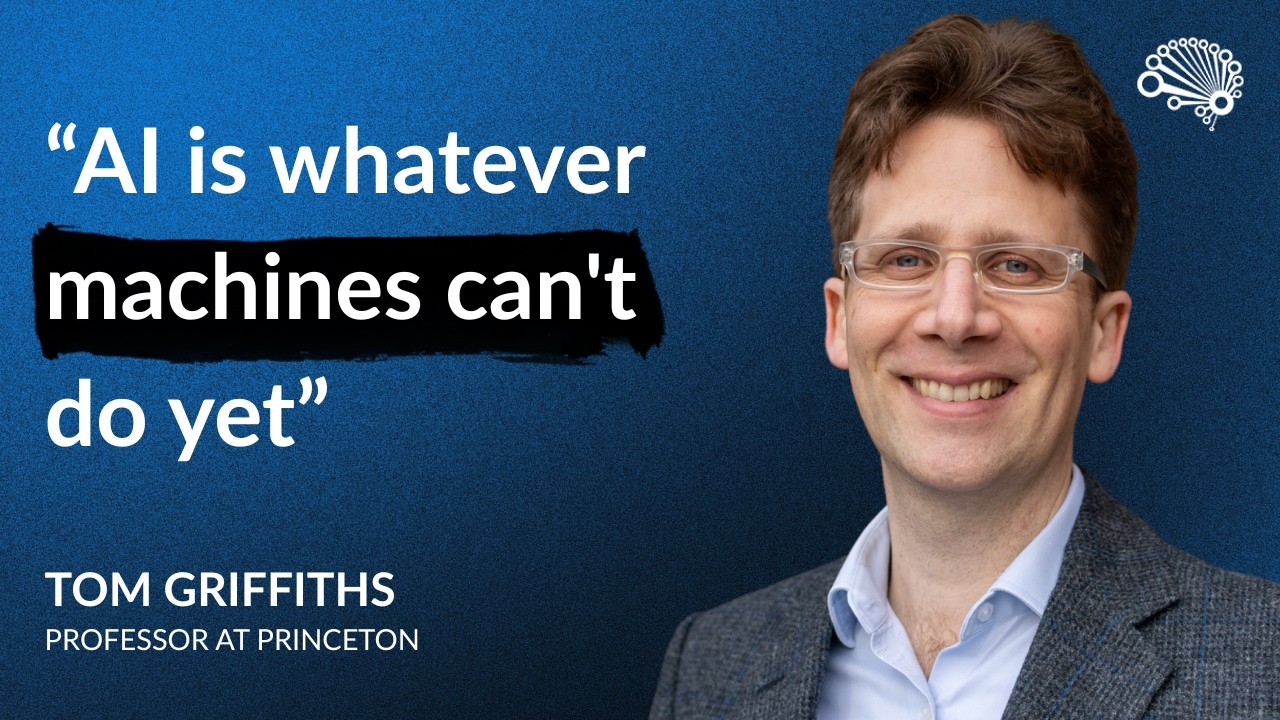
The Laws of Thought: The Math of Minds and Machines, with Prof. Tom Griffiths

The Laws of Thought: The Math of Minds and Machines, with Prof. Tom Griffiths

Princeton Professor Tom Griffiths discusses his book "The Laws of Thought," exploring the mathematical models that govern both biological and artificial intelligence. He details the fundamental differences between human and machine cognition, rooted in their vastly different constraints, and explains how concepts like inductive bias, probability, and curiosity can bridge the gap between cognitive science and modern AI.

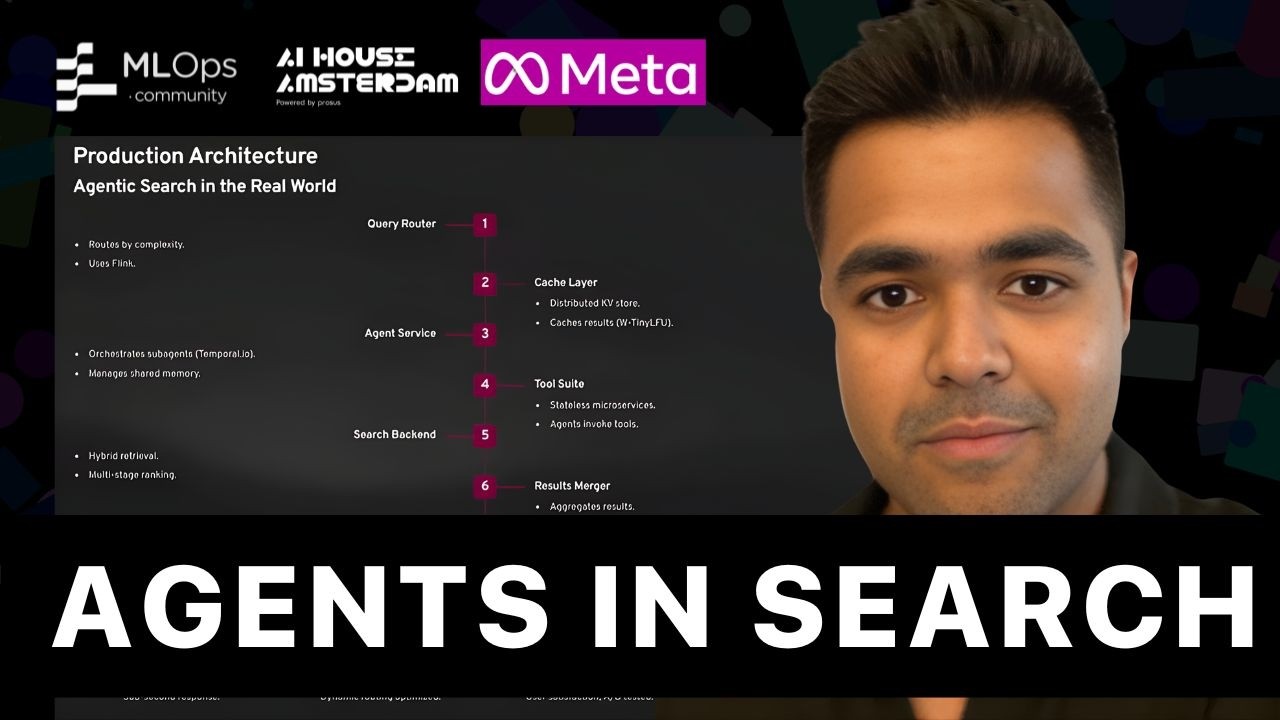
Agents as Search Engineers // Santoshkalyan Rayadhurgam

Agents as Search Engineers // Santoshkalyan Rayadhurgam

Large language models are transforming search from a static, stateless process into a dynamic, agent-based reasoning system. This talk explores the practical patterns—like query rewriting, hybrid retrieval, and agent-based reranking—for building and deploying these 'agentic search' systems at scale, covering the architectural principles, production challenges, and the future trajectory where search itself may dissolve into understanding.

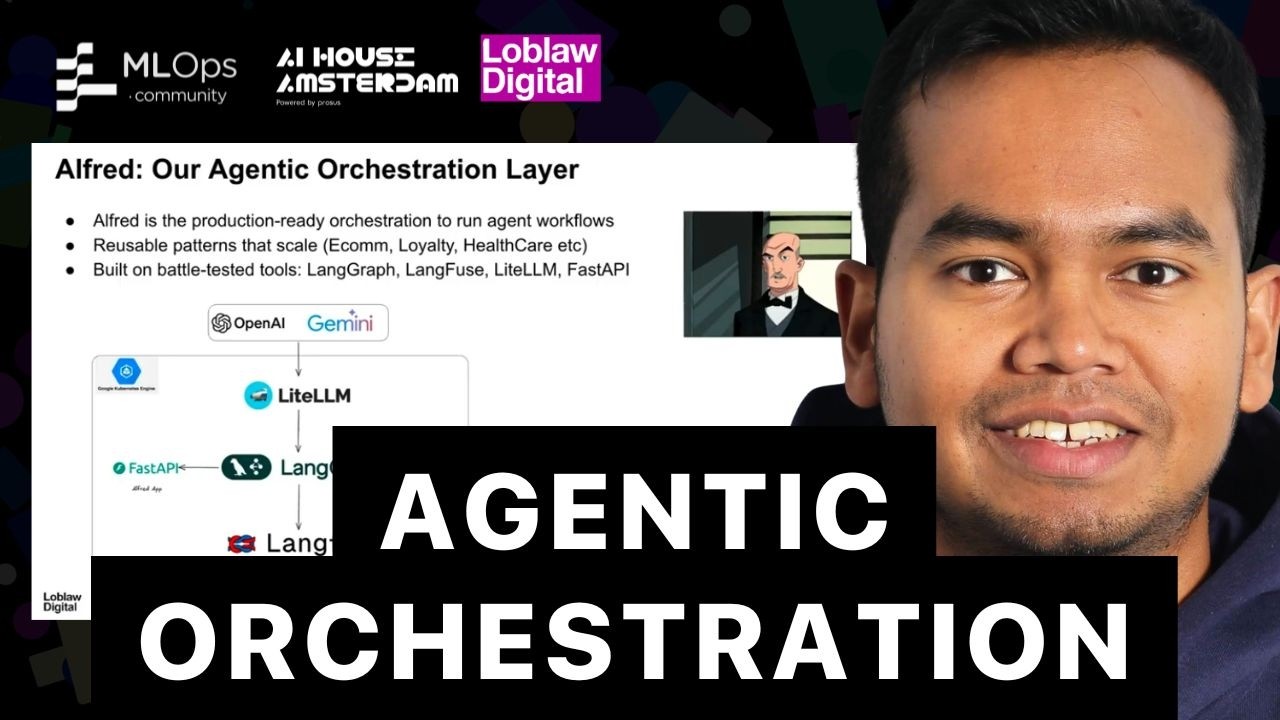
Building an Orchestration Layer for Agentic Commerce at Loblaws

Building an Orchestration Layer for Agentic Commerce at Loblaws

Mefta Sadat from Loblaw Digital discusses Alfred, an agentic orchestration layer designed to run AI shopping agents reliably in production. He covers the architecture built with LangGraph and GCP, the role of the Model Context Protocol (MCP) in simplifying API interaction, and practical MLOps strategies for observability, cost management, and ensuring reliability.

Time to become a hacker // Matt Sharp

Time to become a hacker // Matt Sharp

In this talk, Matt Sharp explains that while 2025 is the year of AI agents, it's also the year of cybercrime. The rush to create frictionless, user-friendly agents has led to a neglect of fundamental security principles, creating a perfect environment for hackers who are now using these same powerful AI tools to innovate and scale their attacks.

The Rush to Adopt AI: How to Get it Right & Business Risks • Nick Selby & Sarah Wells • GOTO 2026

The Rush to Adopt AI: How to Get it Right & Business Risks • Nick Selby & Sarah Wells • GOTO 2026

In this interview, Sarah Wells and Nick Selby discuss the significant business risks introduced by the current rush to adopt AI. They cover how AI vendors blur security terminology, how the insatiable need for data creates an enormous blast radius for breaches, and provide a framework for responsible AI adoption through threat modeling, cross-disciplinary governance, and a return to IT fundamentals.