Human computer interaction

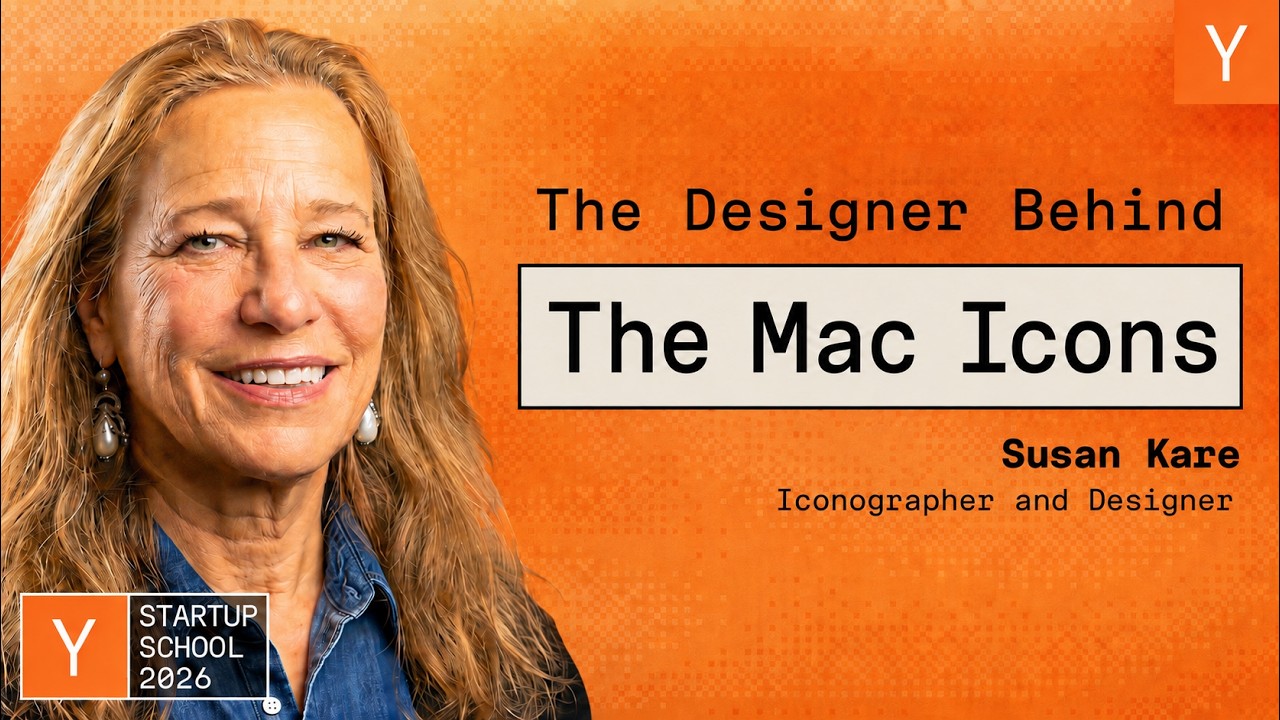
Susan Kare: How I Designed the Original Apple Mac Icons

Susan Kare: How I Designed the Original Apple Mac Icons

Susan Kare, the legendary designer behind the original Macintosh's iconic visual language, shares her journey from art history to computing. She discusses the creation of typefaces like Chicago and memorable icons such as the Happy Mac and the Command key symbol. Drawing lessons from Steve Jobs, Paul Rand, and others, Kare highlights key design principles: focusing on meaning and memorability, embracing technical constraints, iterating constantly, and using just enough detail to ensure instant clarity and universal appeal in human-computer interaction.

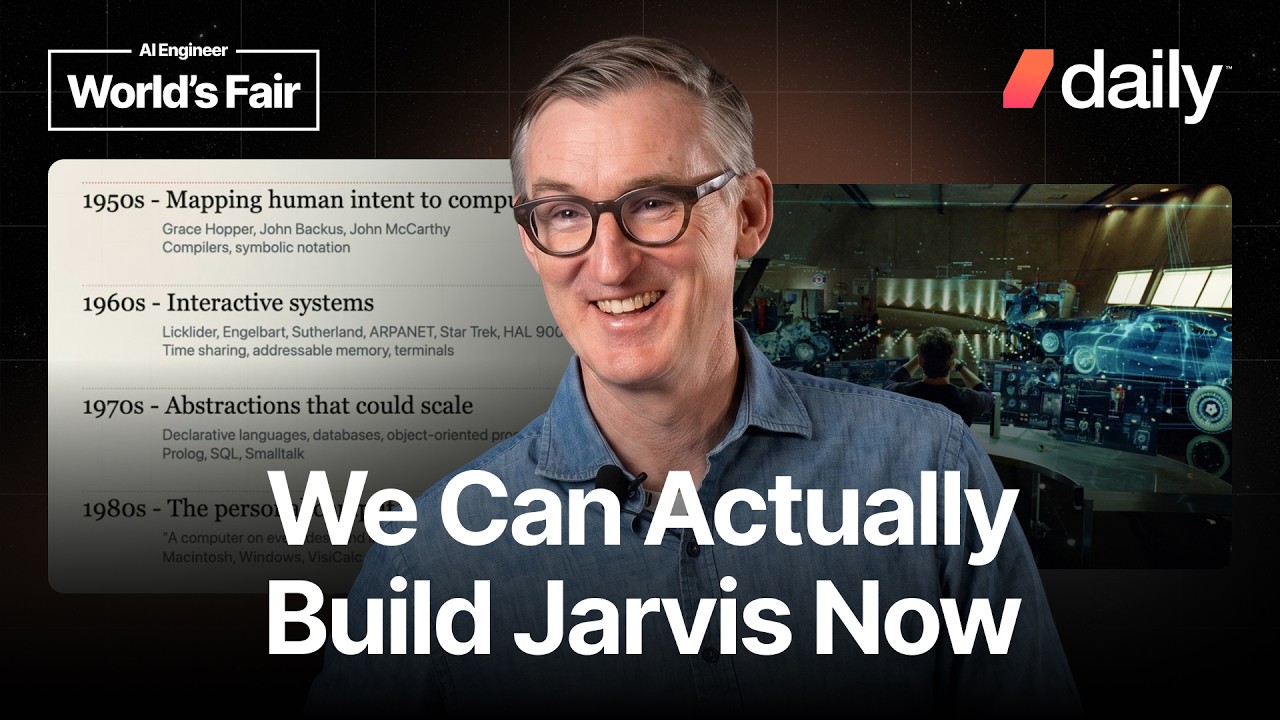
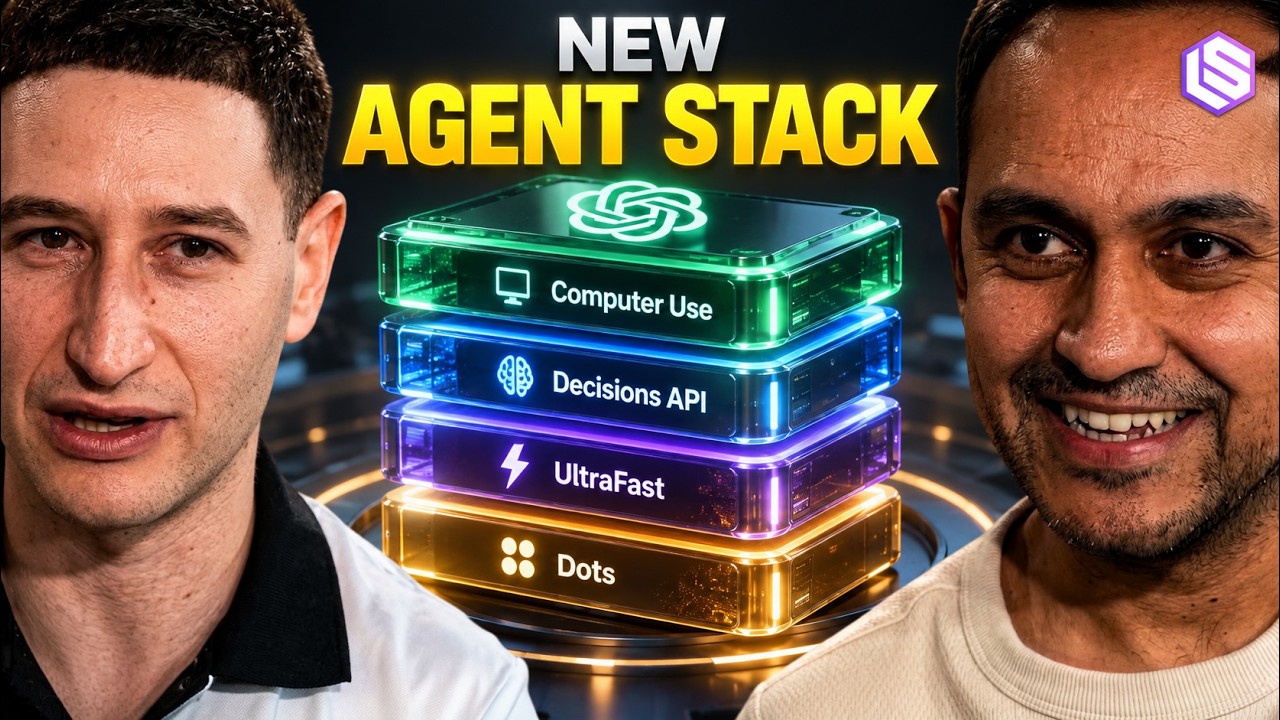
The New Primitives: Building AI Native Software — Kwindla Kramer, Daily

The New Primitives: Building AI Native Software — Kwindla Kramer, Daily

Kwindla Hultman Kramer argues that current AI agents are akin to 1995 web pages – a foundational primitive, not the ultimate destination. Drawing a historical parallel, he predicts the emergence of "AI native software" that will build upon and surpass agents, much like web applications evolved from simple web pages. He illustrates this through computing history, highlighting transformative shifts like VisiCalc's impact on accounting and the vision of Apple's Knowledge Navigator, and concludes by showcasing a game, Gradient Bang, that demonstrates the core primitives of this future AI native software.

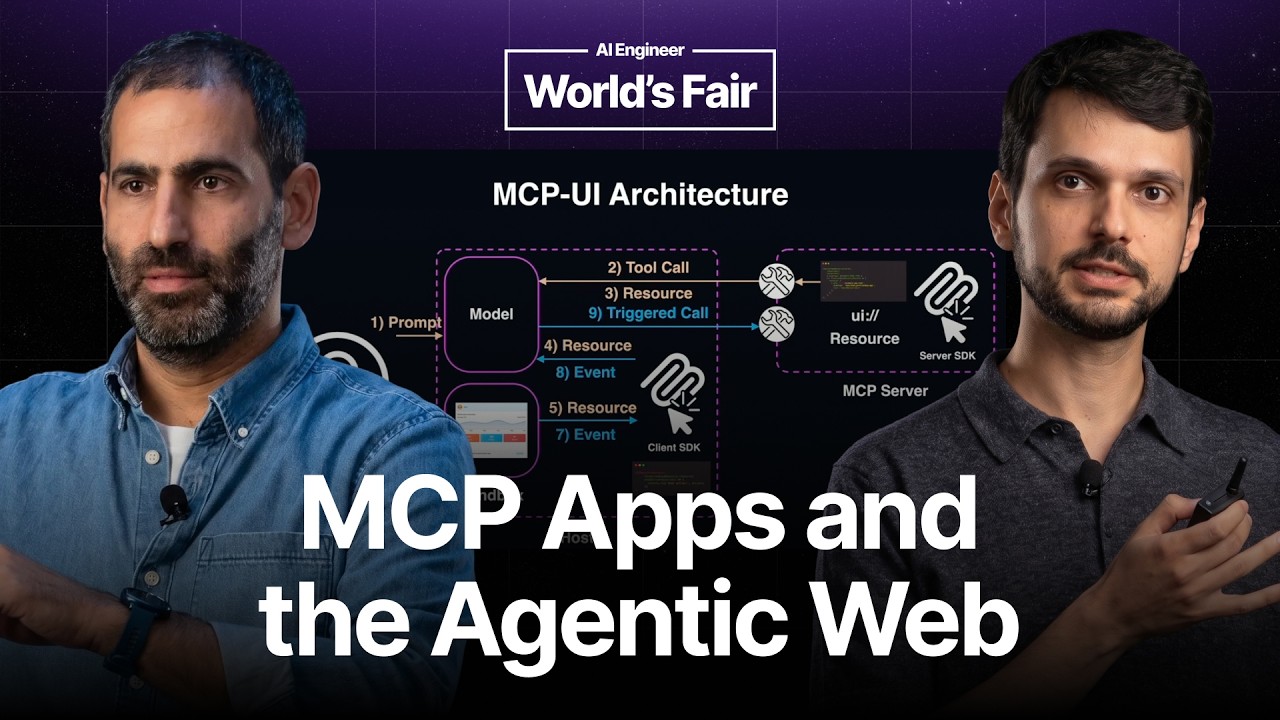
MCP Apps: Extending the Frontier — Ido Salomon & Liad Yosef

MCP Apps: Extending the Frontier — Ido Salomon & Liad Yosef

MCP Apps transforms chat and coding assistant interactions from text-heavy responses into rich, interactive user interfaces, preserving brand identity and enhancing user experience. It allows services to send "UI atoms" directly into assistants like Claude and ChatGPT, enabling a "write once, run anywhere" model across a massive user base. This standard defines how hosts render web components, manage user interactions, and shifts control of the user journey to the agent, ushering in a new era of the agentic web.

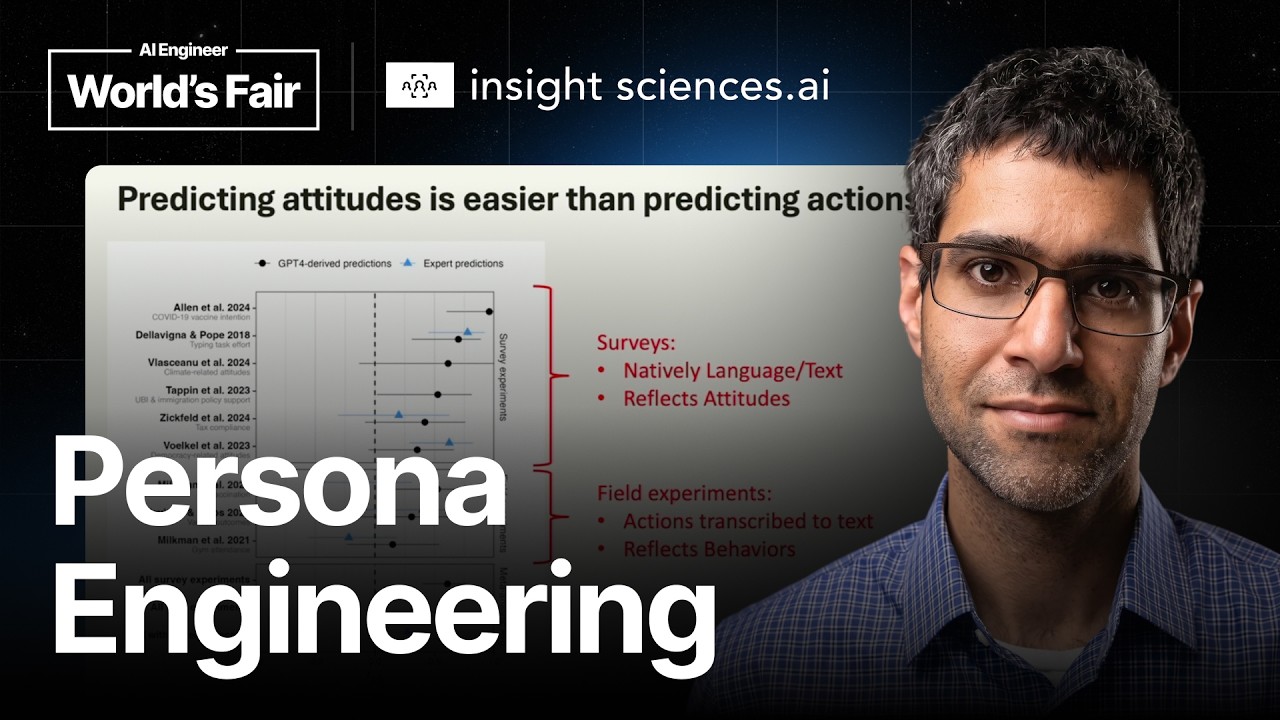
Persona Engineering: A Field Guide to AI Synthetic Personas — Ishan Anand, InsightSciences.ai

Persona Engineering: A Field Guide to AI Synthetic Personas — Ishan Anand, InsightSciences.ai

Ishan Anand discusses synthetic personas for market research, drawing parallels to weather forecasting. He outlines three key failure modes—latent confounders, prompt sensitivity, and difficulty predicting actions—and explores techniques like fine-tuning and calibrated prompting to overcome them. Anand stresses the importance of validating personas against human data using distributional metrics and establishing a "noise floor" based on human-to-human consistency, advocating for their use as economic actors and complements to, rather than replacements for, human research.

The next generation of ChatGPT Voice

The next generation of ChatGPT Voice

An in-depth look into GPT Live, the next generation of full-duplex voice models in ChatGPT, designed for natural, continuous interaction. It highlights breakthroughs in concurrent processing, intelligent delegation to advanced models like GPT 5.5, real-time semantic translation, and proactive language coaching, aiming to transform AI interactions into fluid, intelligent conversations akin to human dialogue.

Build AI Systems for Discernment, Not Approval - Angel Ortmann Lee, Duolingo

Build AI Systems for Discernment, Not Approval - Angel Ortmann Lee, Duolingo

The talk addresses the critical flaw in human-in-the-loop AI: humans often surrender cognitive effort, leading to "automation bias" rather than true discernment. Through a Duolingo English Test case study and various interaction design examples, it demonstrates how engineering the human-AI interface—rather than just the model or oversight—can elicit critical thinking, generate high-quality data, and foster a virtuous cycle of AI improvement.