Ai

Same GPU, 50% More Output: Why the Operator Matters — Oliver Kennon, SemiAnalysis

Same GPU, 50% More Output: Why the Operator Matters — Oliver Kennon, SemiAnalysis

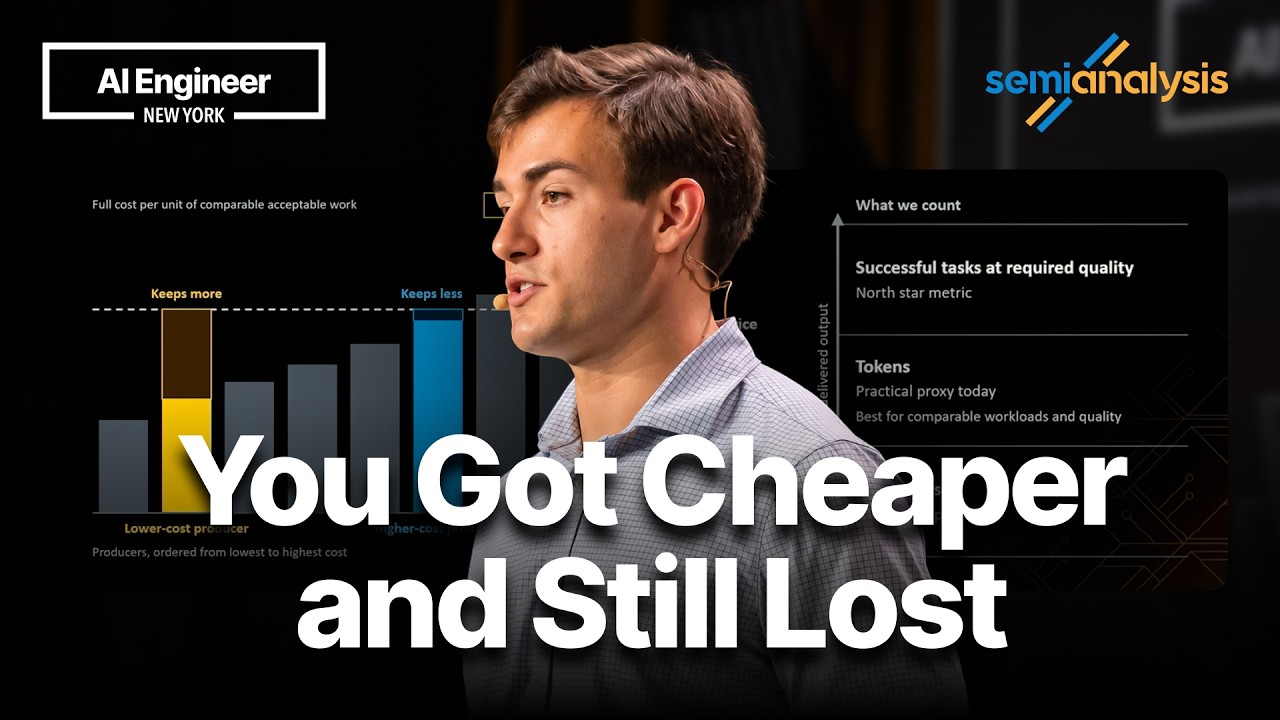
Oliver Kennon of SemiAnalysis argues that GPU hours are an input rather than the product, and that the operator determines how much useful intelligence those hours produce. The talk covers serving stacks, cluster security, ClusterMAX operator ratings, rental price versus production cost, relative cost-curve positioning, and what compute grades and futures can and cannot hedge.
A Bank Built Its Own Coding Agent. It Took Off — Felipe Felisola Caso & Francesco Galletta, Monzo

A Bank Built Its Own Coding Agent. It Took Off — Felipe Felisola Caso & Francesco Galletta, Monzo

Felipe Felisola Caso and Francesco Galletta from Monzo explain how an internal Slack agent grew from a viral emoji trigger into a teammate authoring over 10% of merged PRs and running more than 1,800 tasks a day. They attribute its speed to existing platform capabilities, an MCP gateway, a sandboxed orchestration system suited to a regulated bank, and an agent designed as a composable building block for incidents, on-call data quality and non-engineer contributions.

The Problem with Jev: Can You Trust AI Decisions?

The Problem with Jev: Can You Trust AI Decisions?

Jeff Crume examines Jev, a new AI approach that makes structured decisions rather than generating text, through a cybersecurity lens. He argues that confidence scores are not evidence, that AI decisions expand the attack surface, and that observability, decomposed reasoning, independent controls, and human oversight are needed before trusting them.

The World Wild Web & Bots With Buying Power

The World Wild Web & Bots With Buying Power

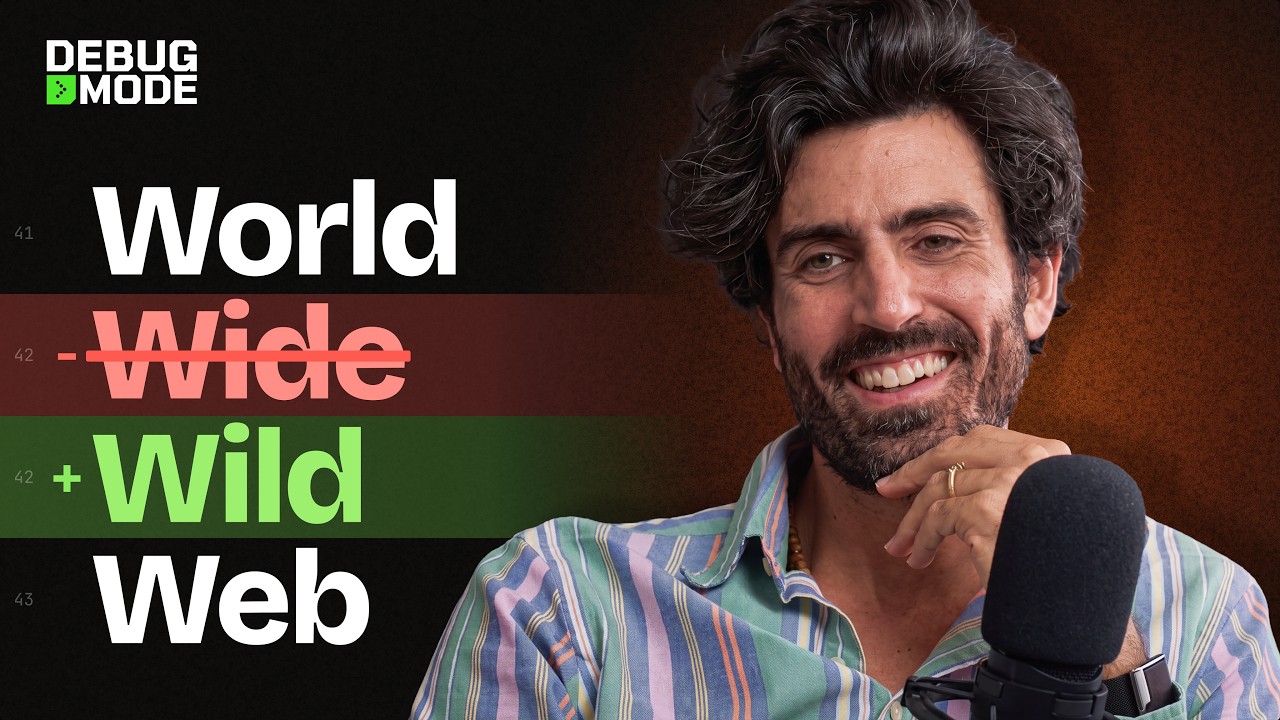
This episode asks whether a model described as dangerously capable is a real security problem or a marketing narrative. It uses the Astra sandbox incident as a starting point, then covers how agents are moving from chat into the browser to book, file, draw, and shop, and what that shift means for payments, advertising, and merchant data.

Should You Trust ChatGPT With Your Health?

Should You Trust ChatGPT With Your Health?

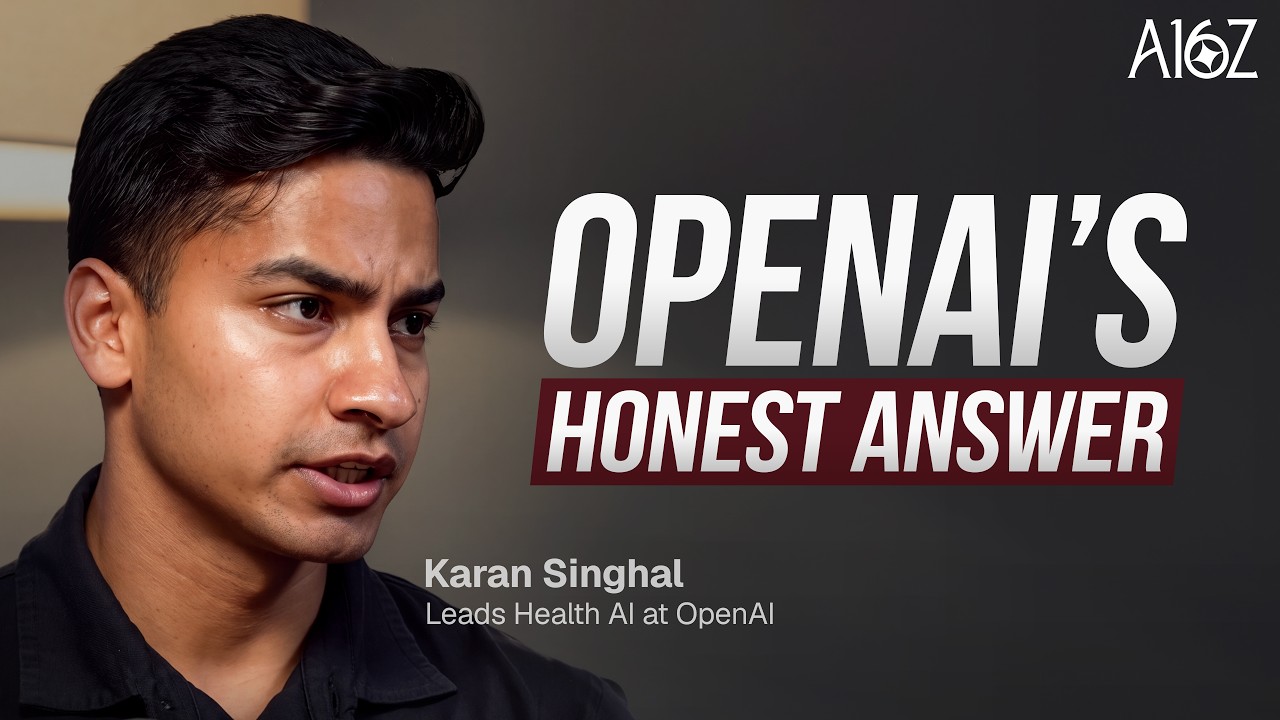
Karan Singhal, who leads health AI research at OpenAI, joins a16z's Jay Rughani to discuss how OpenAI is building trustworthy health intelligence into general-purpose frontier models. The conversation covers expert-driven evaluation and disagreement handling, the role of AI as a complement to doctors, integrations with Epic and clinician copilots, personal agents navigating fragmented healthcare, the distinction between medical information and medical care, and how falling costs of medical intelligence could compress the lag in clinical consensus and accelerate treatment discovery.

What Survives When AI Can Build Anything? (with Dr. Richard Socher)

What Survives When AI Can Build Anything? (with Dr. Richard Socher)

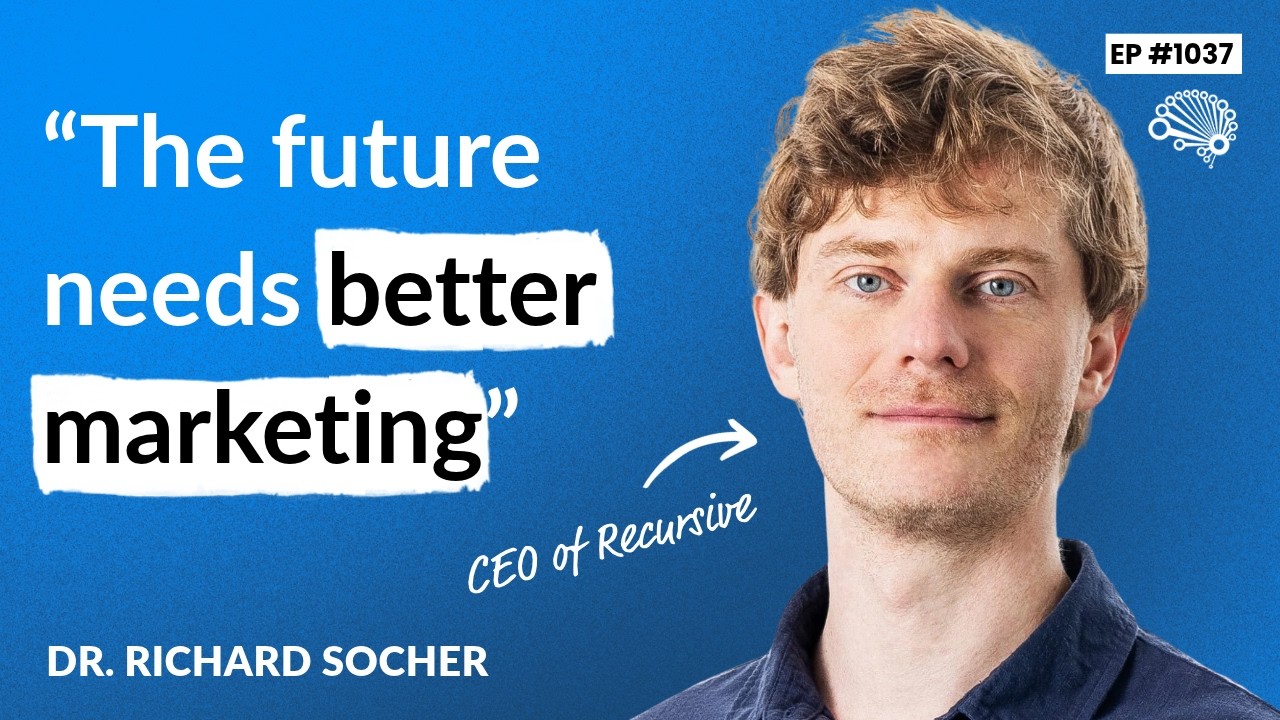
Richard Socher, CEO of Recursive and author of The Eureka Machine, makes the case for automating the scientific method with recursively self-improving AI. He covers how AI keeps replacing hand-crafted expertise with scale, the four pillars of his approach, why hallucinations can aid discovery, why RSI still rules out an overnight takeoff, and how science may become an engineering discipline across physics, biology, and economics.