Ai

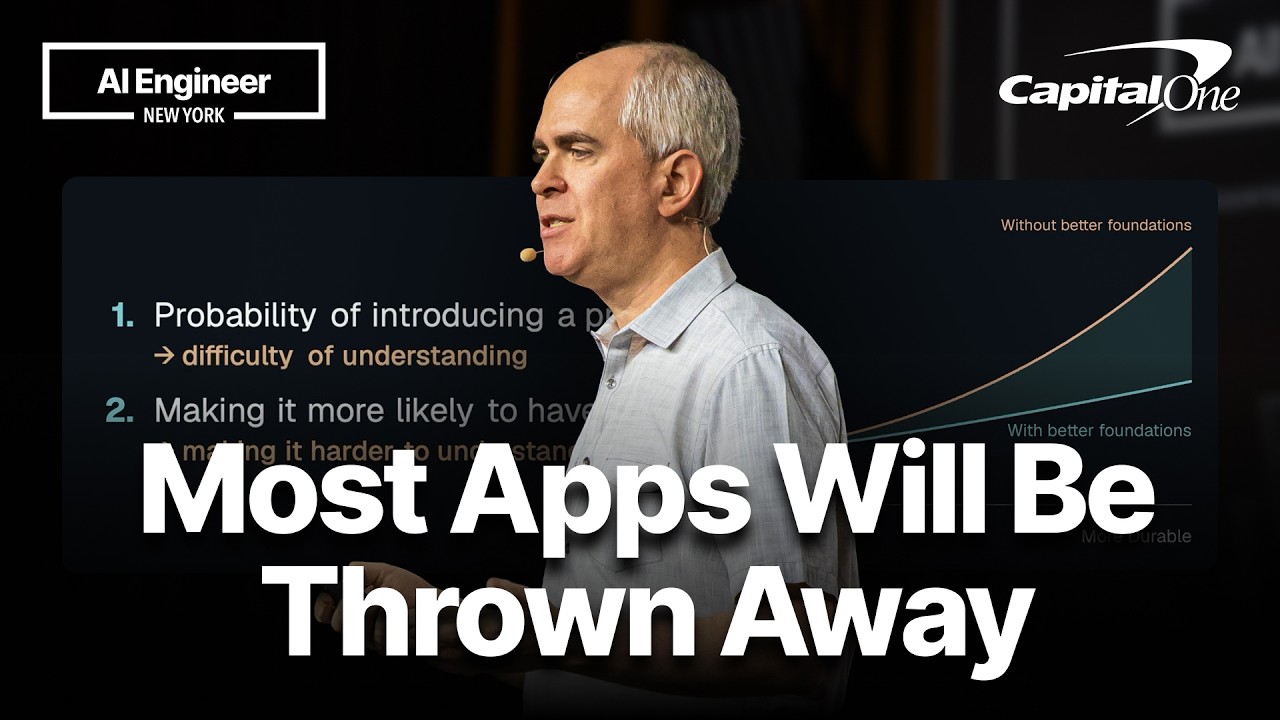
Does Code Quality Still Matter? It Depends on This — Max Kanat-Alexander, Capital One

Does Code Quality Still Matter? It Depends on This — Max Kanat-Alexander, Capital One

Max Kanat-Alexander reframes the familiar "it depends" answer around two factors that govern all software work: understanding a system and safely changing it. He explains why code quality matters for durable software but not for a new, rapidly growing category of disposable software created by AI, and shows how to make systems more disposable and make rigor cheap through standardization, inward-flow tooling, easier testing, and maximum strictness.
One Day, $1,000 in Tokens: An AI War Room for Legacy Code — Ford Prior, GEICO

One Day, $1,000 in Tokens: An AI War Room for Legacy Code — Ford Prior, GEICO

Ford Prior, a senior staff engineer and tech evangelist in GEICO's claims technology group, describes an AI-native multiplayer war room built to unblock major, outer-loop software changes. The talk covers a one-day, $1,000 token experiment across rentals, damages, and salvage legacy domains, the FleetKit markdown rulebook that steers the agent fleet, the worksheets and design artifacts it produced, and the cost, model-selection, and tooling lessons that shape what comes next.

AI Cut Our Research Time From 7 Days to 15 Minutes — Gareth Yoder, Vanguard

AI Cut Our Research Time From 7 Days to 15 Minutes — Gareth Yoder, Vanguard

Gareth Yoder of Vanguard describes modernizing a cash ledger handling up to 30 million calls per day by running data, producer, and consumer migrations in parallel. Key themes include exposing legacy code to AI through an MCP server, reducing a seven-day research cycle to fifteen minutes, reimagining rather than lifting and shifting, and maintaining observability throughout the migration.

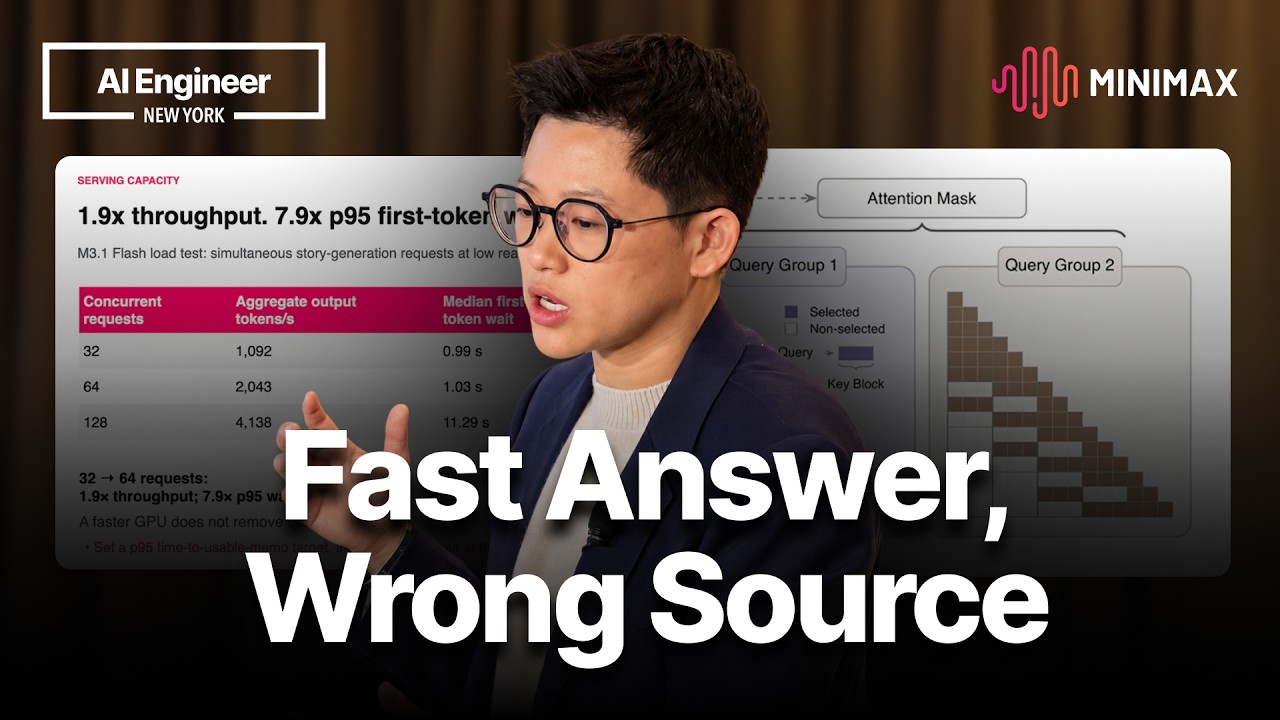
Is a Faster Model Actually Faster? Test the Whole Job — Morgan Suo, MiniMax

Is a Faster Model Actually Faster? Test the Whole Job — Morgan Suo, MiniMax

Morgan Suo of MiniMax tests the changes inside M3.1 Flash on a realistic analyst research task about circuit-board suppliers and AI-driven cash flow. She examines sparse attention, 4-bit KV caches, low-precision MoE experts, speculative decoding, serving concurrency, and reasoning budgets, showing how each saves compute while potentially costing accuracy or latency. She closes with a framework for judging a model switch by verifiable output, the full cost of a usable report, and repeatable results.

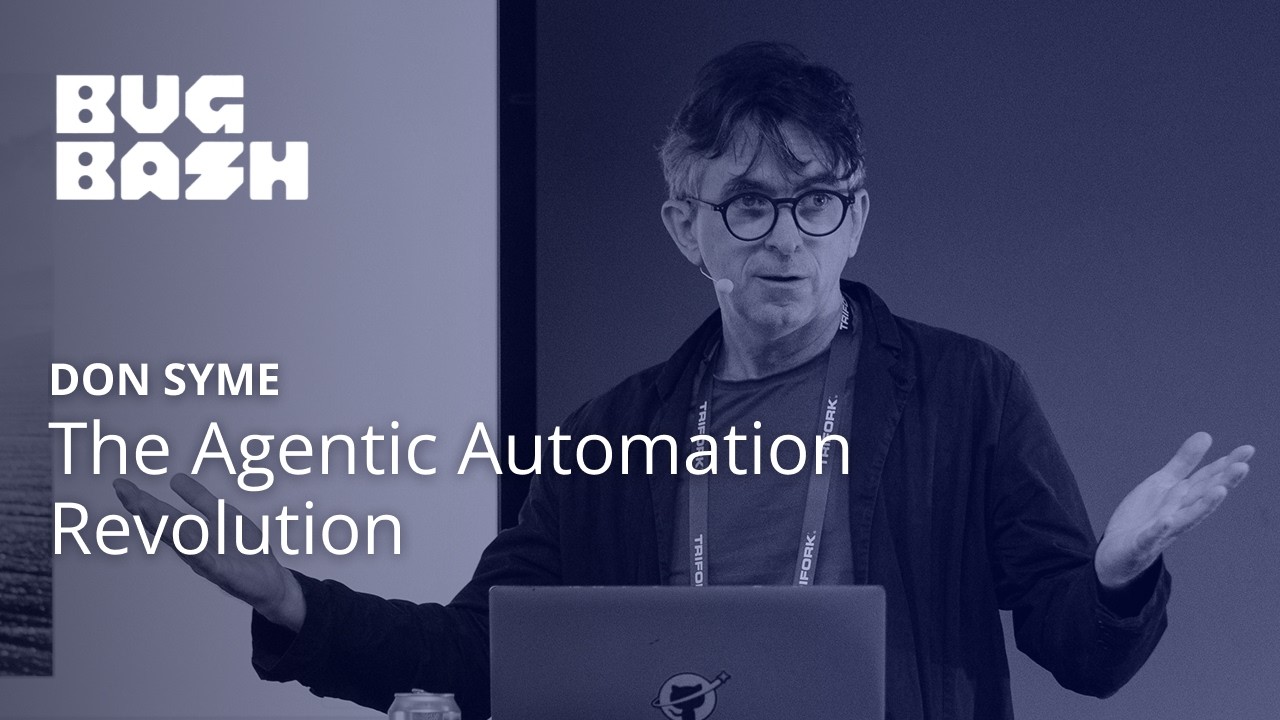
The Agentic Automation Revolution • Don Syme • Bug Bash EU 2026

The Agentic Automation Revolution • Don Syme • Bug Bash EU 2026

Don Syme, designer of F# and GitHub Next engineer, explains how AI agents are moving from individual productivity tools toward continuous, collaborative automation inside repositories. He introduces continuous AI and agentic ops, GitHub Agentic Workflows with their guardrails, and the factory and farm metaphors for managing software production.

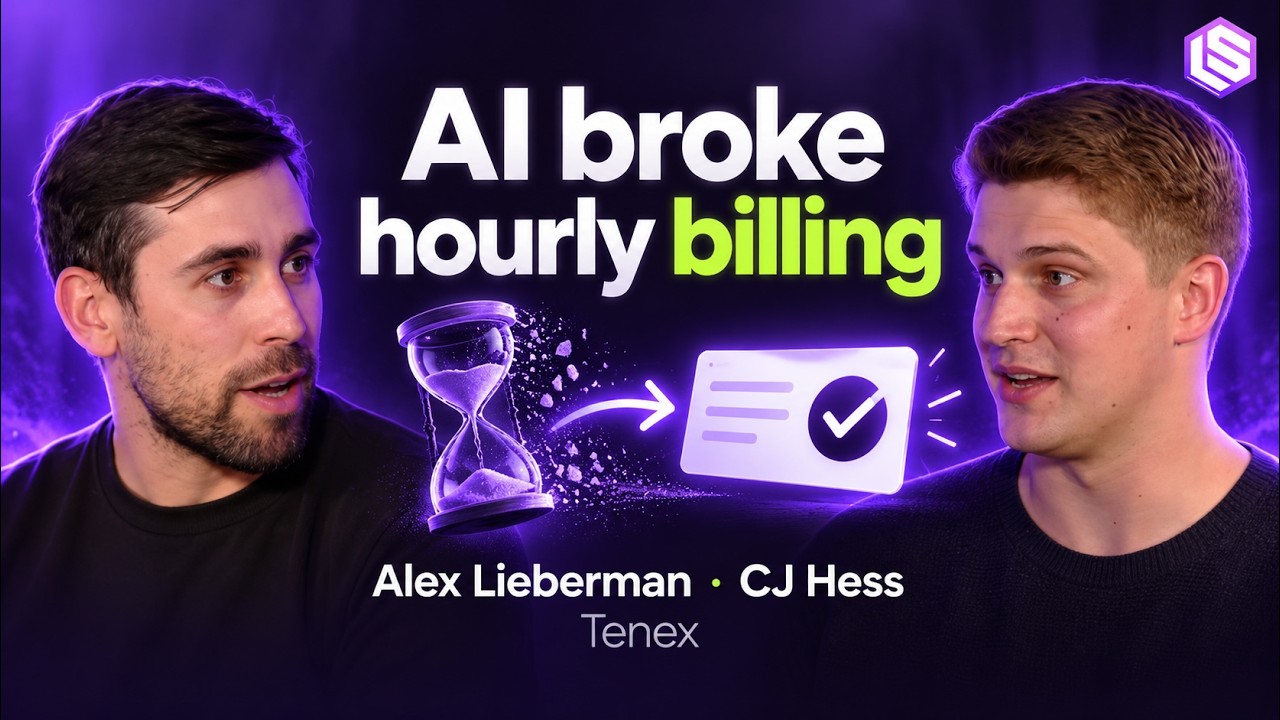
AI in NYC: How Tenex Builds an AI-Native Engineering Team — Alex Lieberman & CJ Hess

AI in NYC: How Tenex Builds an AI-Native Engineering Team — Alex Lieberman & CJ Hess

Alex Lieberman and CJ Hess of Tenex discuss how an AI-native engineering consultancy organizes its work around outcomes, not hours. They cover story-point compensation, the MetaHarness workflow that keeps plans and decisions in Git, token economics and model choices, the gap between enterprise AI rollouts and production agents, why vertical AI and mid-tier SaaS may or may not survive, and what this means for jobs and New York's AI scene.