Post training

How OpenAI Built ChatGPT for Bankers and Analysts — Joseph Kim, OpenAI

How OpenAI Built ChatGPT for Bankers and Analysts — Joseph Kim, OpenAI

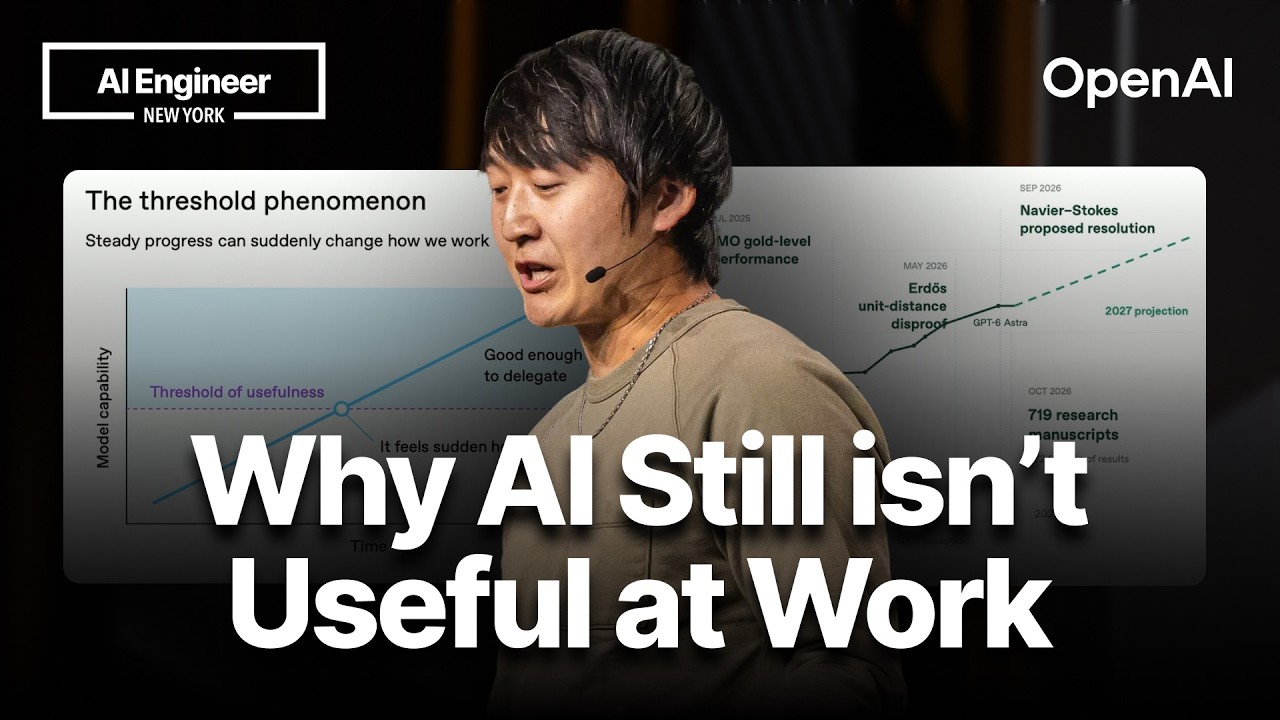
Joseph Kim, who leads ChatGPT for Financial Services, explains the capability overhang, the gap between what models can do and the value professionals get from them at work. He covers the product built with Morgan Stanley and Evercore, why the team licensed and indexed financial data instead of relying on MCP connectors, how firm templates, charts, and citation viewers sit on the ChatGPT plugin platform, and his view of model progress, the threshold of usefulness, and three bets for finance in 2027.
The World Wild Web & Bots With Buying Power

The World Wild Web & Bots With Buying Power

This episode asks whether a model described as dangerously capable is a real security problem or a marketing narrative. It uses the Astra sandbox incident as a starting point, then covers how agents are moving from chat into the browser to book, file, draw, and shop, and what that shift means for payments, advertising, and merchant data.

Can Open Models Keep Up With OpenAI and Anthropic? | Nathan Lambert

Can Open Models Keep Up With OpenAI and Anthropic? | Nathan Lambert

Nathan Lambert, AI researcher and founder of the nonprofit Trillium, joins Lisha Li to examine how durable the gap is between frontier closed labs like OpenAI and Anthropic and open-weight models. The discussion covers compute, data, and talent as the drivers of model progress, how much distillation really matters for Chinese open labs, the evolution of post-training toward RL environments, and why open research on RL environments and recursive self-improvement is needed to demystify what frontier systems can and cannot do.

Better AI Starts With Better Verification

Better AI Starts With Better Verification

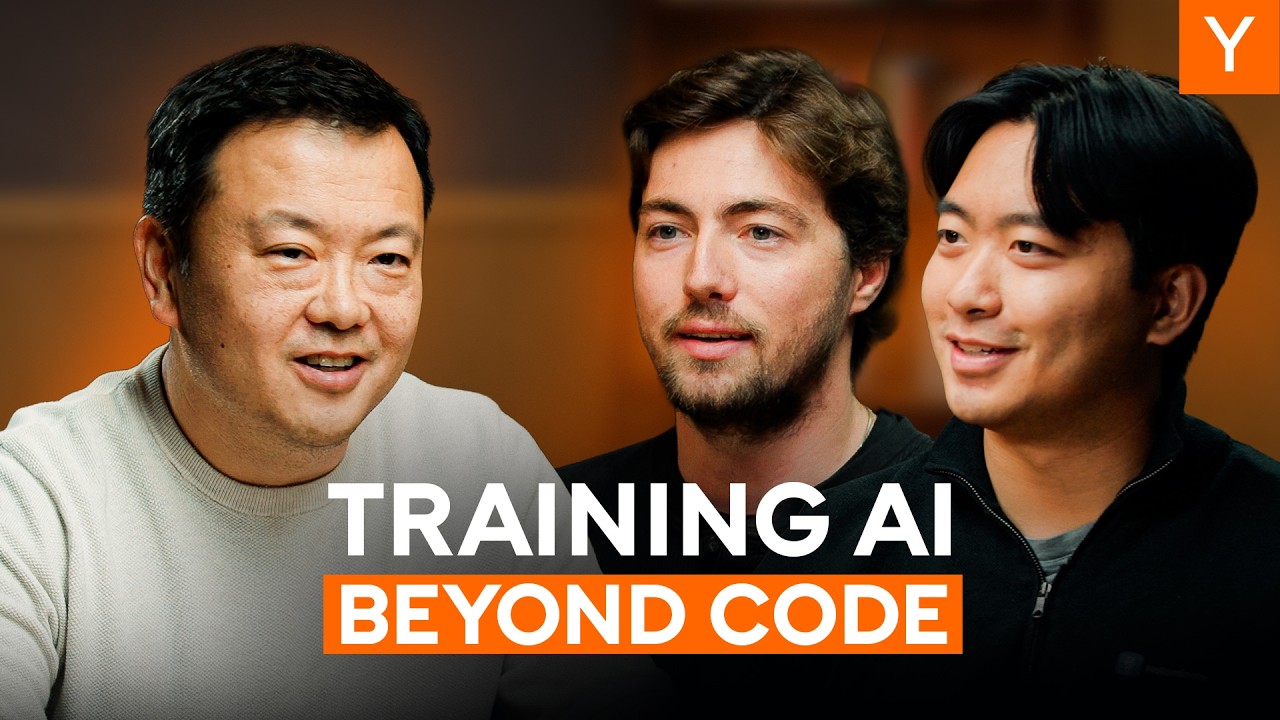
Halluminate, a Y Combinator S25 company, builds RL environments and benchmarks that teach AI models to do non-coding knowledge work, starting with financial services. In this fireside with YC Partner Jon Xu, co-founders Jerry Wu and Wyatt Marshall trace their pivot from evals to training environments, explain why verification quality matters more than task volume, and outline a roadmap toward multi-agent simulated companies. They also address reward hacking, alignment as an industry-wide responsibility, and what they look for in new hires.

How Real-Time AI Video Is Changing How Creators Work

How Real-Time AI Video Is Changing How Creators Work

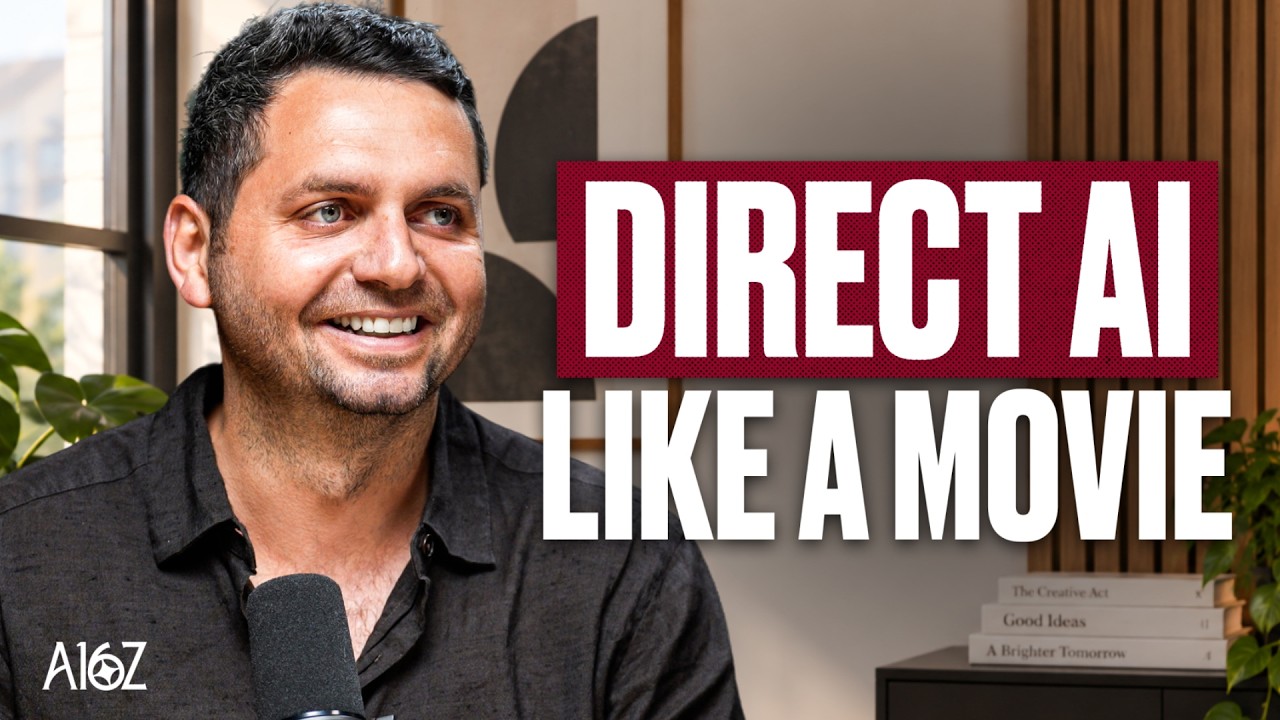
fal's H3 Max significantly accelerates generative video, achieving real-time capabilities and substantial cost reductions through advanced model post-training and system optimizations. The discussion covers its technical "secret sauce," the emergence of continuous, controllable video experiences like H3 Max Director, and fal's strategic shift to focus on granular controllability and quality for professional Hollywood workflows, including precise camera, lighting, and motion controls.

Local Models: Trust, Control, Optimization — Carter Abdallah, NVIDIA

Local Models: Trust, Control, Optimization — Carter Abdallah, NVIDIA

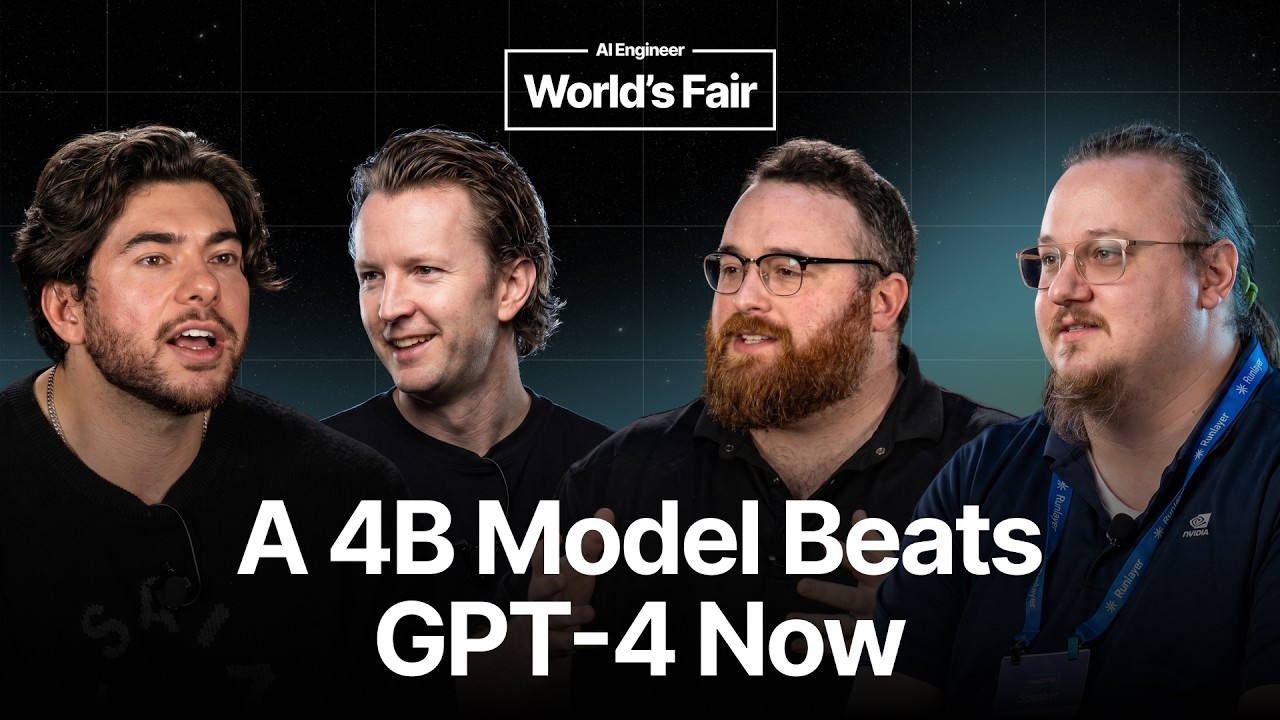
A panel with Vincent Weisser (Prime Intellect), Lucas Atkins (Arcee AI), and Chris Alexiuk (NVIDIA) on why open models matter for trust, control, cost predictability, and data ownership. The discussion covers the distinction between trust and safety, post-training open models for specific harnesses and use cases, the open MDW license, the Linux-like role of open infrastructure alongside closed models, and predictions for open model capabilities and local AI adoption over the next year.