Open source

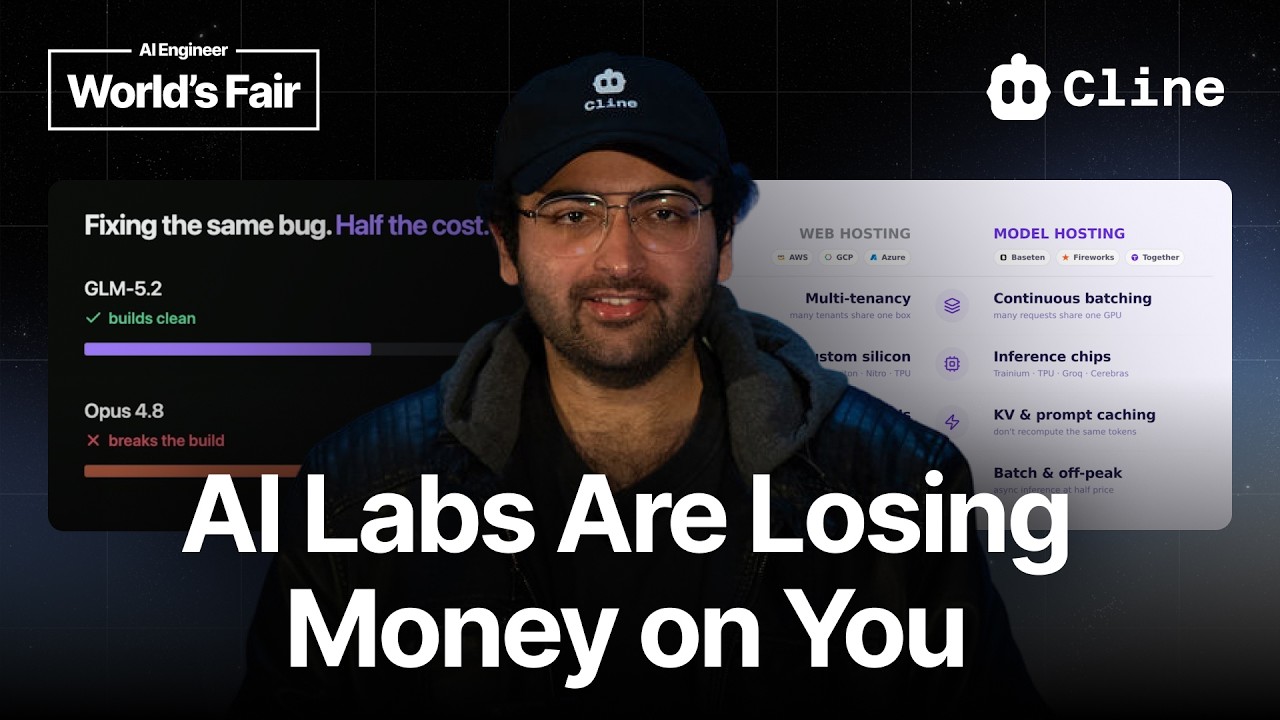
Open Source Is Dead. Long Live Open Source. — Saoud Rizwan, Cline

Open Source Is Dead. Long Live Open Source. — Saoud Rizwan, Cline

Saoud Rizwan, founder of Cline, discusses how AI has eroded trust in open-source communities, leading projects like Zig and curl to restrict AI-generated contributions and exposing severe supply chain risks, as seen with the litellm compromise. He argues that while community open source is struggling, the economic imperative of "open weights" models is rising. Citing the high costs of closed LLMs and the success of models like GLM at Coinbase, Rizwan draws parallels to the Open Compute project, predicting a commoditization of AI inference. He urges American labs to release open-weights models to maintain technological leadership against foreign competitors and prevent lock-in.

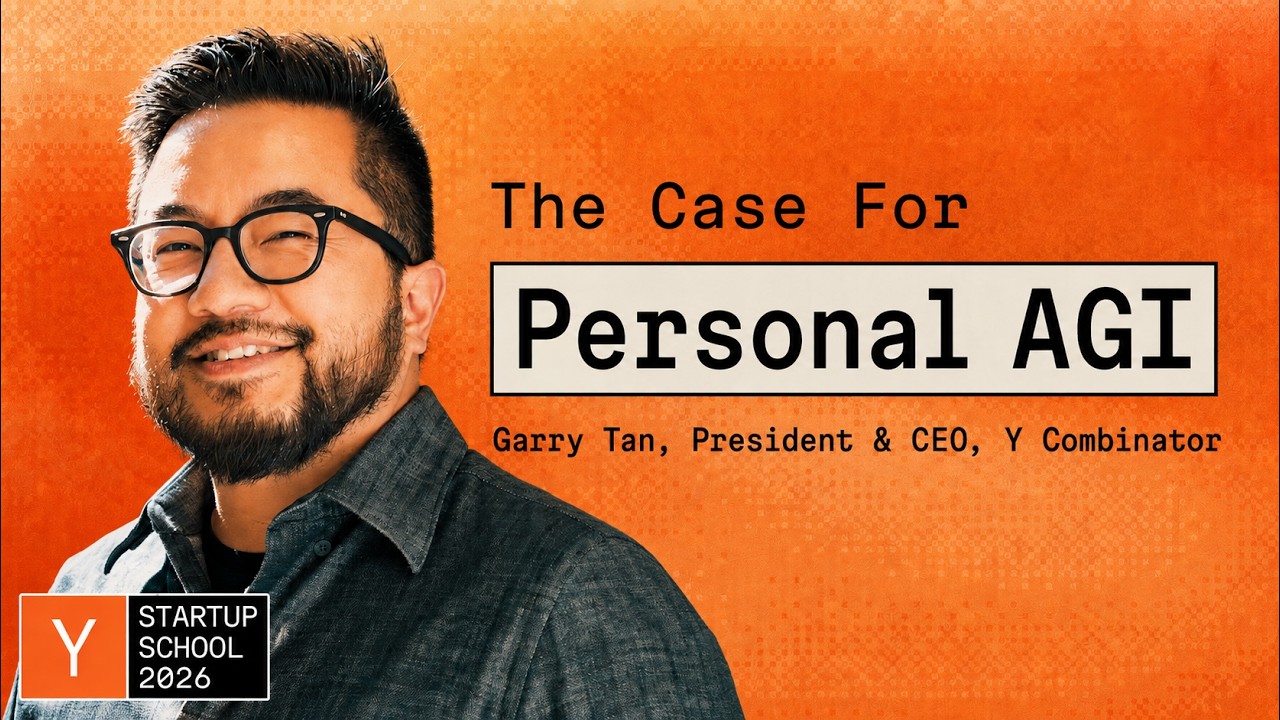
Garry Tan: "Personal AGI Is How You Stay Under Your Own Power"

Garry Tan: "Personal AGI Is How You Stay Under Your Own Power"

YC President Garry Tan introduces "Personal AGI," a concept where individuals own and train AI agents on their unique context, transforming personal productivity and startup creation. He shares his workflow, advocating for Markdown as code and emphasizing the critical importance of owning one's intellectual assets in the age of AI. The talk outlines a practical 5-step guide to building a personal AI system and explores the profound implications for innovation and individual empowerment.

A Long Spring: 19 Years of Living with Your Past Mistakes • Arjen Poutsma • GOTO 2025

A Long Spring: 19 Years of Living with Your Past Mistakes • Arjen Poutsma • GOTO 2025

Arjen Poutsma, a Spring Framework veteran, reflects on 19 years of evolving the framework. He shares insights on API design from XML to functional programming, detailing anecdotes like bubble sort in MVC and the challenges of HTTP method enums. Poutsma emphasizes the critical role of diversity, empathy, humility, and restraint in open-source stewardship to maintain developer trust and foster innovation under constraints.

Jensen Huang: The Mindset That Built NVIDIA

Jensen Huang: The Mindset That Built NVIDIA

Jensen Huang, CEO of NVIDIA, shares critical lessons from NVIDIA's journey, emphasizing how early failures and a commitment to learning new technologies, like purchasing textbooks from Fry's to pivot the company, laid the groundwork for their success. He discusses NVIDIA's strategic vision, driven by accelerating algorithm domains and seeing AlexNet as a universal function approximator, which led to a reinvention of the computing stack. Huang also explores the future of AI with agents, the importance of fine-grained control, and the "Linux moment" of open-source AI, while also forecasting the rise of physical AI and job creation. He concludes with profound advice on resilience, systems thinking, and the "how hard can it be?" mindset for aspiring entrepreneurs in this unprecedented era of technological reset.

Opencode CEO: Blocked, 20X Growth in 6 Months, Building the Coding Agent for the World

Opencode CEO: Blocked, 20X Growth in 6 Months, Building the Coding Agent for the World

Jay V, founder and CEO of Opencode, shares insights into the explosive growth of his platform, an open-source alternative to proprietary coding agents. He details Opencode's journey to 13 million monthly active users and 7 trillion tokens processed daily, attributing its rapid rise partly to an unexpected controversy with Anthropic and the maturing open-source model ecosystem. The discussion delves into global user adoption, the economic shift in AI token consumption, and how Opencode's strategic product design, rooted in 16 years of entrepreneurial persistence, positions it as a critical marketplace for diverse AI models, serving both individual developers and Fortune 500 companies.

Perception Agents — Antje Barth, Amazon AGI Lab

Perception Agents — Antje Barth, Amazon AGI Lab

Antje Barth of Amazon AGI Lab discusses the architectural gap in current AI agents, which excel at individual tasks but fail at complex, end-to-end workflows due to a lack of reliability and contextual understanding. She introduces "Perception Agents"—AI systems that see, reason, and act on computers like humans, using visual and multimodal input to enable reliable collaboration and close the perception-action loop, highlighting new open-source tools for annotation and verification.