Llm agents

Agents, codebases, and teams — Aditya Khandelwal, Amazon AGI Lab

Agents, codebases, and teams — Aditya Khandelwal, Amazon AGI Lab

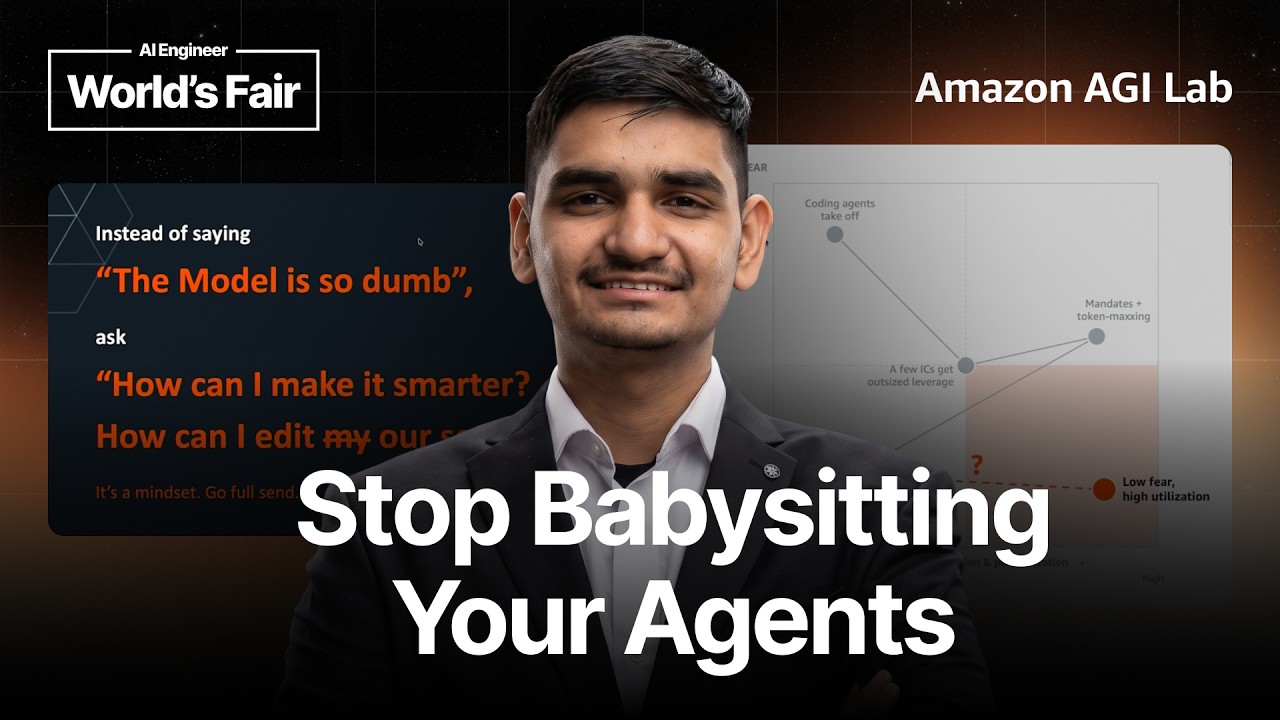
Aditya Khandelwal argues that scaling AI agent adoption within engineering teams is a leadership challenge, not an individual contributor problem. He highlights common pitfalls like agent "babysitting" and "slop," and provides a playbook emphasizing progressive disclosure, high-value automation, robust feedback loops, and a critical mindset shift to successfully integrate agents into team workflows.
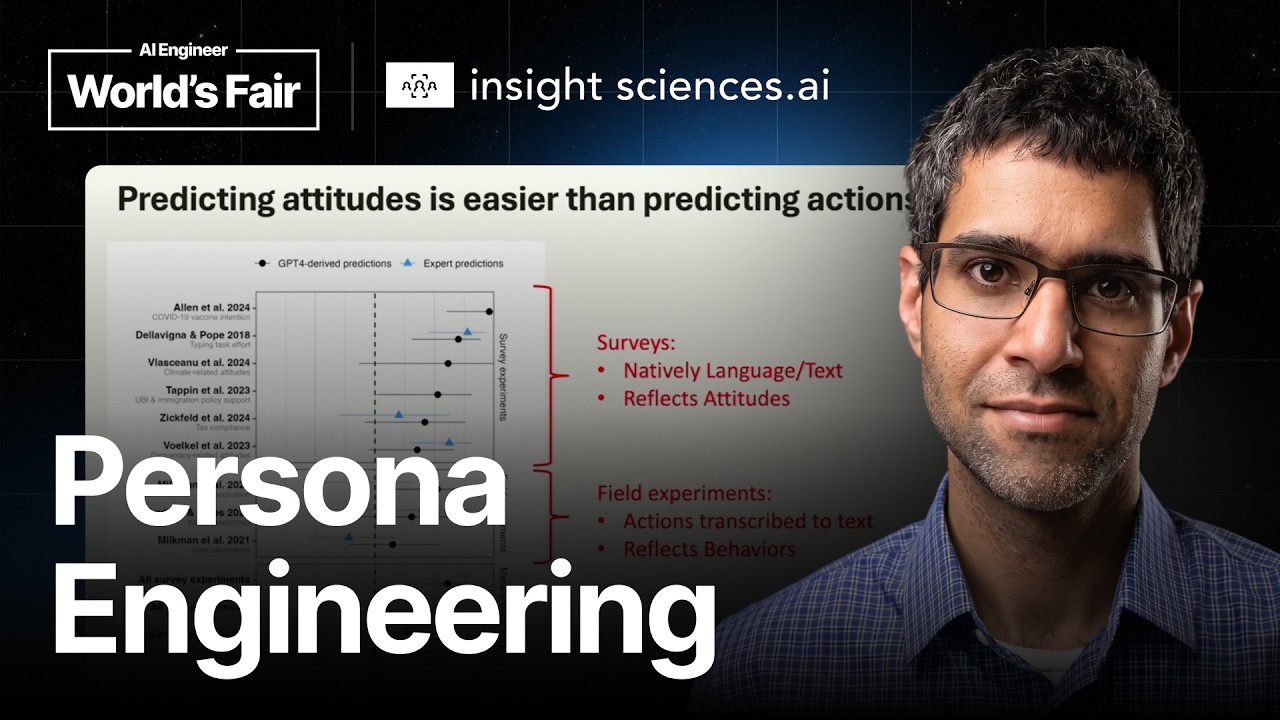
Persona Engineering: A Field Guide to AI Synthetic Personas — Ishan Anand, InsightSciences.ai

Persona Engineering: A Field Guide to AI Synthetic Personas — Ishan Anand, InsightSciences.ai

Ishan Anand discusses synthetic personas for market research, drawing parallels to weather forecasting. He outlines three key failure modes—latent confounders, prompt sensitivity, and difficulty predicting actions—and explores techniques like fine-tuning and calibrated prompting to overcome them. Anand stresses the importance of validating personas against human data using distributional metrics and establishing a "noise floor" based on human-to-human consistency, advocating for their use as economic actors and complements to, rather than replacements for, human research.

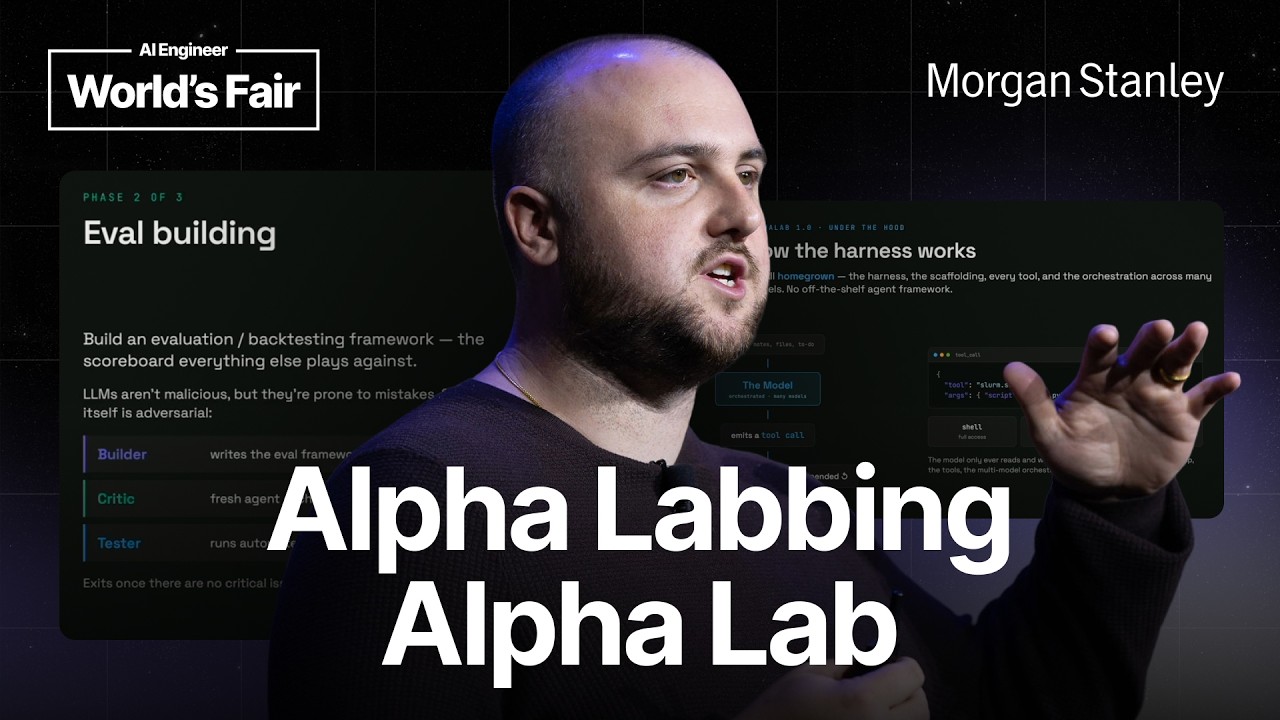
Morgan Stanley's ALPHALAB: Multi-Agent Research Across Optimization Domains — Brendan Rappazzo

Morgan Stanley's ALPHALAB: Multi-Agent Research Across Optimization Domains — Brendan Rappazzo

Morgan Stanley's AlphaLab is an open-sourced multi-agent system designed to automate quantitative research. Initially, AlphaLab 1.0 automated code generation, backtesting, and experimentation. Facing challenges, AlphaLab 2.0 evolves to prioritize building robust, verifiable environments, which serve as reinforcement learning signals, enabling the system to meta-optimize itself. This shift redefines the human role from performing research to designing these critical environments.

Your Moat Is Your Data Model — Mike Phipps, Gates Foundation

Your Moat Is Your Data Model — Mike Phipps, Gates Foundation

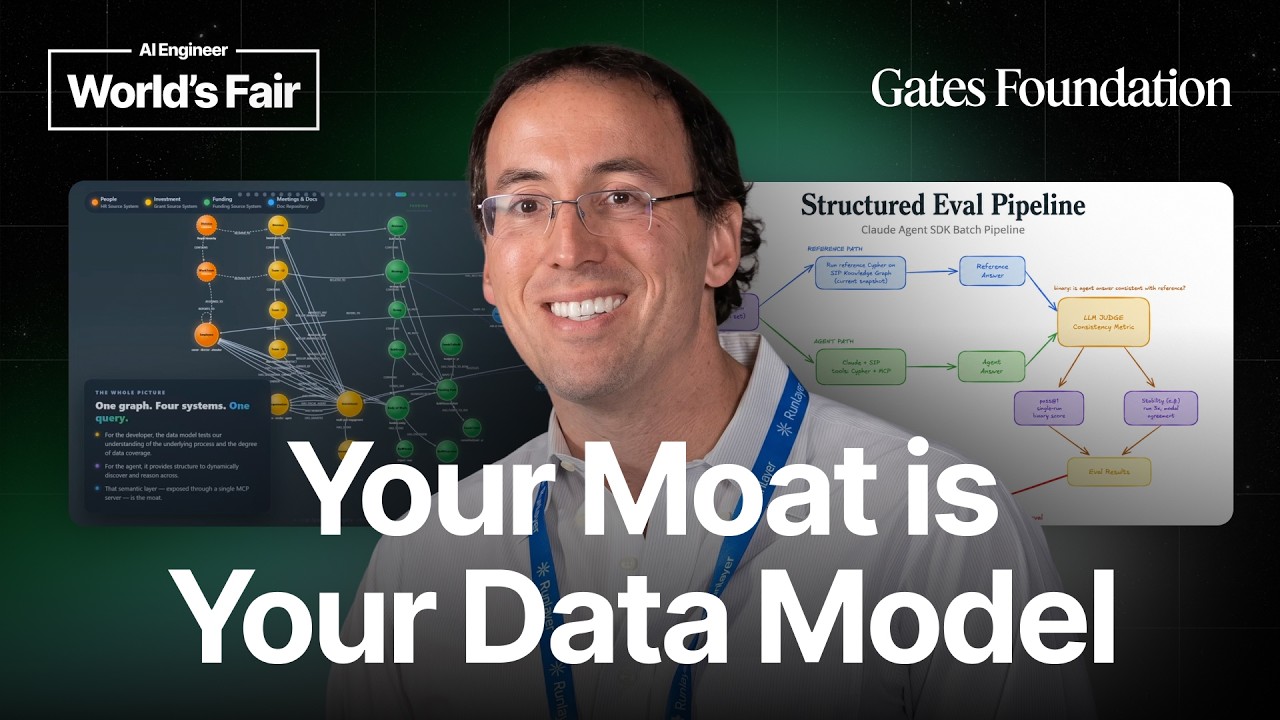
Mike Phipps from the Gates Foundation details how they built a Strategic Intelligence Platform (SIP) using a Neo4j knowledge graph to serve AI agents. He argues that the true "moat" in an AI-commoditized world lies in an organization's unique data model and tacit knowledge, not in generic AI tools. The platform unifies 25 years of siloed grantmaking data, integrating structured and unstructured information through a rigorous curation pipeline, and is refined via continuous retrieval evaluations to ensure alignment with organizational reporting standards.

Active Graph Agent Runtime (BabyAGI 4) — Yohei Nakajima, Untapped Capital

Active Graph Agent Runtime (BabyAGI 4) — Yohei Nakajima, Untapped Capital

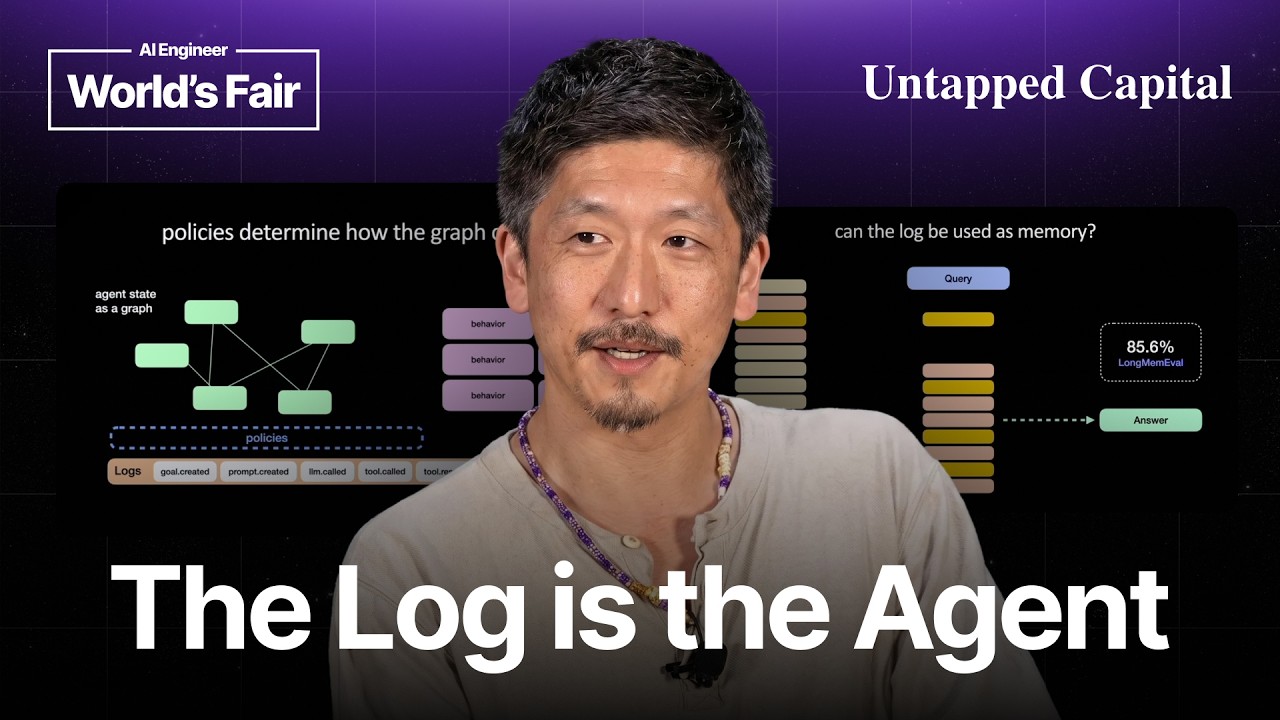
Yohei Nakajima, creator of BabyAGI, introduces ActiveGraph, a novel agent architecture that builds around an immutable event log rather than the LLM. This log-centric approach enables auditable agents with native replay, rollback, and self-improvement capabilities, drawing inspiration from blackboard systems and Kafka.

CrabRAG: Why Automated Assistants Need Graph Memory, Not More Tokens — Stephen Chin, Neo4j

CrabRAG: Why Automated Assistants Need Graph Memory, Not More Tokens — Stephen Chin, Neo4j

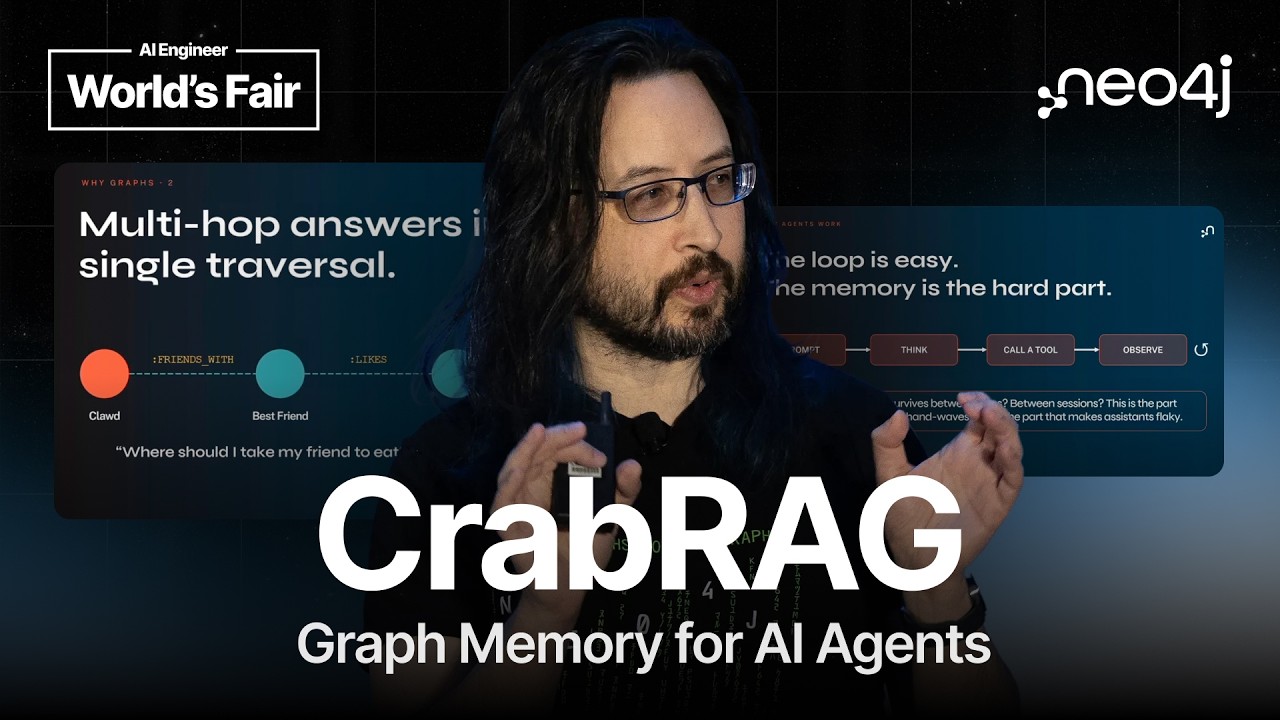
Stephen Chin demonstrates how current LLM agent memory systems, relying on markdown files or vector databases, lead to token inefficiency, hallucinations, and a lack of multi-hop reasoning. He showcases graph databases as a superior alternative, providing precise, explainable, and auditable answers for complex, large-scale problems through a live demo of a home lab digital twin.