Why Reflection AI Is Making the Open Intelligence Bet - and What It Means for Deploying Models
Joe Spisak of Reflection discusses why open models and open intelligence matter, covering RL-driven customization, environments as the new dataset, the OpenEnv project, PyTorch and Llama lessons, inference scaling, and the case for ecosystem control and open safety.
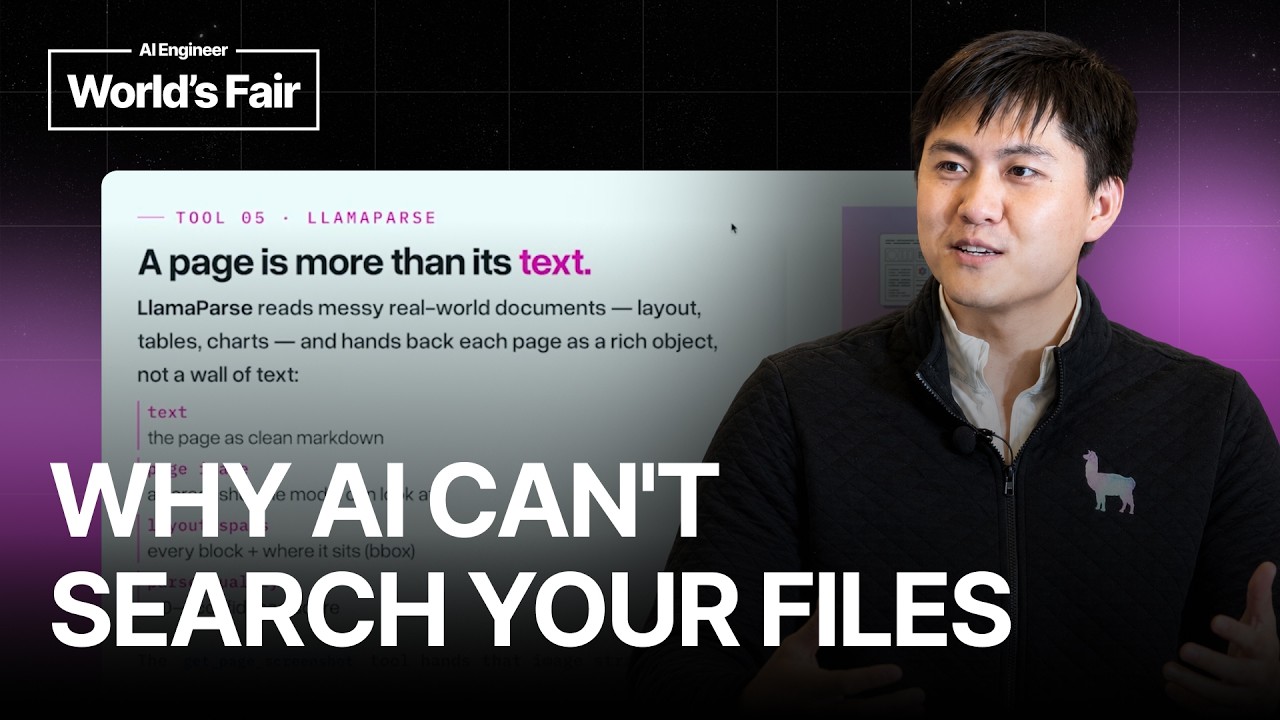
Grep or Embeddings? Agentic Search Over Company Documents — George He, LlamaIndex
George He, head of engineering at LlamaIndex, explores when agents need pre-indexed vector search and when plain file traversal with grep is enough. He contrasts Claude Code's embedding-free approach on code with the harder reality of large, messy, multimodal, permissioned company documents, and proposes a harness of hybrid retrieval, metadata filtering, grep, and reading tools backed by LlamaParse and LiteParse. The talk closes with a live demo of an agent building a cash-flow table from 135 Alphabet filings, grounded in source files.
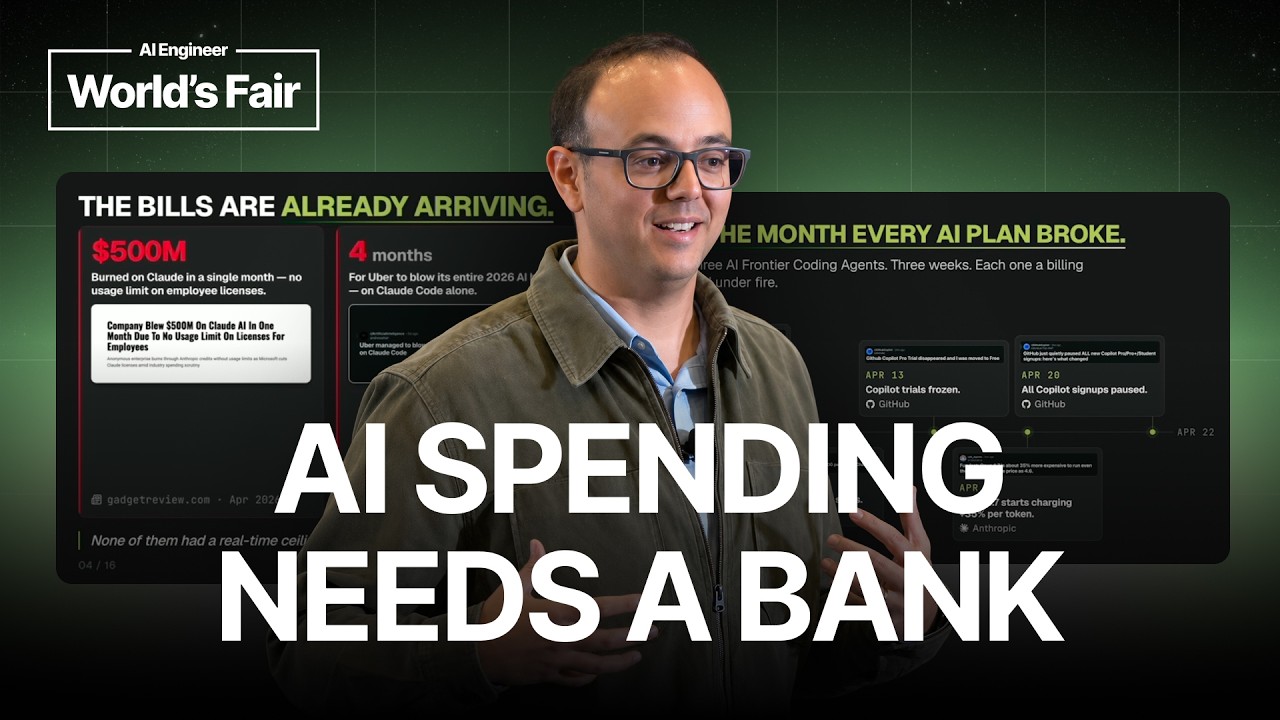
Every AI Company Is Accidentally Building a Bank — Dor Sasson, Stigg
Dor Sasson argues that the 2026 AI pricing crises at Anthropic, OpenAI, and GitHub were infrastructure failures: usage was checked after invoicing rather than before inference. He proposes synchronous entitlement checks with asynchronous settlement, borrows banking concepts such as holds, double-entry bookkeeping, and credit sources, and outlines four patterns for selling AI at scale.
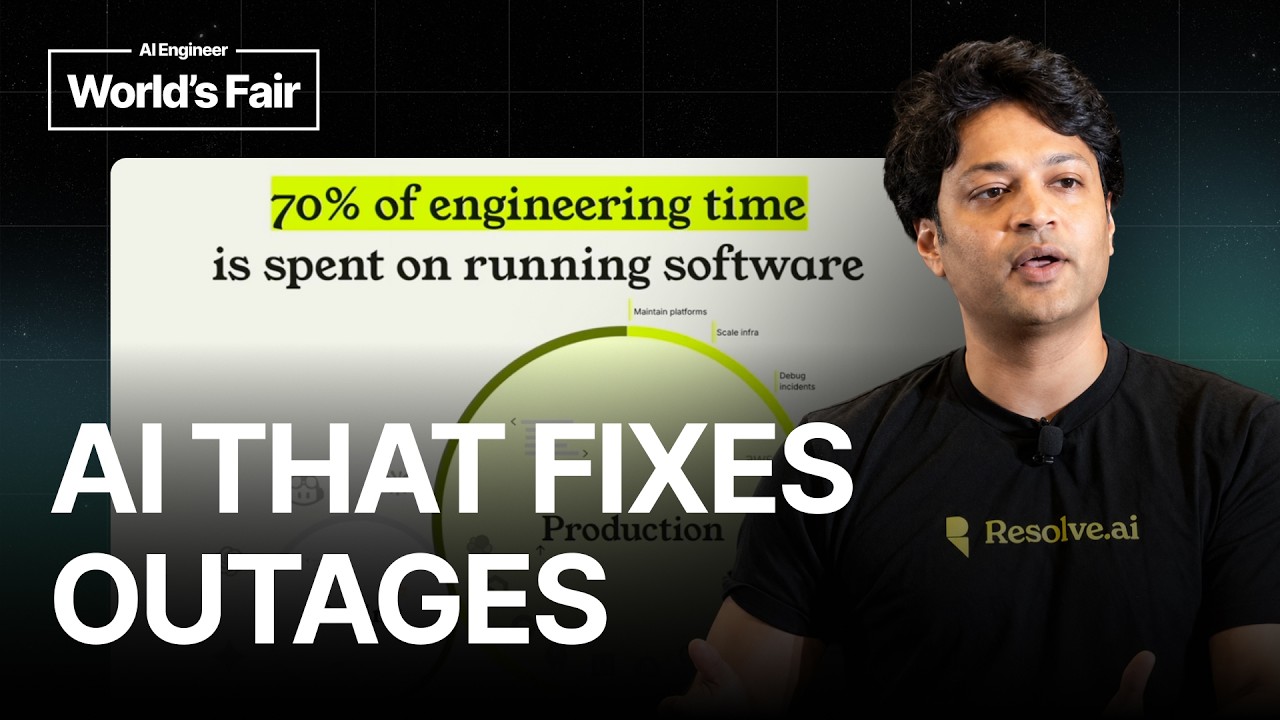
The 6 Pillars of an Agentic Harness for Production — Varun Krovvidi, Resolve AI
Varun Krovvidi of Resolve AI explains why AI excels at code generation but struggles with the complex, multi-domain problem of running and fixing software in production. He outlines five common failure modes for AI agents in production (anchoring bias, context issues, coherent vs. causal answers, guardrails, lack of learning) and introduces Resolve AI's six-pillar architecture: model orchestration, context engineering, causal reasoning, governed actions, learning systems, and multi-level evaluations. A demo illustrates how Resolve AI diagnoses a Grafana alert to its root cause, ruling out coincidental events and maintaining its causal reasoning.
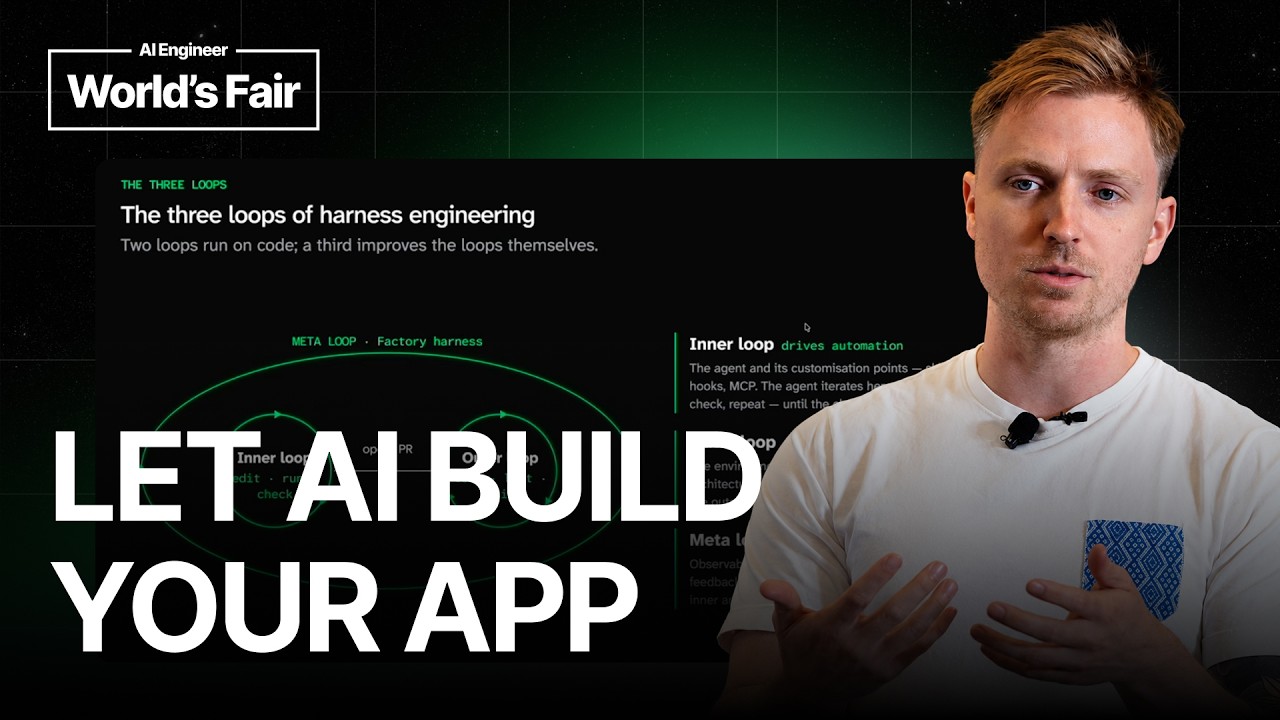
Harness Engineering: How to Build a Software Factory — Dru Knox, Tessl
Dru Knox of Tessl discusses harness engineering, the discipline for building software factories with AI agents. He outlines a factory's three pillars—autonomy, automation, quality—and introduces inner, outer, and meta loops. Knox explains why this field is challenging and proposes a three-layer architecture: control plane, agent-ready stack, and improvement loops, concluding with key metrics to track progress towards an agent-driven software development future.
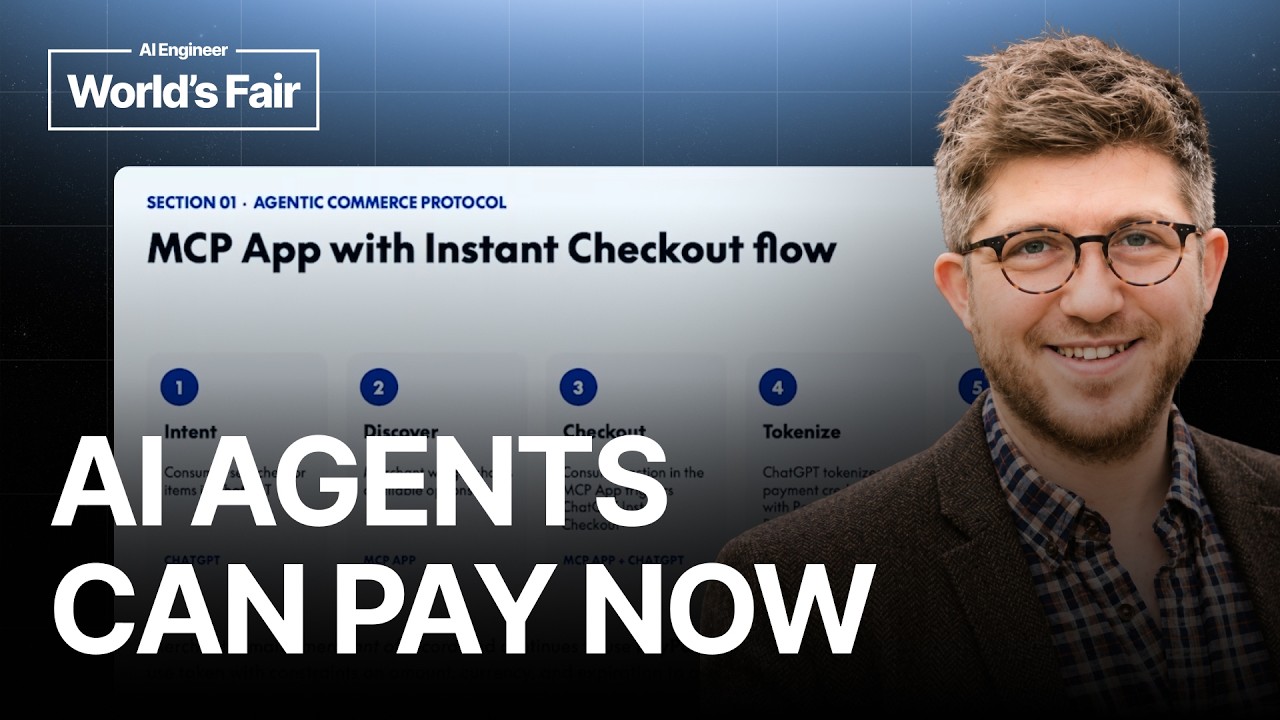
How AI Agents Pay: Checkout in ChatGPT and Google AI Mode — Sam Parsons, PayPal
Sam Parsons from PayPal Enterprise Payments explores three distinct ways merchants can accept payments initiated by AI agents: Instant Checkout in ChatGPT (Agentic Commerce Protocol), Google AI Mode (Universal Commerce Protocol), and a custom MCP app with an external checkout page. He details the technical flows, emphasizing tokenization for secure transactions and outlining the trade-offs between in-agent experiences and full merchant control.