Active learning

🔬 The Limits of AI in Science - Why We Need Self-Driving Labs — Joseph Krause, Radical AI

🔬 The Limits of AI in Science - Why We Need Self-Driving Labs — Joseph Krause, Radical AI

Joseph Krause, CEO of Radical AI, details how his company uses Self-Driving Labs (SDLs) and AI scientists to overcome the experimental bottleneck in materials science. By automating the full loop of hypothesis generation, synthesis, characterization, and testing, Radical AI is accelerating the discovery of novel alloys for aerospace, defense, and semiconductor applications, achieving 10x the pace of traditional methods. Krause explains why materials science is uniquely challenging for AI, how human intuition trains the AI, and why experimental data, not models, forms the core competitive advantage in this rapidly evolving, geopolitically significant field.

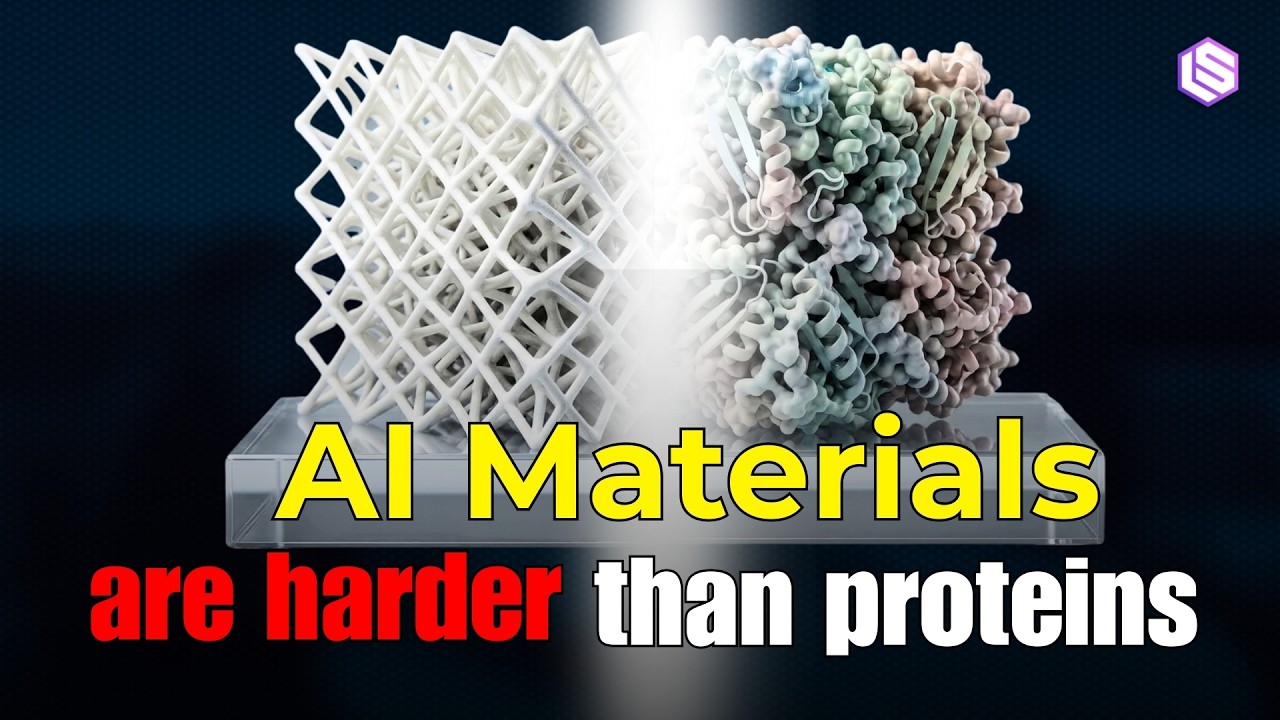
🔬There Is No AlphaFold for Materials — AI for Materials Discovery with Heather Kulik

🔬There Is No AlphaFold for Materials — AI for Materials Discovery with Heather Kulik

Professor Heather Kulik shares her hard-won perspective on applying AI to materials science, from discovering novel polymers with surprising quantum properties to the practical limitations of LLMs and the critical need for integrating deep domain expertise with data-driven methods.

Attention, World Models and the Future of AI — with Prof. Kyunghyun Cho

Attention, World Models and the Future of AI — with Prof. Kyunghyun Cho

Professor Kyunghyun Cho, a co-author of the first paper on attention, discusses the future of AI. He argues that today’s models have already captured most correlations in passive data, making the real challenge about actively choosing which data to collect. He also explores the open debate around world models, the surprising lack of coding agent adoption among his students, and the foundational work that led to Retrieval-Augmented Generation (RAG).

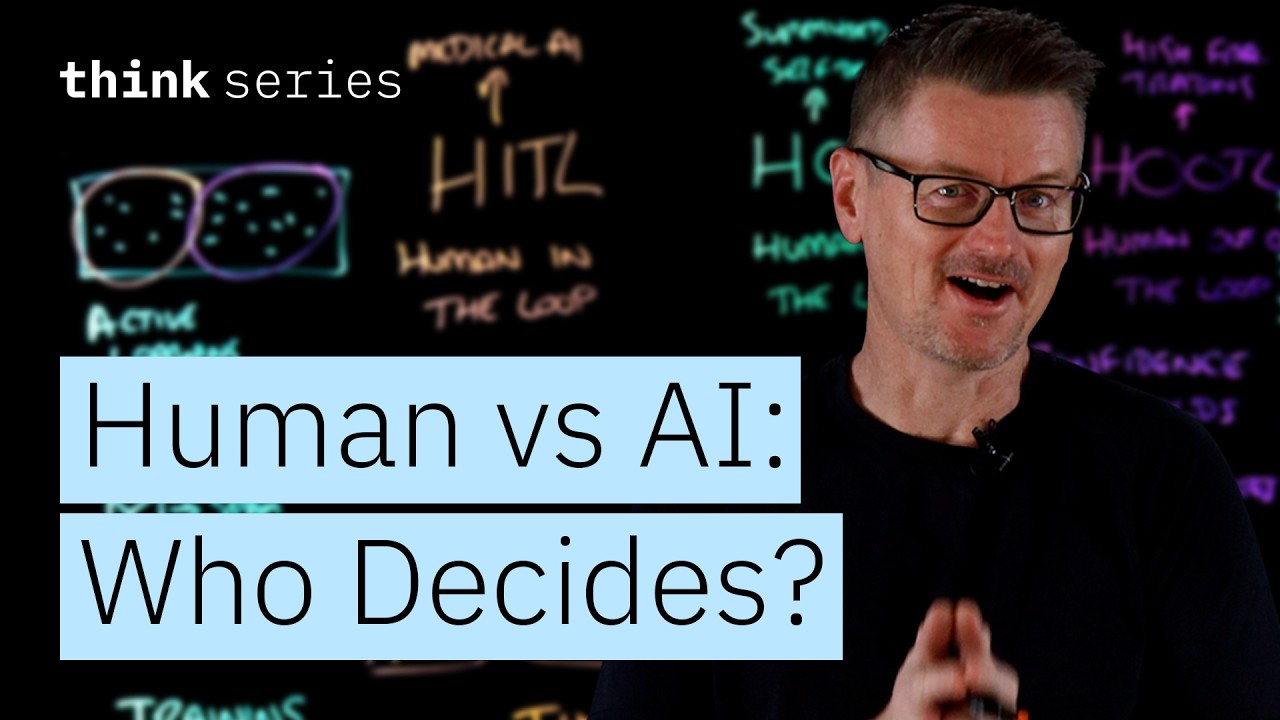
What is Human In The Loop with AI? How HITL Shapes AI Systems

What is Human In The Loop with AI? How HITL Shapes AI Systems

Exploring the concept of Human-in-the-Loop (HITL) AI, this summary details the spectrum of human involvement—from strict HITL to full autonomy. It covers how humans are integrated at different stages of the AI workflow, including training (Active Learning), tuning (RLHF), and inference (runtime oversight), to ensure safety, instill judgment, and build trust in AI systems.