X402

Why AI Agents Will Need Their Own Bank Accounts — Lincoln Murr, Coinbase

Why AI Agents Will Need Their Own Bank Accounts — Lincoln Murr, Coinbase

Lincoln Murr, head of AI product at Coinbase, explains agentic finance, covering agents that pay and agents that grow money. He traces the path from AgentKit, an early experiment giving an AI a wallet, to x402, an open payment standard built on the long-unused HTTP 402 code. He also discusses microtransactions as a replacement for the ad economy, agents executing trades from simple instructions, the trust-building lessons from two years of development, and the vision of agents that can pay for their own upkeep.
MCP Doesn't Suck. Your Agent Does. — Jan Čurn, Apify

MCP Doesn't Suck. Your Agent Does. — Jan Čurn, Apify

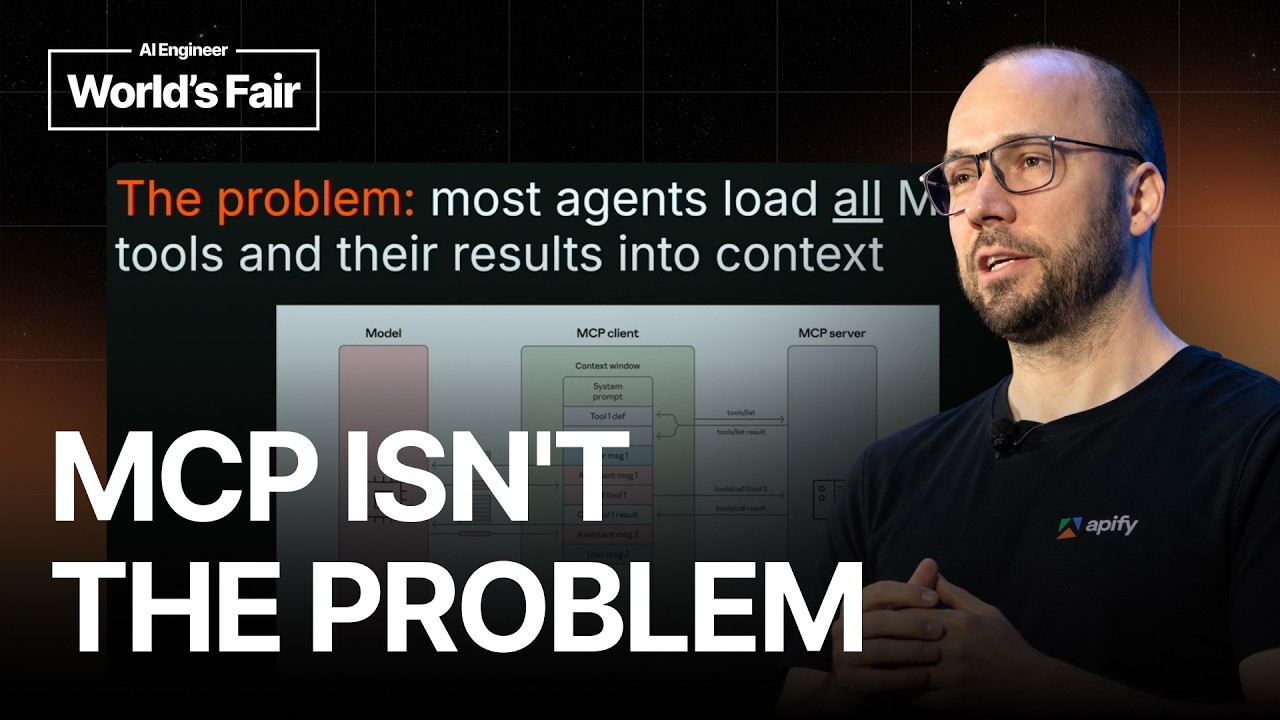
Jan Čurn, founder and CEO of Apify, argues that the backlash against MCP targets the wrong layer. Context bloat and token burn come from naive agent harnesses, not the protocol. He reviews the industry's three main fixes (sub-agents, progressive tool discovery and Code Mode), explains why agents work well with CLIs, proposes MCP for remote access and CLIs for local use, and demos mcpc, Apify's open-source universal MCP CLI client, alongside early Connector Evals results.

Agent Spending Without Controls — Rodrigo Coelho & Pranav Maheshwari, Edge & Node

Agent Spending Without Controls — Rodrigo Coelho & Pranav Maheshwari, Edge & Node

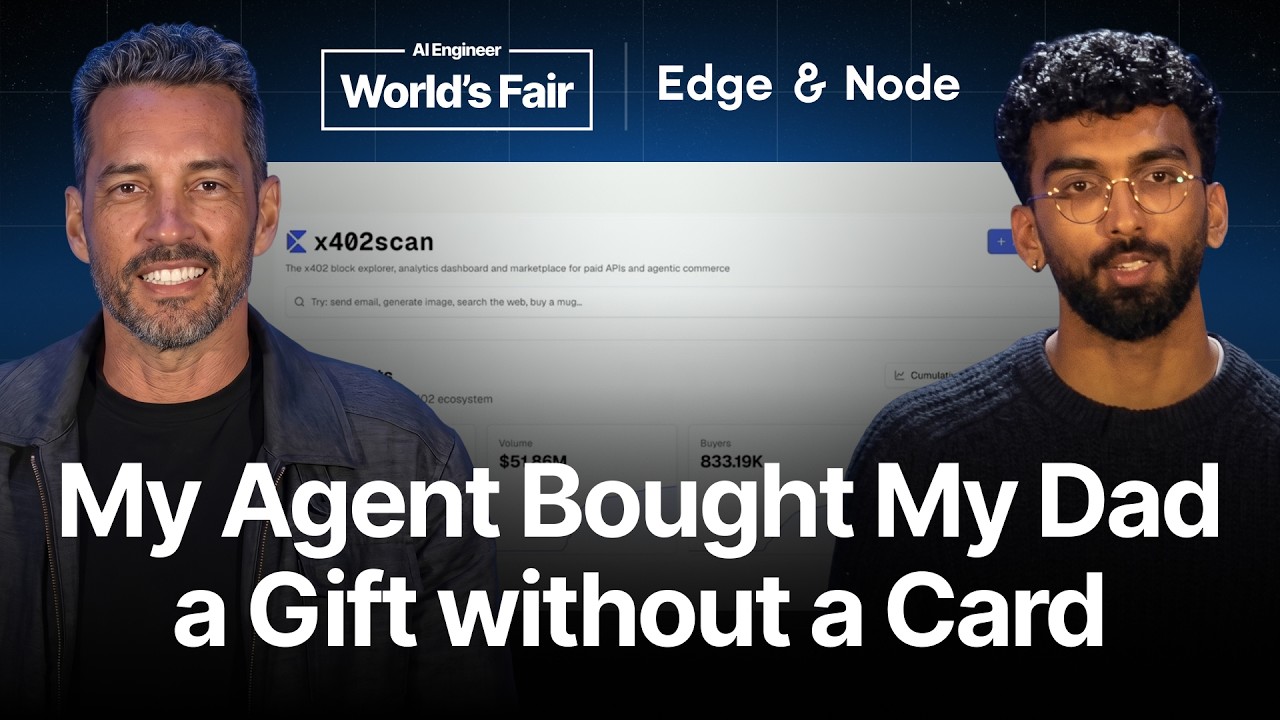
Ampersand presents the critical need for a new payment infrastructure for AI agents, moving beyond traditional human-centric rails to address machine-speed transactions and stringent enterprise compliance requirements. The presentation highlights how agents require access to paid tools via a "skill file" and demonstrates agentic e-commerce, culminating in a crucial demo of real-time sanctions screening for wallet addresses.

Why Your AI Agent Needs a Wallet: USDC and Nanopayments — Harshal Bhangale, Circle

Why Your AI Agent Needs a Wallet: USDC and Nanopayments — Harshal Bhangale, Circle

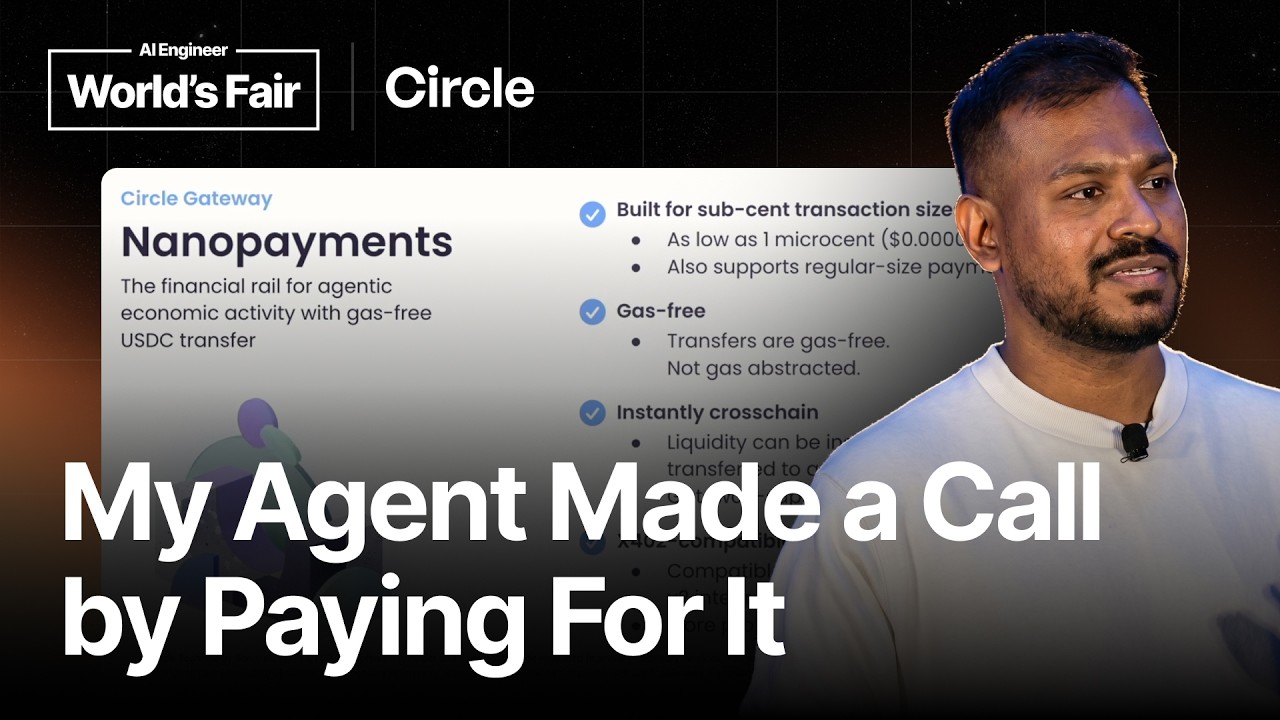
Harshal Bhangale from Circle demonstrates how AI agents equipped with a digital wallet, powered by USDC and Circle's Nanopayments, can autonomously pay for microtransactions at high frequency. He contrasts this with traditional payment methods and blockchain limitations, showing how funded agents successfully execute complex tasks (like trip planning with email and phone calls) that unfunded agents cannot, emphasizing the need for real-time, low-cost payment infrastructure for the agentic economy.