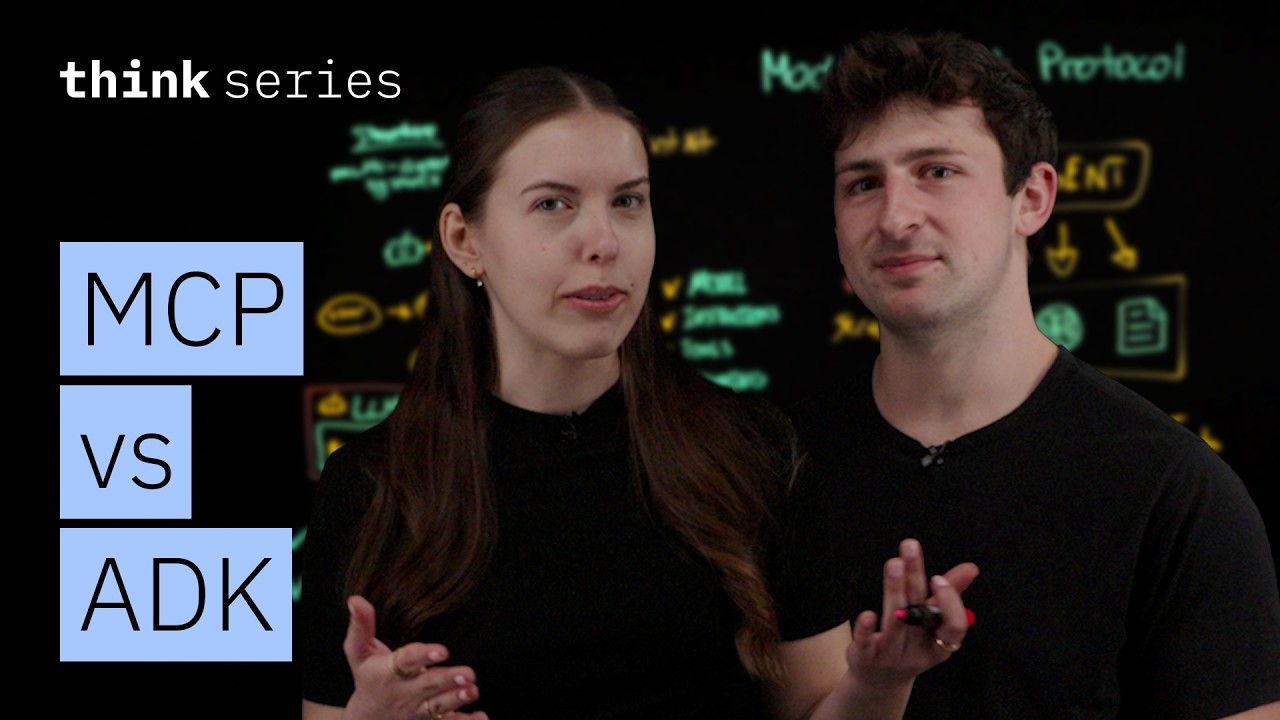
MCP vs ADK: How Modern AI Agents Connect and Work Together
AI agents are having a moment, and understanding MCP and ADK is key to building them well. Cedric Clyburn and Anna Gutowska explain how MCP powers tool integration while ADK structures reliable multi‑agent systems 🤖. Learn when to use each to build more capable and predictable AI agents.
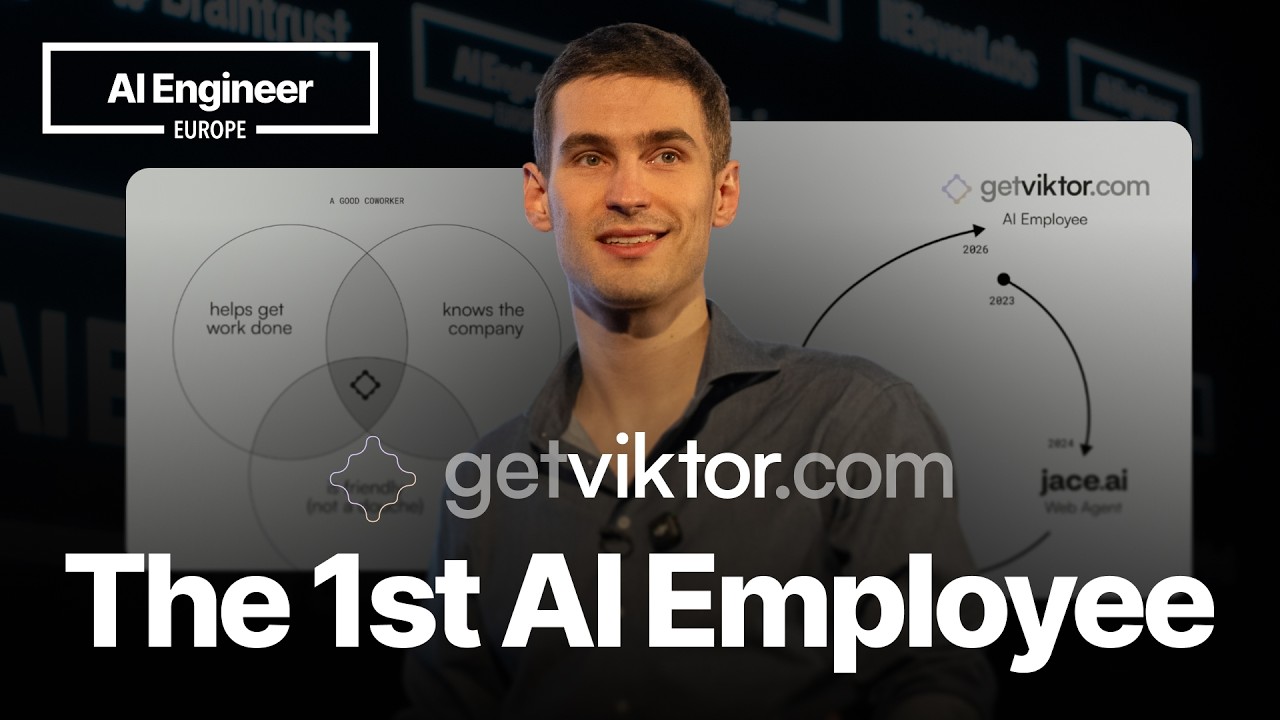
Viktor: AI Coworker That Lives in Slack — Fryderyk Wiatrowski
This talk explores the journey of building Viktor, an AI employee that lives entirely in Slack. It details the unique challenges of scaling an AI agent from a personal tool to a company-wide coworker, focusing on memory isolation, context management across different Slack interactions (DMs, channels, threads), and the surprising importance of the AI's personality for user adoption.
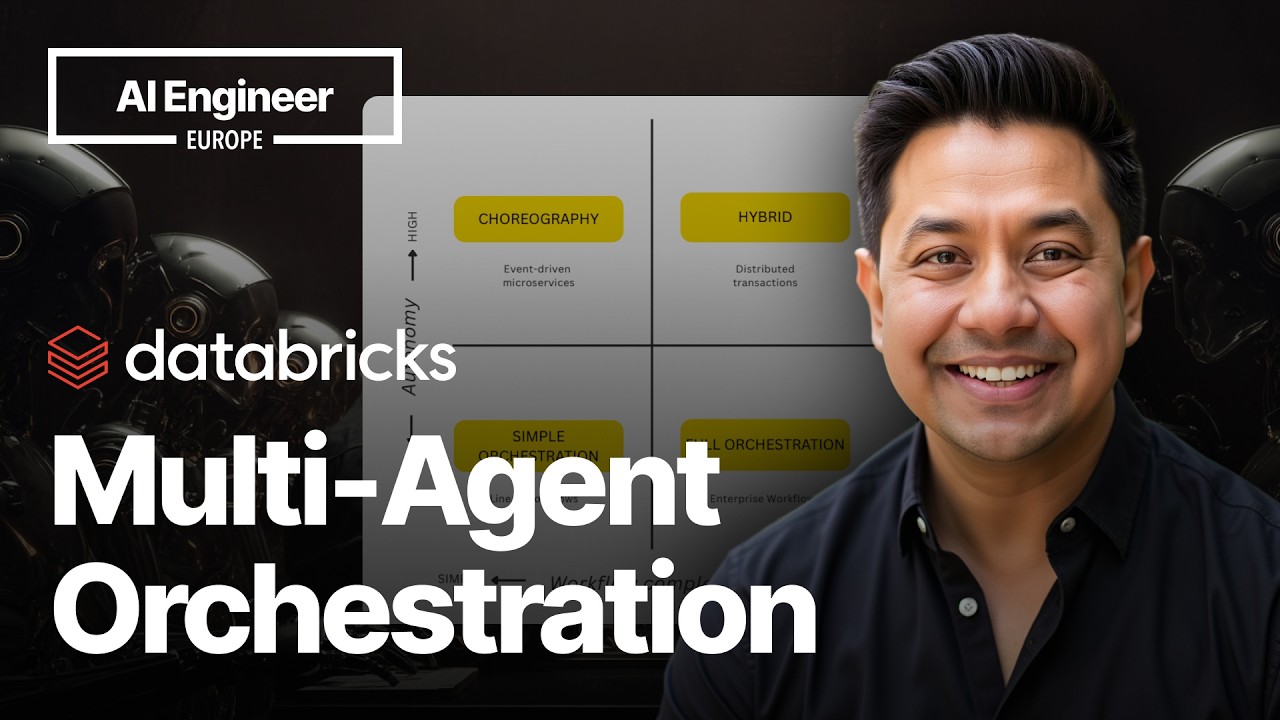
From Chaos to Choreography: Multi-Agent Orchestration Patterns That Actually Work — Sandipan Bhaumik
Sandipan Bhaumik from Databricks explains that scaling from one to many AI agents is a distributed systems problem, not an AI one. He details common architectural anti-patterns like shared mutable state that cause race conditions and silent failures. The talk provides a practical framework based on distributed systems engineering, covering crucial patterns like choreography vs. orchestration, immutable state management with versioning, data contracts, and failure recovery using circuit breakers and compensation (Saga) patterns. Bhaumik illustrates how to build a robust, production-grade multi-agent architecture using tools like Databricks, LangGraph, and MLflow.
Large-scale agentic quant research with Weights & Biases
Explore how Weights & Biases (W&B) enhances reliability, reproducibility, and explainability in large-scale, agent-driven quantitative research. This video demonstrates two core applications: debugging multi-agent alpha research pipelines with W&B Weave to identify root causes and iterate on forecasts, and automating strategy optimization using W&B Models to tune agent weights and gain insights from performance convergence and parallel coordinate plots.
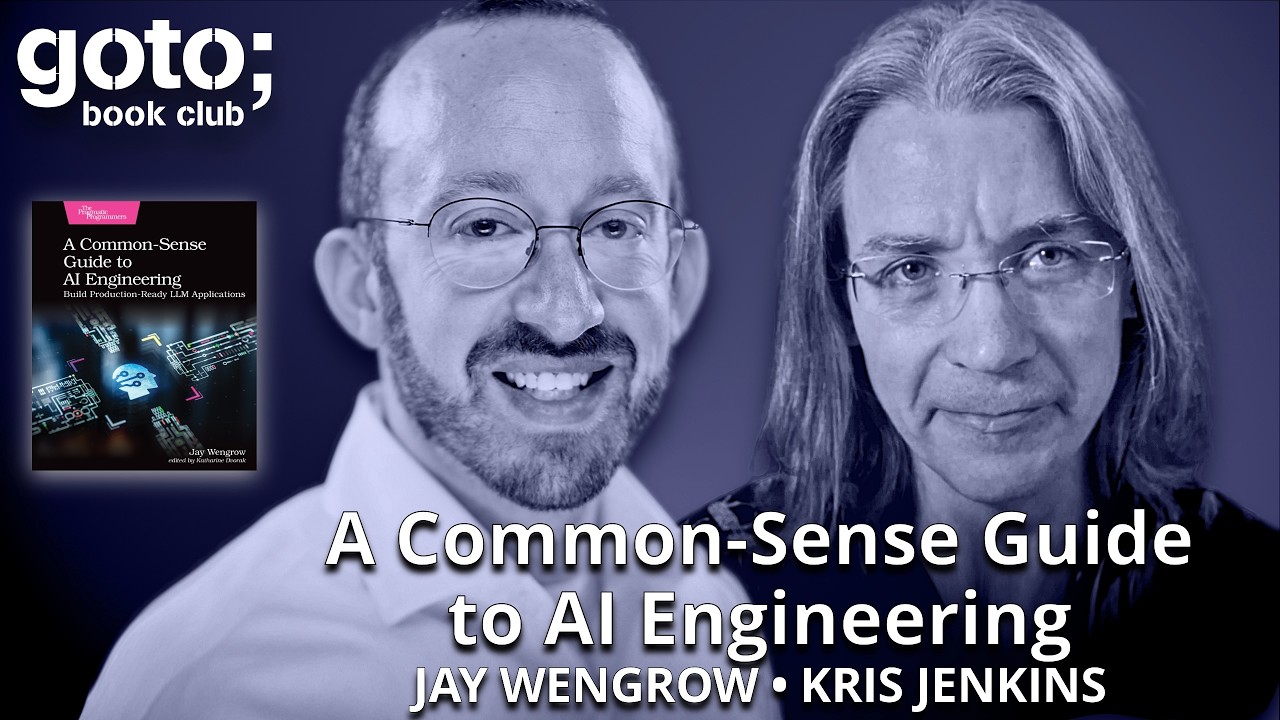
A Common-Sense Guide to AI Engineering • Jay Wengrow & Kris Jenkins • GOTO 2026
Jay Wengrow, author of “A Common-Sense Guide to AI Engineering,” breaks down how AI agents work, describing the 'clever hack' of intercepting LLM output to trigger functions. The discussion covers multi-agent architectures for complex tasks, implementing guardrails with regex and judge LLMs, and a pragmatic take on when to use frameworks versus building from scratch. Wengrow emphasizes understanding fundamentals over specific tools to create robust, production-ready AI applications.
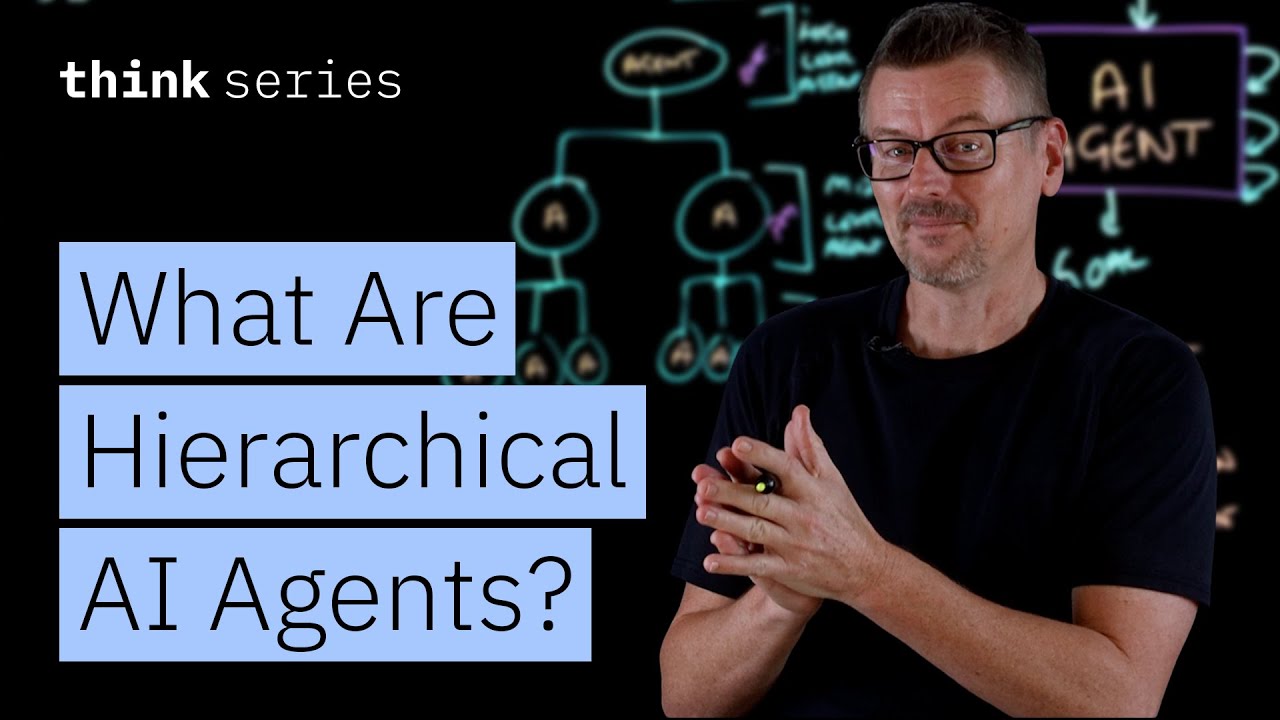
What Are Hierarchical AI Agents? Solving Context & Task Challenges
Explores the challenges of single AI agents, such as context dilution and tool overload, and introduces hierarchical AI agents as a solution. This summary details the structure, benefits, and limitations of multi-agent systems for more scalable and efficient AI workflows.