Multi agent systems

A2A vs MCP: AI Agent Communication Explained

A2A vs MCP: AI Agent Communication Explained

Discover how A2A (Agent2Agent) and MCP (Model Context Protocol) solve critical challenges in AI agent ecosystems. A2A enables seamless communication and collaboration between diverse AI agents, while MCP standardizes an agent's access to external tools and data, fostering robust and interoperable AI workflows.
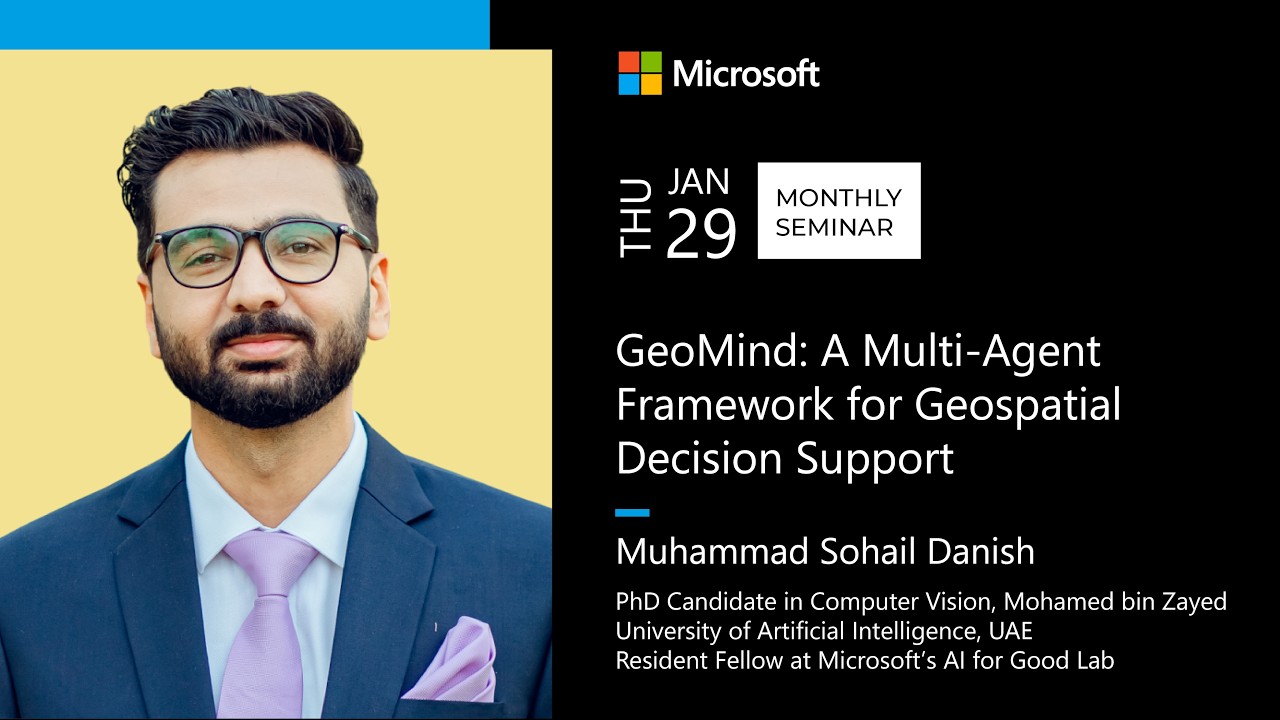
GeoMind: A Multi-Agent Framework for Geospatial Decision Support

GeoMind: A Multi-Agent Framework for Geospatial Decision Support

GeoMind is a multi-agent framework designed to empower non-technical users, such as disaster responders, to perform complex geospatial analysis using natural language. It bridges the gap between Large Language Models and advanced GIS workflows by employing a team of specialized AI agents that can query, join, and analyze multi-layered vector and raster data to provide timely, actionable insights during emergencies.

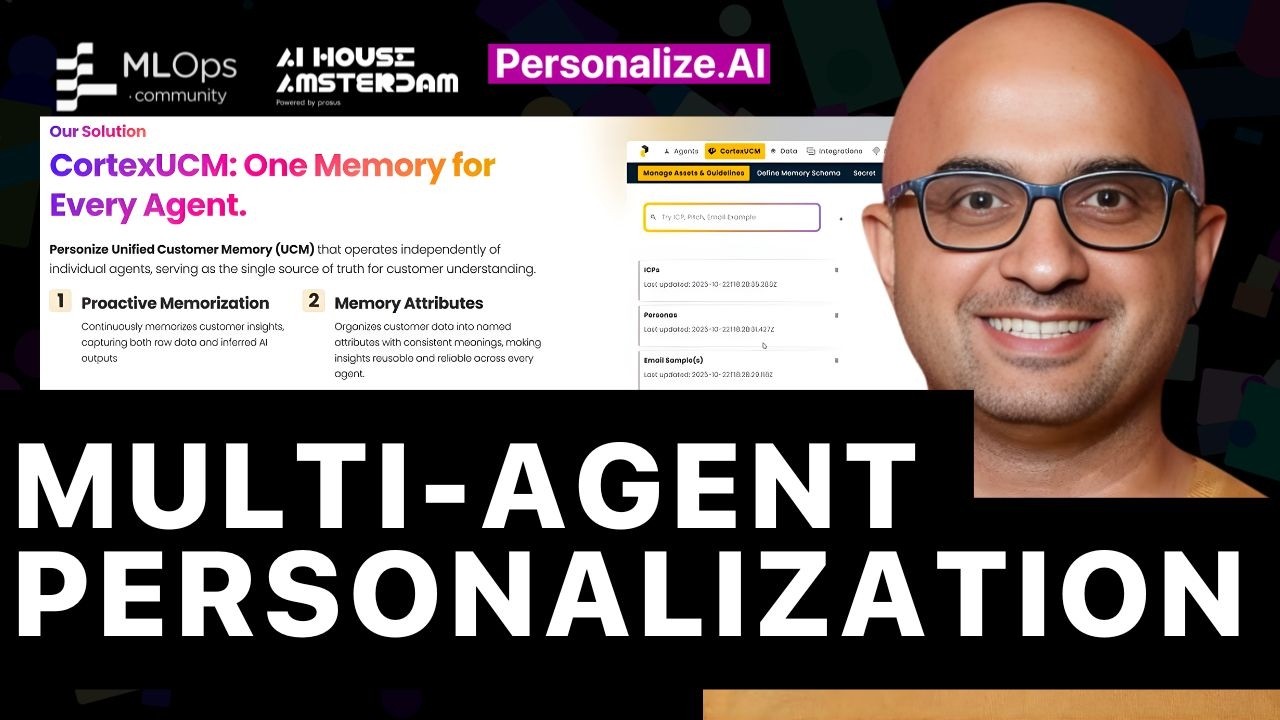
Multi-Agent Personalization with Shared Memory: From Email to Website to Proposal // Hamed Taheri

Multi-Agent Personalization with Shared Memory: From Email to Website to Proposal // Hamed Taheri

This talk explores the challenges of using multi-agent systems for mass personalization, highlighting the inconsistencies and inaccuracies that arise from traditional methods like RAG and function calling. The speaker introduces Cortex UCM, a unified customer memory system that proactively infers and standardizes customer insights. This shared, structured memory layer enables agents to achieve a deep, consistent understanding of customers, leading to high-quality, scalable generative personalization for emails, websites, and product pages.

Introducing Our Approach to Design Document Review Using Business-Specific Large Language Models

Introducing Our Approach to Design Document Review Using Business-Specific Large Language Models

Hitachi's Financial Business Unit developed a specialized LLM to automate the review of system design documents, addressing the inadequacy of general-purpose AI for mission-critical systems. This presentation details the model's development using Continued Pre-training and LoRA on proprietary data, its integration into a multi-agent architecture, and the use of Weights & Biases for MLOps, which led to a 70% reduction in manual review workload.

Structured Dissent Patterns for Agentic Production Reliability

Structured Dissent Patterns for Agentic Production Reliability

This talk introduces 'structured dissent,' a multi-agent orchestration pattern where believer, skeptic, and neutral agents debate decisions to overcome the 'confidently wrong' failure mode of single-agent LLM systems, improving reliability for high-stakes tasks like cybersecurity analysis.

Multi-Agent Systems for the Misinformation Lifecycle

Multi-Agent Systems for the Misinformation Lifecycle

A detailed overview of a modular, five-agent system designed to combat the entire lifecycle of digital misinformation. Based on an ICWSM research paper, this practitioner's guide details the roles of the Classifier, Indexer, Extractor, Corrector, and Verifier agents. The system emphasizes scalability, explainability, and high precision, moving beyond the limitations of single-LLM solutions. The talk covers the complete blueprint, from agent coordination and MLOps to holistic evaluation and optimization strategies for production environments.