Innovation

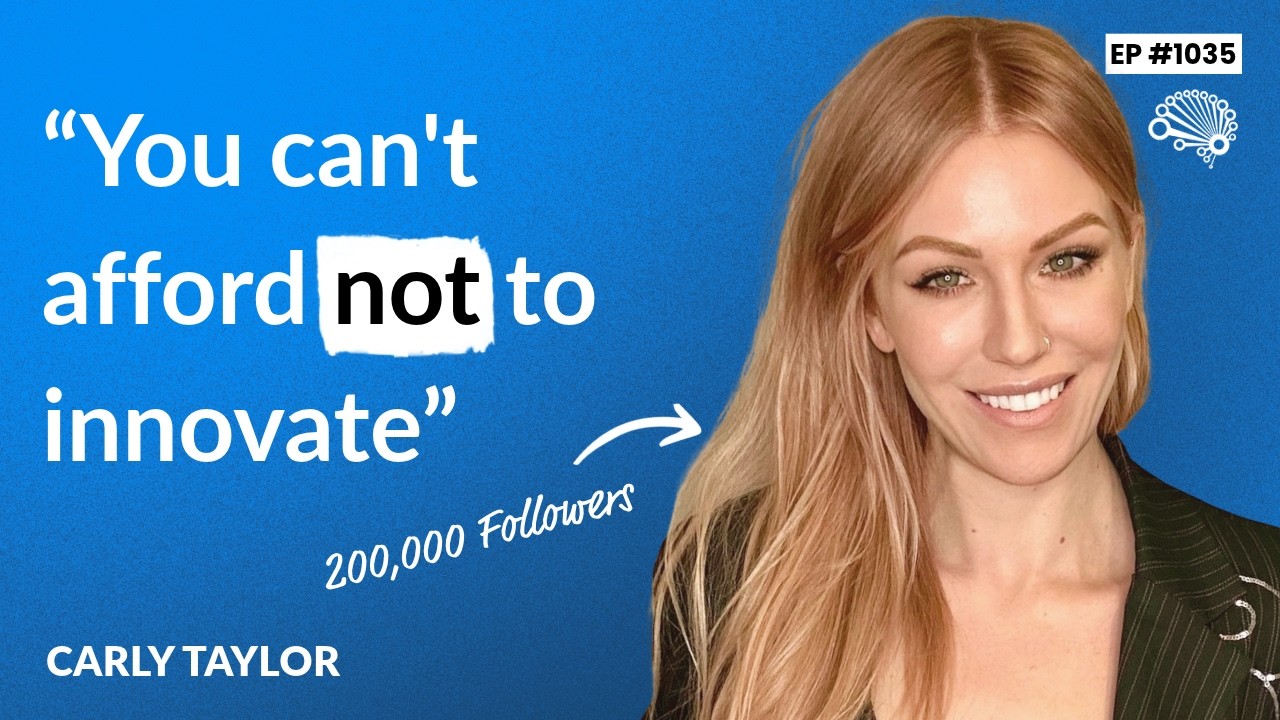
The Section That Gives Away AI-Written Docs (with Carly Taylor)

The Section That Gives Away AI-Written Docs (with Carly Taylor)

Carly Taylor, a prominent engineering leader and founder of Rebel Data Science, discusses strategies for thriving amidst rapid AI advancements, the importance of authenticity and identifying "AI slop," balancing innovation with operational maintenance, and overcoming fear through embracing discomfort. She also addresses the "glass cliff" phenomenon for women in leadership and how to effectively leverage AI without sacrificing critical thinking.
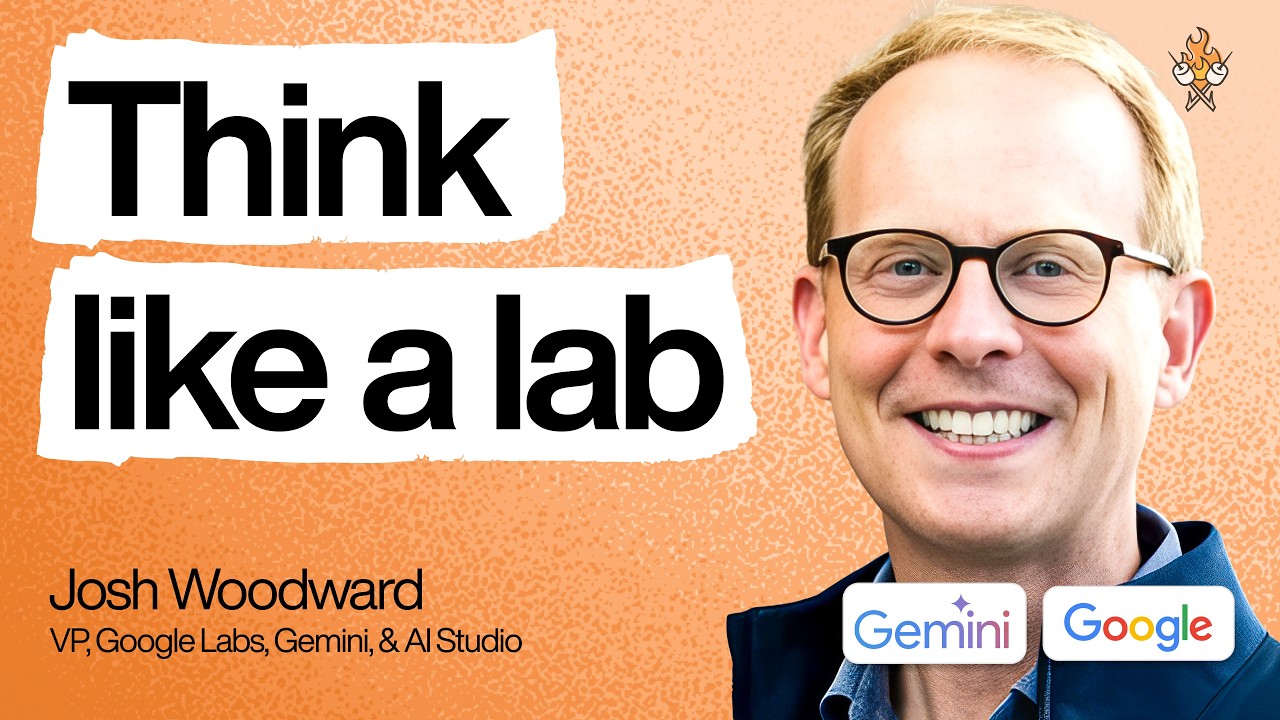
Why every company now needs to think and operate like a lab team | Josh Woodward (VP Google Labs)

Why every company now needs to think and operate like a lab team | Josh Woodward (VP Google Labs)

Josh Woodward, head of Google Labs, the Gemini app, and AI Studio, explains why every company needs to operate like a labs team in the AI era. He covers where great ideas really come from, the almost-possible framework, how to recognize product-market fit by watching people's eyes, when to kill an idea, the skills rising in value such as unlearning rate and explosive endurance, why roles are not collapsing into a single builder, and how to structure an internal lab that graduates ideas without being crowded out.

Raise the ceiling: how to scale intent, quality, and artistry with Al | Katie Dill (Stripe)

Raise the ceiling: how to scale intent, quality, and artistry with Al | Katie Dill (Stripe)

Katie Dill from Stripe discusses how the rapid advancements in AI risk leading to "zombie UI" – generic, uncared-for digital products. She draws parallels to post-WWII architecture, highlighting the dangers of building without intentionality or a clear point of view. Dill then offers four key recommendations for developers and designers to leverage AI not just for speed, but to create original, soulful, and user-centric products: defining a strong point of view, encoding quality standards directly into AI tools, embracing meticulous editing beyond the first AI-generated draft, and actively using AI to foster new forms of creativity and unique interfaces.

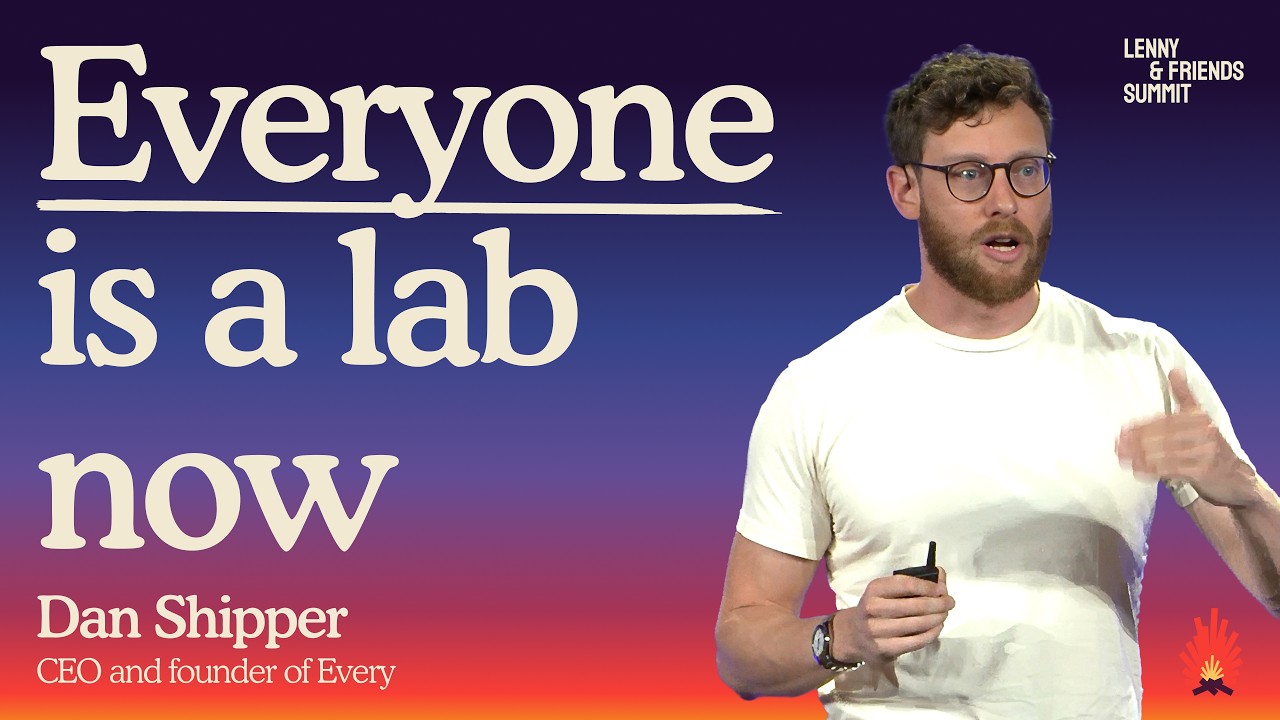
How to build products on a moving frontier | Dan Shipper (Every)

How to build products on a moving frontier | Dan Shipper (Every)

Dan Shipper, co-founder and CEO of Every, advocates for a dedicated 'labs team' to navigate the rapid evolution of AI capabilities. He argues that traditional product development struggles with the 'moving frontier,' proposing a model where a small, experimental lab explores new AI ideas and capabilities, while the main product team focuses on scaling existing offerings. Shipper outlines how to establish and run such a lab, from team composition ('pirates' and 'architects') to rigorous experimentation, dogfooding, and a structured pipeline for integrating successful innovations into the core product, enabling continuous disruption and growth.

The Signal Layer: What to Build When Anything Can Be Built — Lena Hall, Akamai

The Signal Layer: What to Build When Anything Can Be Built — Lena Hall, Akamai

Lena Hall explores the paradox of AI's abundance: while it grants immense leverage, it also makes average work valueless as competitors gain the same capabilities. She argues that AI, acting as a "convergence machine," produces identical answers from common knowledge. The true challenge shifts from building to "pointing"—deciding which problems are worth solving. Hall emphasizes that "taste" is trainable by AI, but genuine "judgment" about future events or unique customer relationships is not. She identifies critical points of signal distortion in startups and large organizations and advocates for engineering a "thin signal layer" to preserve unique intent. Ultimately, in a world of infinite alternatives, the scarcest and most valuable commodity is trust, which cannot be automated or graded.

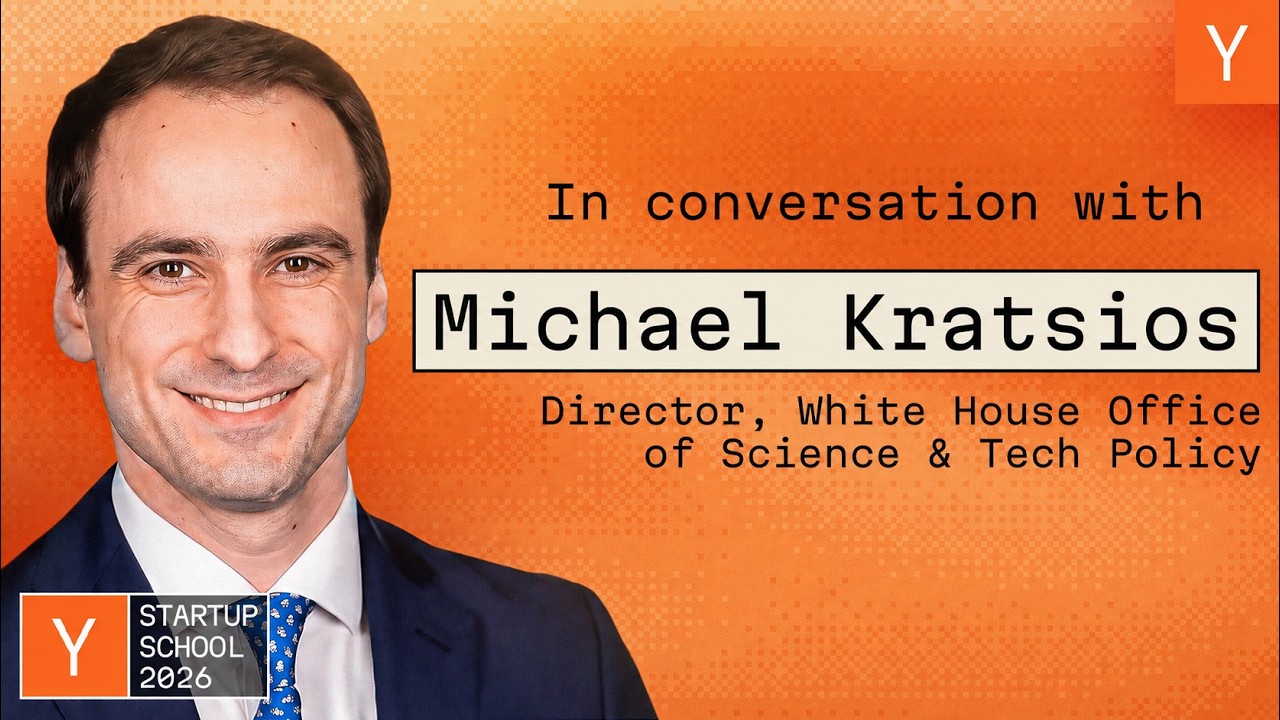
Michael Kratsios: Inside the White House's AI Strategy

Michael Kratsios: Inside the White House's AI Strategy

Michael Kratsios, from Scale AI and the White House, discusses US AI policy, advocating for open-source AI, flexible regulation, and supporting startups against incumbent moats. He outlines the White House's vision for AI-driven scientific discovery and the future focus on Quantum Information Science, while urging Congress to legislate on preemption and IP. He concludes with a call for technologists to engage in public service.