Digital twins

Why 95% of All AI Projects Fail - Boris Scharinger | Podcast #174

Why 95% of All AI Projects Fail - Boris Scharinger | Podcast #174

Boris Scharinger, Industrial AI Strategist at Siemens and author of "Industrial AI: From Pilot to Profit," discusses why 95% of AI proofs of concept fail in industrial settings. He highlights the 5-10x cost multiplier from pilot to production, the critical role of the "harness" around AI models, and the unique challenges of data access and legacy systems in physical environments. Scharinger advocates for a two-tiered investment strategy, separating foundational data capabilities from use-case-specific ROI, and addresses cultural resistances from engineers. He provides guidance on differentiating commodity from strategic AI applications and how to effectively scale industrial AI for profit.
How Outset Turned AI Interviews Into a New Category

How Outset Turned AI Interviews Into a New Category

Outset's CEO Aaron Cannon discusses pioneering AI-moderated customer research, detailing the challenges of building a new market category, the transformative impact of advancing AI models on product capabilities and customer insights, and their new Simulations Lab featuring "digital twins" for predicting human behavior and unblocking enterprise creativity.

πŸ”¬ The Physical World Is More Forgiving Than You Think β€” Anima Anandkumar, Caltech

πŸ”¬ The Physical World Is More Forgiving Than You Think β€” Anima Anandkumar, Caltech

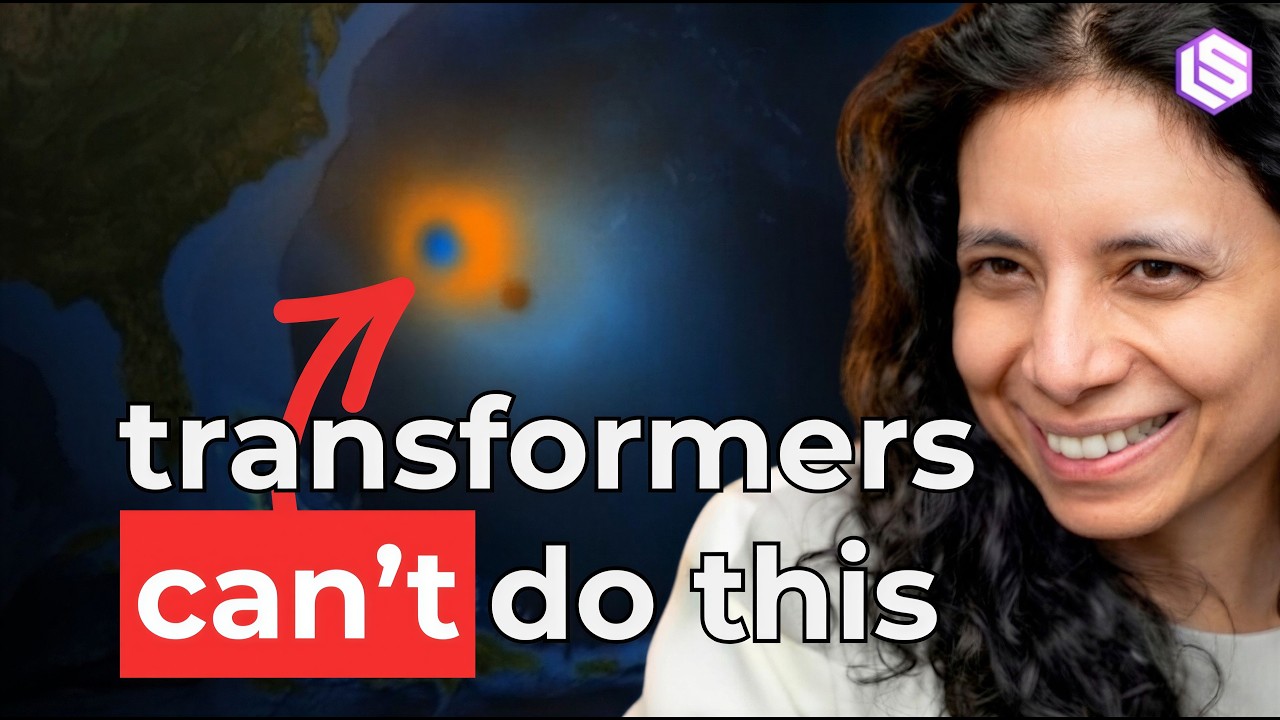
Anima Anandkumar discusses her vision for AI in science, moving beyond language models to apply machine learning to the physical world. She introduces neural operators, especially Fourier neural operators, as a solution to data scarcity and resolution challenges in domains like weather, climate, and fusion. These models integrate physical constraints and data to achieve unprecedented speed and accuracy, even on consumer hardware, enabling capabilities from early hurricane prediction to digital twins for fusion reactors and inverse design for advanced materials. The conversation highlights the need for principled AI design for scientific discovery and advocates for distinct regulatory approaches for AI in science.

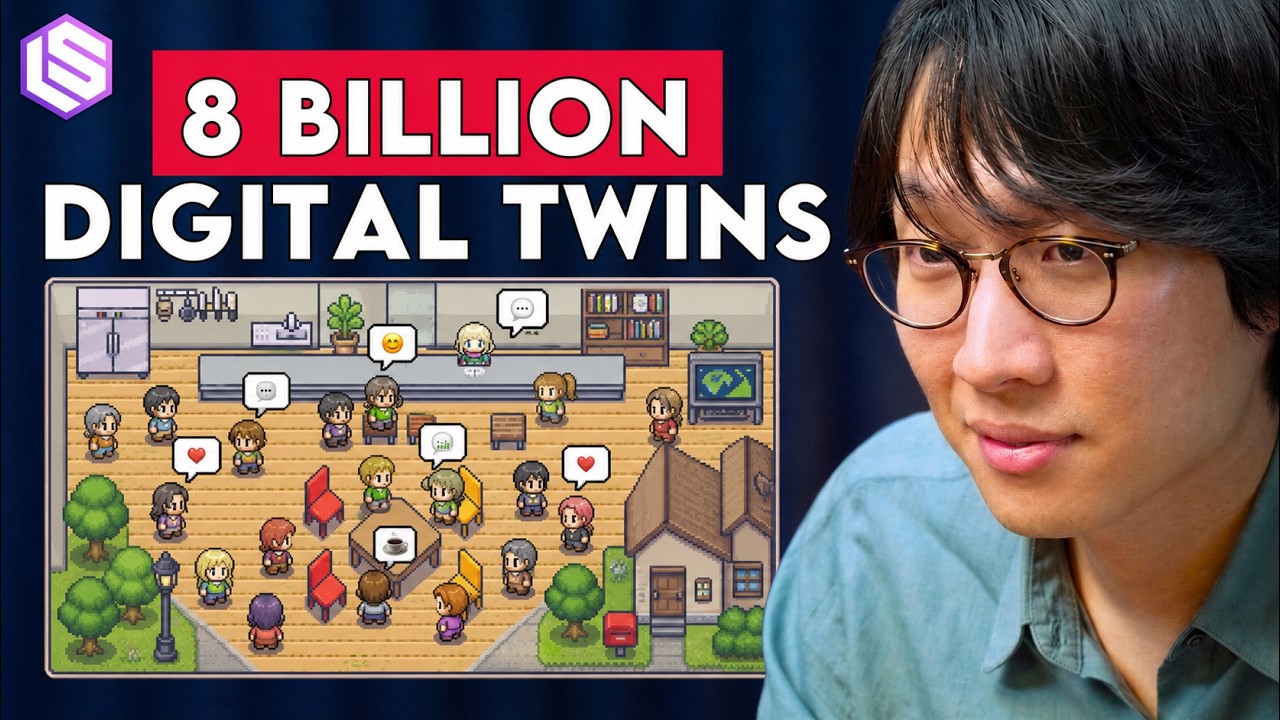
Simulating Humanity: from Generative Agents to 8 Billion Digital Twins β€” Joon Sung Park, Simile AI

Simulating Humanity: from Generative Agents to 8 Billion Digital Twins β€” Joon Sung Park, Simile AI

Joon Sung Park, co-founder and CEO of Simile, traces his path from painting to the Smallville generative agents paper and explains how Simile builds behavioral foundation models and digital twins. The conversation covers why frontier models fail to reproduce irrational human behavior, the role of interviews, observational data, and randomized controlled trials, the 85% accuracy result, scaling laws for simulation, Schelling's agent-based models, the economics of simulating large populations, and the long-term vision of simulating 8 billion people to tackle problems like climate change and democratic instability.

949: Why AI Keeps Failing Society, with Stanford professor β€” with Alex β€œSandy” Pentland

949: Why AI Keeps Failing Society, with Stanford professor β€” with Alex β€œSandy” Pentland

Professor Alex 'Sandy' Pentland discusses his new book, *Shared Wisdom*, and the critical risks AI poses to society. He draws parallels between the AI-driven collapse of the Soviet Union and today's challenges, arguing that AI systems fail due to poor models of society, not poor algorithms. Pentland introduces solutions like 'loyal agents' that serve individuals, 'data unions' to rebalance power, and new governance models based on open audit trails to ensure AI operates fairly and safely on a global scale.