Ai development

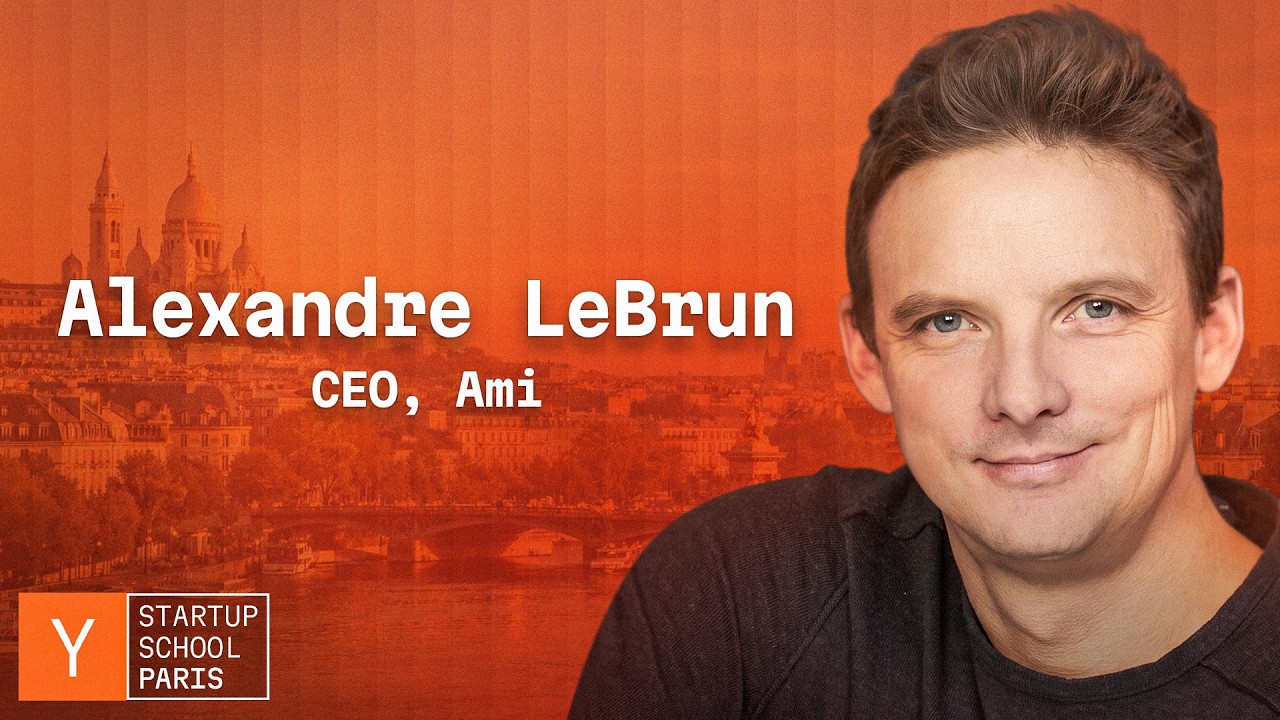
What Big Tech Missed And How Startups Can Still Win

What Big Tech Missed And How Startups Can Still Win

Alexandre LeBrun, CEO of AMI Labs, discusses his career building and selling AI companies, emphasizing his strategy of tackling problems "20 years too early." He delves into AMI Labs' contrarian bet on "world models" over traditional LLMs, highlighting their ability to learn directly from real-world sensory data, unlike LLMs which learn from human-written text. LeBrun explains how this approach is critical for developing intelligent robots and avoiding the pitfalls of Vision-Language Assistants (VLAs). He also touches upon the challenges of securing talent, data, and compute for such an ambitious project, the strategic choice of location, and the importance of holding an extremely large vision while solving a narrow problem for early founders.
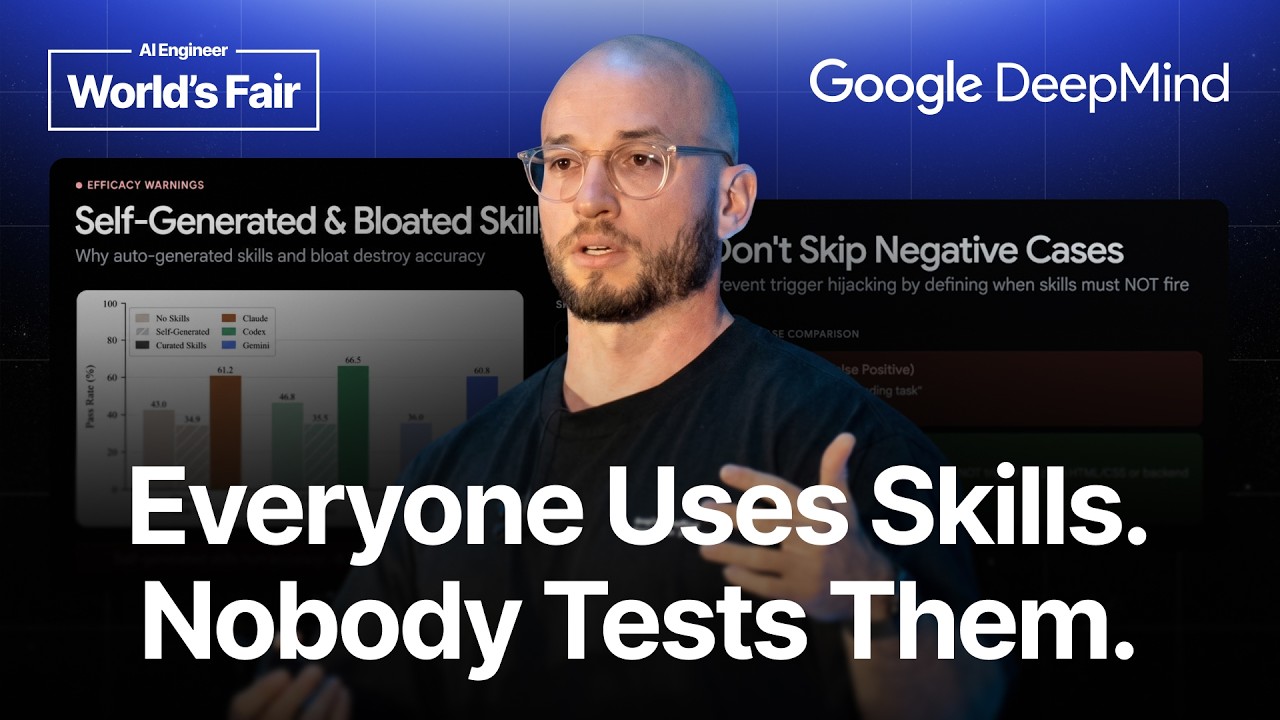
Don't Ship Skills Without Evals — Philipp Schmid, Google DeepMind

Don't Ship Skills Without Evals — Philipp Schmid, Google DeepMind

Philipp Schmid from Google DeepMind emphasizes the critical, often-overlooked need for rigorous evaluation of AI agent skills. He argues that shipping skills without testing is akin to deploying code without unit tests, leading to unreliable agent behavior. The talk covers what defines an agent skill, strategies for writing effective and correctly triggering skills, and a practical guide to building lightweight evaluation harnesses to catch failures proactively.

India Can Create The Largest AI Companies

India Can Create The Largest AI Companies

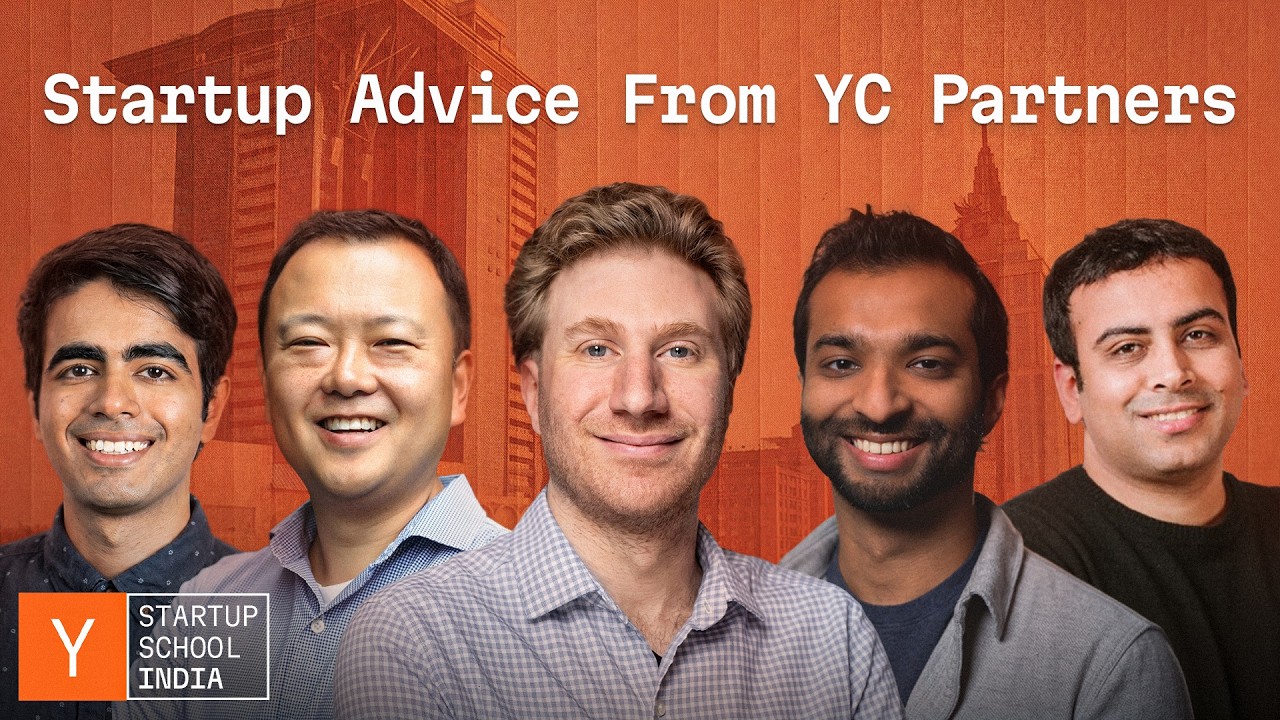
This panel from Startup School India explores why India's technical talent is poised to lead the global AI wave, challenging traditional career advice. It highlights Y Combinator's focus on young, high-agency founders who leverage AI for rapid prototyping and embrace 'second mover advantage' to build global companies, emphasizing customer obsession and relentless resourcefulness.

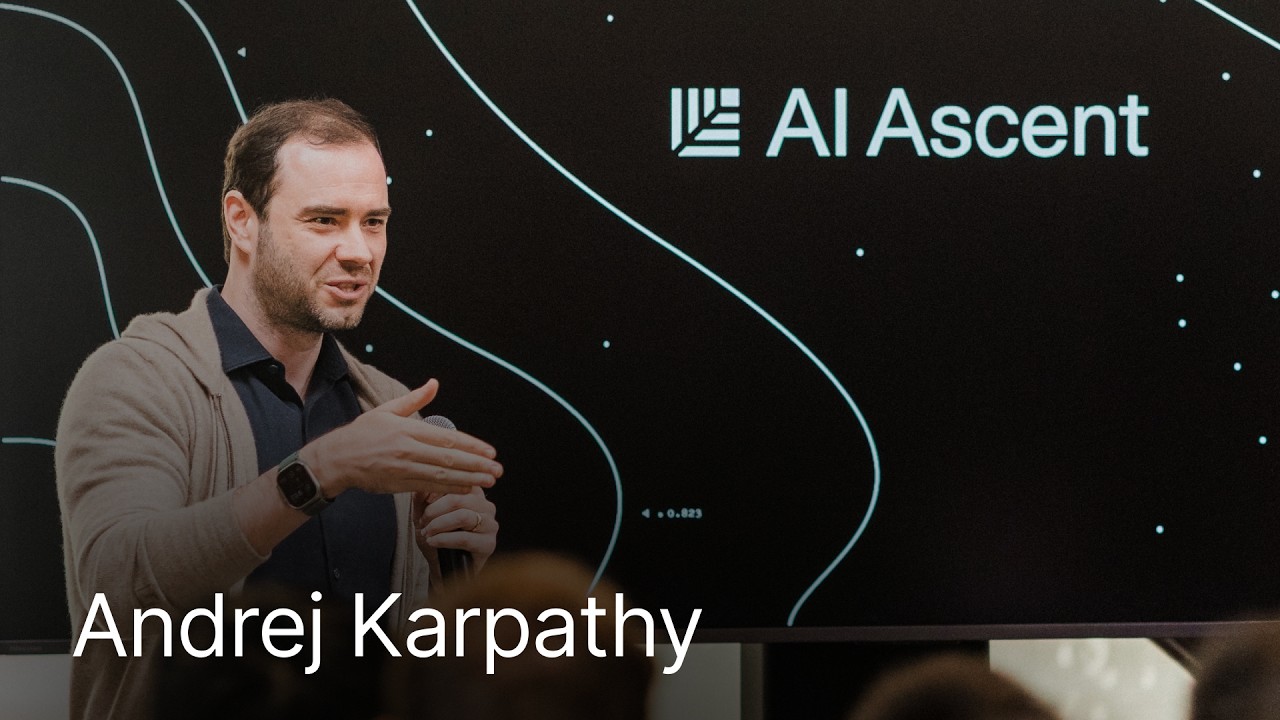
Andrej Karpathy: From Vibe Coding to Agentic Engineering

Andrej Karpathy: From Vibe Coding to Agentic Engineering

Andrej Karpathy discusses the shift from 'vibe coding' to 'agentic engineering,' explaining why LLMs should be treated as 'ghosts'—jagged, statistical entities—rather than animals. He delves into the Software 3.0 paradigm, the limits of verifiability, and why human understanding remains the ultimate bottleneck in an age of outsourced thinking.

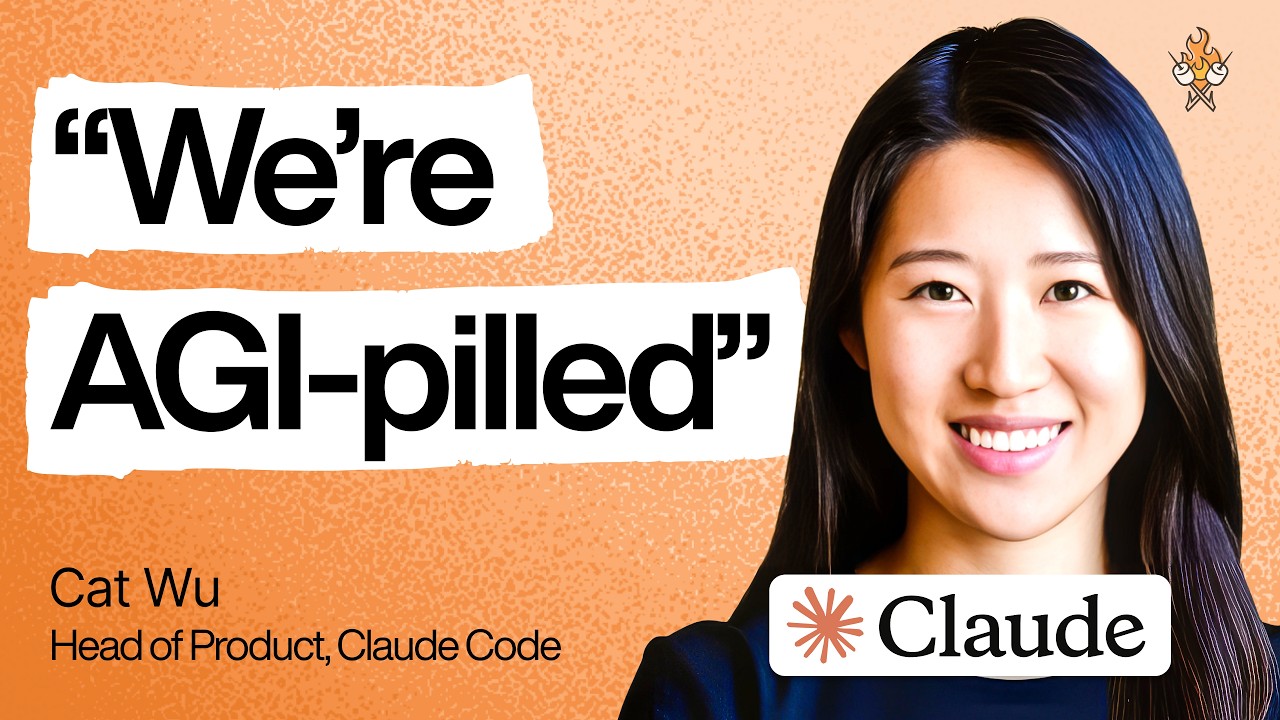
How Anthropic’s product team moves faster than anyone else | Cat Wu (Head of Product, Claude Code)

How Anthropic’s product team moves faster than anyone else | Cat Wu (Head of Product, Claude Code)

Cat Wu, Head of Product at Anthropic, discusses the radical shift in product development velocity, where shipping cadences have moved from months to days. She details the emerging skills required for AI PMs, emphasizing product taste, rapid iteration, and the importance of building for current, not future, model capabilities. Wu also explores Anthropic's unique mission-driven culture and provides practical advice for leveraging tools like Claude Code and Cowork to automate work and thrive in the AI era.

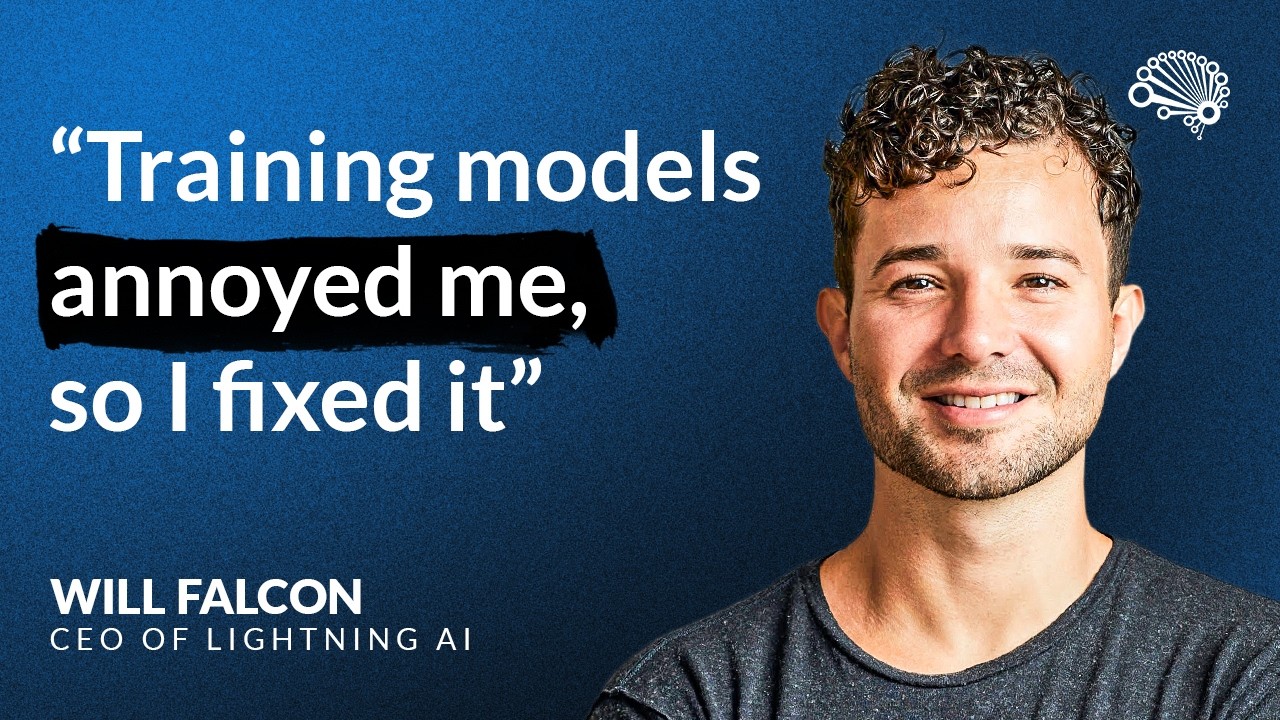
From PhD Side Project to $500M ARR: Will Falcon’s PyTorch Lightning Story

From PhD Side Project to $500M ARR: Will Falcon’s PyTorch Lightning Story

Will Falcon, CEO of Lightning AI, discusses the company's merger with Voltage Park to create a full-stack AI neo-cloud. He delves into the capabilities of Lightning AI Studio, a comprehensive platform for AI development, and recounts the origin story of PyTorch Lightning, from a personal research tool to a world-leading open-source framework.