Ai agents

The OWASP LLM Top 10 has a few surprises for you

The OWASP LLM Top 10 has a few surprises for you

This podcast episode breaks down the 2026 OWASP LLM Top 10, highlighting a significant rise in concern for 'Excessive Agency' over traditional prompt injection. It explores the discrepancies between practitioner fears and incident data, particularly regarding misinformation, and advocates for viewing security frameworks as tools for operationalization and cyber resilience, not just compliance. The discussion also covers CISA's new SBOM guidance, emphasizing the need to operationalize supply chain data for effective risk reduction, and shares Black Hat 2026 insights on AI agents as a new attack surface, introducing the concept of 'intent collusion' and underscoring the critical need for foundational security principles like least privilege.
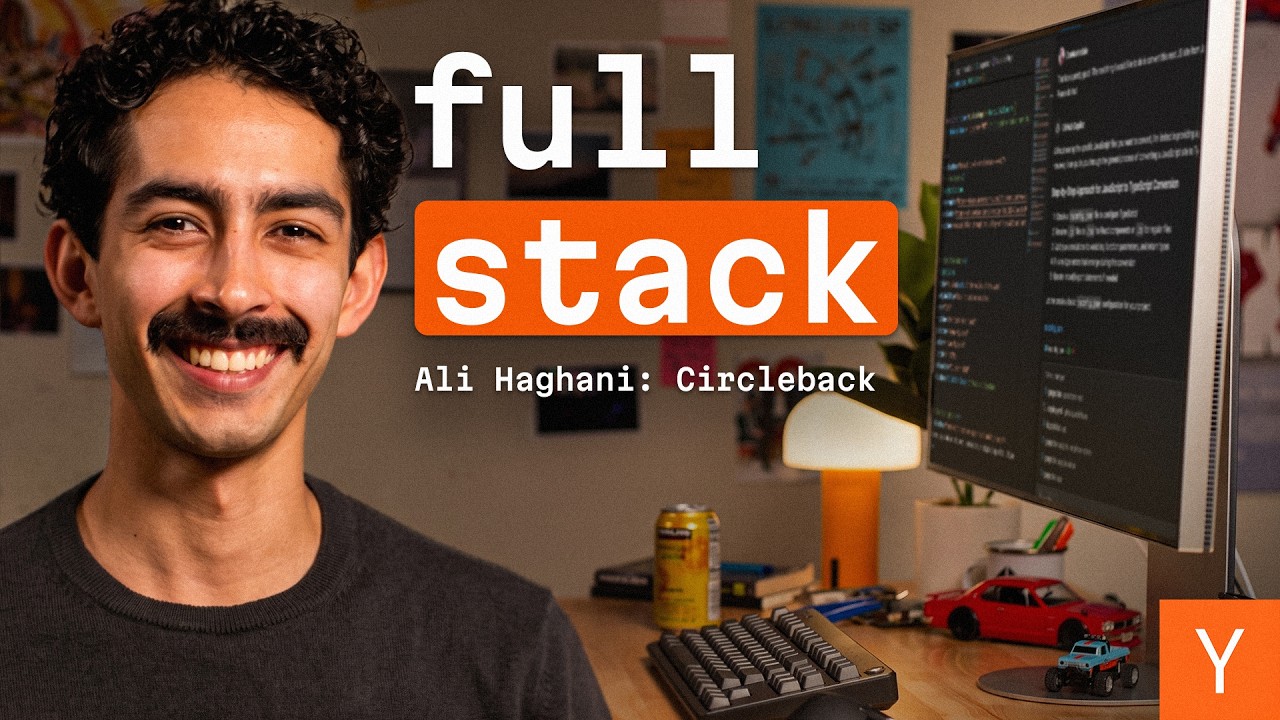
Circleback CEO Ali Haghani: Recording Company Meetings Will Become The Norm

Circleback CEO Ali Haghani: Recording Company Meetings Will Become The Norm

Ali Haghani, co-founder of CircleBack, shares his unique hardware setup and delves into how his AI notetaker streamlines business operations, from interview tracking to customer support. He discusses the shift from manual coding to AI-orchestrated development, the nuances of prompt engineering, and his vision for why recording meetings with AI is becoming essential for leveraging LLMs and agents effectively in enterprises, ultimately reshaping the future of software engineering.

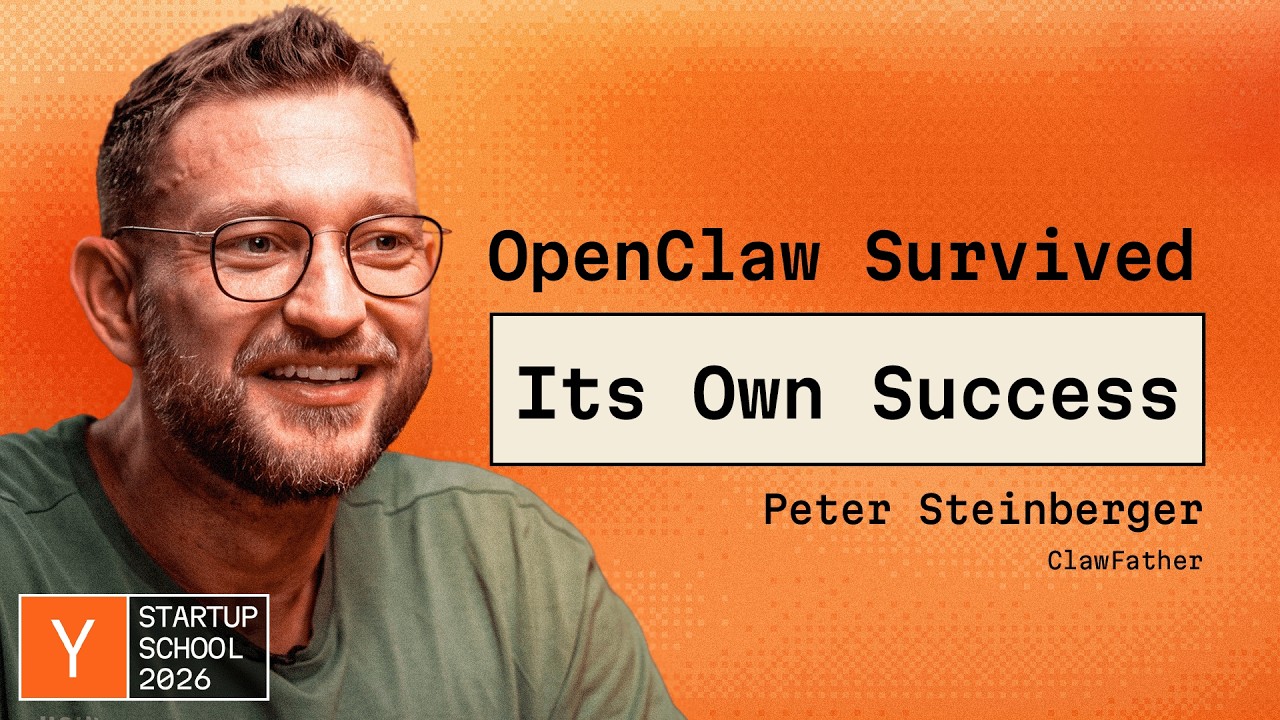
Peter Steinberger: What Happens When 4.7 Million People Let It Cook

Peter Steinberger: What Happens When 4.7 Million People Let It Cook

Peter Steinberger, founder of OpenClaw, shares the candid story of building one of the world's largest open-source AI projects. Starting from a personal annoyance, OpenClaw went viral, leading to both immense success and unforeseen challenges, including burnout, security pressures, and feature creep. He offers invaluable lessons on product-market fit, managing hyper-growth in open source, the peril of dependencies, and the philosophy that "fun is velocity" in building impactful technology.

Kavak's Playbook for Rebuilding a Company Around AI

Kavak's Playbook for Rebuilding a Company Around AI

Alejandro Maza Ayala, Chief Product & AI Officer at Kavak, details how the used-car marketplace transformed into an AI-native company. He explains the 'agent-per-customer' architecture, where individual agents handle 96% of customer interactions and 95% of transactions, outperforming human teams in sales (2.1x better conversion) and even acting as an 'AI CEO' that boosted profits by 50% in an experimental city. The discussion covers the need to redesign company structures, the importance of robust evaluations, and how a 'Jedi Academy' trains all employees, from executives to mechanics, to build and collaborate with AI agents. Ayala argues for 'creative destruction,' suggesting that true AI leverage comes from rebuilding organizations from the ground up, rather than incremental adoption, presenting a massive opportunity for new founders.

5 Best Practices for Building AI Agent Skills

5 Best Practices for Building AI Agent Skills

This video outlines five essential best practices for developing reliable, secure, and effective AI agent skills. It covers optimizing skill triggering through descriptive metadata, leveraging real-world domain expertise over generic LLM output, managing context windows efficiently by writing lean skills and using progressive disclosure, implementing deterministic logic with scripts for fragile operations, and critically vetting all skills for security vulnerabilities before deployment. These practices are crucial for professionals building robust agentic systems.

Multiplayer agentic engineering — Arjun Singh, Superconductor

Multiplayer agentic engineering — Arjun Singh, Superconductor

Arjun Singh, co-founder of Superconductor, discusses the six crucial lessons learned from integrating AI agents into their software development workflow. He emphasizes the importance of building "multiplayer agentic engineering" systems where human teams and AI agents collaborate seamlessly, focusing on model agnosticism, pervasive agent interfaces, transparent work visibility, automated signal-to-code conversion (like their "meeting bot"), secure isolated cloud environments, and internal code-base benchmarking to optimize cost, quality, and speed.