Agent harness

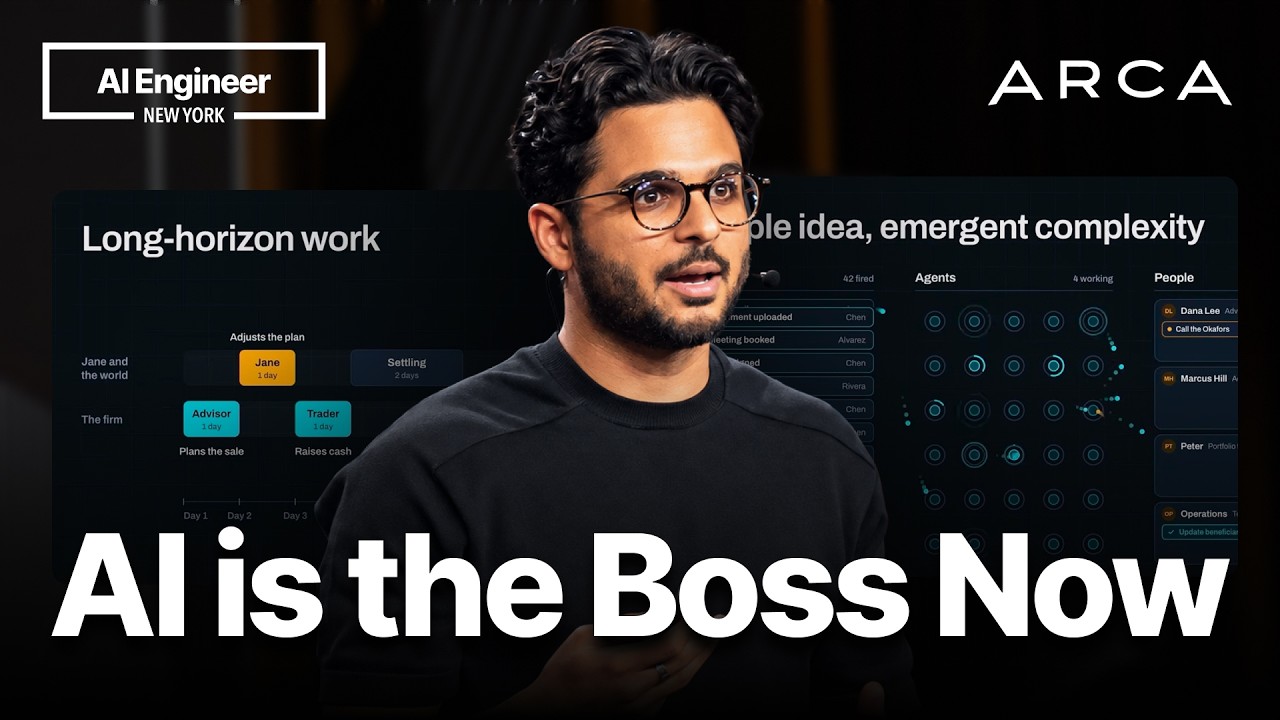
Inside Arca's Long-Horizon Agents That Run the Business - Aman Singh, Arca

Inside Arca's Long-Horizon Agents That Run the Business - Aman Singh, Arca

Arca, an AI-native financial services firm, runs its client business through long-horizon agents that own goals end to end across days of stop-start work. Aman Singh, who leads AI there, explains the signal system, operational context, harness, persistent memory, and shared spaces that let agents pull in people at the right moment, and why steering agents becomes the way to steer the business.
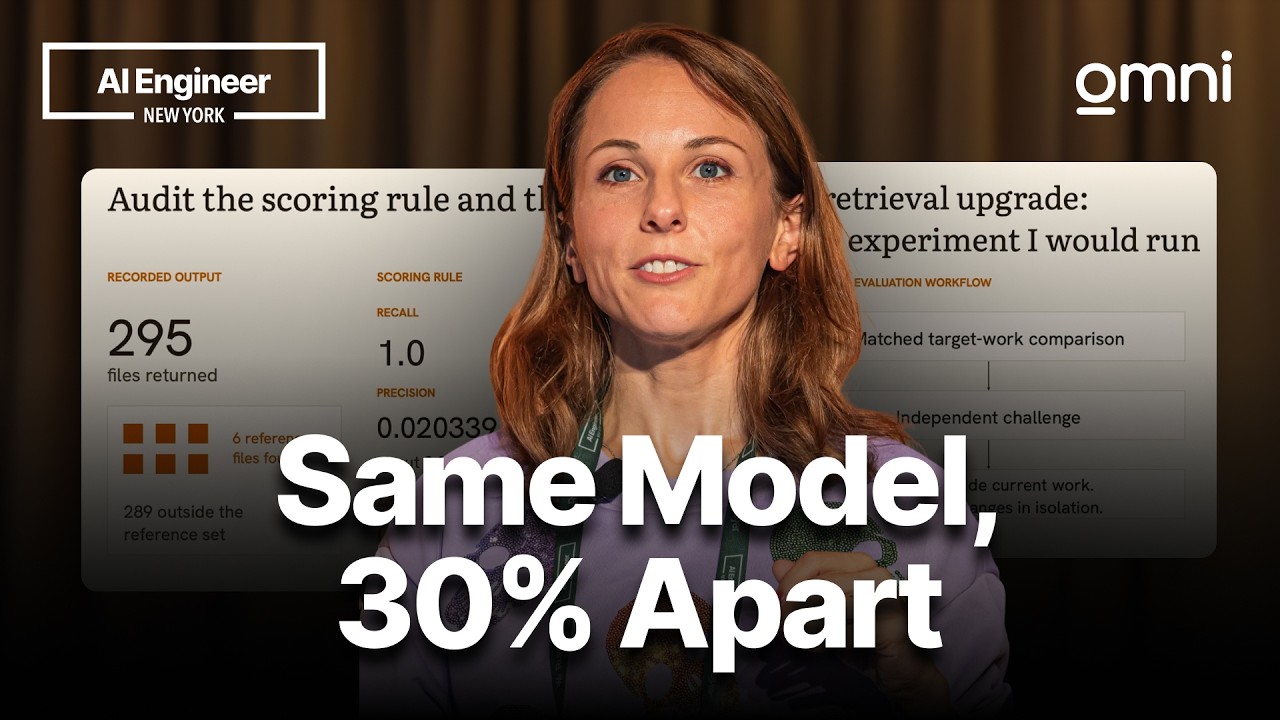
Don't Trust Your AI Agents. Test Them Like a Scientist — Stephanie Jarmak, Omni Analytics

Don't Trust Your AI Agents. Test Them Like a Scientist — Stephanie Jarmak, Omni Analytics

Stephanie Jarmak, who moved from astronomy into building coding benchmarks and agent evals, argues that most agent evaluations are easy to misread. She covers how harness choice can swamp model differences, why public benchmarks serve shortlisting rather than decisions, how to design experiment-style evals with realistic tasks, repeated runs, and full traces, and how to set quality gates, manage human review load, verify agent records, and treat production as the final test.

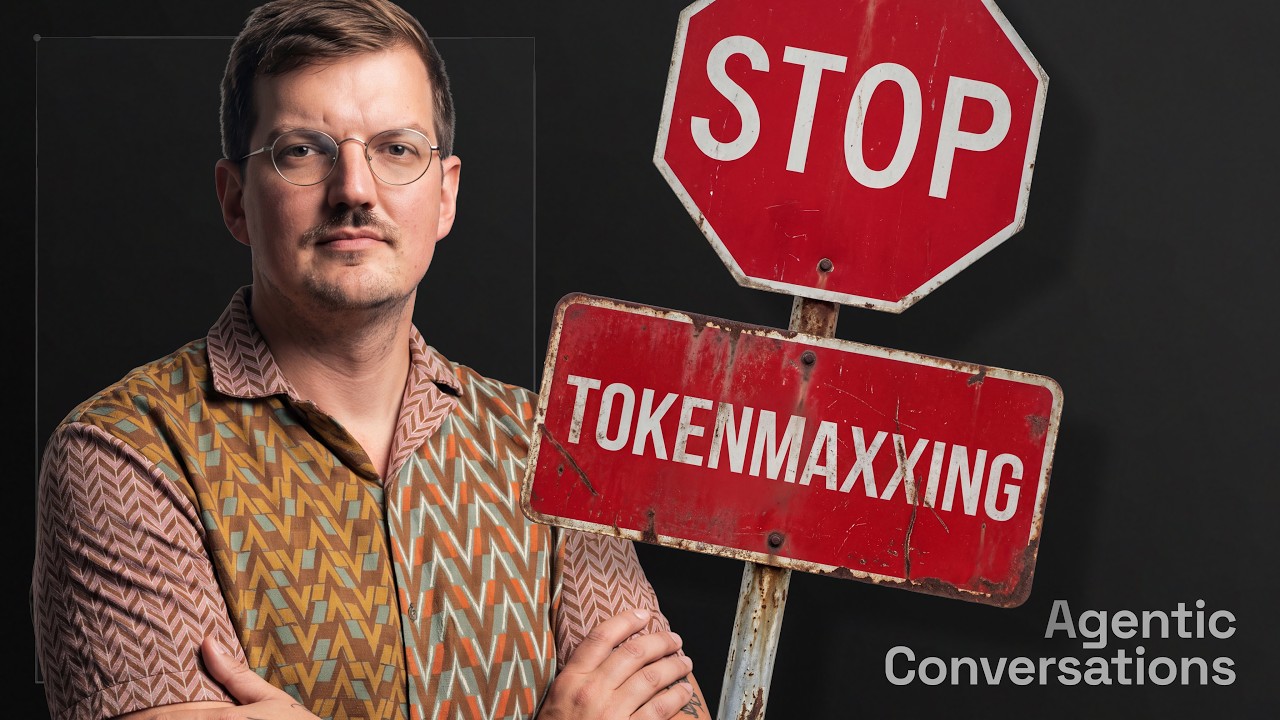
Token Maxxing Is Over and Here Is What Comes Next

Token Maxxing Is Over and Here Is What Comes Next

Pepijn Senders, a principal engineer and former AI enablement lead at HelloFresh, explains how his team rebuilt a banking platform in six months with about 800,000 lines of code, mostly written by Sonnet, and why choosing a model that keeps developers involved matters more than raw autonomy. He covers measuring AI ROI through token spend versus output, keeping humans in control of code, the risks of agent recommendations, team refinement sessions, prompt word effects, and a meta harness built on Claude Code.

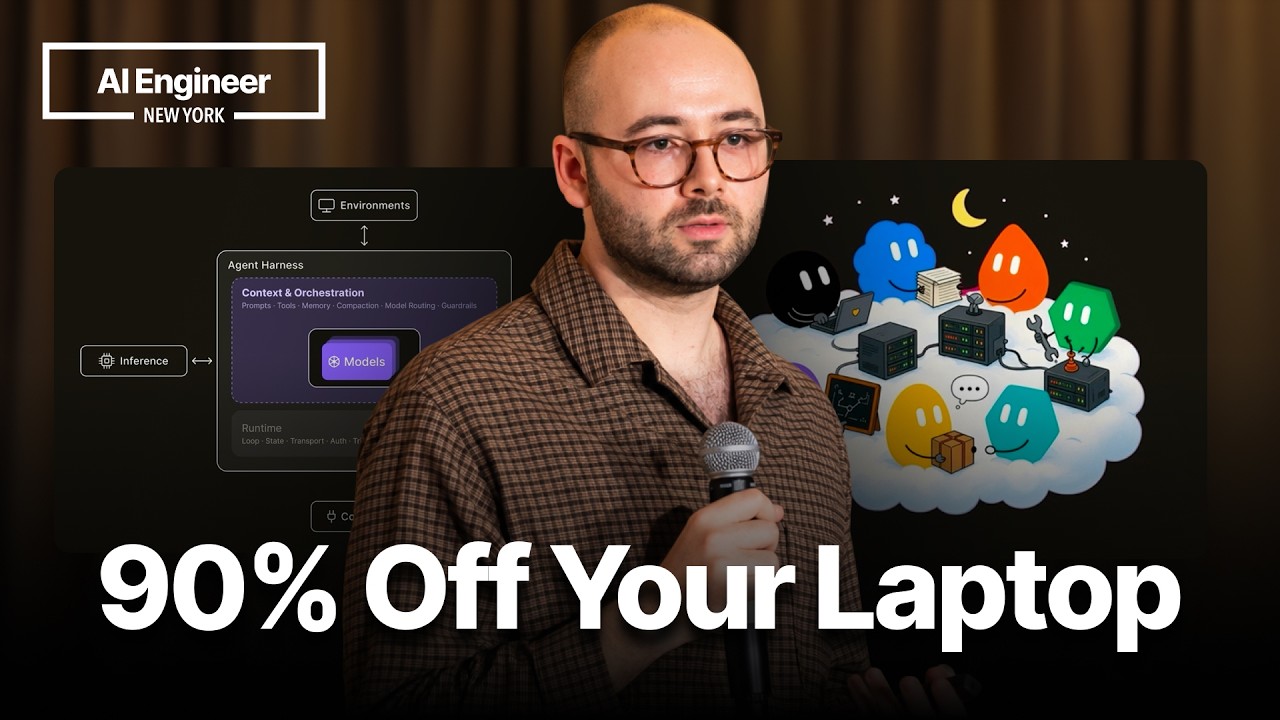
Smarter Models Killed the Harness. Here's What's Left — Jediah Katz, SpaceXAI

Smarter Models Killed the Harness. Here's What's Left — Jediah Katz, SpaceXAI

Jedidiah Katz, longtime agent-harness engineer at Cursor and now at SpaceX, argues that fancy harnesses no longer add coding intelligence because models absorb those skills through a data flywheel. He contends the harness matters more than ever: it unlocks new frontiers like Grokbot and owns infrastructure, trust and security, and efficiency. He closes with predictions, including that 90% of agent work will run off the laptop within six months.

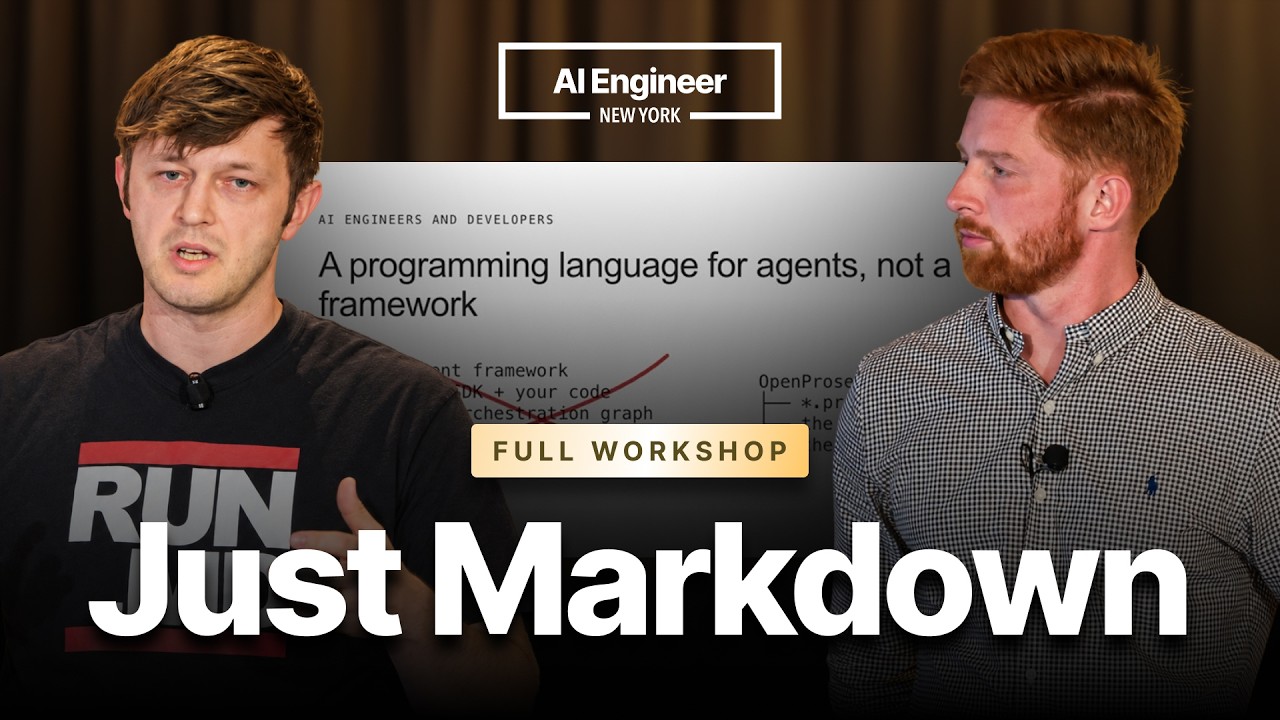
Stop Telling Agents How — Dan Barrett, Raymond Weitekamp & Jose Montes de Oca, OpenProse

Stop Telling Agents How — Dan Barrett, Raymond Weitekamp & Jose Montes de Oca, OpenProse

The OpenProse team presents a declarative approach to multi-agent workflows, where developers and domain experts write contracts in plain markdown that any harness can compile and run. The talk covers event-driven jobs triggered by webhooks and pull requests, a grumpy-senior PR reviewer demo, a bank model-documentation workflow, composing contracts, pinning successful runs into deterministic workflows, and how the approach contrasts with DSPy.

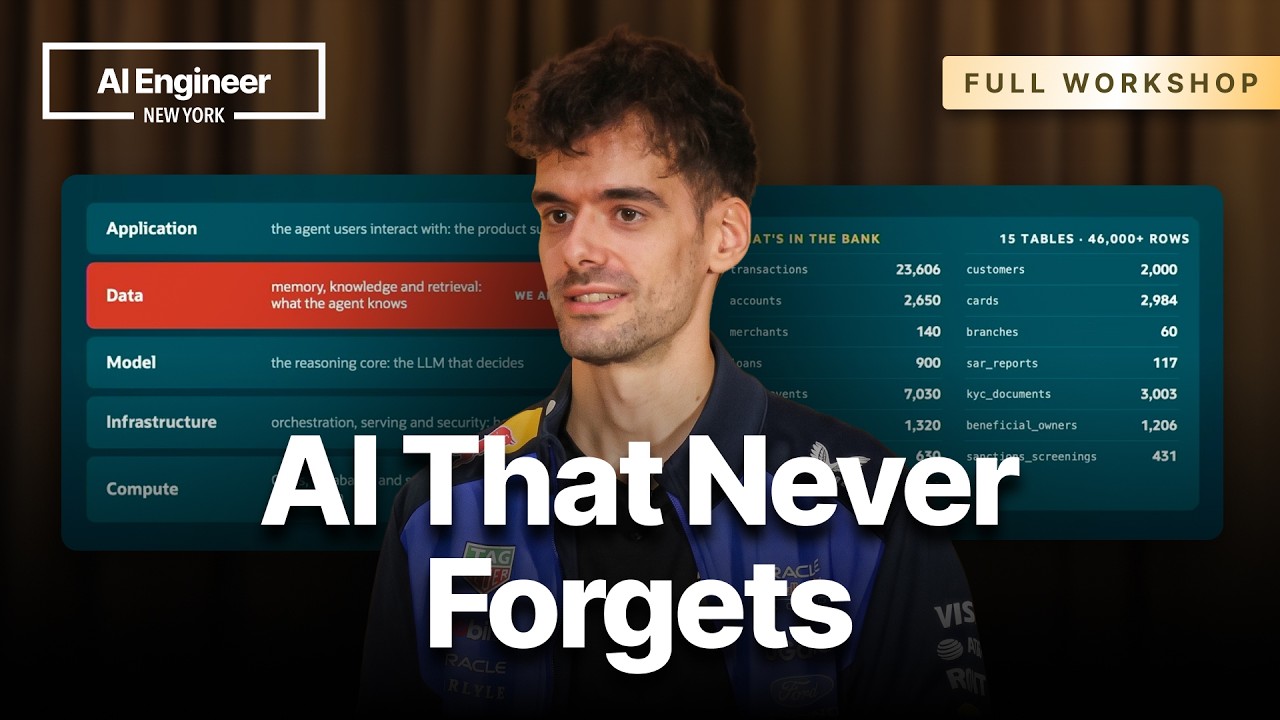
Memory-Aware Agent Harnesses for Anti-Money Laundering — Nacho Martinez, Oracle

Memory-Aware Agent Harnesses for Anti-Money Laundering — Nacho Martinez, Oracle

Nacho Martinez argues that the model is fixed while the harness (agent loop, memory, context engineering, tools and skills, continual learning) is where engineers can make real gains. He walks through the agent stack and applies it to an autonomous AML agent that flags suspicious bank transactions, then demonstrates the workshop environment and answers questions on memory design, skill retrieval, caching, and hybrid search.