Posts

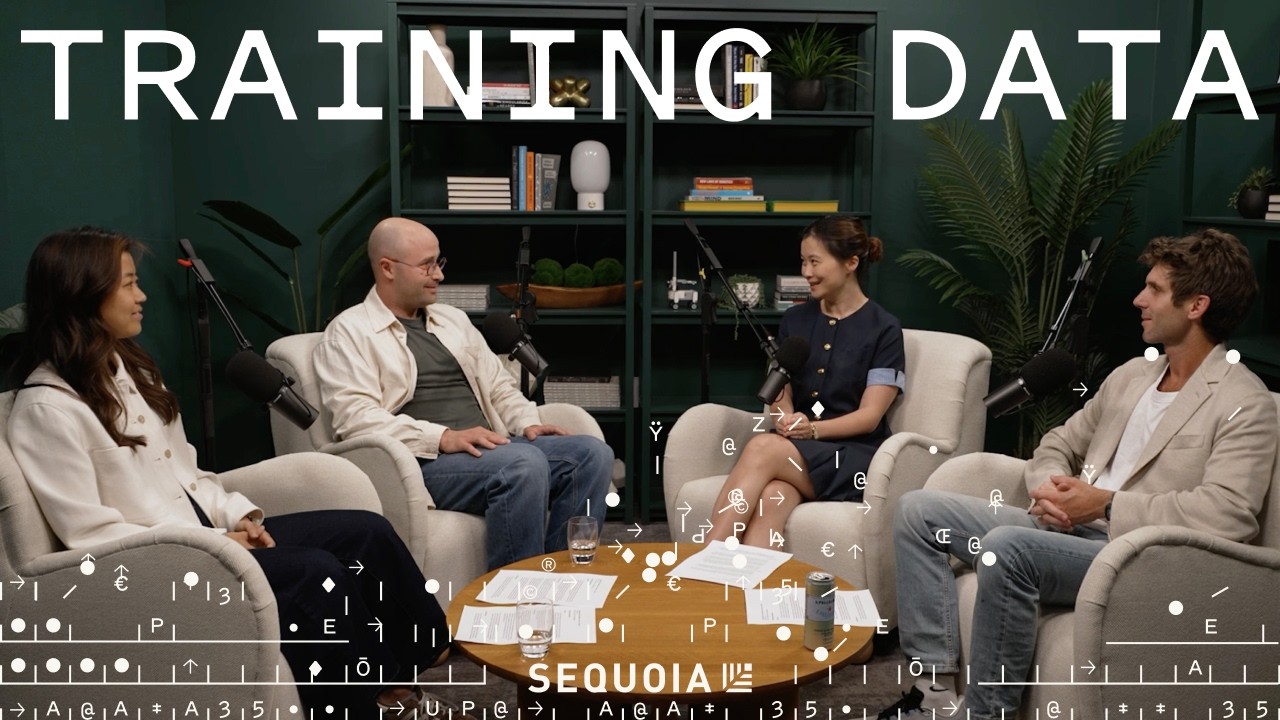
From Coder to Manager: Navigating the Shift to Agentic Engineering with Notion Co-Founder Simon Last

From Coder to Manager: Navigating the Shift to Agentic Engineering with Notion Co-Founder Simon Last

Notion's Co-Founder, Simon Last, discusses their evolution from a writing assistant to a platform for custom AI agents. He covers the technical hurdles of semantic indexing, the internal shift toward using coding agents to build Notion, and the fundamental transition from a tool where humans do the work to one where humans manage a swarm of agents.

The Department of War is making a huge mistake.

The Department of War is making a huge mistake.

An analysis of the conflict between Anthropic and the US Department of War, exploring its implications for AI alignment, regulation, and the future of mass surveillance. The author argues that while Anthropic's stance is commendable, the structural nature of AI favors authoritarianism, making societal norms and specific laws—not broad regulatory bodies—the only viable defense for a free society.

Breaking & Securing OAuth 2.0 in Frontends • Philippe De Ryck • YOW! 2025

Breaking & Securing OAuth 2.0 in Frontends • Philippe De Ryck • YOW! 2025

This talk by Philippe De Ryck explains why common OAuth 2.0 patterns in Single Page Applications (SPAs) are fundamentally insecure against Cross-Site Scripting (XSS) attacks. He demonstrates how defenses like refresh token rotation can be bypassed and introduces the Backend-for-Frontend (BFF) pattern as the secure, recommended solution.

The conference that changed our minds about AI

The conference that changed our minds about AI

A deep dive into the [un]prompted AI security conference, the new Zero Day Clock initiative for vulnerability management, the emergent risks of autonomous AI agents, and the pervasive issue of burnout in the cybersecurity field.

Why AI Engineers Need to Understand GPU Hardware (with Chris Fregly)

Why AI Engineers Need to Understand GPU Hardware (with Chris Fregly)

Chris Fregly, author of 'AI Systems Performance Engineering', explains that true performance gains in AI come not from raw compute but from a deep, holistic understanding of the entire hardware and software stack. He emphasizes that memory bandwidth is the most critical GPU metric and introduces the concept of 'mechanical sympathy'—the co-design of hardware, software, and algorithms—as the key to unlocking efficiency and overcoming modern bottlenecks.

Build Hour: API & Codex

Build Hour: API & Codex

A deep dive into building agent-powered engineering workflows with Codex and OpenAI APIs, covering the shift from pair programming to agentic delegation, the principles of 'Harness Engineering' to make agents reliable, and practical examples from OpenAI and Basis.