Posts

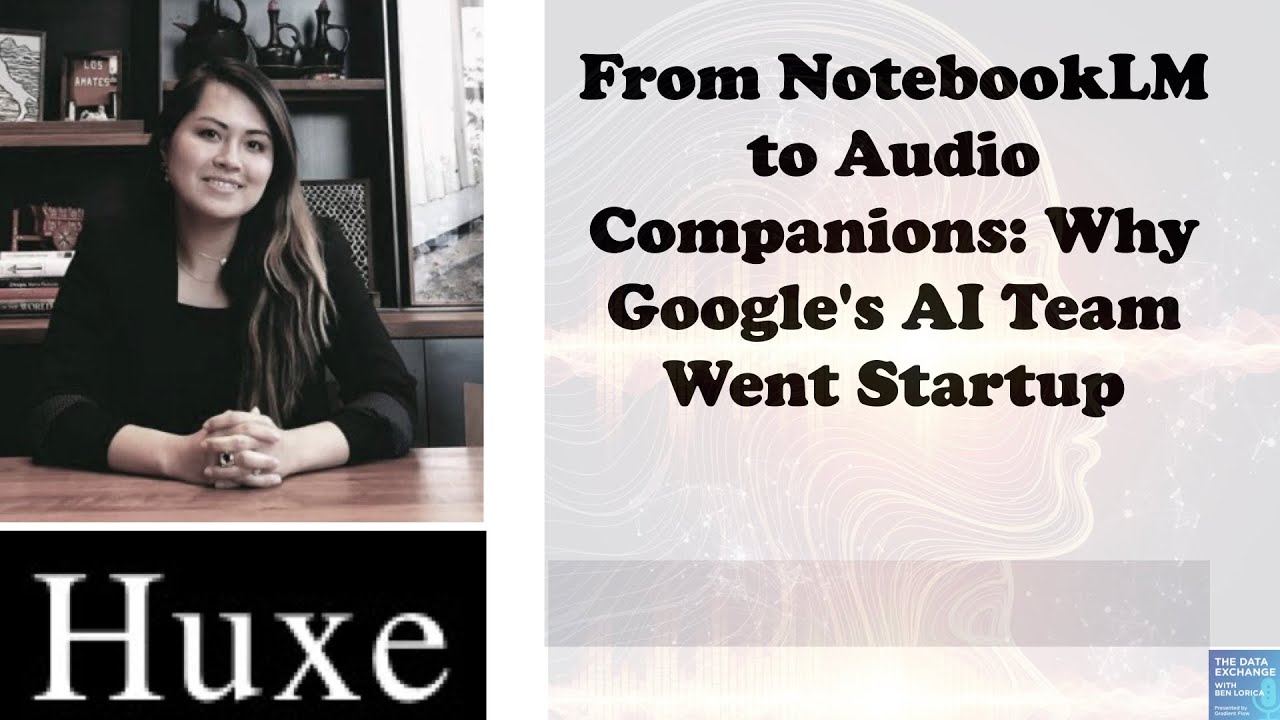
From NotebookLM to Audio Companions: Why Google’s AI Team Went Startup

From NotebookLM to Audio Companions: Why Google’s AI Team Went Startup

Raiza Martin, co-founder of Huxe and former leader of Google’s NotebookLM team, discusses the move from the text-based, source-grounded world of NotebookLM to building Huxe, an audio-first, mobile-first personal AI companion designed to create delightful and useful experiences in the interstitial moments of a user's day.

No Priors Ep. 127 | With SemiAnalysis Founder and CEO Dylan Patel

No Priors Ep. 127 | With SemiAnalysis Founder and CEO Dylan Patel

SemiAnalysis CEO Dylan Patel discusses the shifting AI landscape, covering OpenAI's strategic open-source release, the fierce competition to challenge Nvidia's dominance, the consolidation of neoclouds, and the geopolitical implications of the global AI infrastructure buildout.

This Week in AI: GPT-5 Ships, 4o Pulled Back, Grok Imagine Goes Social

This Week in AI: GPT-5 Ships, 4o Pulled Back, Grok Imagine Goes Social

Partners Olivia and Justine Moore discuss the latest in consumer AI, including Grok's uniquely social and fast image generation, Google's interactive world model Genie 3, the user backlash to GPT-5's personality changes, ElevenLabs' licensed AI music model, and the emerging fragmentation of "vibecoding" platforms for technical and non-technical users.

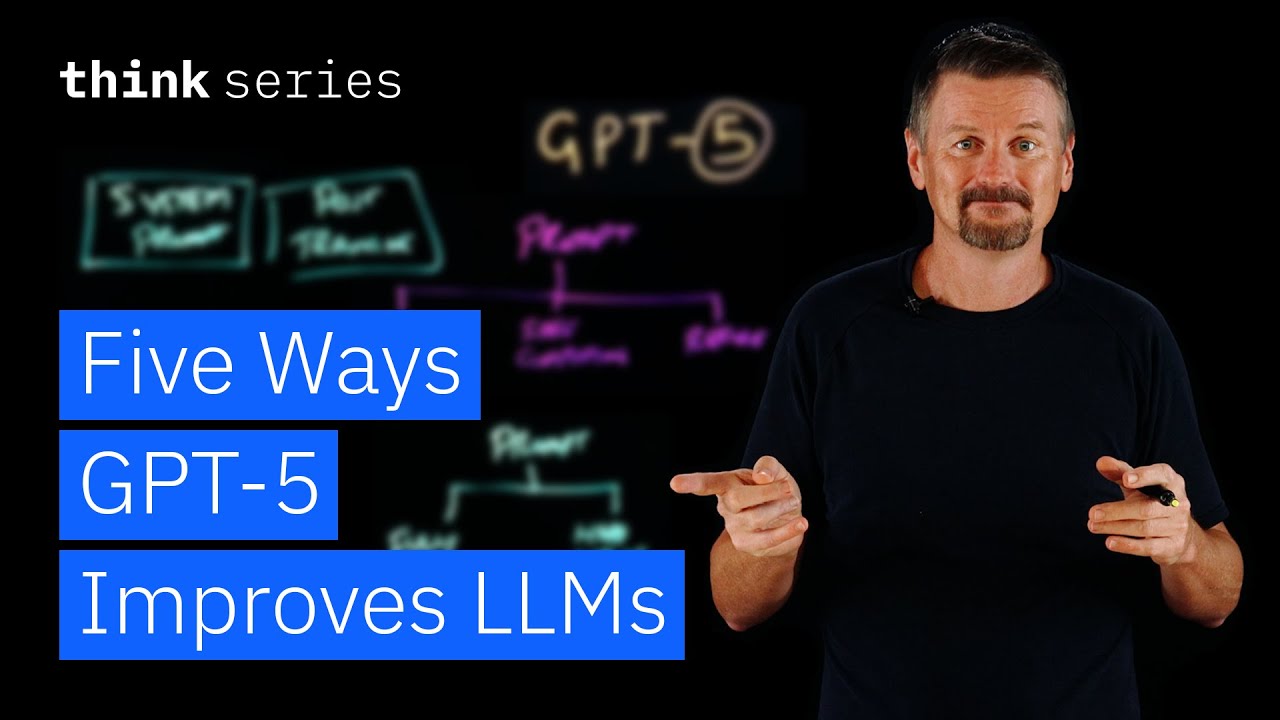
GPT-5: Five AI Model Improvements to Address LLM Weaknesses

GPT-5: Five AI Model Improvements to Address LLM Weaknesses

GPT-5 introduces five key improvements to address core limitations of large language models, including a new routing system for model selection, targeted training to reduce hallucinations, post-training penalties for sycophancy, a nuanced "safe completions" approach for sensitive topics, and chain-of-thought monitoring to prevent deception.

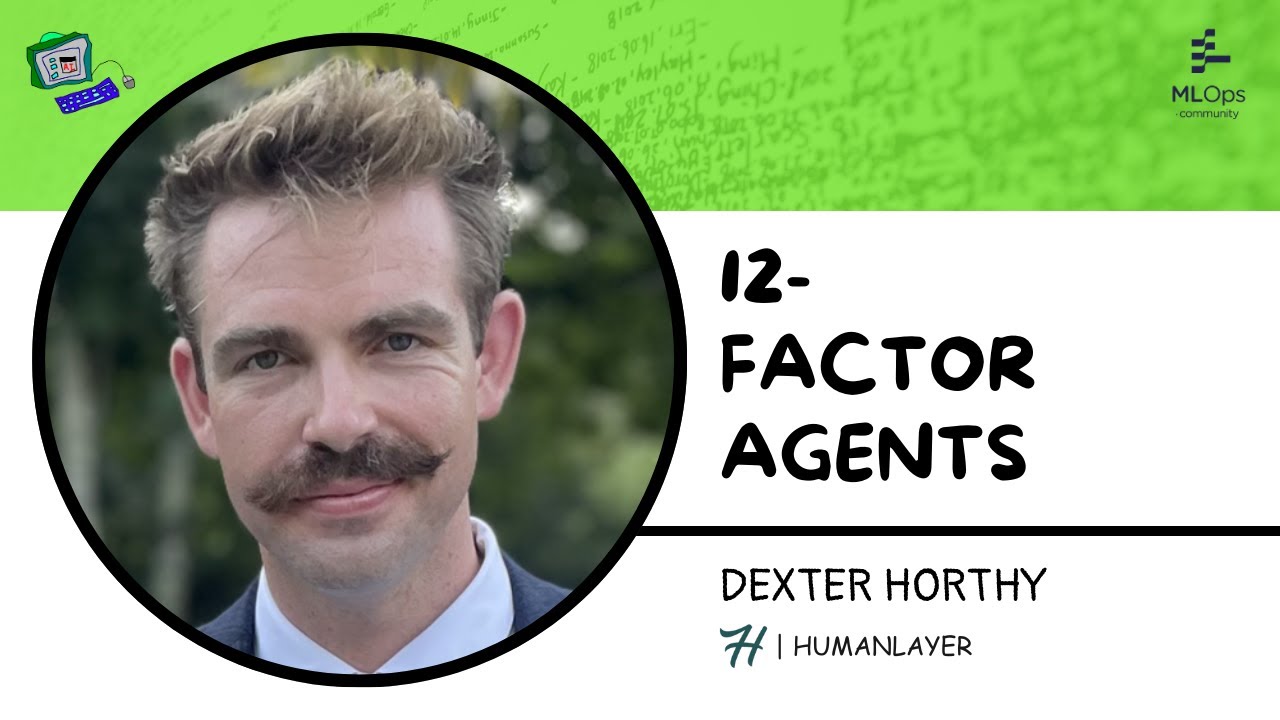
12-factor Agents - Patterns of reliable LLM applications // Dexter Horthy

12-factor Agents - Patterns of reliable LLM applications // Dexter Horthy

Drawing from conversations with top AI builders, Dex argues that production-grade AI agents are not magical loops but well-architected software. This talk introduces "12-Factor Agents," a methodology centered on "Context Engineering" to build reliable, high-performance LLM-powered applications by applying rigorous software engineering principles.

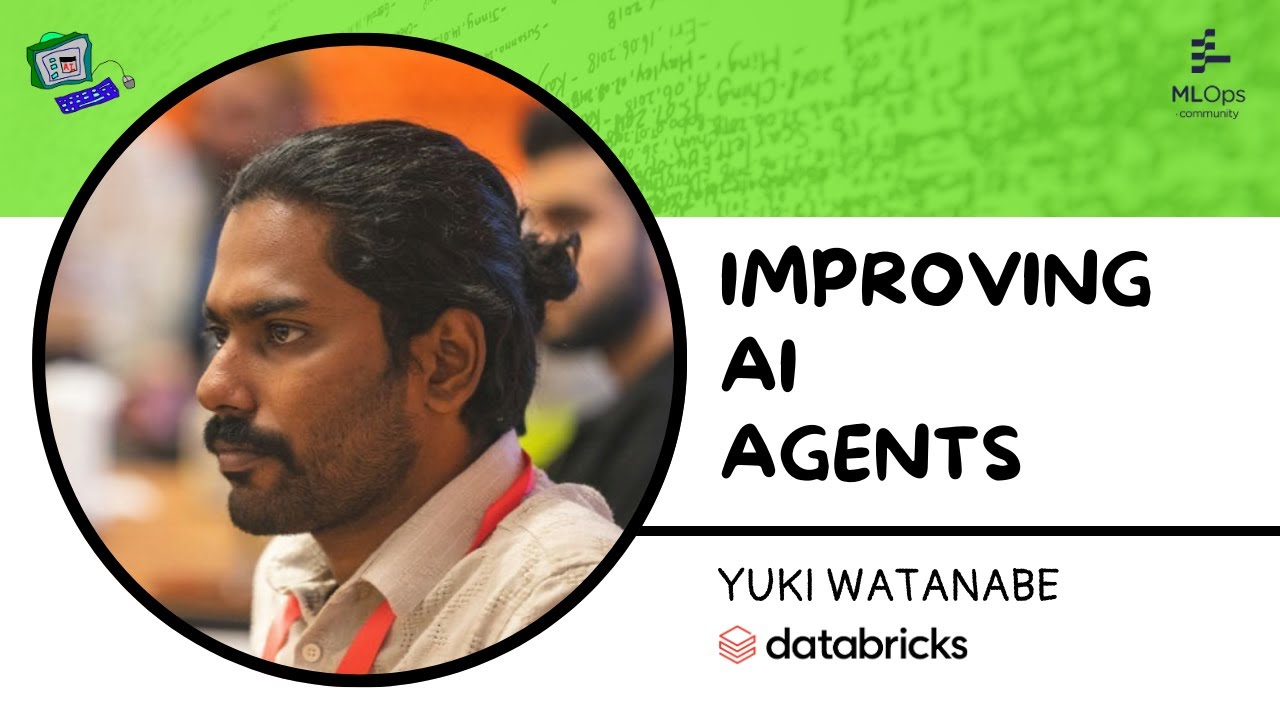
EDD: The Science of Improving AI Agents // Shahul Elavakkattil Shereef // Agents in Production 2025

EDD: The Science of Improving AI Agents // Shahul Elavakkattil Shereef // Agents in Production 2025

This talk introduces Eval-Driven Development (EDD) as a scientific alternative to 'vibe-based' iteration for improving AI agents. It covers quantitative evaluation (choosing strong end-to-end metrics, aligning LLM judges) and qualitative evaluation (using error and attribution analysis to debug failures), providing a structured framework for consistent agent improvement.