Sim: The Visual, End-to-End Agent Builder
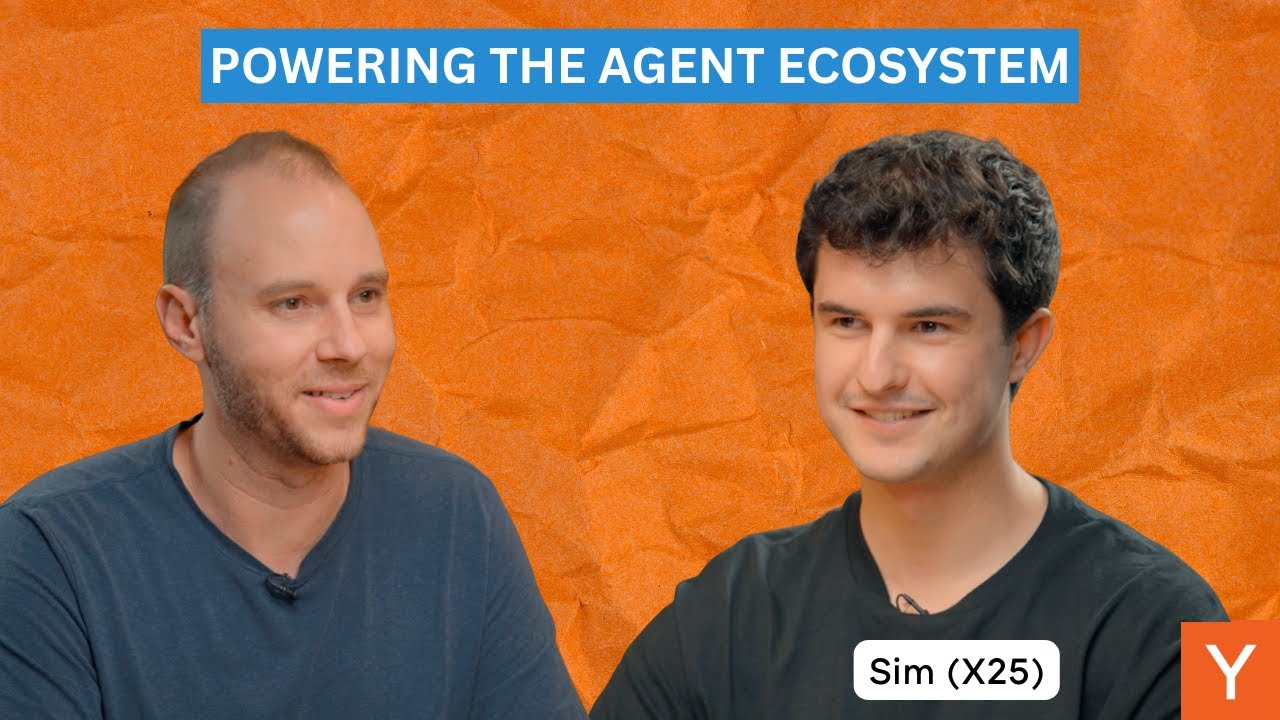
Emir Karabeg, co-founder of Sim, shares the journey of building a visual, end-to-end platform for AI agents. He discusses their pivot from a failed idea, their explosive open-source growth strategy, the philosophy of building an AI-native workflow tool, and the operational culture that took them from a YC batch to 60,000 developers.
Sim is a visual platform designed for building AI agents, described as a Figma-like canvas where developers can orchestrate complex workflows through a drag-and-drop interface or natural language. The platform has seen significant traction, growing to a community of over 60,000 developers and achieving more than 17,500 GitHub stars.
The Founding Journey and the Pivot to Agents
The idea for Sim was born from the co-founders’ own challenges with a previous startup, Scalemont. Scalemont aimed to create dynamic landing pages customized for individual users, a project that required them to build and manage hundreds of interconnected agents for tasks like user research, text generation, and image creation. The complexity of orchestrating these agents in code highlighted a significant pain point.
Emir Karabeg describes the realization: “The thing that we cared about the most was building agents… why don’t we have this platform where we can actually visually orchestrate these agentic workflows as opposed to just writing it in code.” This led to the creation of Sim, a tool conceived from a desire to merge the visual, intuitive nature of Figma with the power of Jupyter Notebooks for building AI systems.
Product Philosophy: Workflows as the Next Programming Paradigm
Sim is built on the belief that workflows represent the next level of abstraction in programming, moving beyond pure code. The platform is designed to be AI-native, addressing limitations found in traditional workflow automation tools.
Key differentiators include:
- AI-Native Design: Unlike older workflow software, Sim is built from the ground up for AI-centric tasks, such as orchestrating an agent to perform a task hundreds of times and synthesize the results.
- Natural Language Interface: Users can build and modify workflows using natural language, lowering the barrier to entry.
- Moving Up the Abstraction Stack: The vision is that just as programming languages have evolved from punch cards to high-level code, the next step is orchestrating high-level components in a visual workflow. Emir states, “I think in the future… most software will be orchestrated inside of workflows rather than just in pure code.”
Open Source Growth Strategy
Sim’s rapid growth in the open-source community was driven by a deliberate strategy rooted in two core principles:
- Being Truly Open Source: The team committed to a genuine open-source ethos with an Apache 2.0 license. They believe that in the age of powerful LLMs, code is no longer the primary proprietary asset. The value lies in the platform’s network, vision, and community. This transparency builds trust with developers. As Emir puts it, “No one can steal your vision.”
- Strategic, Coordinated Launches: A key tactic was to generate momentum by coordinating launches across multiple platforms simultaneously (Hacker News, Product Hunt, Twitter). This concentrated burst of attention helped them consistently hit GitHub Trending, which was the primary driver for gaining thousands of stars in a single day.
This open-source interest is converted into paying customers through their managed cloud platform, Sim.ai, which offers a more convenient, ready-to-use version of the tool.
Culture of Urgency and Long-Term Vision
To maintain momentum after YC, the Sim team implemented a strict operational cadence.
We have a launch calendar… every two weeks we launch something. We don’t go live because it’s ready. We go live because it’s Saturday night.
This philosophy, borrowed from the creators of Saturday Night Live, acts as a forcing function, ensuring the team consistently ships product and maintains a high sense of urgency.
While the pace is fast, the vision is long-term. Emir emphasizes the importance of sustainability and thinking on a 10-year timeline. This involves:
- Optimizing for Long-Term Learning: Making decisions that foster continuous learning over short-term gains.
- Founder-Market Fit: Working on a problem you are so passionate about that you would continue “for five or 10 or 15 years with completely no success and… just be having so much fun doing it.”
- Sustainability: Maintaining a healthy lifestyle to ensure the team can operate at a high level for the entire journey.
For builders in AI, the core advice is to lean into what you uniquely understand and to solve problems you are deeply passionate about, as that passion is the ultimate driver of long-term success.