Ai

GLM-5.2: Open Weights, Near-Frontier Intelligence — Zixuan Li, Z.ai

GLM-5.2: Open Weights, Near-Frontier Intelligence — Zixuan Li, Z.ai

Zixuan Li, head of Z.ai, introduces GLM-5.2 and explains the company's history, from the 2021 GLM paper to a new high thinking level and near-frontier benchmark results. He makes the case for open weights through enterprise on-prem deployment, domain fine-tuning and community co-design, and closes by announcing Z Code, an open-sourced coding harness that works with other frontier models.

Orchestras, Not Factories: How the Fastest Builders Work — Charlie Holtz, Conductor

Orchestras, Not Factories: How the Fastest Builders Work — Charlie Holtz, Conductor

Charlie Holtz, co-founder and CEO of Conductor, shares six principles he has observed among the best AI-assisted builders, including staying near the frontier, creating slop-free zones, and giving agents cloud sandboxes. He also demos real-time collaboration and phone-initiated agents, and argues for orchestras over factories, with humans at the center of AI-driven development.

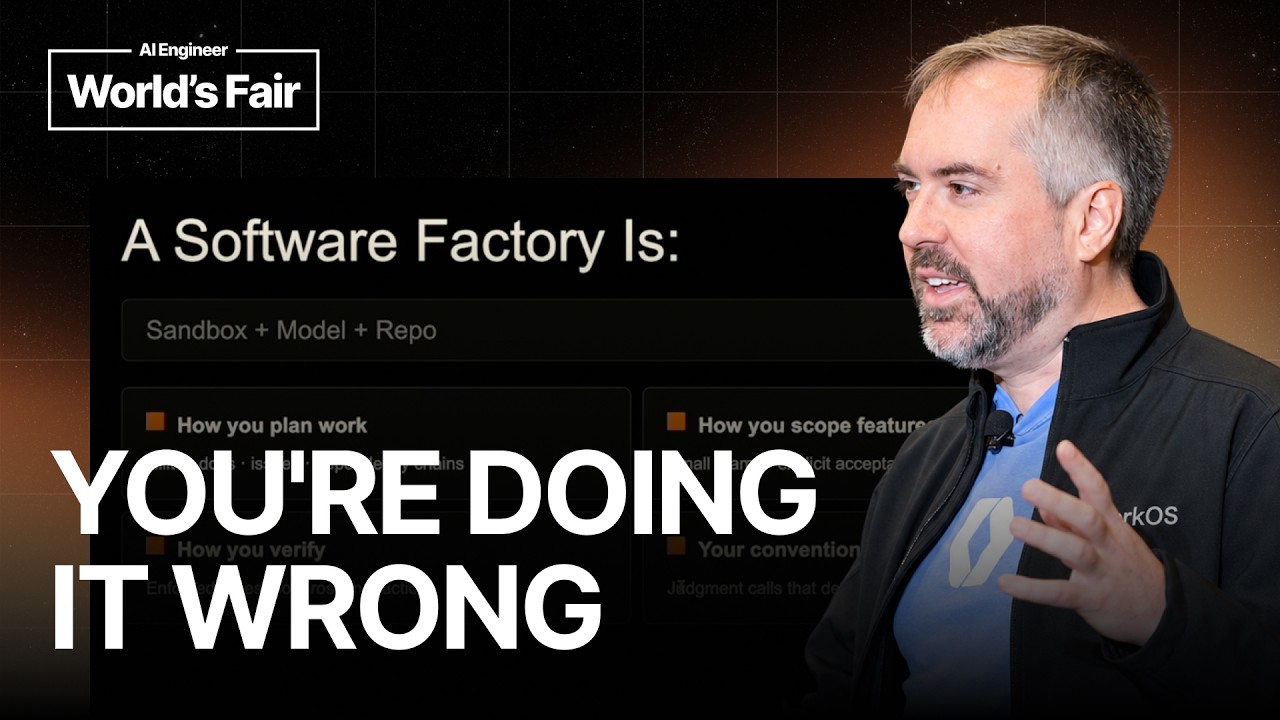
No, That's Not a Software Factory — Ryan Cooke, WorkOS

No, That's Not a Software Factory — Ryan Cooke, WorkOS

Ryan Cooke of WorkOS argues that software factories should be judged by customer outcomes rather than PR counts or AI-generated code volume. He describes how WorkOS embedded its product engineering process into its factory through TARS, Horizon, a PM agent that drafts Hilltop docs, and an internal MCP gateway connected to Snowflake, along with bug triage, owned sandboxes, a memory layer and outcome-focused metrics.

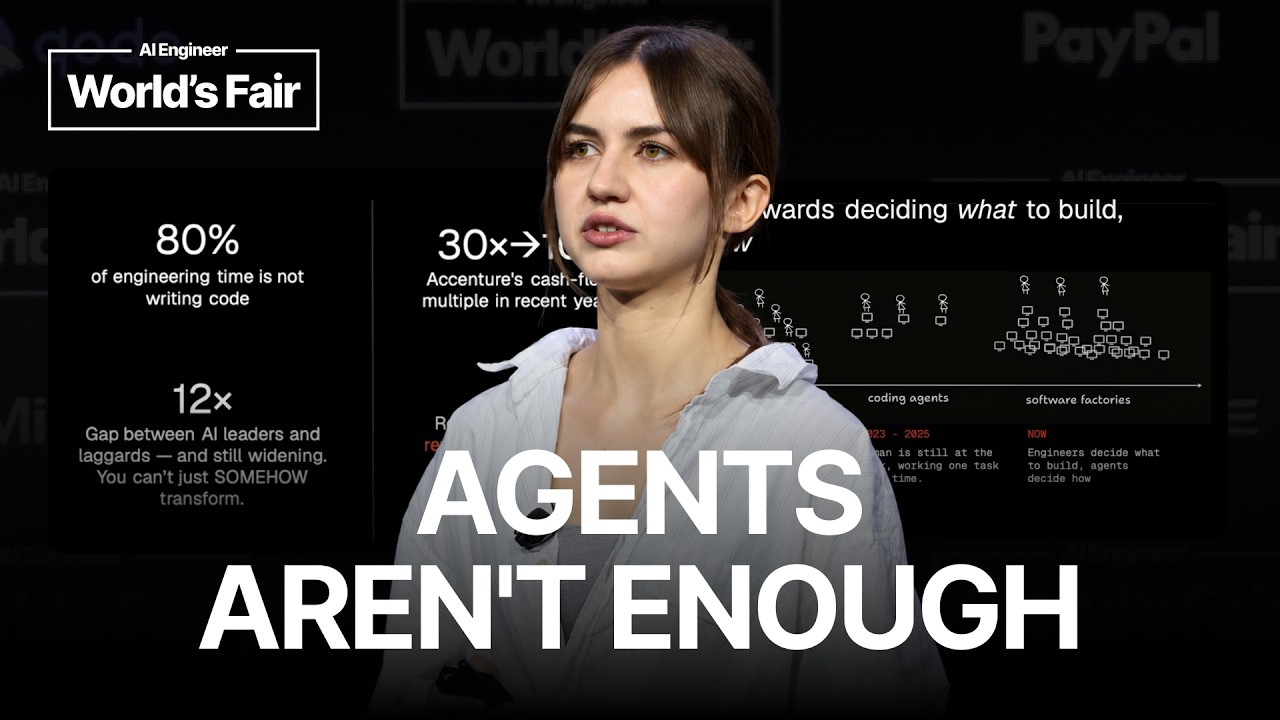
What It Actually Takes to Build a Software Factory — Tereza Tížková, Factory

What It Actually Takes to Build a Software Factory — Tereza Tížková, Factory

Tereza Tížková of Factory explains what a software factory really is: an autonomous, end-to-end software lifecycle that goes far beyond coding agents. She covers three guiding principles of agnosticism, autonomy, and continuous improvement, including automatic model routing, long-running multi-agent missions with sequential workers and independent validators, a deferred context engine, and agent readiness checks, and closes with a view on what remains for humans.

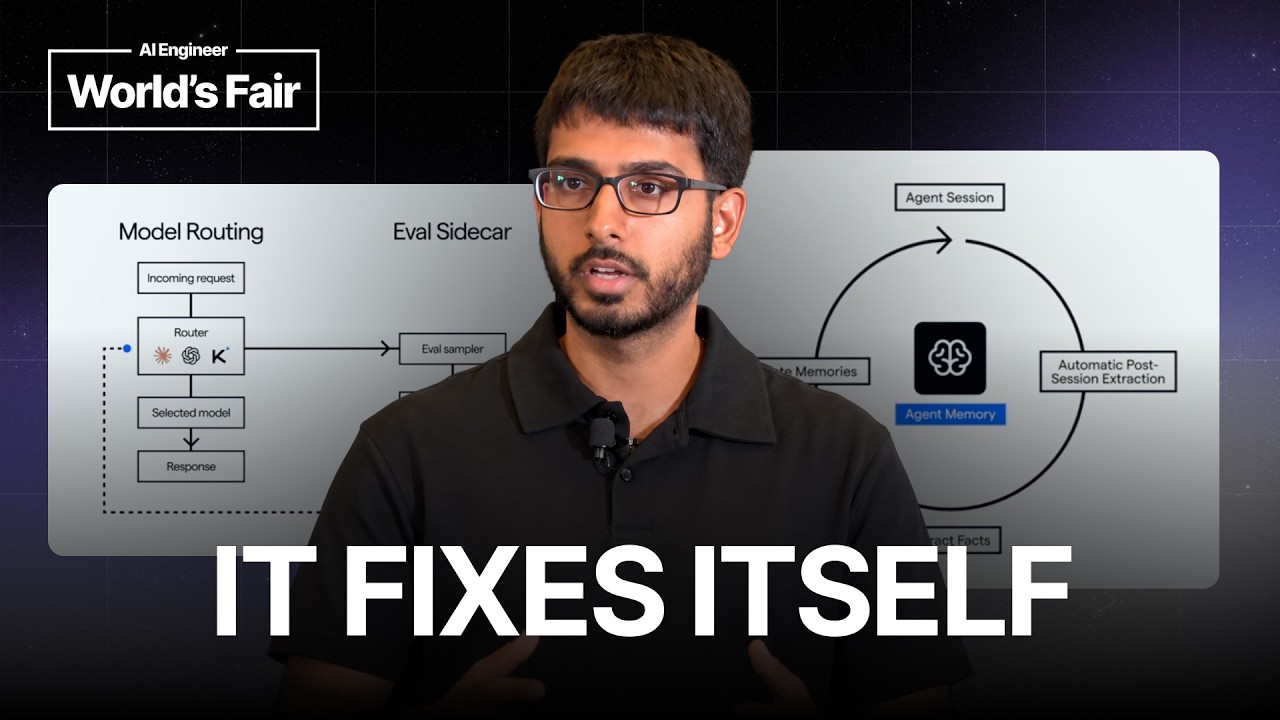
How Software Factories Improve Themselves — Suraj Gupta, Warp

How Software Factories Improve Themselves — Suraj Gupta, Warp

Siraj Gupta of Warp outlines three practical ways software factories can improve over time: self-updating skills driven by outer-loop agents with pull-request review, versioned and traceable persistent memory that works across harnesses, and cost-aware model routing with custom rules and evals.

The grief, loneliness, and burnout sweeping through the tech industry right now

The grief, loneliness, and burnout sweeping through the tech industry right now

Molly Graham revisits her classic "Give Away Your Legos" career advice for an AI era, exploring grief and burnout in tech, the difference between delegating to AI and to humans, the overblown fear of job displacement, which Legos should never be given away, and what effective managers should do now. Key ideas include treating AI as a junior intern, the human sandwich model of vision and review, and reframing careers as evolving rather than disappearing.