Ai

The Caveman Prompting Challenge

The Caveman Prompting Challenge

James Barney, Head of Forward Labs at MetLife, discusses the operational challenges and strategic considerations for AI enablement in a large enterprise. Key topics include FinOps approaches to model selection based on cost, speed, and accuracy, optimizing LLM token usage through 'caveman prompting' and the proposed 'CaveBench' benchmark, and navigating volatile model release pricing. The conversation delves into measuring AI's value beyond cost, differentiating R&D from production token spend, and establishing robust AI governance using policy as code. A significant shift from traditional UIs to chat-based interfaces is explored, alongside the critical 'latent shopper problem' – the challenge of serendipitous data discovery in an AI-driven, query-focused world.
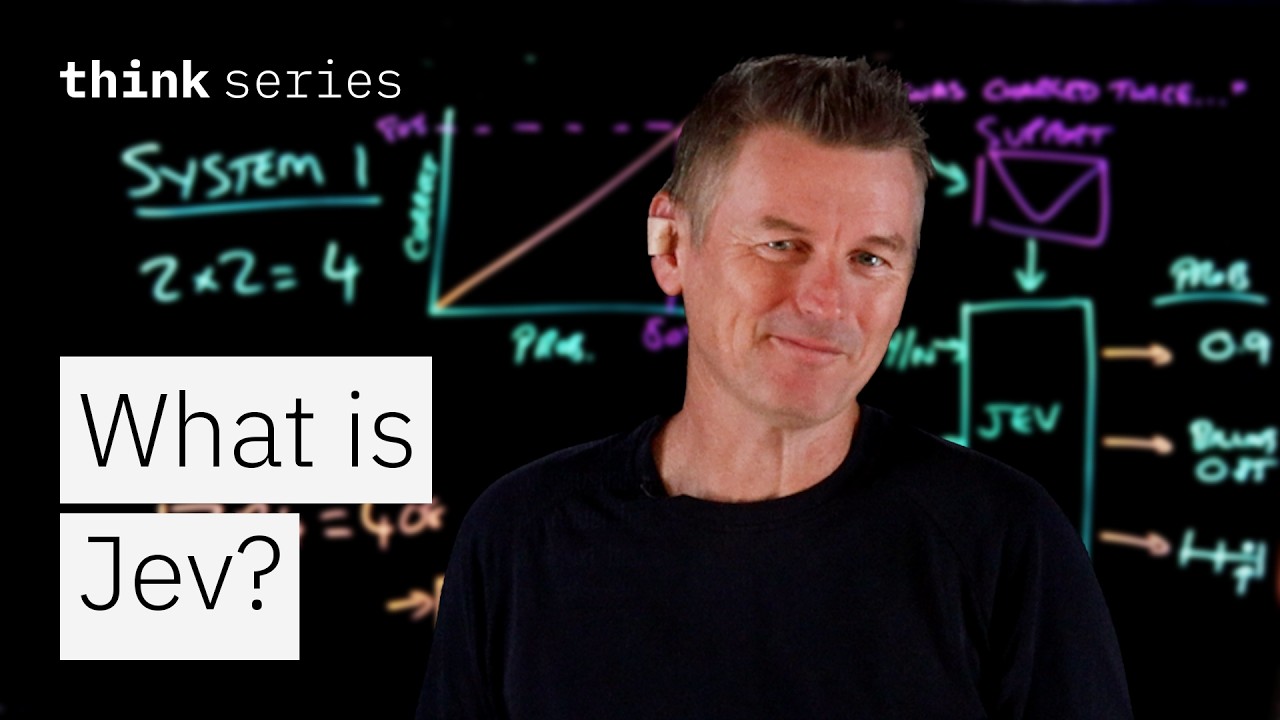

What Is Jev? The AI Model That Doesn't Generate Text

What Is Jev? The AI Model That Doesn't Generate Text

Jev is a System 1 AI model from TypeSafe that skips text generation entirely, returning calibrated probabilities for fixed-option questions in a single fast request. This explores how it works, how it is trained with reinforcement learning for calibrated decisions, how its probabilities drive software thresholds and guardrails, and how it can complement LLMs in workflows.

AI Makes Games Worse?

AI Makes Games Worse?

Piero Molino, CEO of Studio Atelico, argues that AI should be a foundational game mechanic enabling new experiences rather than a cost-cutting shortcut. He covers on-device multimodal engines built on small fine-tuned models, the economics of cloud inference, artist rights, open source in the game stack, and what skill means in an era of coding agents.

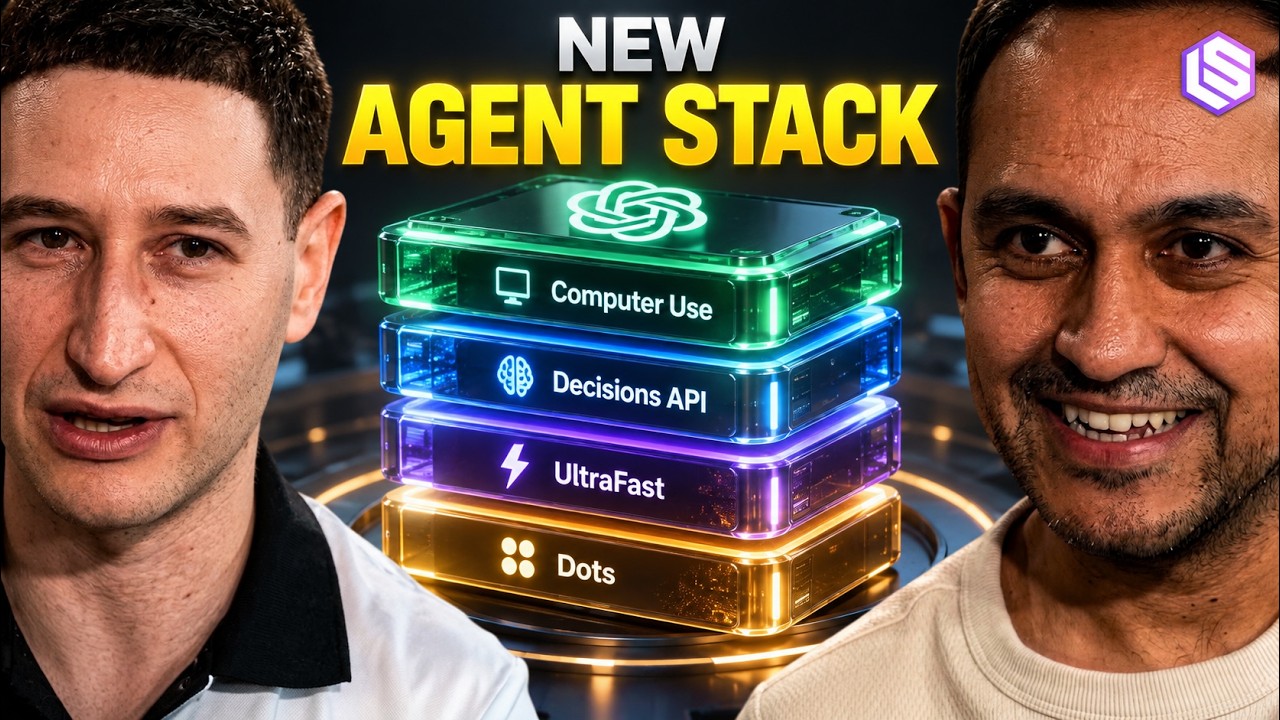
Inside OpenAI DevDay: Superhuman Computer Use, Decisions API, and the AI Cloud — Ari & Nikunj

Inside OpenAI DevDay: Superhuman Computer Use, Decisions API, and the AI Cloud — Ari & Nikunj

OpenAI has unveiled significant advancements in its AI agents and developer APIs, transforming Computer Use into a self-debugging system capable of superhuman speeds. Key innovations include multimodal interfaces, the Agents API for building on OpenAI's harness, and a new API stack featuring async tool calling, UltraFast inference, and the rapidly developed Decisions API for fast classification. These advancements, coupled with robust caching and context compaction, pave the way for an "AI cloud" with higher-level primitives for developers.

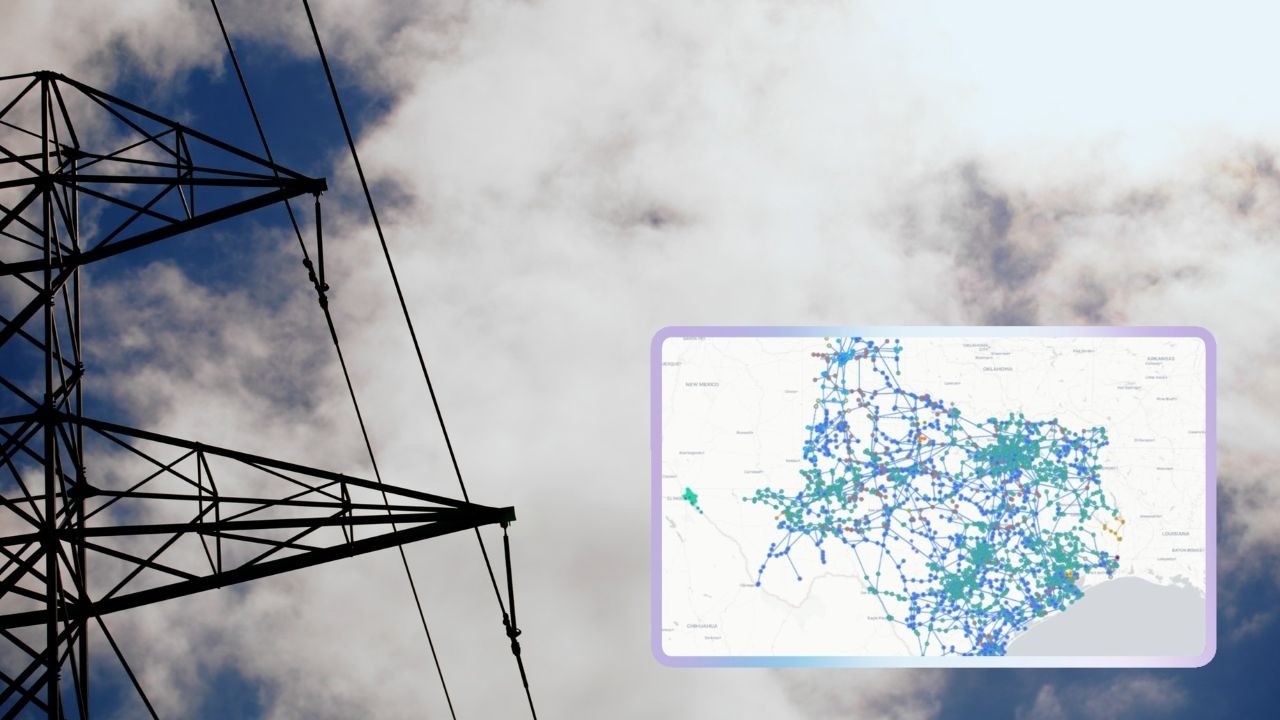
The Future of the Grid:  How AI Transforms Power System Planning

The Future of the Grid: How AI Transforms Power System Planning

Microsoft Research introduces GridSFM, an open foundation model designed to accelerate power grid analysis. By combining open data, machine learning, and physics-based modeling, GridSFM provides millisecond-level approximations of AC Optimal Power Flow (ACOPF) solutions, enabling faster scenario evaluation, planning, and research for increasingly complex energy systems.

AI, Infrastructure, and the Next Investment Cycle

AI, Infrastructure, and the Next Investment Cycle

David George, Sarah Wang, Alex Immerman, and Santiago Rodriguez from a16z walk through 25 charts from their State of Markets presentation, covering why markets are rising on earnings rather than multiple expansion, the roughly $780B hyperscaler capex race, the new age of atoms in physical infrastructure, enterprise AI adoption gaps, agent economics and falling inference costs, consumer AI and marketplace disruption, the bifurcation of SaaS, the rise of mega private companies, and the sectors they are most excited about next.