Ai

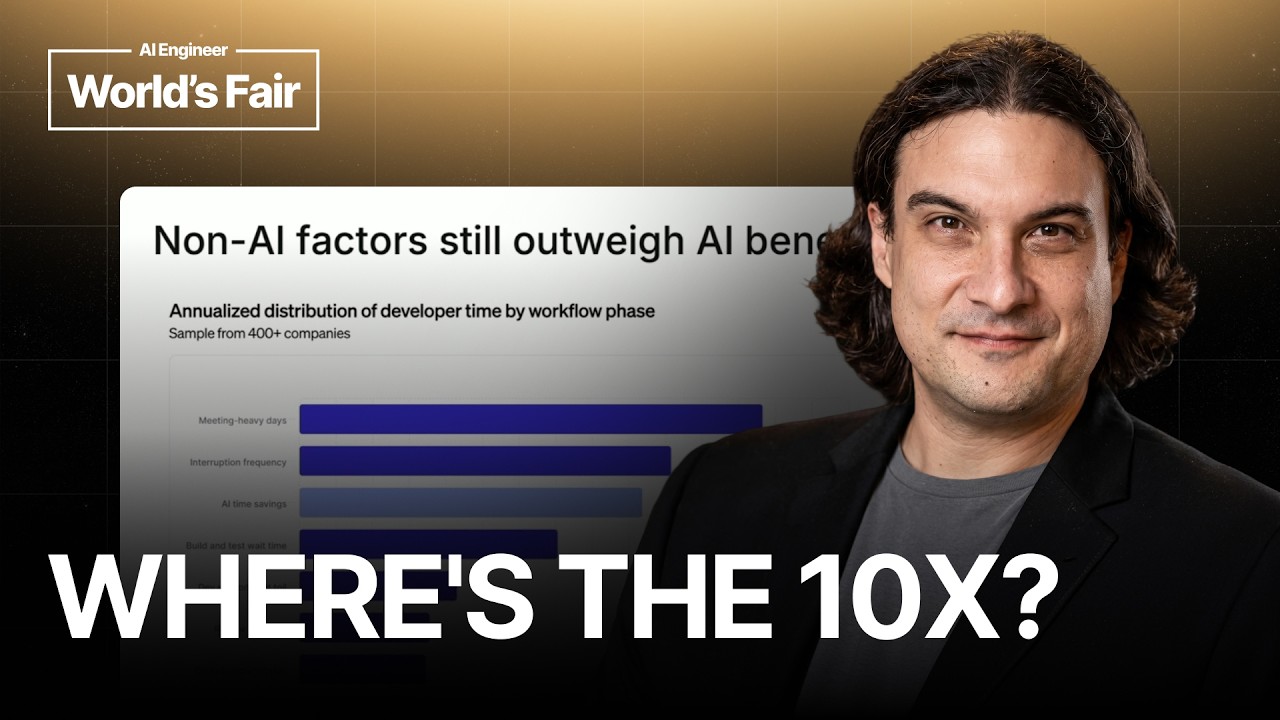
The State of AI in Software Development: Data from 400+ Orgs — Justin Reock, DX

The State of AI in Software Development: Data from 400+ Orgs — Justin Reock, DX

Justin Reock of DX presents five trends from research on about 200,000 engineers, covering deployment frequency, change failure rate volatility, the maintainability and change confidence gap, growing PR sizes, differences across junior and senior engineers, the DX AI Measurement Framework, platform AI readiness, agent experience, and why code generation was never the bottleneck. Case studies from Morgan Stanley, Zapier, and Spotify illustrate AI applied across the SDLC.
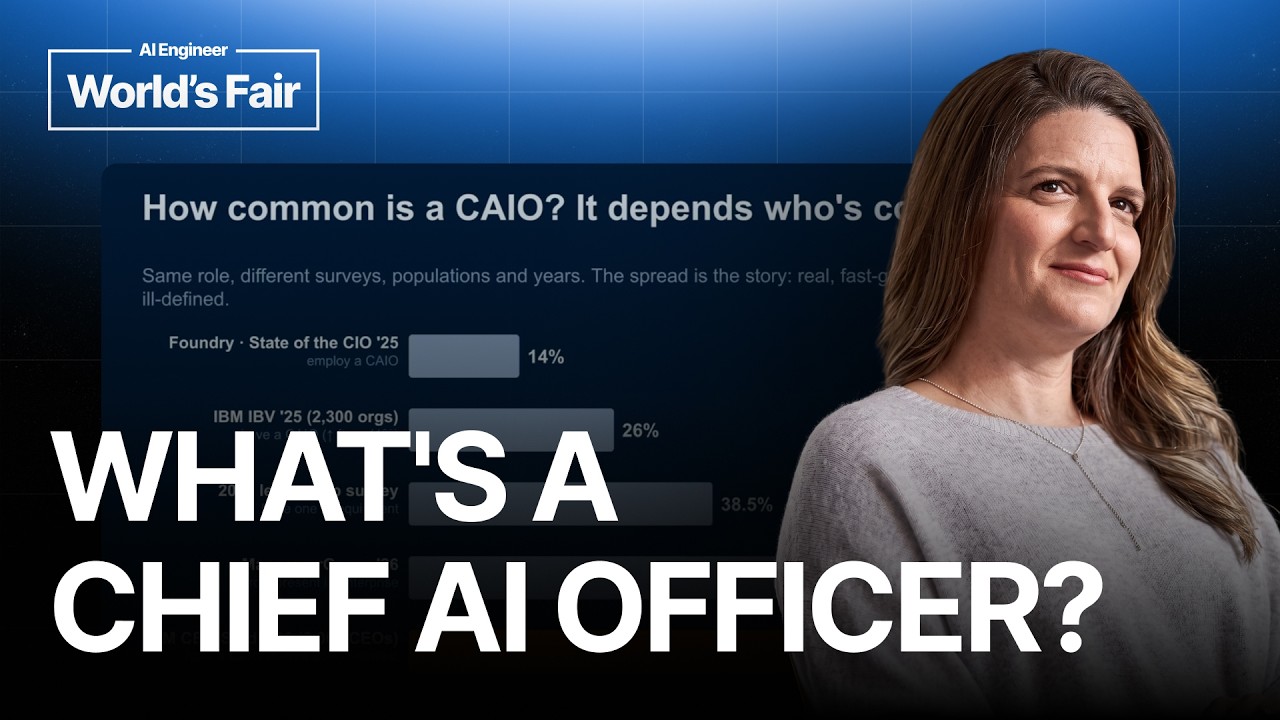
The Chief AI Officer: Scientist, Architect, Coach — Rania Khalaf, WSO2

The Chief AI Officer: Scientist, Architect, Coach — Rania Khalaf, WSO2

Rania Khalaf, Chief AI Officer at WSO2 and formerly a long-time leader at IBM Research, shares a framework for a role that is still being defined. She covers the Scientist, Architect and Coach focus areas, how the balance shifts by company type and AI maturity, and why she measures AI adoption, agent readiness and market signals instead of token counts. She also addresses the need for CEO backing and the question of who should own AI.

The Death of the Code Review: What the Data Actually Says — Laurie Voss, Arize AI

The Death of the Code Review: What the Data Actually Says — Laurie Voss, Arize AI

Agents have multiplied code output, but human review cannot keep pace, and reviewer effectiveness collapses past roughly 400 lines. This talk by Laurie Voss surveys what OpenAI, METR, Cognition, Cursor, GitHub, Carlini, and Bun are doing about it, from mergeability benchmarks and multipass automated review to prompt injection and production monitoring as the last line of defense.

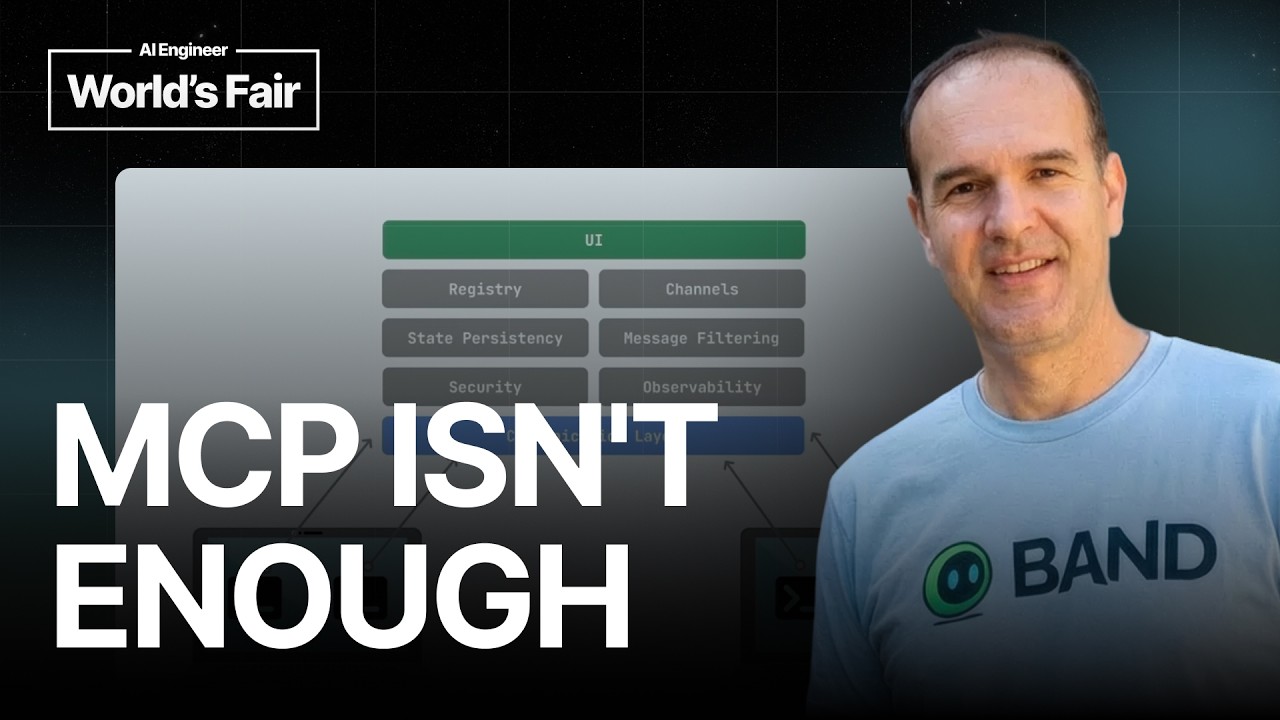
Your Agents Are in Solitary Confinement: Why MCP & A2A Aren't Enough — Vlad Luzin, Band

Your Agents Are in Solitary Confinement: Why MCP & A2A Aren't Enough — Vlad Luzin, Band

Vlad Luzin, co-founder and CTO of Band, argues that connecting AI agents is a distributed systems problem that current tools such as MCP, A2A and messaging platforms do not solve. He lays out what is required for real agent collaboration, including ordered real-time transport, persistence, runtime binding, agent-first abstractions and governance, then demonstrates Codex, LangGraph and Claude Code agents finding and working with each other under full human-in-the-loop visibility.

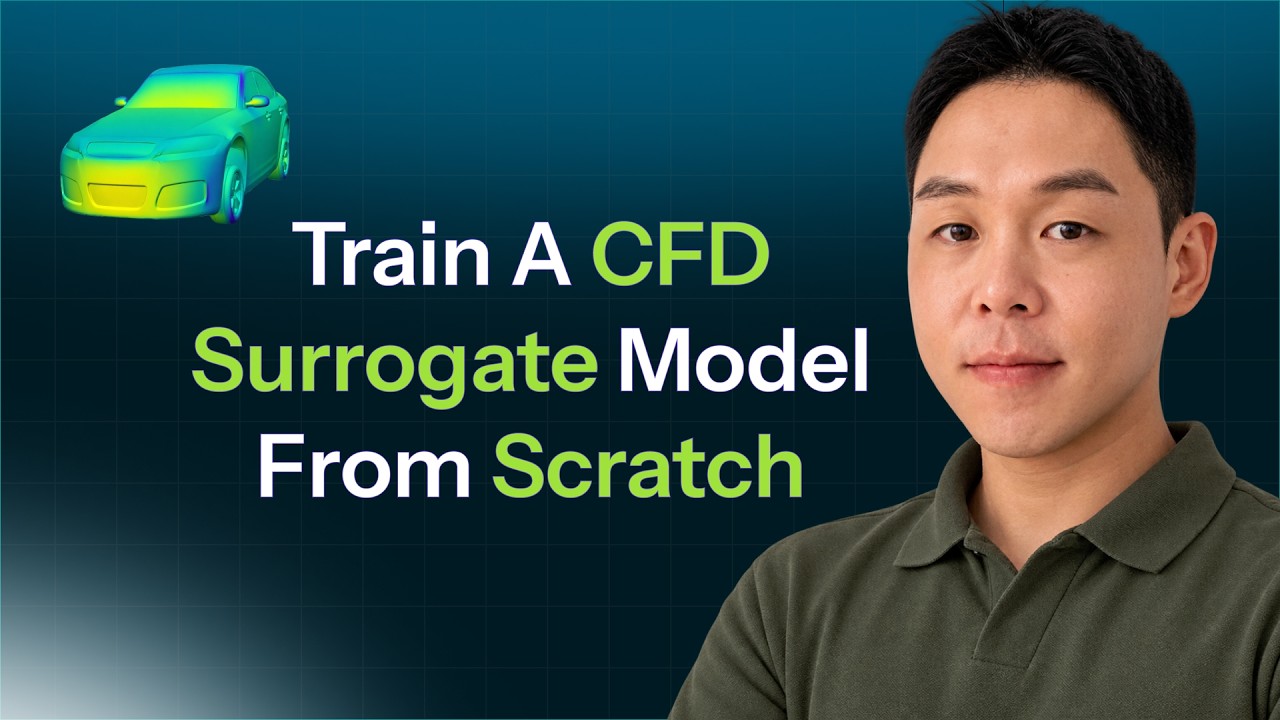
AslanX Flow in Action: Training & Deploying a CFD Surrogate Model | Deep Dive — Mason Seo

AslanX Flow in Action: Training & Deploying a CFD Surrogate Model | Deep Dive — Mason Seo

Mason Seo, CTO of Narnia Labs, demonstrates AslanX Flow, a platform enabling engineers to train, evaluate, and deploy surrogate models for 3D field prediction (e.g., CFD aerodynamics) without a dedicated machine learning engineer. The deep dive covers building a training workflow from raw engineering data, comparing model architectures like PointNet, Transolver, and Linear Neural Operator, and deploying the winning model as a no-code inference application. A key insight shared is the importance of evaluating models on specific engineering data, as public leaderboard performance doesn't always translate, alongside a preview of AI-driven workflow configuration.

Can you trust your chatbot? Inside three AI-powered cyberattacks

Can you trust your chatbot? Inside three AI-powered cyberattacks

This podcast episode explores three significant AI-enabled cyberattacks: "Dark Sourcery," an AEO poisoning technique that tricks AI chatbots into providing malicious information; an LLM-assisted hacking spree targeting critical vulnerabilities; and an AI agent swarm breaching hundreds of servers with alarming speed. The discussion highlights the evolving threat landscape, the critical importance of cybersecurity hygiene, and the need to rethink trust in AI systems.