Ai

AI Can Write the Proof. Who Checks It? — Leonardo de Moura

AI Can Write the Proof. Who Checks It? — Leonardo de Moura

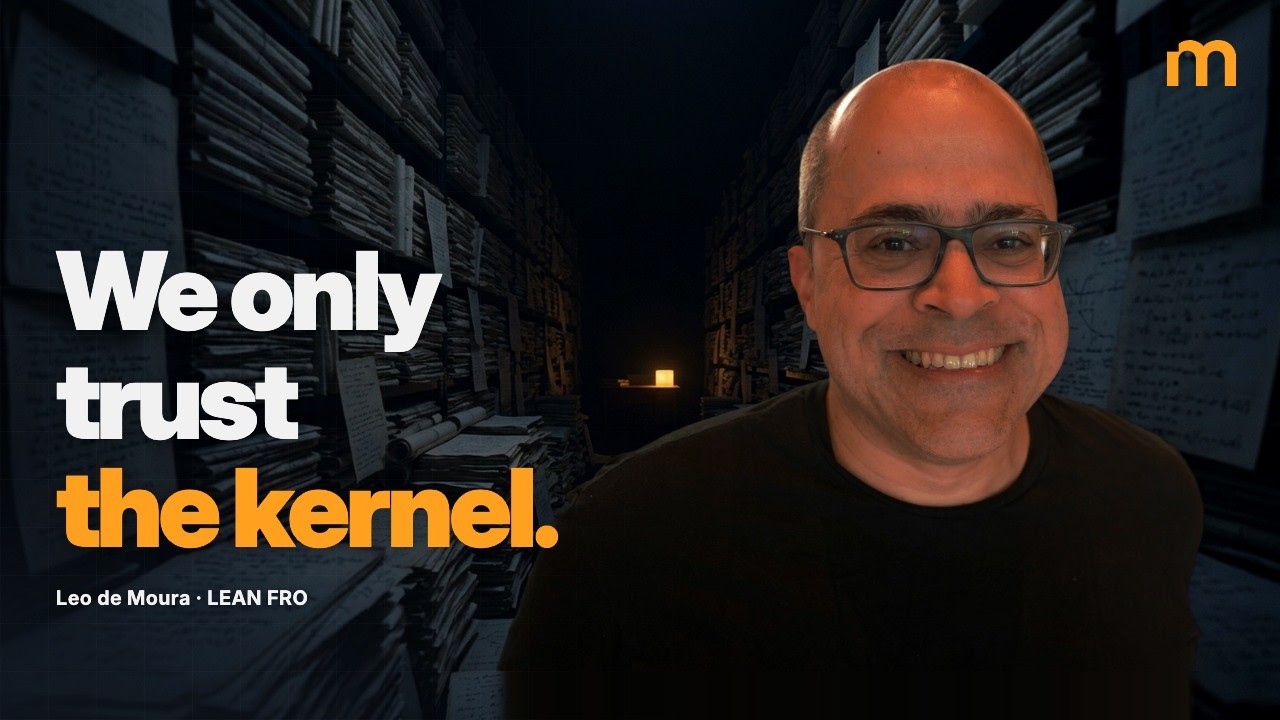
Leonardo de Moura discusses Lean's journey, from its strict "cathedral model" of core development to its current extensibility. He reveals insights from the Collatz exploit, showcasing AI's role in uncovering kernel vulnerabilities and the critical need for robust formal verification. The conversation highlights AI's transformative impact, from generating complex, optimized code (like the zlib proof) to its limitations in true creativity, emphasizing the enduring human responsibility in defining specifications, curating knowledge, and maintaining trust in an AI-assisted future for software and mathematics.
OpenAI DevDay 2026 Keynote (FULL)

OpenAI DevDay 2026 Keynote (FULL)

OpenAI's DevDay unveiled significant advancements including 'Dots' (always-on AI agents for personal and professional delegation), 'ChatGPT Spaces' (a collaborative platform for human-AI teams), and major model updates like GPT-6.1 Sol (cost-effective intelligence) and Astra Ultrafast (unprecedented speed). New developer tools, cloud-based Codex, enhanced APIs, and privacy features were also introduced, alongside strategies for distribution and monetization, underscoring OpenAI's vision of AI as a 'Renaissance' for human empowerment.

What Would Make an AI Assistant Worth Paying For?

What Would Make an AI Assistant Worth Paying For?

This discussion with David Pawlan of Assistant Bench unpacks the explosive growth of personal AI agents, exploring their capabilities, current landscape, and future implications. Topics include diverse agent use cases from daily admin to finance, the evolution of human-agent interfaces (voice, hardware), the critical role of proactivity and trust, the emergence of silent multiplayer agents, and the transformative impact on commerce. The conversation also delves into agent-to-agent interactions, economic models, and the profound shift towards a consumer-aligned internet.

Where AI products go next: voice, agents, and self-driving software | Tara Sesha and Nan Yu (OpenAI)

Where AI products go next: voice, agents, and self-driving software | Tara Sesha and Nan Yu (OpenAI)

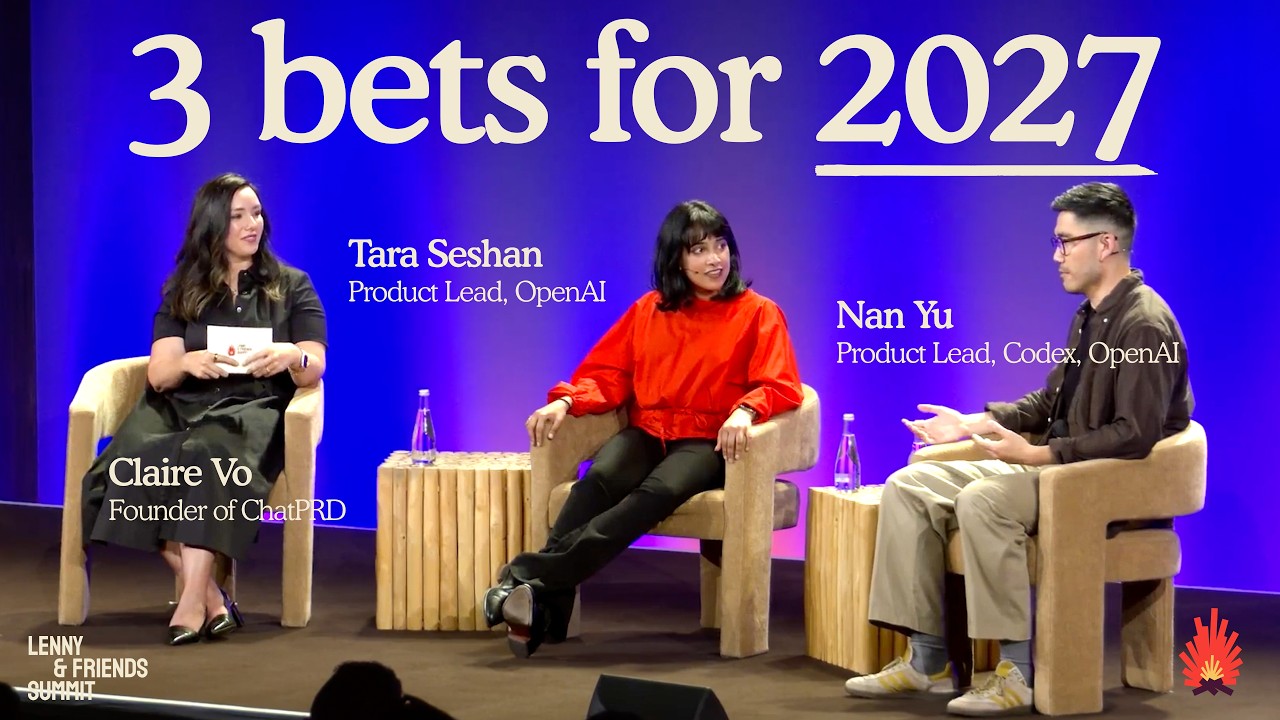
A live talk from the Lenny and Friends Summit with OpenAI's Tara Seshan and Nan Yu and host Claire Vo on building AI products when both technology and user expectations change rapidly. Topics include shipping imperfect features (the ChatGPT "toggle"), the 2 to 3 month model-capability horizon, enterprise absorption limits, single versus multi-agent design, platform layering with computer use as a fallback, working with research through evals, direct user relationships, and predictions for voice, proactive agents, and hardware.

The Defender's Window at enterprise scale with Standard Chartered

The Defender's Window at enterprise scale with Standard Chartered

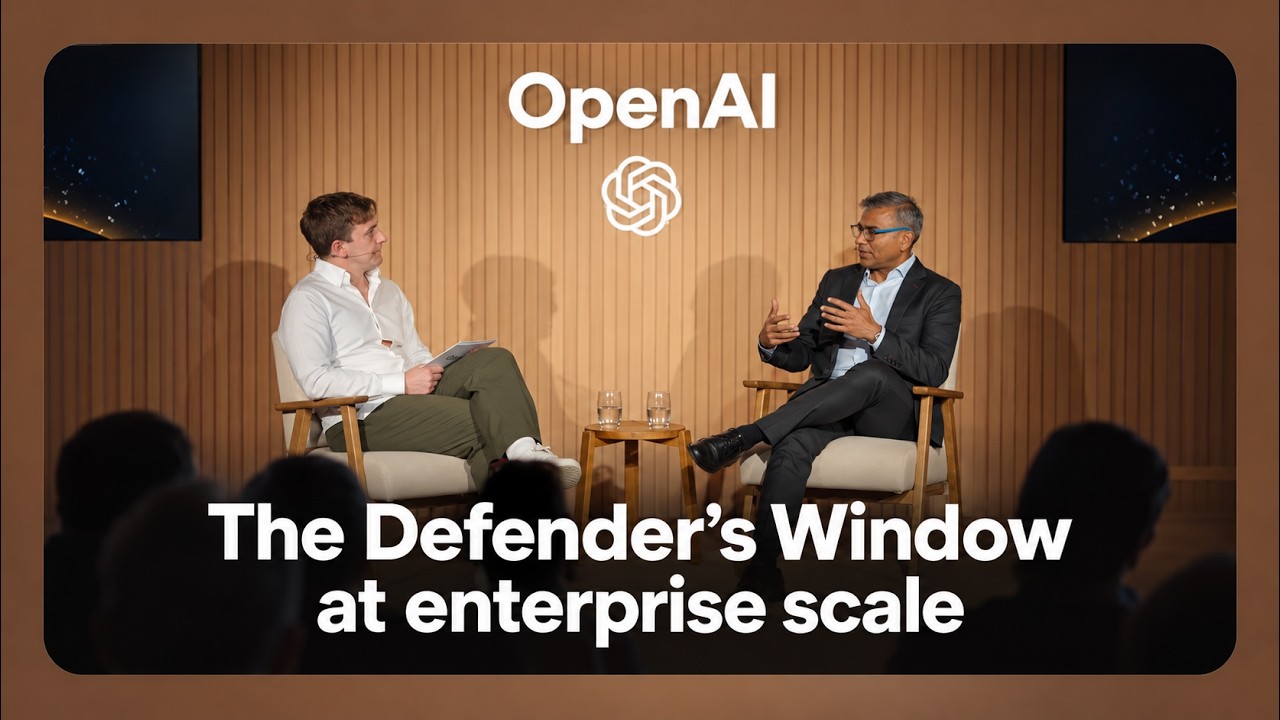
Matt Weaver from OpenAI and Reuben Athaide from Standard Chartered discuss how the bank uses OpenAI Daybreak to address the shrinking "defenders window" by focusing on contextual AI analysis of attack paths, fostering cross-functional trust, and leveraging AI for proactive, scalable security in a complex global environment.

Dedicated Inference

Dedicated Inference

A walkthrough of CoreWeave's three inference paths (Serverless, Dedicated, and Inference on CKS), covering when each fits, how a multi-agent research assistant uses OpenAI-compatible endpoints across model types, and live demos of gateways, deployments, and Kubernetes-based vLLM, Dynamo, and LLM-D serving.