Ai

Building on the Codex Harness — Dominik Kundel, OpenAI

Building on the Codex Harness — Dominik Kundel, OpenAI

Dominik Kundel from OpenAI's Codex team explains the Codex App Server, the open-source JSON-RPC protocol that wraps the Codex harness and powers the Codex app, IDE extensions, and third-party clients. He covers live protocol events, more than 120 client messages, ChatGPT sign-in, developer instructions, deferred dynamic tools, shipping and binding generation, the Python SDK, and a demo of Codex running inside Doom.
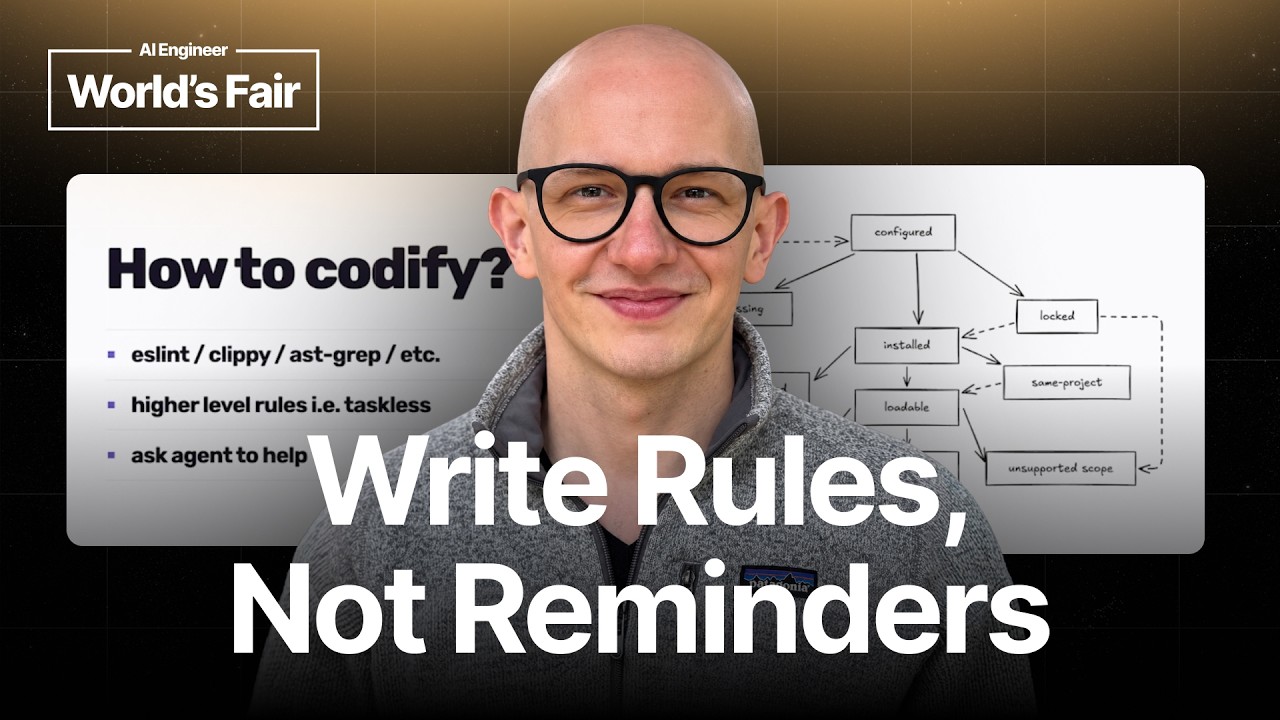
Stop Prompting — Greg Pstrucha, Sentry

Stop Prompting — Greg Pstrucha, Sentry

Greg Pstrucha of Sentry argues that instead of repeatedly re-prompting coding agents, teams should codify their recurring corrections as deterministic checks. He covers why agents forget and why custom lint rules are now cheap, how to mine transcripts and PR reviews for rules, real Sentry examples that keep OpenAPI schemas and agent skills in sync, written policies and a Grumpy Engineer review loop for qualitative judgment, and why agents game metrics like test coverage.

Beam: The Great American Open Model with ReflectionAI Co-Founder and CEO Misha Laskin

Beam: The Great American Open Model with ReflectionAI Co-Founder and CEO Misha Laskin

Misha Laskin, co-founder and CEO of Reflection AI, discusses the company's 500B open-weight reasoning model Beam, the economics of frontier training, the shift from renting to owning intelligence in enterprise, the role of Chinese open models in the global ecosystem, and the case that openness itself is a safety strategy. He also reflects on how AI is accelerating scientific research and reshaping research team sizes.

OpenAI's always-on agents, 700+ math manuscripts & HackerRank's AI interviewer

OpenAI's always-on agents, 700+ math manuscripts & HackerRank's AI interviewer

The panel covers OpenAI's Dots and the wave of persistent AI agents, OpenAI's release of hundreds of AI-generated math manuscripts and what it means for human mathematicians, and HackerRank's Chakra AI interviewer and its implications for fairness and evaluation. The episode closes with an explainer on mixture of experts architectures and the difference between open-weight and open-source models.

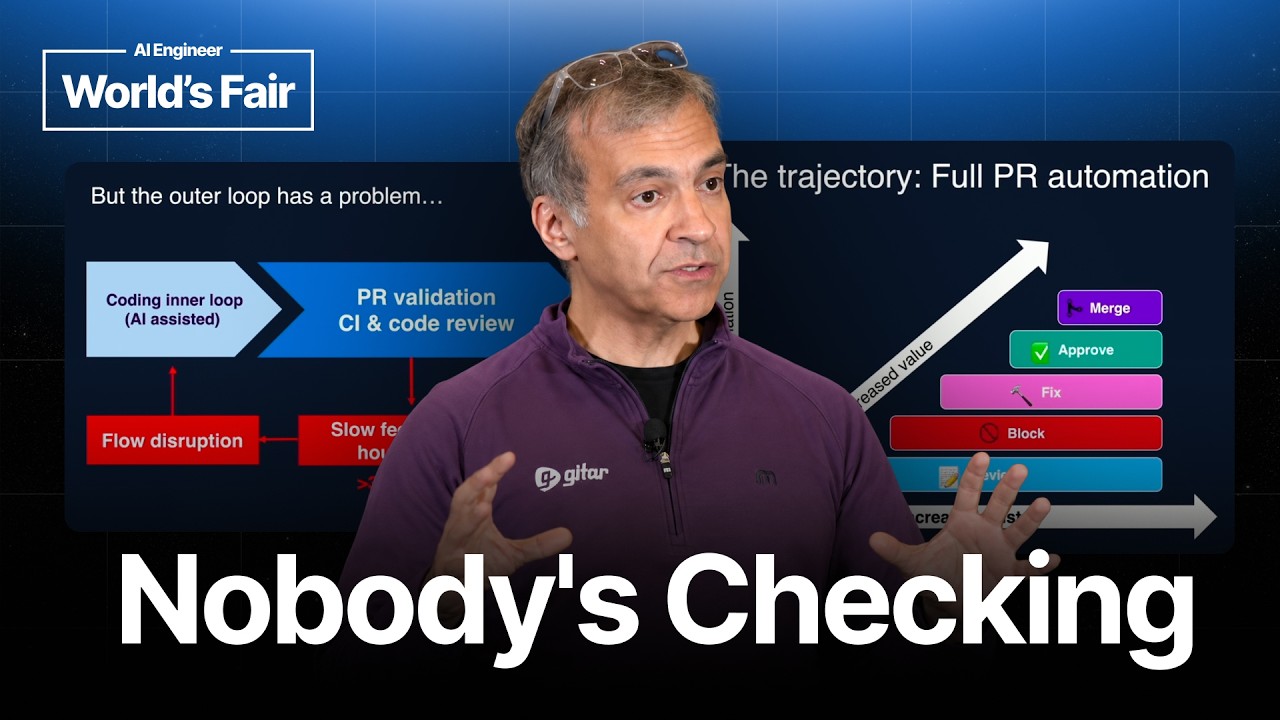
AI Writes More PRs. Who Validates Them? — Ali-Reza Adl-Tabatabai, Sonar

AI Writes More PRs. Who Validates Them? — Ali-Reza Adl-Tabatabai, Sonar

Ali-Reza Adl-Tabatabai, co-founder of Gitar (now part of Sonar), explains why AI-driven growth in PR volume and size turns CI and code review into a bottleneck, and presents agentic validation as the way out: automated review, CI failure analysis, autofix, and auto-merge, built up step by step as trust grows, combined with traditional program analysis in SonarQube.

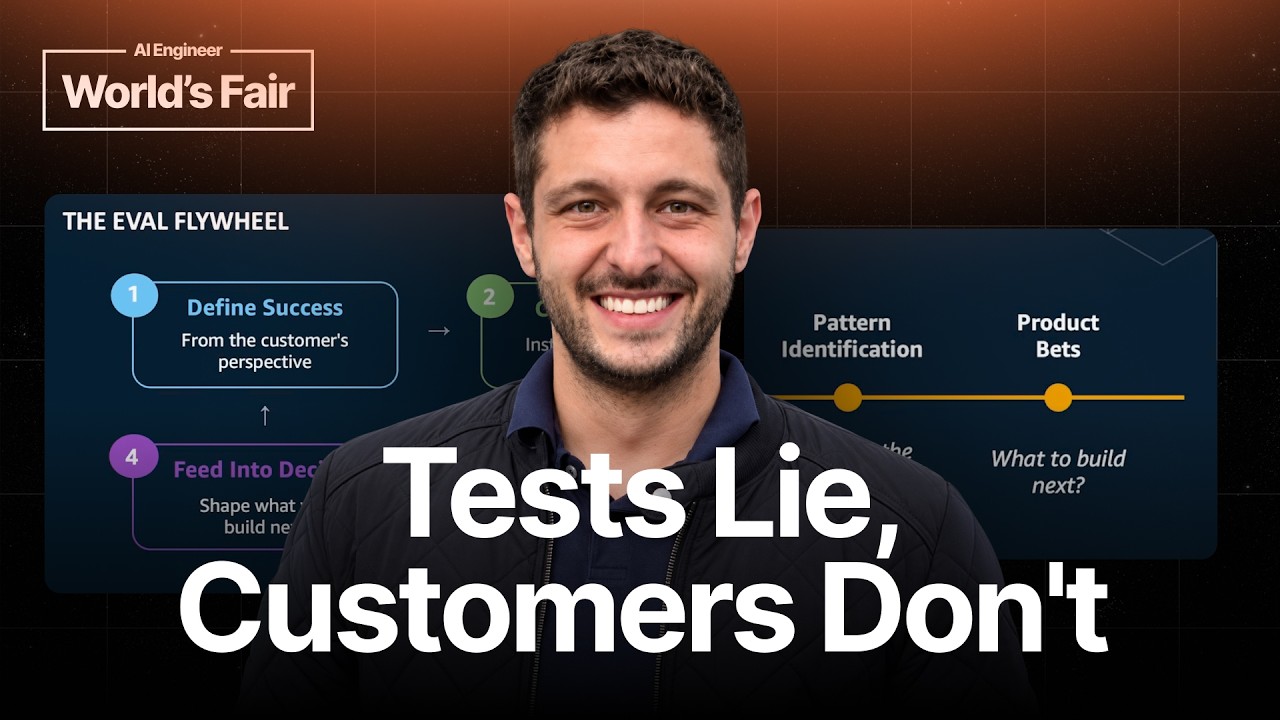
Why 80% Reliability Isn't Good Enough — Felipe Blanes, Amazon AGI Lab

Why 80% Reliability Isn't Good Enough — Felipe Blanes, Amazon AGI Lab

Felipe Blanes from the Amazon AGI Lab shares lessons from working directly with customers of Nova Act, Amazon's browser agent service, from research preview to general availability on AWS. He argues that static benchmarks leave teams hoping their evals match real usage, and proposes a customer-driven eval flywheel, the trust cliff around 90% reliability, the value of being open about limits, and principles for keeping evals fresh.