Tsmc

Tokenmaxxing vs AI Hardware Bottlenecks — with Jon Krohn (@JonKrohnLearns)

Tokenmaxxing vs AI Hardware Bottlenecks — with Jon Krohn (@JonKrohnLearns)

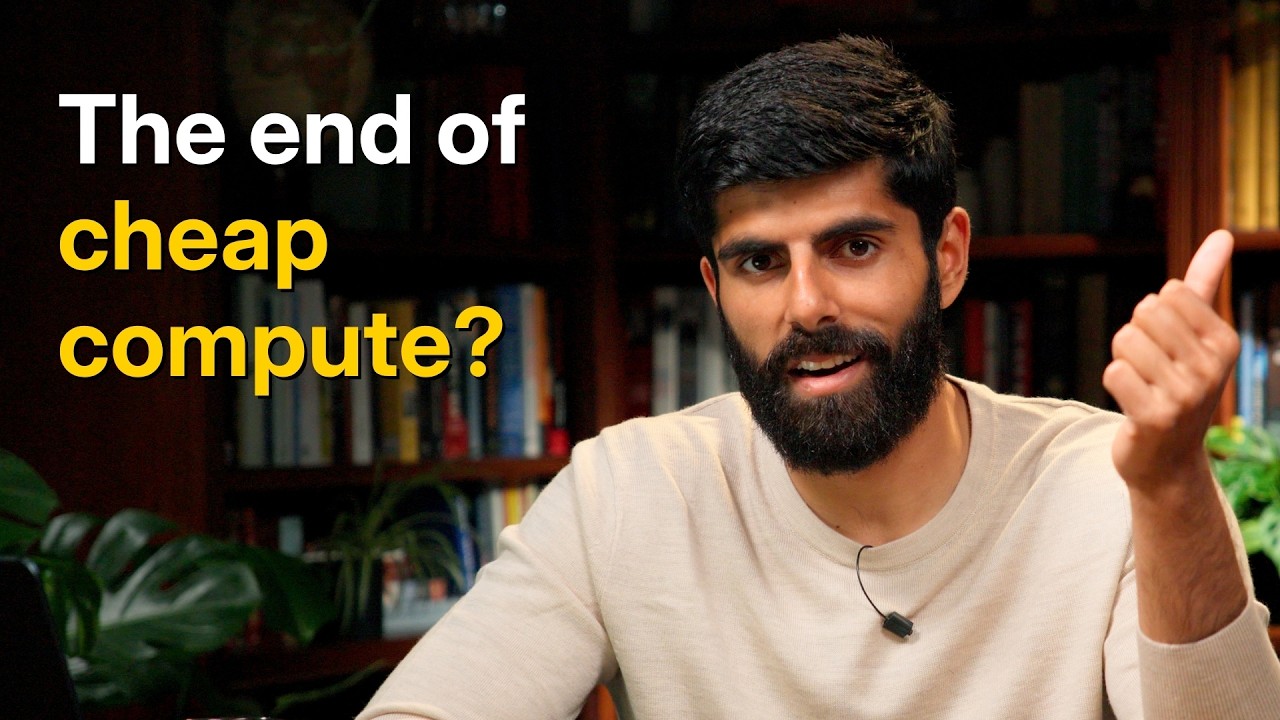
While the 'tokenmaxxing' trend grows, the AI industry faces severe physical infrastructure bottlenecks. This summary explores the four key constraints choking AI compute: GPU packaging (CoWoS), high-bandwidth memory (HBM), the surprising surge in CPU demand from agentic AI, and critical electricity shortages, revealing how these challenges are shaping the future of AI development.

Jensen Huang – Will Nvidia’s moat persist?

Jensen Huang – Will Nvidia’s moat persist?

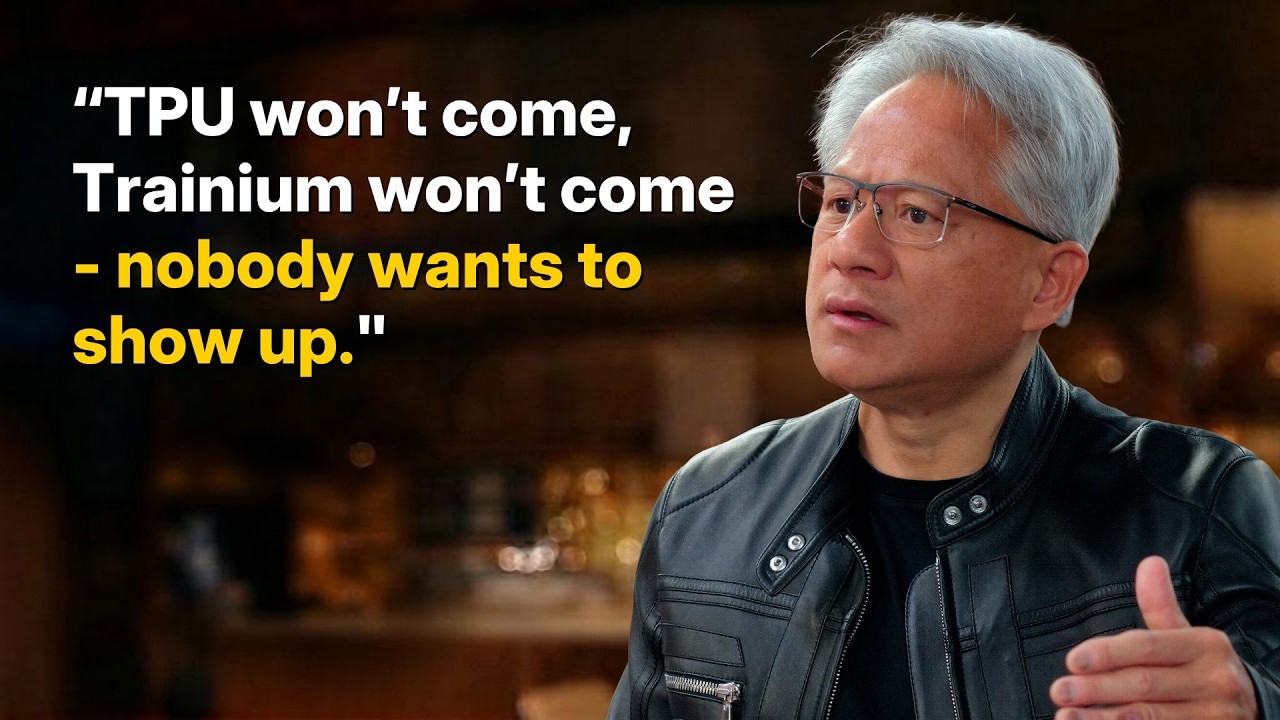
Nvidia CEO Jensen Huang discusses the company's core strategy, which he defines as transforming electrons into tokens by orchestrating a vast supply chain. He details how Nvidia's true moat lies in its ecosystem and its ability to manage supply bottlenecks. Huang contrasts Nvidia's versatile 'accelerated computing' platform with competitors like TPUs, arguing programmability via CUDA is key to AI innovation. He also presents a strong case against broad AI chip export controls on China, warning it could backfire by forcing the creation of a competing tech stack. Finally, he explains why Nvidia invests in the ecosystem rather than becoming a hyperscaler itself.

Dylan Patel Explains the AI War While Cooking | In-Context Cooking

Dylan Patel Explains the AI War While Cooking | In-Context Cooking

Dylan Patel of SemiAnalysis discusses the AI arms race, highlighting the massive $200B+ hyperscaler capex, the true semiconductor bottlenecks shifting from data centers back to fabs, the geopolitical chess game surrounding Taiwan and TSMC, and Nvidia's strategic battle against vertical integration.