System design

Bending a Public MCP Server Without Breaking It — Nimrod Hauser, Baz

Bending a Public MCP Server Without Breaking It — Nimrod Hauser, Baz

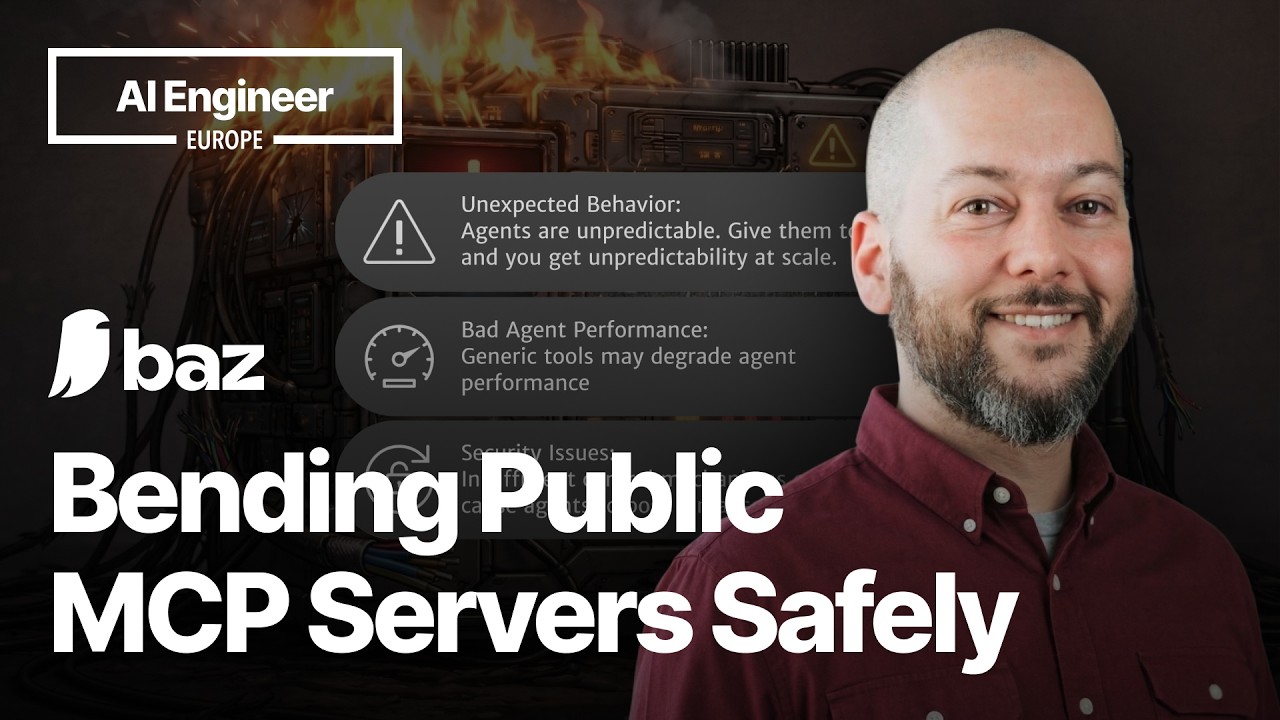
Learn practical strategies to adapt third-party MCP server tools for production AI applications. This talk covers five key practices: curating tools, enhancing descriptions, implementing deterministic guardrails, composing new tools from existing ones, and leveraging tools as simple functions, all demonstrated through a real-world "Spec Reviewer" example.
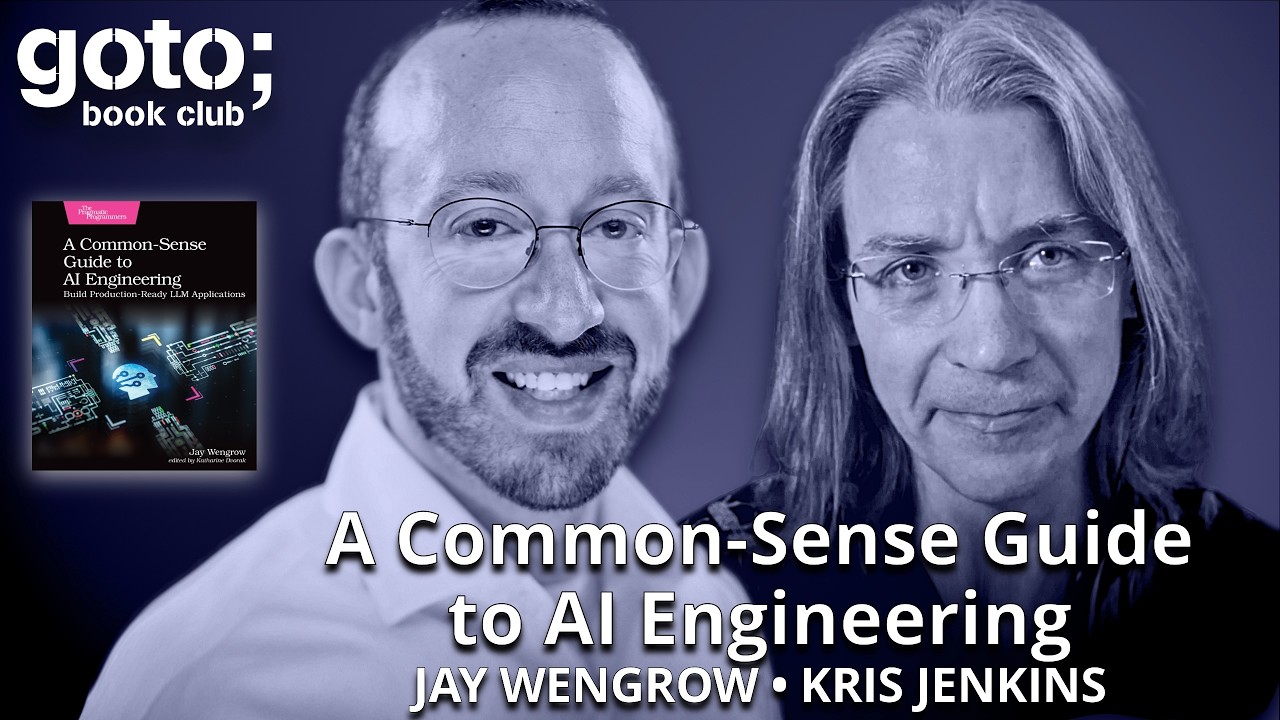
A Common-Sense Guide to AI Engineering • Jay Wengrow & Kris Jenkins • GOTO 2026

A Common-Sense Guide to AI Engineering • Jay Wengrow & Kris Jenkins • GOTO 2026

Jay Wengrow, author of “A Common-Sense Guide to AI Engineering,” breaks down how AI agents work, describing the 'clever hack' of intercepting LLM output to trigger functions. The discussion covers multi-agent architectures for complex tasks, implementing guardrails with regex and judge LLMs, and a pragmatic take on when to use frameworks versus building from scratch. Wengrow emphasizes understanding fundamentals over specific tools to create robust, production-ready AI applications.

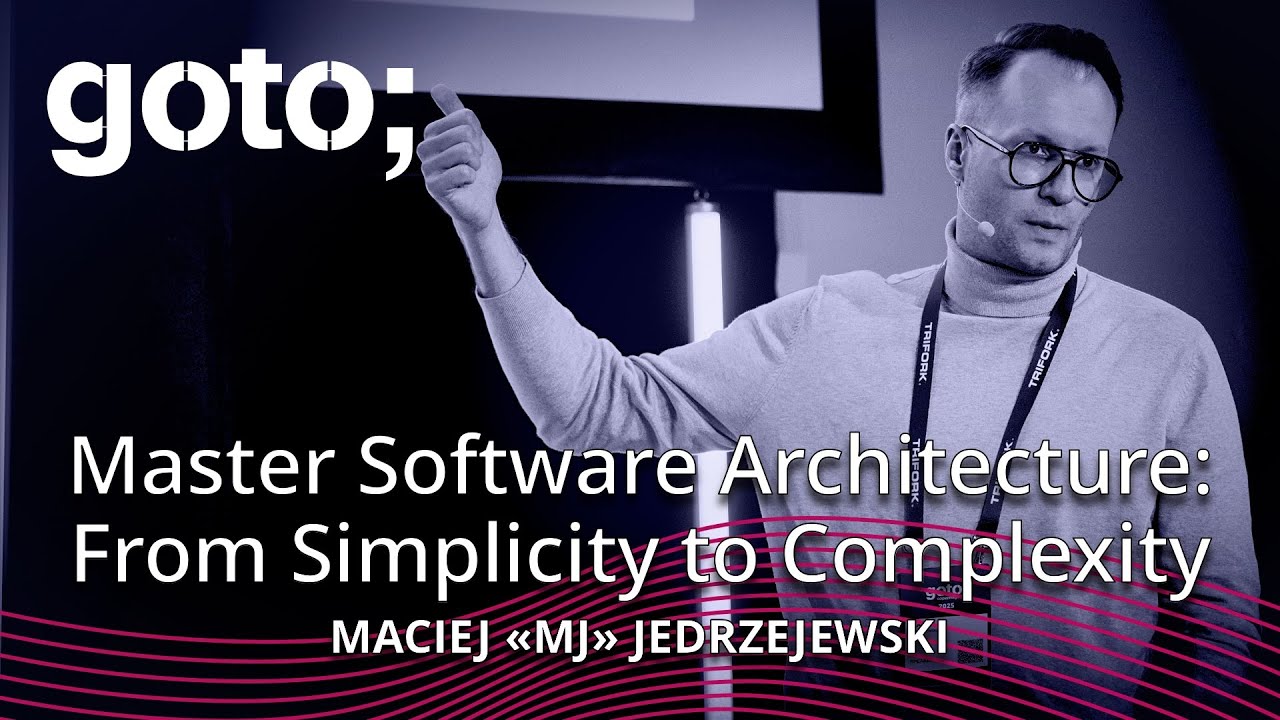
Master Software Architecture: From Simplicity to Complexity • Maciej «MJ» Jedrzejewski • GOTO 2025

Master Software Architecture: From Simplicity to Complexity • Maciej «MJ» Jedrzejewski • GOTO 2025

This presentation by Maciej Jedrzejewski explores the concept of evolutionary software architecture, arguing that architecture is not a static, upfront design but a continuous process. It delves into the cognitive biases that lead to over-engineering, emphasizes the critical role of context, and provides a practical four-step model for evolving systems from simplicity to complexity.

4 Ways AI Agents Should Behave for Smarter Systems

4 Ways AI Agents Should Behave for Smarter Systems

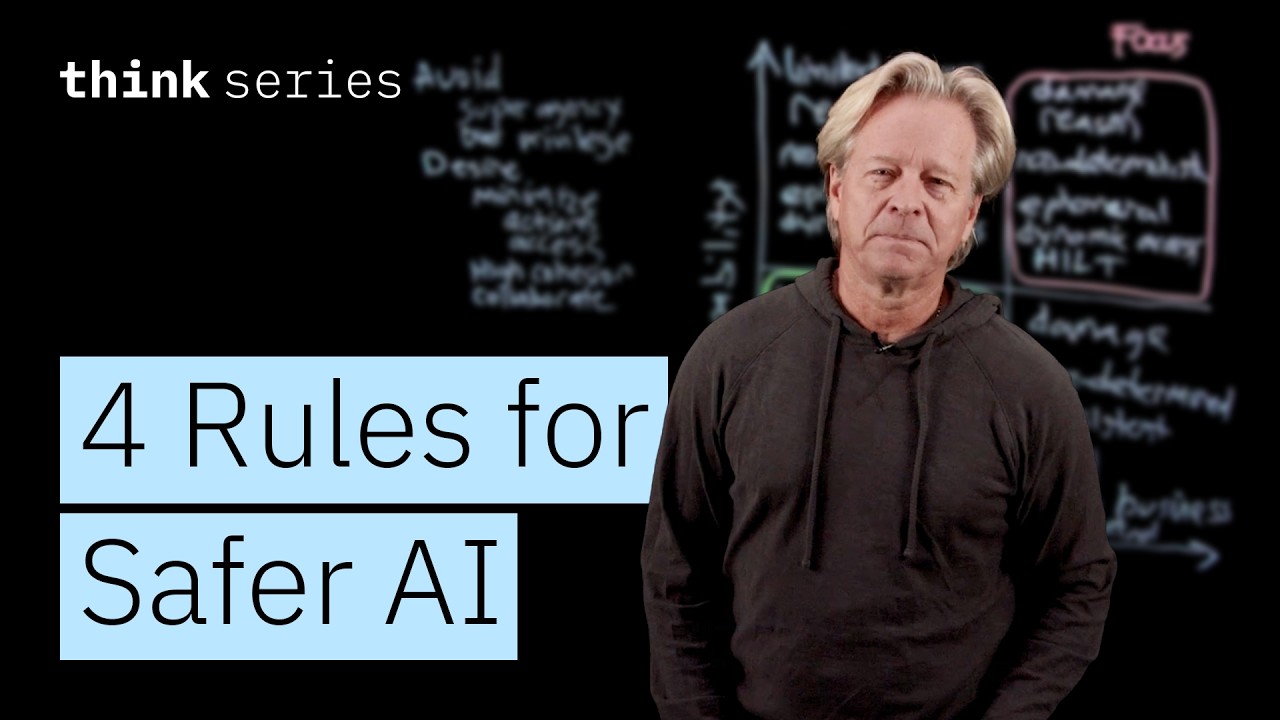
Grant Miller challenges the "Hollywood view" of AI super agents, proposing a shift towards collaborative, specialized agentic systems. He introduces a framework for categorizing agents based on their risk and capability, detailing how to design safer, more effective AI applications by minimizing access, implementing dynamic controls, and incorporating a human-in-the-loop for high-risk tasks.

How AI covered a human’s paternity leave // Quinten Rosseel

How AI covered a human’s paternity leave // Quinten Rosseel

A practitioner's guide to deploying a text-to-SQL agent in a real-world business environment. The talk covers the critical lessons learned in moving from concept to production, focusing on the importance of the communication channel (Slack), the necessity of a semantic layer over benchmark scores, and a pragmatic approach to system architecture, testing, and evaluation.

Beyond the Gold Standard: Evaluating and Trusting Agents in the Wild // Sanjana Sharma

Beyond the Gold Standard: Evaluating and Trusting Agents in the Wild // Sanjana Sharma

A deep dive into the challenges of deploying AI agents in production, arguing that reliability stems not from model intelligence but from a "system-first" approach. The talk introduces a new architecture that separates the LLM's reasoning from a versioned, auditable "Context Layer" containing business logic and expert knowledge, which is continuously updated through a "Living Ground Truth" loop driven by expert feedback.