Startup strategy

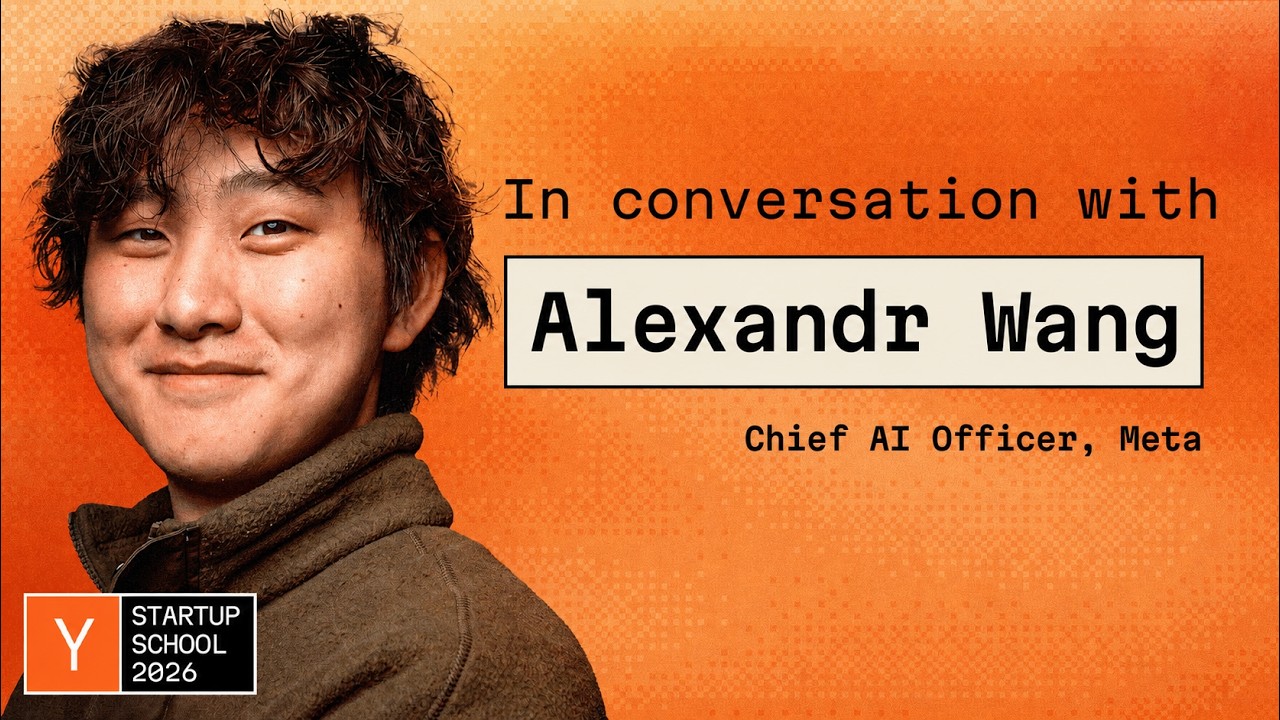
Alexandr Wang: From Los Alamos to Superintelligence

Alexandr Wang: From Los Alamos to Superintelligence

Alexandr Wang discusses his journey from Scale AI to Meta's superintelligence lab, emphasizing the importance of conviction, systems thinking, and identifying exponential growth opportunities in AI. He highlights Meta's vision for 'personal superintelligence,' the strategic role of open-source and affordable models, and the immense potential of agentic looping for driving innovation and outcompeting incumbents. His core advice for young entrepreneurs is to develop an unshakeable internal compass for the future, embracing vision and ambition as the new scarce resources.
What Big Tech Missed And How Startups Can Still Win

What Big Tech Missed And How Startups Can Still Win

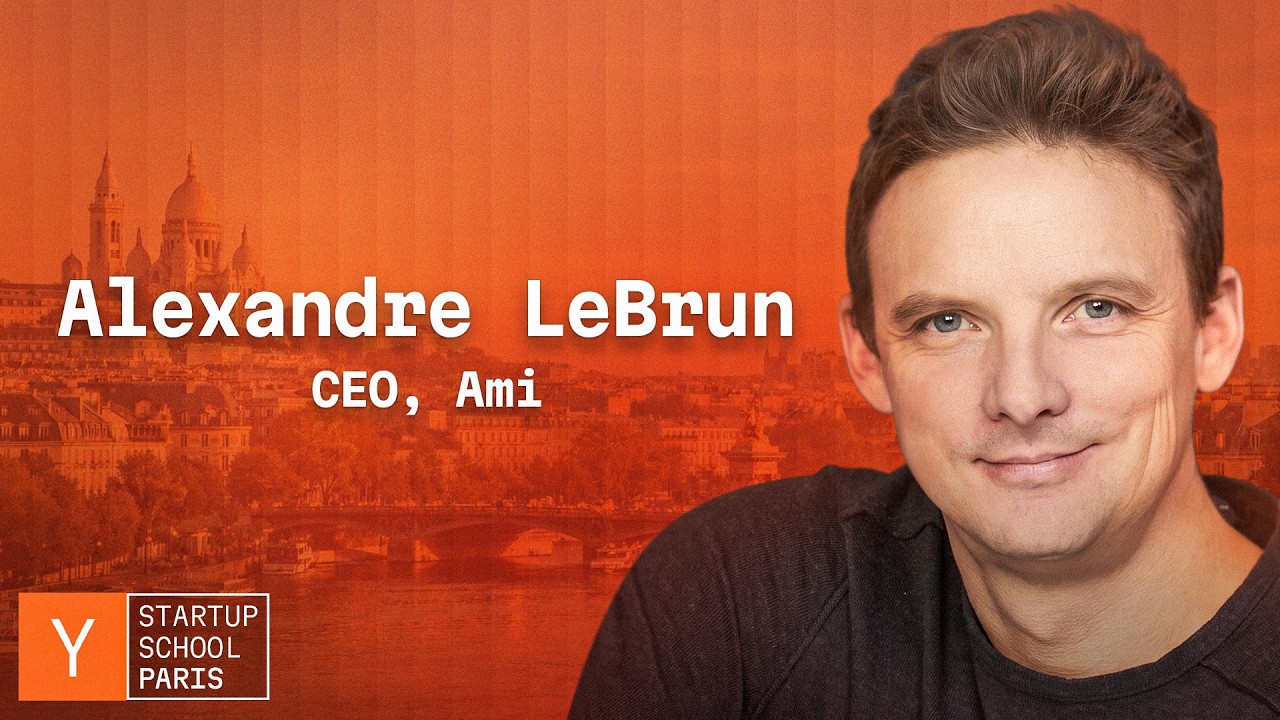
Alexandre LeBrun, CEO of AMI Labs, discusses his career building and selling AI companies, emphasizing his strategy of tackling problems "20 years too early." He delves into AMI Labs' contrarian bet on "world models" over traditional LLMs, highlighting their ability to learn directly from real-world sensory data, unlike LLMs which learn from human-written text. LeBrun explains how this approach is critical for developing intelligent robots and avoiding the pitfalls of Vision-Language Assistants (VLAs). He also touches upon the challenges of securing talent, data, and compute for such an ambitious project, the strategic choice of location, and the importance of holding an extremely large vision while solving a narrow problem for early founders.

How Two French Engineers In New York Built The Company That Monitors The Entire Cloud

How Two French Engineers In New York Built The Company That Monitors The Entire Cloud

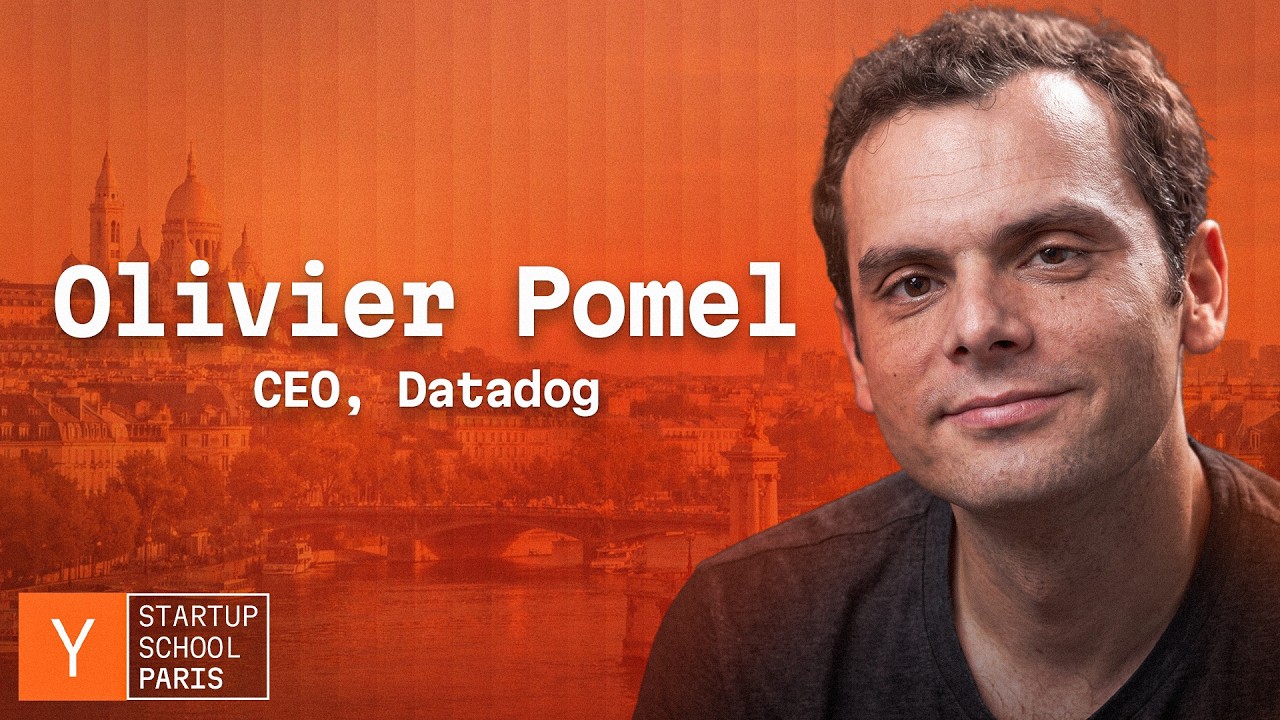
Datadog CEO Olivier Pomel shares his journey, emphasizing the company's evolution from a DevOps insight to a public tech giant. He discusses the resilience required to overcome early rejections, his hands-on leadership style focused on raw customer feedback, and how Datadog is rapidly adapting to the AI revolution by prioritizing automation and faster iteration in product development and internal processes. Pomel also offers candid advice on co-founder relationships and the critical importance of moving quickly in both hiring and firing.

The AI-Native Startup Playbook (Ep. 1008 with Jon Krohn)

The AI-Native Startup Playbook (Ep. 1008 with Jon Krohn)

Anthropic's Founder's Playbook redefines startup building in the AI era, emphasizing that AI has removed traditional bottlenecks, making execution cheap and judgment the scarce resource. The playbook outlines four stages—Idea, MVP, Launch, and Scale—providing practical guidance on sharpening problem statements, using AI as a devil's advocate, combating agentic technical debt, achieving true product-market fit, and building defensible moats against incumbents. The overarching message: prioritize strategic sense-making over effortless building.

How Warp Went From YC to a $60M Series B

How Warp Went From YC to a $60M Series B

Warp founder & CEO Ayush Sharma discusses building an AI-native employee management platform in a competitive market, detailing how "unsexy" payroll problems became a powerful wedge and why AI fundamentally shifts enterprise software development. He explains what "AI-native" means for product architecture and company structure, the advantage it gives technical founders, and Warp's vision for "systems of intelligence" to empower customers with AI agents for complex HR workflows.

The Age Of The 40-Year-Old Solo Founder Is Here

The Age Of The 40-Year-Old Solo Founder Is Here

Bryant Chou, co-founder of Webflow, introduces his new AI-powered platform, Ploy. This episode delves into how Ploy transcends traditional website builders by integrating analytics, CRM, and SEO to autonomously optimize marketing. Chou discusses Ploy's 'anti-slop' approach, leveraging curated data and expertise to produce high-quality web designs, and reflects on building a startup in the AI era compared to Webflow's early days. He also explores the competitive moat of purpose-built AI, the concept of 'agents as customers,' and how experienced founders can leverage AI to 'clone themselves' and achieve unprecedented speed and scale.