Software engineering

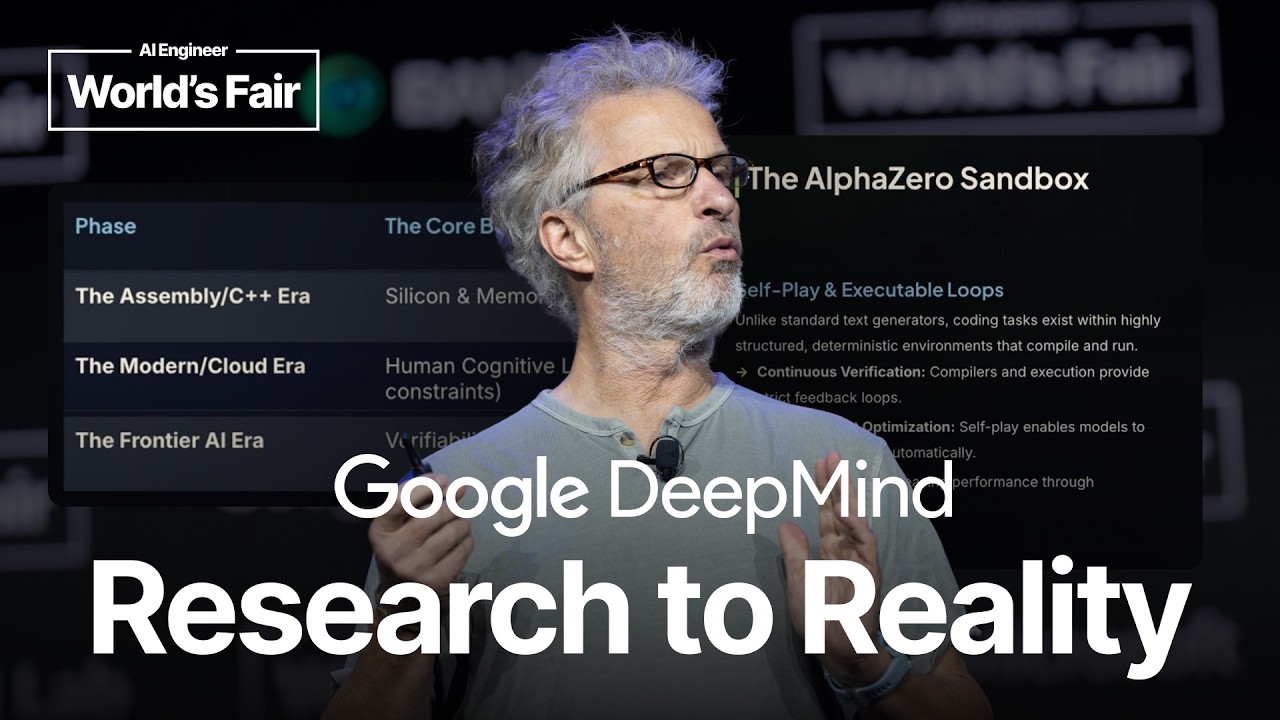
Research to Reality with Google DeepMind — Benoit Schillings, Google DeepMind, VP of Technology

Research to Reality with Google DeepMind — Benoit Schillings, Google DeepMind, VP of Technology

Benoit Schillings, VP of Technology at Google DeepMind, explores the evolution of AI's role in software development, highlighting the transition from human-limited coding to an AI frontier where syntax generation is solved. He delves into the power of self-play for model training, the shifting economics of software engineering, and the imperative for active guardrails. Schillings also discusses the need for inductive architecture, advanced model planning, multimodal reasoning (as seen in Gemini), and the potential for AI to drive scientific breakthroughs in fields like chemistry and biology by uncovering patterns imperceptible to human bias.
Simon Willison in conversation with Cat Wu & Thariq Shihipar, Anthropic

Simon Willison in conversation with Cat Wu & Thariq Shihipar, Anthropic

A Q&A with Anthropic's Cat Wu and Thariq Shihipar on how Claude Code and agentic AI are fundamentally changing software development, from workflow shifts and engineering norms to safety, model trust, and team collaboration. The discussion covers the rapid evolution of coding agents, the rise of proactive agents like Claude Tag, new approaches to code review and system prompt optimization, and Anthropic's robust safety measures including Auto Mode.

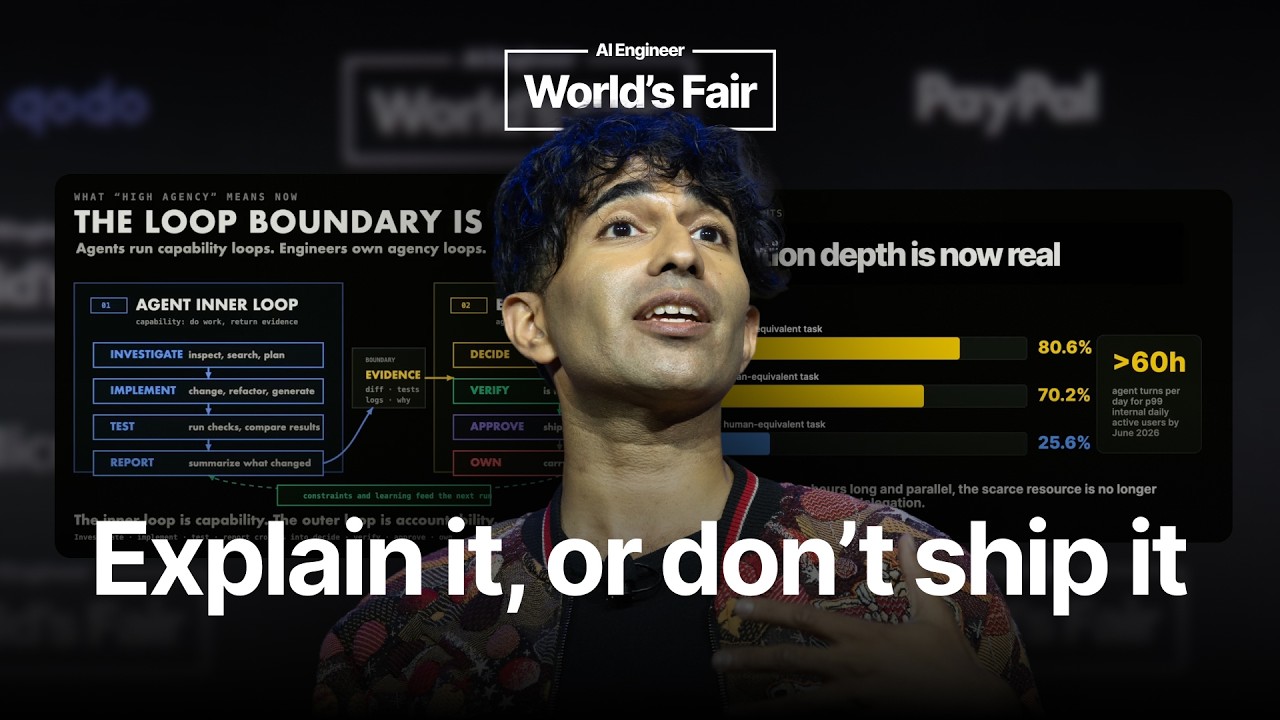
Don't Build Agents You Can't Answer For — Addy Osmani

Don't Build Agents You Can't Answer For — Addy Osmani

Addy Osmani discusses the evolving role of software engineers in the age of AI agents, emphasizing a shift from code production to human judgment, accountability, and system ownership. He highlights new challenges like cognitive debt and the "orchestration tax," proposing that the modern engineer's value lies in "answerability," taste, and discerning which paths warrant human investment and responsibility.

What is an AI Code Generator? LLM Coding, Productivity, & Risk

What is an AI Code Generator? LLM Coding, Productivity, & Risk

AI code generators leverage LLMs to translate natural language into code, significantly boosting developer productivity and job satisfaction by automating boilerplate and accelerating learning. However, they introduce risks like subtle security vulnerabilities and require rigorous human review. Evaluating tools hinges on trust, demanding features like data provenance, governance, secure deployment, and curated training data for enterprise adoption.

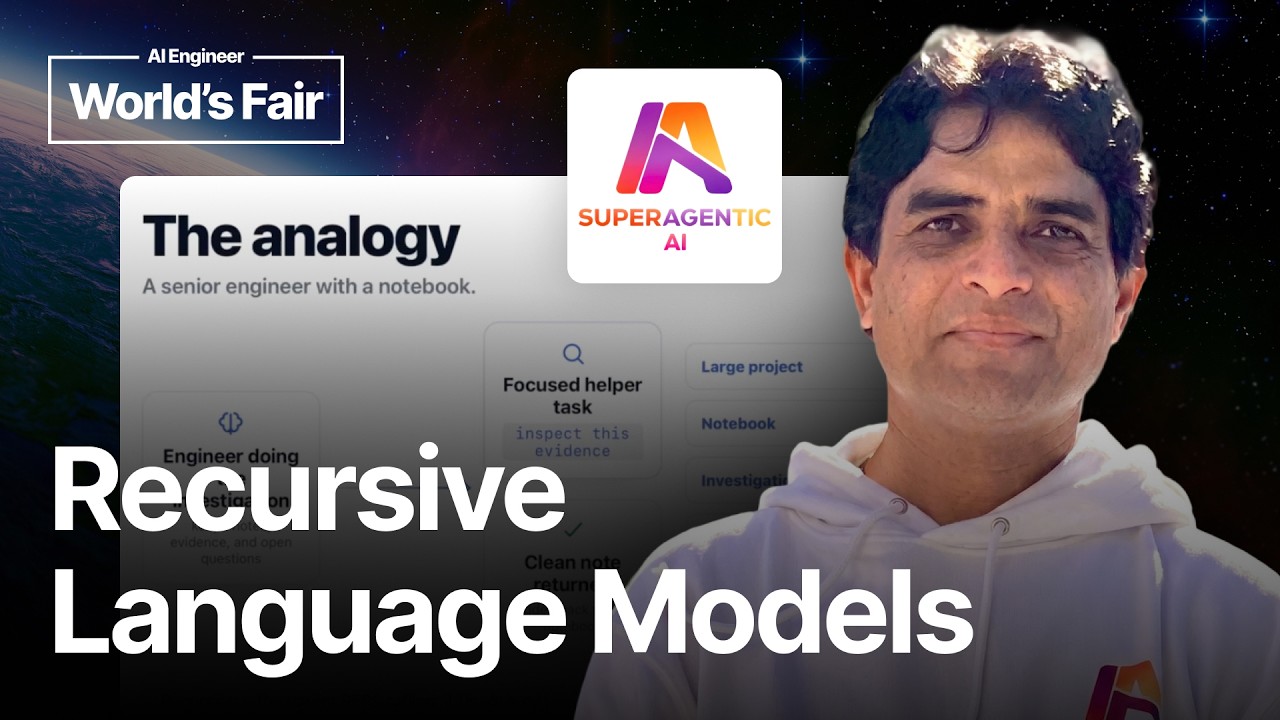
RLM: Recursive Language Models for Large Codebases - Shashi, Superagentic AI

RLM: Recursive Language Models for Large Codebases - Shashi, Superagentic AI

This talk introduces Recursive Language Models (RLM) as a solution for coding agents struggling with large codebases. RLM externalizes context management into a programmable REPL, allowing the model to write code, inspect the repository, and recursively delegate sub-questions via `llm_query` to curate relevant context. The speaker demonstrates `RLM Code`, an independent implementation, showcasing its operational loop, observability features, and practical applications for AI engineers dealing with complex software projects.

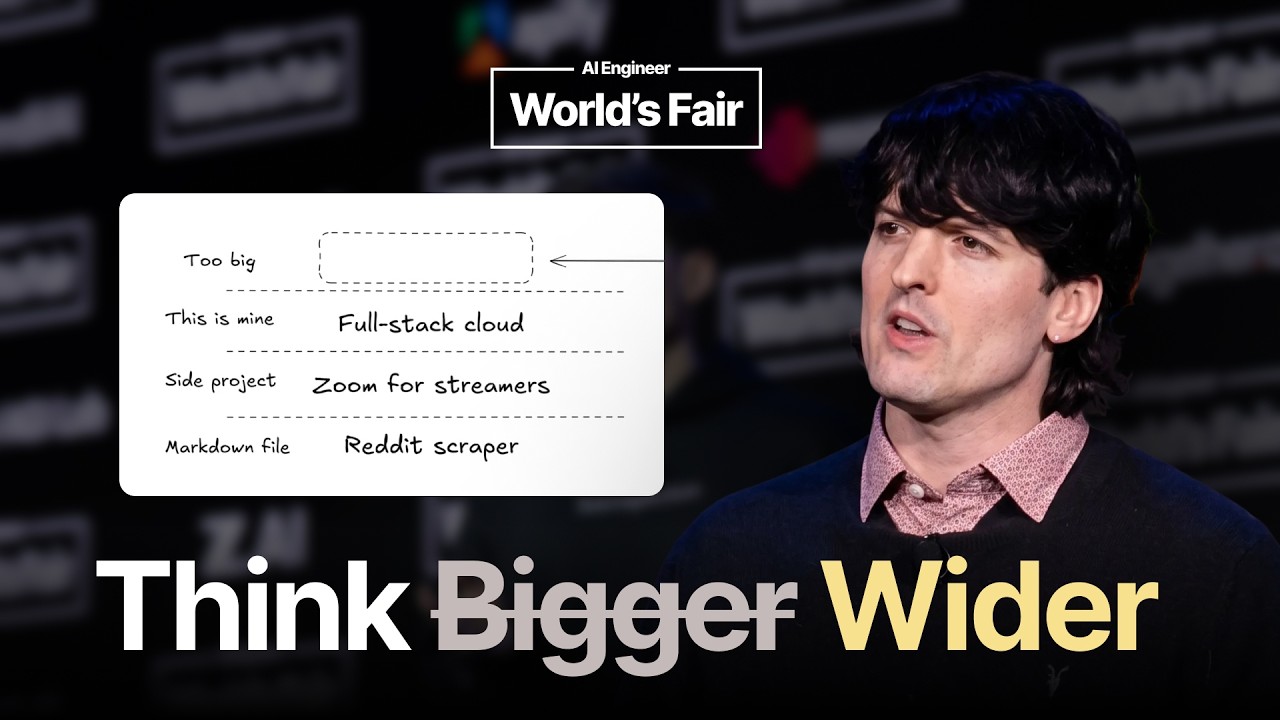
What do we build now? — Theo Browne, @t3dotgg

What do we build now? — Theo Browne, @t3dotgg

Theo Browne's keynote from AIEWF2026 urges software engineers to fundamentally change product development in response to rapidly evolving AI models (Sonnet 3.5 to Mythos). He advocates for rejecting legacy mental models and tools (skeuomorphism), embracing a new "Markdown tier" for projects, and thinking "wider" instead of just "deeper" by building extensible platforms that can challenge industry giants. The core message is to be more ambitious, as AI has drastically lowered the barrier to entry for complex, broad-reaching solutions.