Rag

AI Models as a Service: Powering Agentic AI, Privacy, & RAG

AI Models as a Service: Powering Agentic AI, Privacy, & RAG

Cedric Clyburn explains the Models-as-a-Service (MaaS) pattern, detailing how organizations can build their own private AI infrastructure to deploy models like LLMs securely and at scale. He covers the benefits over public APIs, including cost control, data sovereignty, and lifecycle management, and outlines a technical architecture using Kubernetes, API gateways, and observability tools.
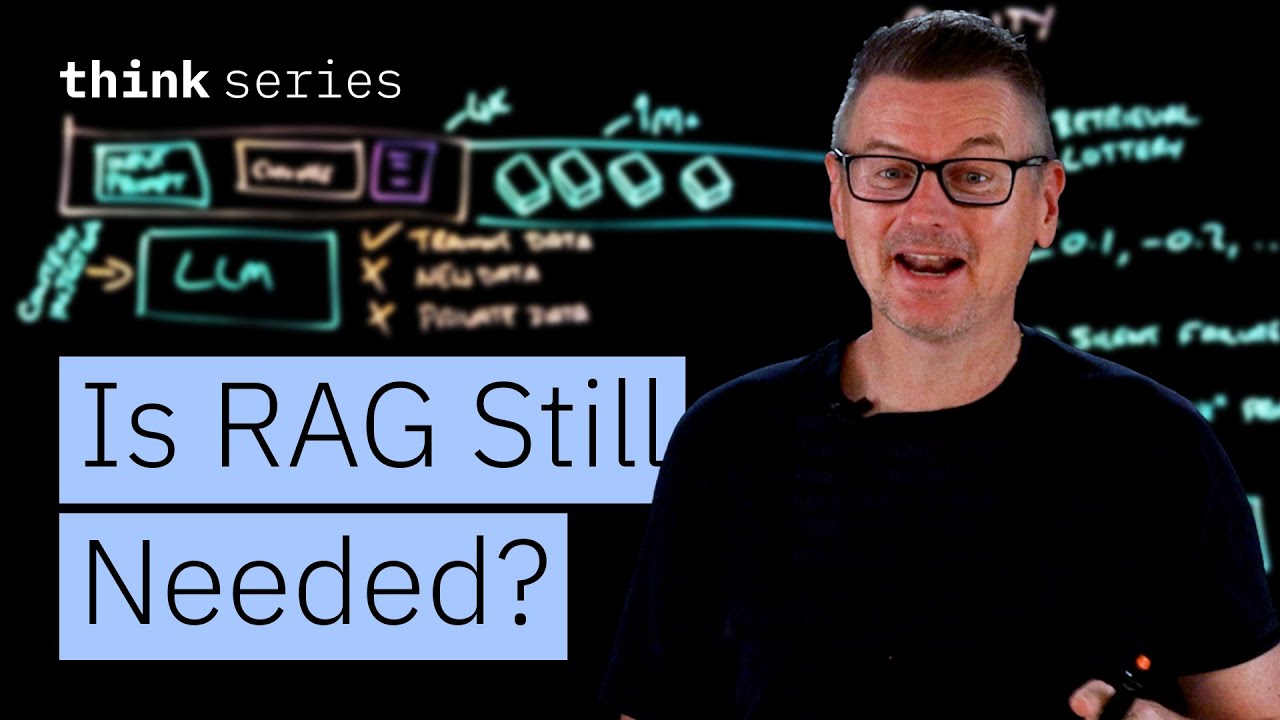
Is RAG Still Needed? Choosing the Best Approach for LLMs

Is RAG Still Needed? Choosing the Best Approach for LLMs

Martin Keen compares Retrieval Augmented Generation (RAG) with the emerging long context window approach in LLMs. He analyzes the pros and cons of each, from infrastructure simplicity and retrieval accuracy to computational costs and the 'needle in the haystack' problem, providing guidance on when to use each solution.

OpenClaw's Memory Sucks and the fix is simple — Dhravya Shah, Supermemory

OpenClaw's Memory Sucks and the fix is simple — Dhravya Shah, Supermemory

Dhravya Shah, founder of Super Memory, details the evolution of his company from a simple RAG-based consumer app to a sophisticated, open-source context infrastructure for AI, and introduces a novel hooks-based memory solution for OpenClaw.

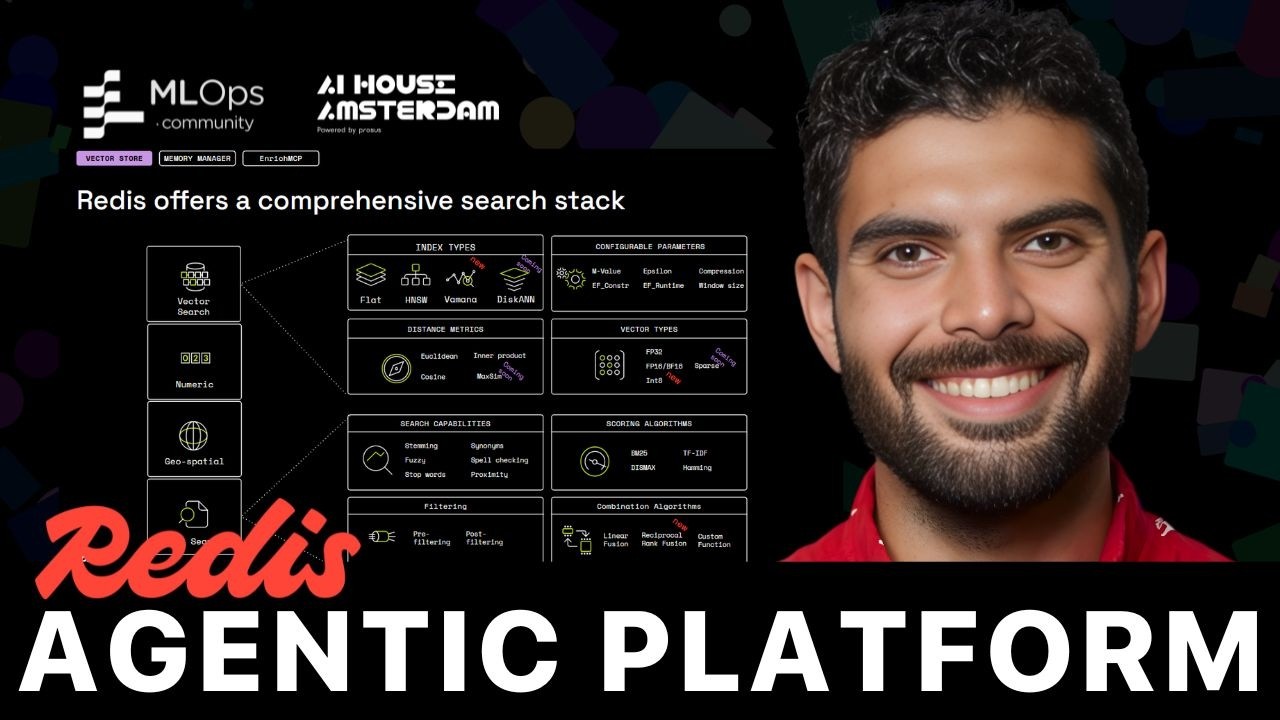
Context Engineering 2.0: MCP, Agentic RAG & Memory // Simba Khadder

Context Engineering 2.0: MCP, Agentic RAG & Memory // Simba Khadder

Simba Khadder of Redis introduces Context Engineering 2.0, a new paradigm for AI agents that unifies structured data, unstructured data (RAG), and memory into a single, schema-driven surface. He critiques current methods like Text-to-SQL and direct API wrapping, proposing a unified context engine to provide reliable, observable, and performant data access for agents.

A Playground for AI Engineers

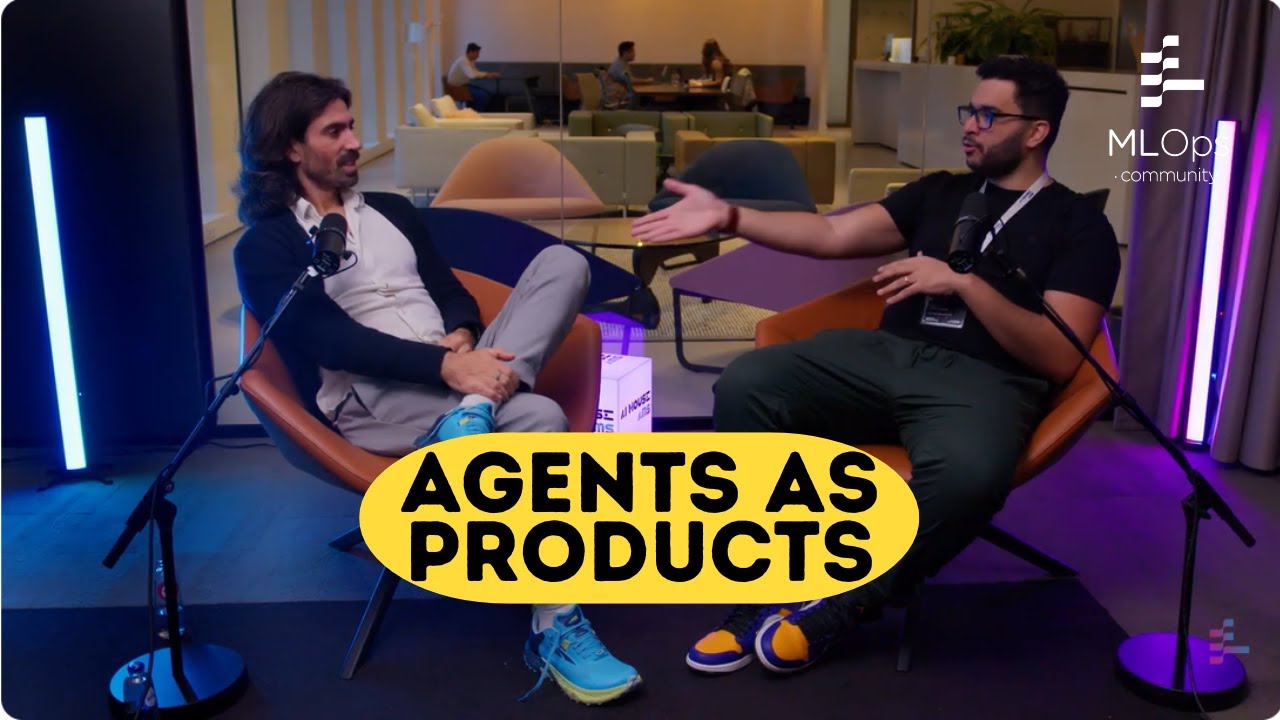
A Playground for AI Engineers

Paulo Vasconcellos from Hotmart details their journey of building "Agent as a Product", explaining how they blend classic ML models with LLMs for efficiency, evolve their MLOps platform for the generative AI era, and create real business value through AI-powered tutors and sales agents.

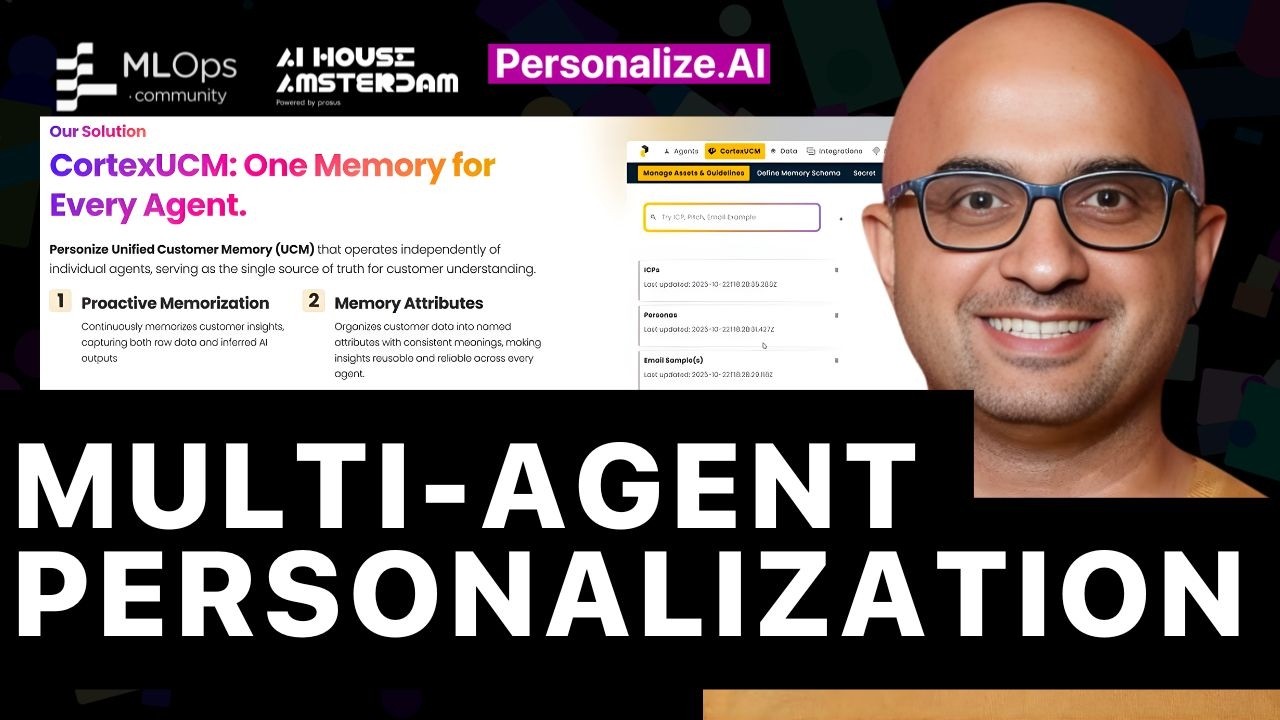
Multi-Agent Personalization with Shared Memory: From Email to Website to Proposal // Hamed Taheri

Multi-Agent Personalization with Shared Memory: From Email to Website to Proposal // Hamed Taheri

This talk explores the challenges of using multi-agent systems for mass personalization, highlighting the inconsistencies and inaccuracies that arise from traditional methods like RAG and function calling. The speaker introduces Cortex UCM, a unified customer memory system that proactively infers and standardizes customer insights. This shared, structured memory layer enables agents to achieve a deep, consistent understanding of customers, leading to high-quality, scalable generative personalization for emails, websites, and product pages.