Predictive ai

Predictive vs Generative AI: How They Work and When to Use Each

Predictive vs Generative AI: How They Work and When to Use Each

Predictive AI forecasts what will happen next based on historical data, while Generative AI creates new content by asking what something could look like. This summary explores their fundamental differences in outputs, data types, underlying models like transformers and diffusion systems, and how they can be used together in enterprise applications.
Graph Neural Networks Just Solved Enterprise AI?

Graph Neural Networks Just Solved Enterprise AI?

Jure Leskovec introduces Relational Foundation Models (RFMs), a new class of models based on graph neural networks that learn directly from raw, multi-table enterprise data. This approach bypasses manual feature engineering, leading to more accurate, faster-to-deploy, and easier-to-maintain predictive models for tasks like churn prediction, fraud detection, and recommendation systems.

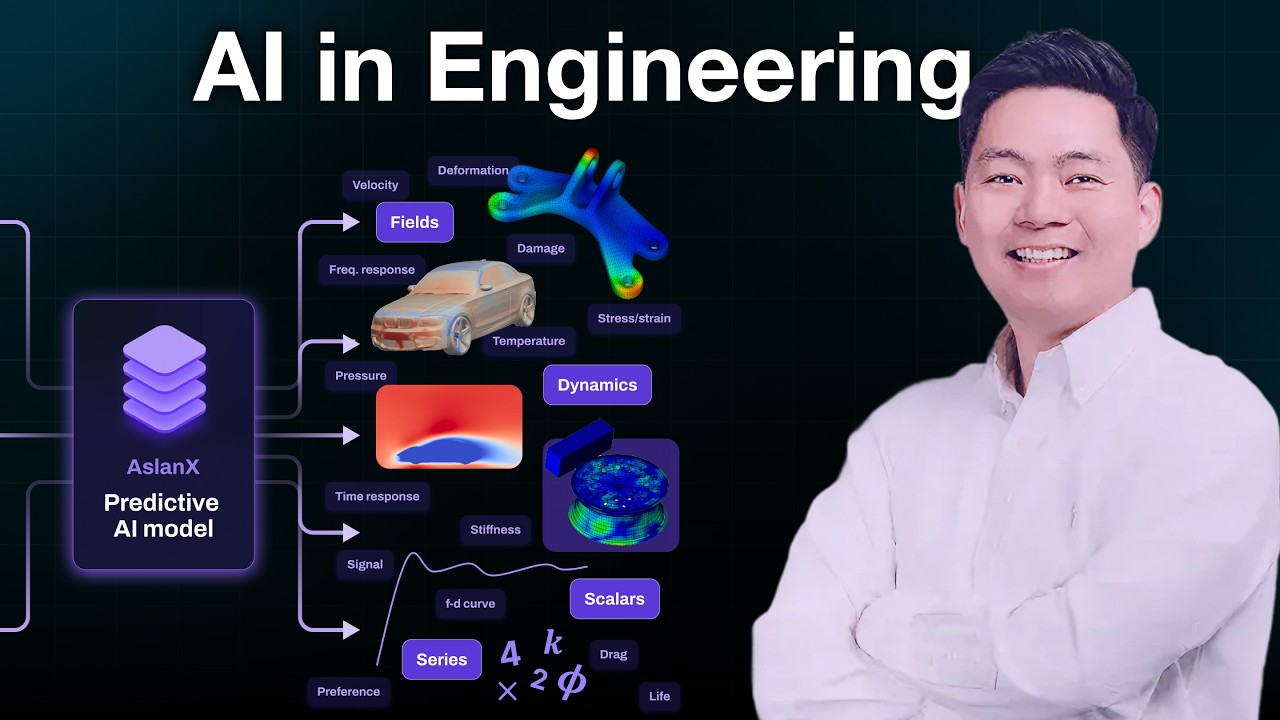
The Biggest Mistakes Companies Make With Manufacturing AI - Namwoo Kang | Deep Dive

The Biggest Mistakes Companies Make With Manufacturing AI - Namwoo Kang | Deep Dive

Namwoo Kang, CEO of Narnia Labs, outlines why AI Transformation (AX) is now a survival necessity in manufacturing. He details a five-part strategy for successful AI adoption—focusing on problem definition, data, models, execution, and skills—and introduces AselanX, a no-code platform designed to empower domain experts to solve complex engineering problems without deep AI expertise.

912: In Case You Missed It in July 2025  — with Jon Krohn (@JonKrohnLearns)

912: In Case You Missed It in July 2025 — with Jon Krohn (@JonKrohnLearns)

A review of five key interviews covering the importance of data-centric AI (DMLR) in specialized fields like law, the challenges of AI benchmarking, strategies for domain-specific model selection using red teaming, the power of AI in predicting human behavior, and the shift towards building causal AI models.