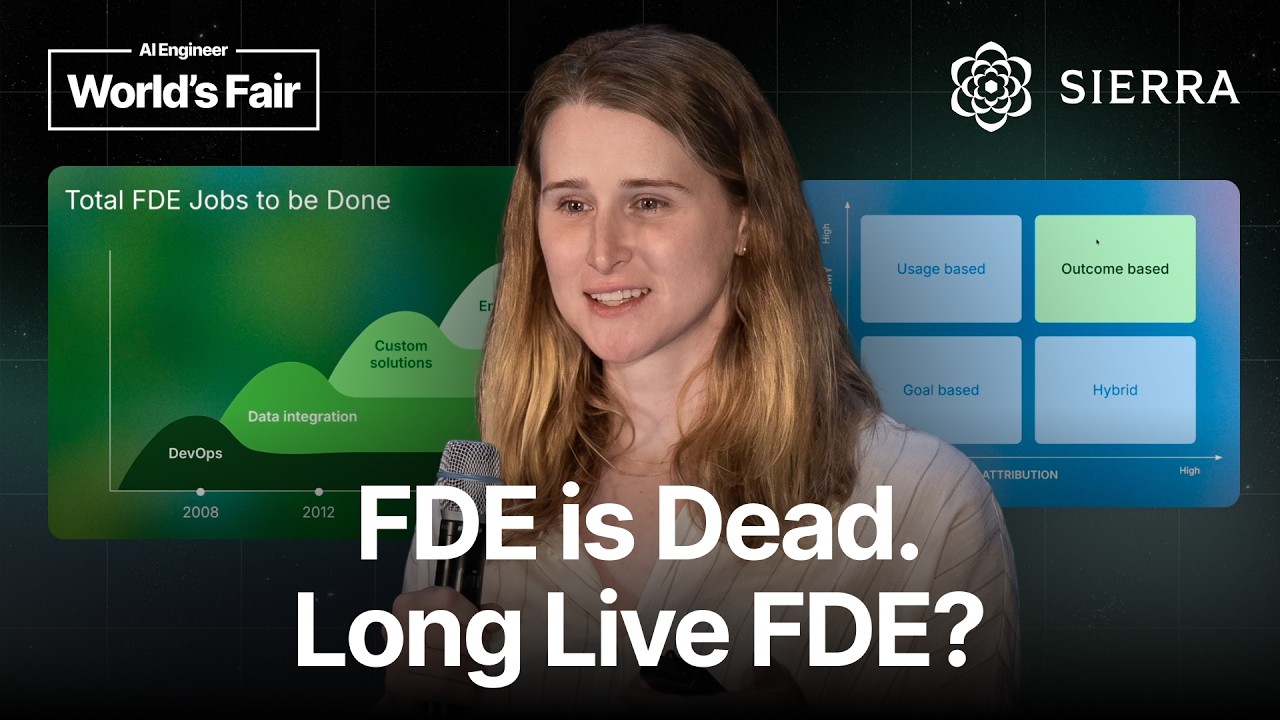
Outcome based pricing

The Dirty Secret of Forward Deployed Engineering — Natalie Meurer, Sierra

The Dirty Secret of Forward Deployed Engineering — Natalie Meurer, Sierra

Natalie Meurer discusses the "dirty secret" of Forward Deployed Engineering (FDE), arguing that its definition has broadened so much it has lost specific meaning, yet remains critical in the age of AI. She traces its evolution at Palantir from pure DevOps to data integration, custom solutions, and enablement, highlighting customer accountability as its enduring core. Meurer contends that as AI makes code cheap, the focus shifts to integrating data, understanding customers, and achieving outcomes—making agent engineering a direct descendant of FDE under a new name, especially evident in the move towards outcome-based pricing models.
Software is Eating Labor

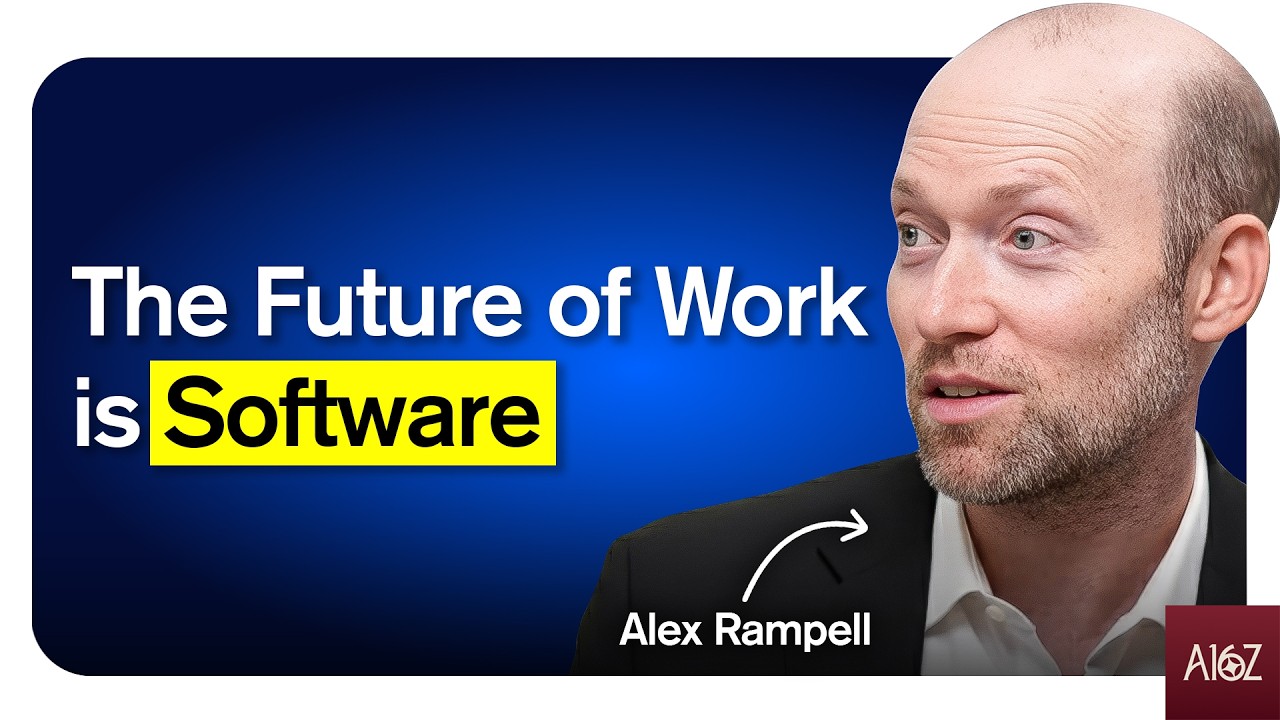
Software is Eating Labor

Alex Rampell of a16z explains how software is evolving from digitizing records to performing labor, shifting the industry's focus from the $300 billion SaaS market to the $13 trillion labor market. This transition, accelerated by AI, is forcing a change in business models from seat-based pricing to outcome-based pricing, creating new opportunities and expanding the total addressable market.

He saved OpenAI, invented the “Like” button, and built Google Maps: Bret Taylor (Sierra)

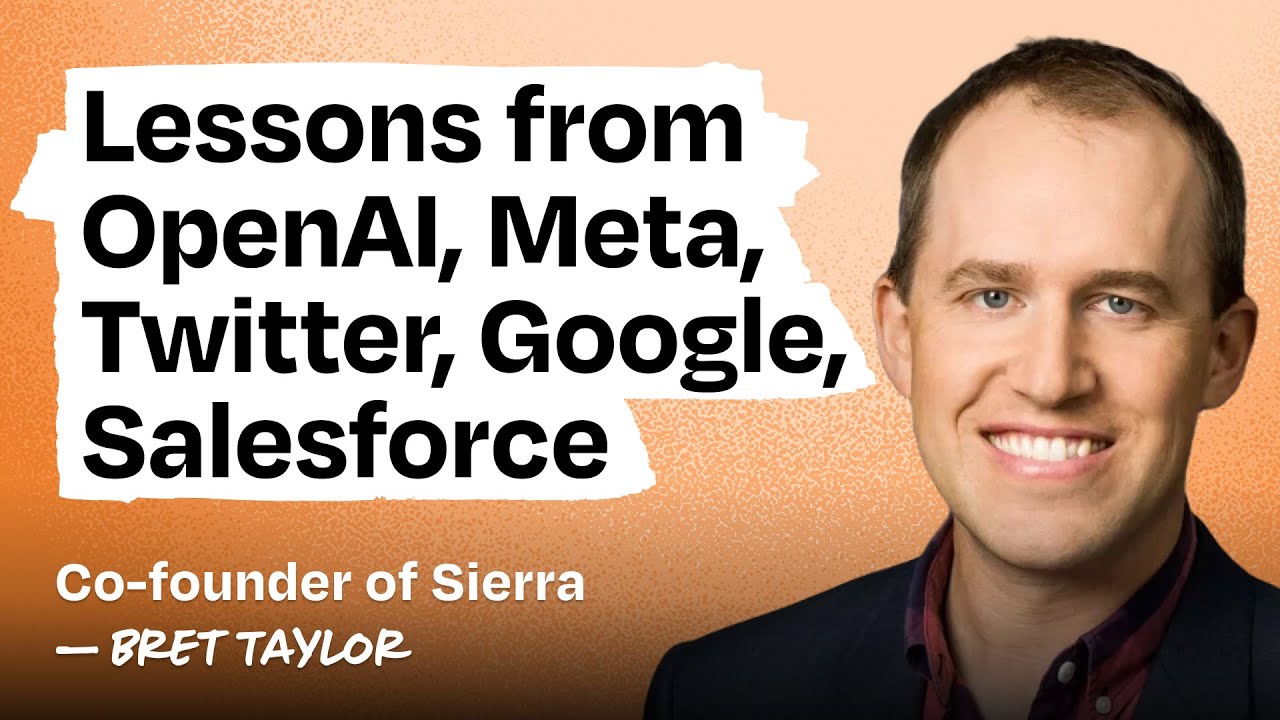
He saved OpenAI, invented the “Like” button, and built Google Maps: Bret Taylor (Sierra)

Bret Taylor discusses the AI market's shift to autonomous agents and outcome-based pricing, the future of coding with AI, and strategic advice on GTM, pricing, and where to build in the new AI landscape. He shares career-defining lessons from Google, Facebook, and Salesforce.

Pricing your AI product: Lessons from 400+ companies and 50 unicorns | Madhavan Ramanujam

Pricing your AI product: Lessons from 400+ companies and 50 unicorns | Madhavan Ramanujam

Madhavan Ramanujam, a leading expert on monetization, shares a framework for pricing and scaling AI products. He discusses why AI companies can capture 25-50% of the value they create, how to choose the optimal pricing model using a 2x2 of attribution and autonomy, and provides advanced tactics for negotiation and reframing POCs as business case creation.