Organizational design

Y Combinator CEO on Founder Psychology in the Age of AI

Y Combinator CEO on Founder Psychology in the Age of AI

Garry Tan, President and CEO of Y Combinator, discusses how AI is fundamentally reshaping the startup landscape. He covers the evolution of Silicon Valley culture, the lessons learned from two decades of tech cycles, and why earnestness and courage trump chasing trends. The conversation delves into the transformative power of AI agents in creating "400x" founders, the obsolescence of traditional SaaS, and how small, agent-powered teams can achieve unprecedented scale. Tan also explores the future of consumer AI, the impact of AI on organizational bureaucracy, and the "white pill" perspective on AI adoption, concluding with thoughts on local politics and community engagement.
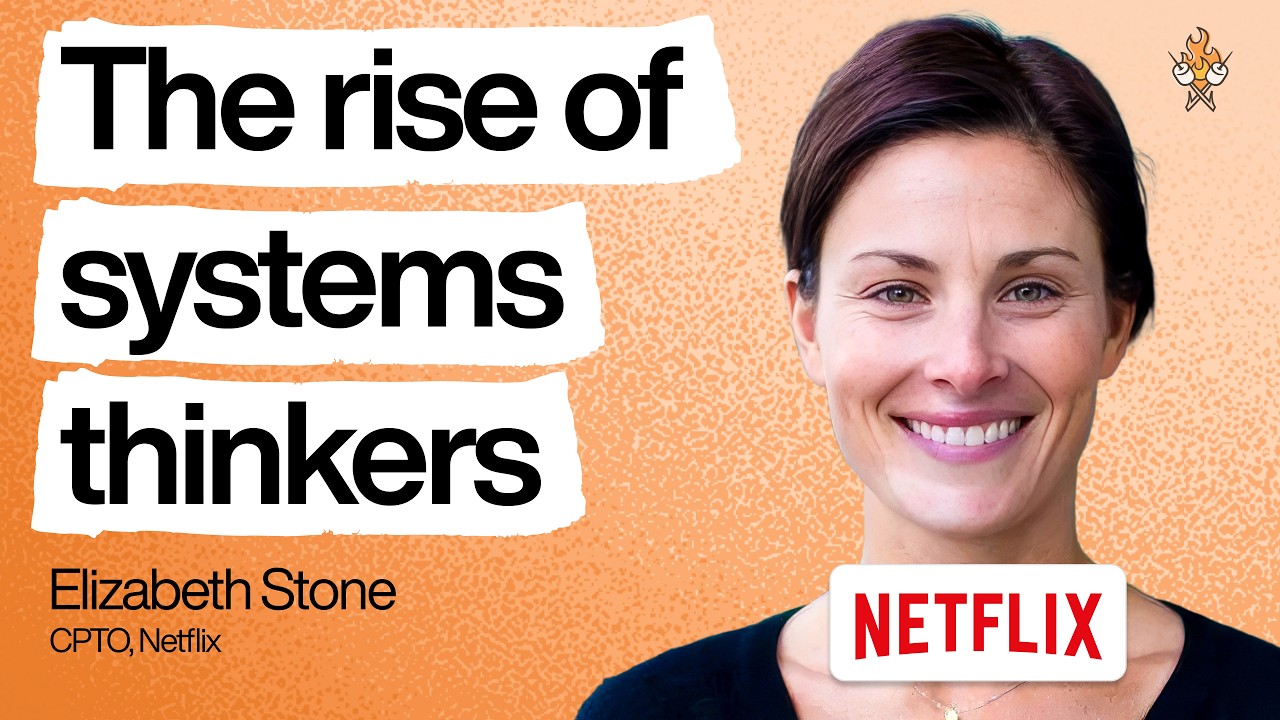

Why Netflix is betting on systems thinkers—not specialists—in the AI era | Elizabeth Stone (CPTO)

Why Netflix is betting on systems thinkers—not specialists—in the AI era | Elizabeth Stone (CPTO)

Elizabeth Stone, Netflix CPTO, discusses how AI is transforming product development and company culture. She highlights the increasing importance of "systems thinking," managing the influx of AI-generated output with clear guardrails, fostering "AI fluency" across all roles, and maintaining Netflix's unique "excellence as an operating system" through high talent density and a comfort with risk-taking. The conversation also explores AI's impact on content creation, the future of entertainment, and talent management.

Closing Keynote: Garry Tan, Y Combinator

Closing Keynote: Garry Tan, Y Combinator

Garry Tan, President of Y Combinator, details how AI-native companies are achieving unprecedented productivity and scale with lean teams. He introduces the concept of "wiring the work" by treating AI as a workforce where organizational components are encoded into markdown "skill files." Tan explains how "company brains" act as a library and librarian, managing institutional knowledge to overcome human memory limits. He emphasizes the discipline of "skillifying" every task to ensure continuous learning and calls on founders to build these new AI-native infrastructures to "boil the ocean"—tackling previously insurmountable problems.

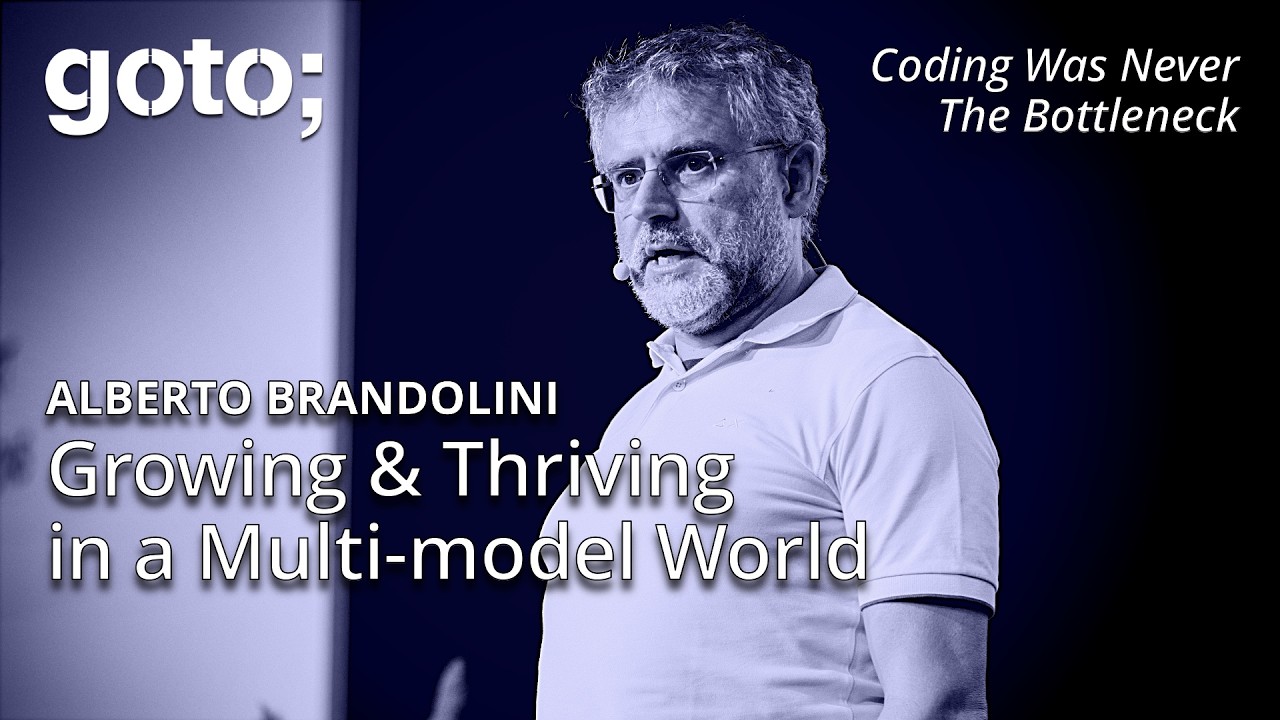
Growing & Thriving in a Multi-model World • Alberto Brandolini • GOTO 2025

Growing & Thriving in a Multi-model World • Alberto Brandolini • GOTO 2025

Alberto Brandolini delivers a compelling talk on how to combat software model decay and avoid the "Big Ball of Mud" by strategically applying Domain-Driven Design principles, especially Bounded Contexts. He emphasizes the critical role of visual thinking, structured architectural discussions, and organizational habits in maintaining clean, evolvable systems, particularly when scaling across teams and international markets. The talk highlights the need for continuous design effort, disciplined decision-making, and proactive identification of model boundaries to build resilient software in complex socio-technical landscapes.

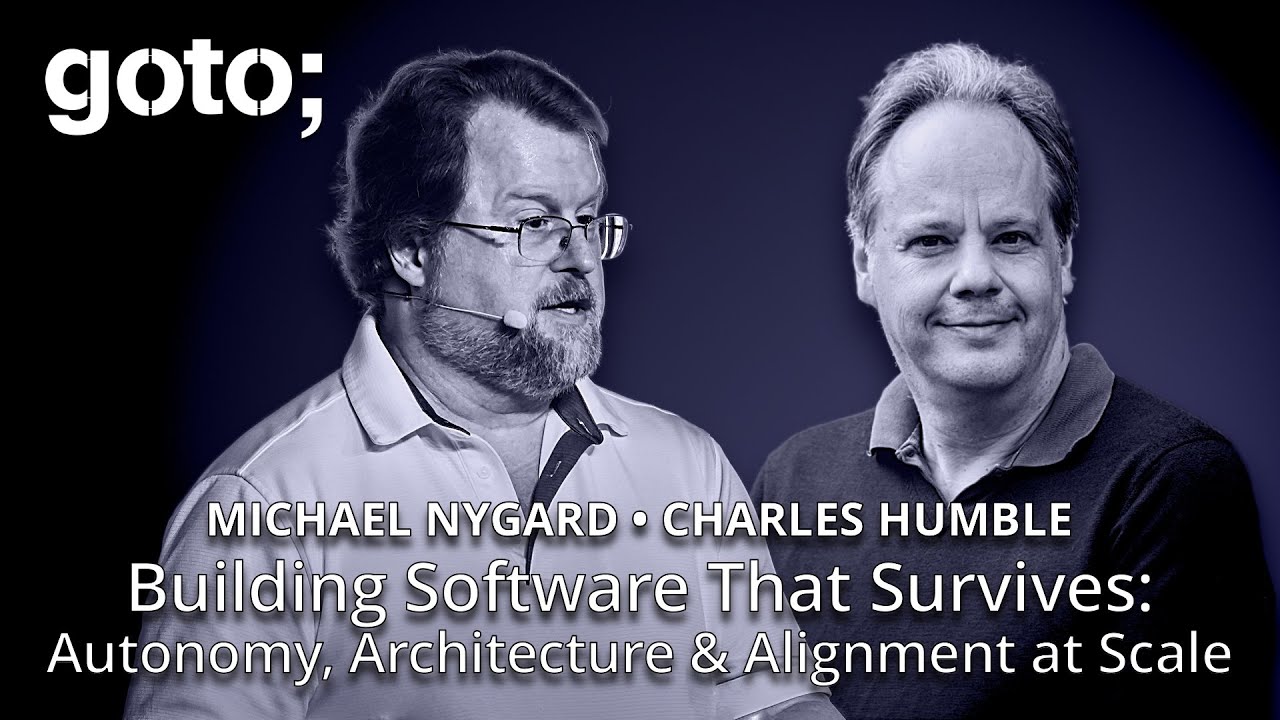
Building Software That Survives • Michael Nygard & Charles Humble

Building Software That Survives • Michael Nygard & Charles Humble

Michael Nygard, author of 'Release It!' and Chief Architect at Nubank, explores the complexities of technical leadership at scale. He discusses the nuanced relationship between centralization and autonomy, the practical implications of Conway's Law on software and communication structures, and how well-defined architectural boundaries can reduce the need for constant organizational alignment. Drawing on his experiences at Sabre and Nubank, Nygard provides insights into building resilient systems and effective, autonomous teams.

Building Software That Survives • Michael Nygard & Charles Humble • GOTO 2025

Building Software That Survives • Michael Nygard & Charles Humble • GOTO 2025

Michael Nygard, author of 'Release It!', discusses his experiences at Sabre and Nubank, offering deep insights into balancing autonomy and centralization, the practical implications of Conway's Law, and how architectural boundaries can reduce organizational friction and the need for constant alignment.