Nvidia

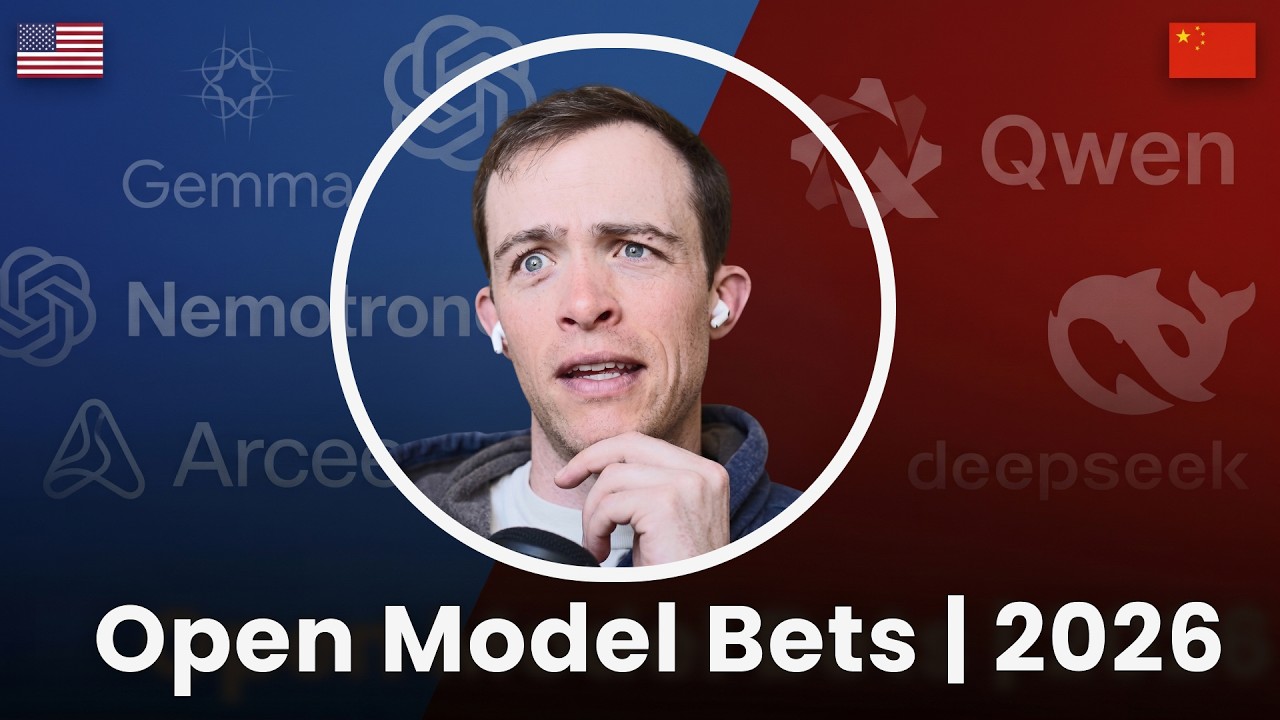
My Bets on Where Open LLMs Go Next

My Bets on Where Open LLMs Go Next

An analysis of the current unstable equilibrium between open and closed AI models, arguing that closed models will likely pull ahead due to economic and data feedback advantages. The long-term, stable future for open models lies in a specialized ecosystem of cheaper, faster models, potentially funded by new structures like consortiums.
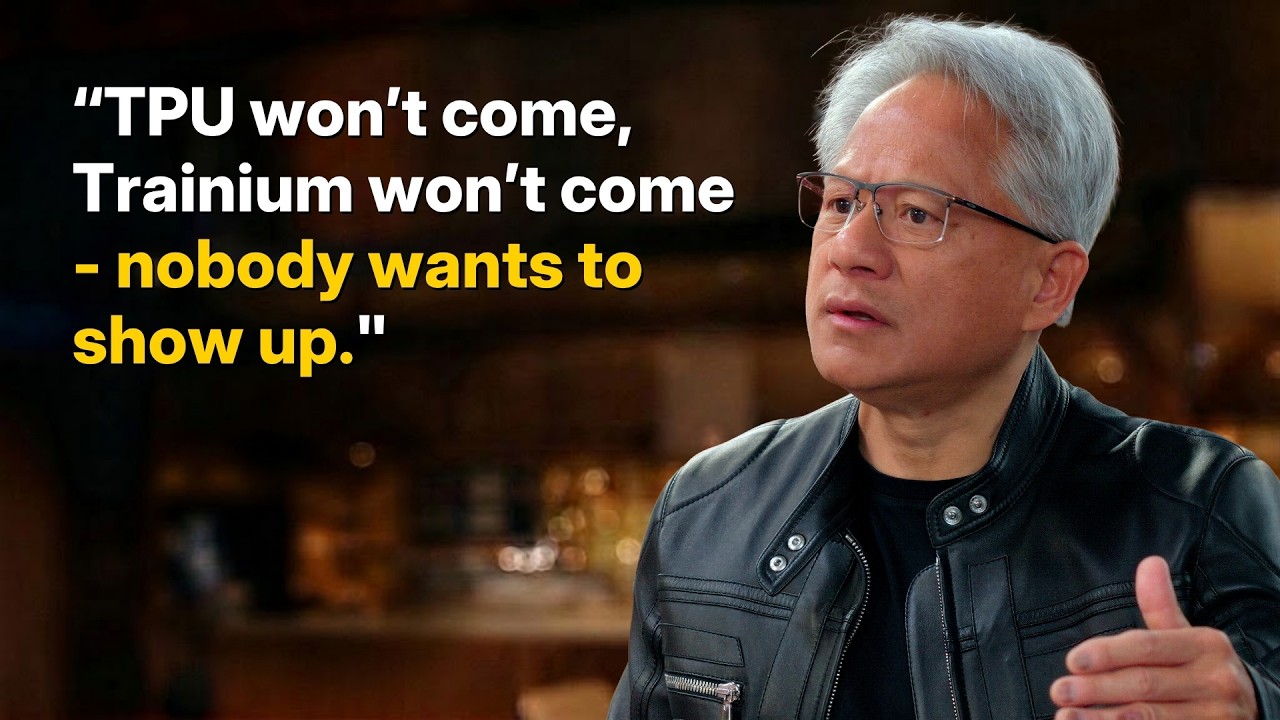

Jensen Huang – Will Nvidia’s moat persist?

Jensen Huang – Will Nvidia’s moat persist?

Nvidia CEO Jensen Huang discusses the company's core strategy, which he defines as transforming electrons into tokens by orchestrating a vast supply chain. He details how Nvidia's true moat lies in its ecosystem and its ability to manage supply bottlenecks. Huang contrasts Nvidia's versatile 'accelerated computing' platform with competitors like TPUs, arguing programmability via CUDA is key to AI innovation. He also presents a strong case against broad AI chip export controls on China, warning it could backfire by forcing the creation of a competing tech stack. Finally, he explains why Nvidia invests in the ecosystem rather than becoming a hyperscaler itself.

Performance Optimization and Software/Hardware Co-design across PyTorch, CUDA, and NVIDIA GPUs

Performance Optimization and Software/Hardware Co-design across PyTorch, CUDA, and NVIDIA GPUs

Chris Fregly discusses his new book, "AI Systems Performance Engineering", covering the co-design and optimization of hardware, software, and algorithms across PyTorch, CUDA, and NVIDIA GPUs. The talk explores GPU architecture, system-level reliability challenges, and the use of modern coding agents for low-level kernel optimization.

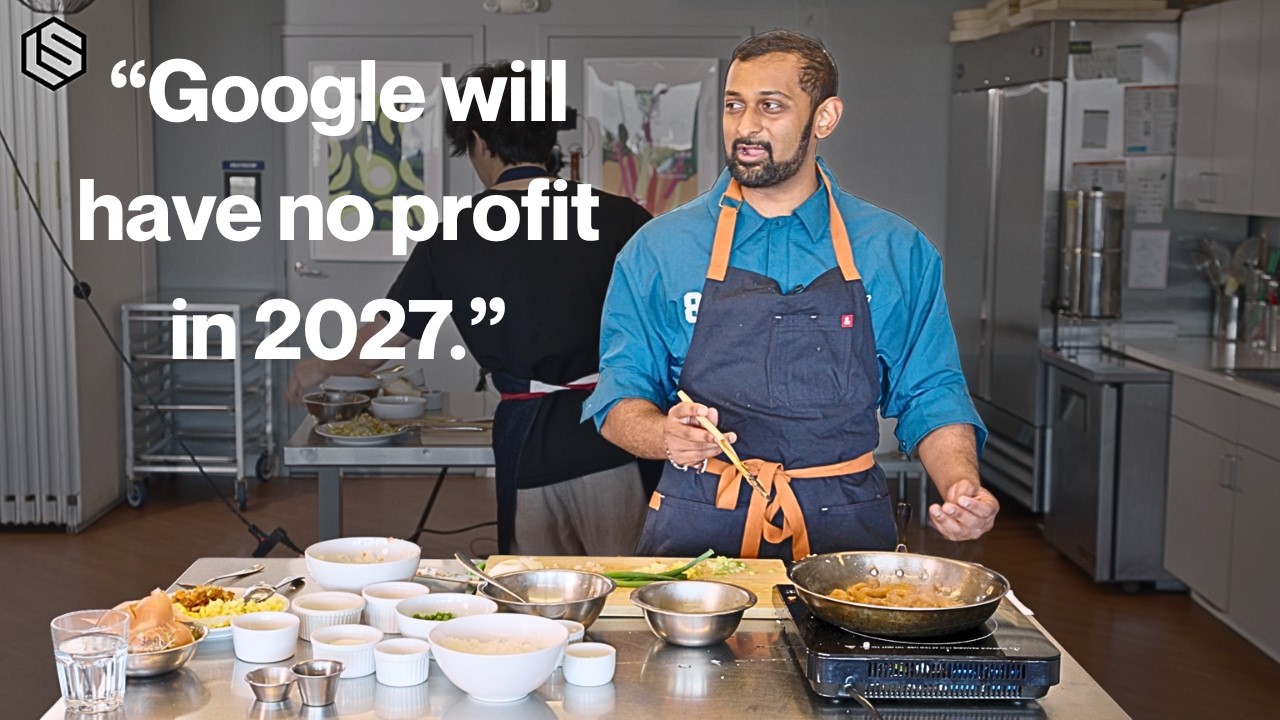
Dylan Patel Explains the AI War While Cooking | In-Context Cooking

Dylan Patel Explains the AI War While Cooking | In-Context Cooking

Dylan Patel of SemiAnalysis discusses the AI arms race, highlighting the massive $200B+ hyperscaler capex, the true semiconductor bottlenecks shifting from data centers back to fabs, the geopolitical chess game surrounding Taiwan and TSMC, and Nvidia's strategic battle against vertical integration.

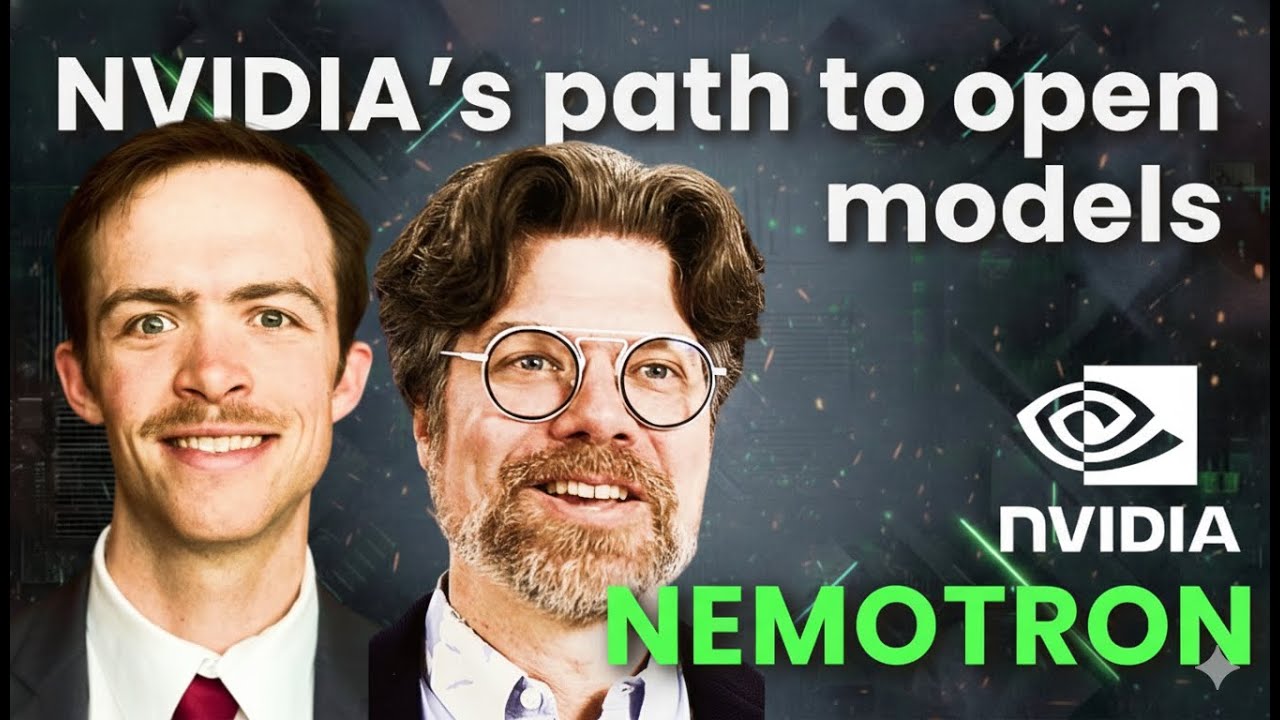
Why NVIDIA builds their own open models | Nemotron w/ Bryan Catanzaro

Why NVIDIA builds their own open models | Nemotron w/ Bryan Catanzaro

Bryan Catanzaro, NVIDIA's VP of Applied Deep Learning Research, explains the business rationale behind developing open models like Nemotron. The strategy is twofold: to drive internal systems R&D for future hardware and to support the broader AI ecosystem, which in turn expands NVIDIA's market.

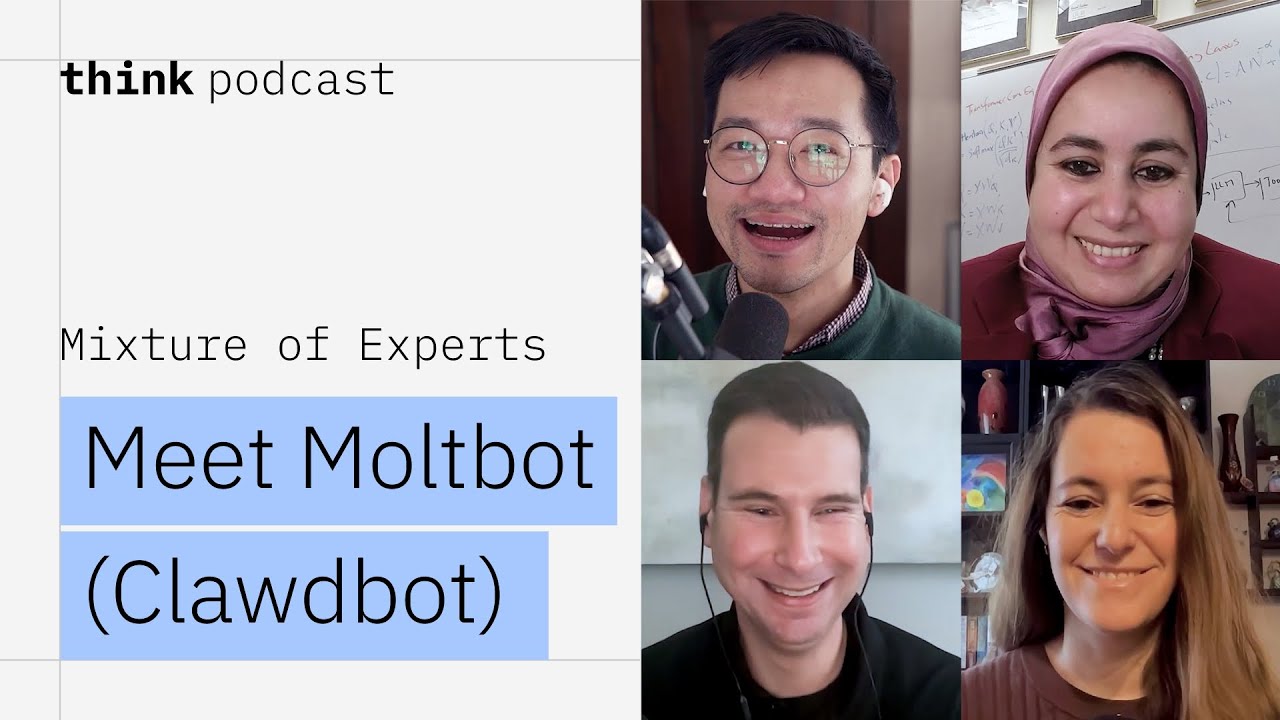
Moltbot (Clawdbot): Open-source agents go mainstream

Moltbot (Clawdbot): Open-source agents go mainstream

The panel discusses the rise of Moltbot, a community-driven open-source AI agent, and the debate it sparks around vertical vs. horizontal integration and security. They analyze Anthropic CEO Dario Amodei's essay on AI's "adolescence," exploring the growing pains of the technology, the pace mismatch between innovation and safety, and the need for broader societal engagement. The conversation also covers IBM's GRAMMY IQ, an AI-powered fan experience, and the strategic implications of Microsoft's Maia 200 chip, signaling a shift toward vertical integration in the AI hardware space to challenge NVIDIA's dominance.