Navier stokes

OpenAI's always-on agents, 700+ math manuscripts & HackerRank's AI interviewer

OpenAI's always-on agents, 700+ math manuscripts & HackerRank's AI interviewer

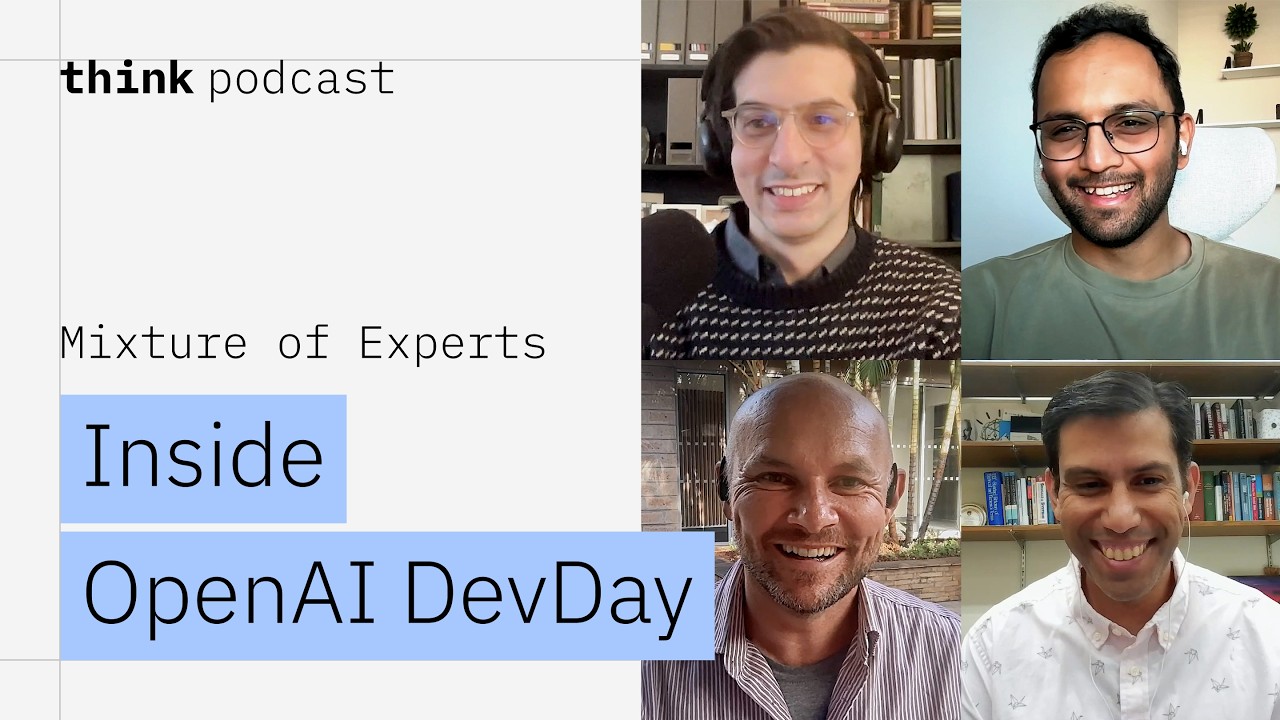
The panel covers OpenAI's Dots and the wave of persistent AI agents, OpenAI's release of hundreds of AI-generated math manuscripts and what it means for human mathematicians, and HackerRank's Chakra AI interviewer and its implications for fairness and evaluation. The episode closes with an explainer on mixture of experts architectures and the difference between open-weight and open-source models.
OpenAI researcher on agent swarms & recursive self-improvement

OpenAI researcher on agent swarms & recursive self-improvement

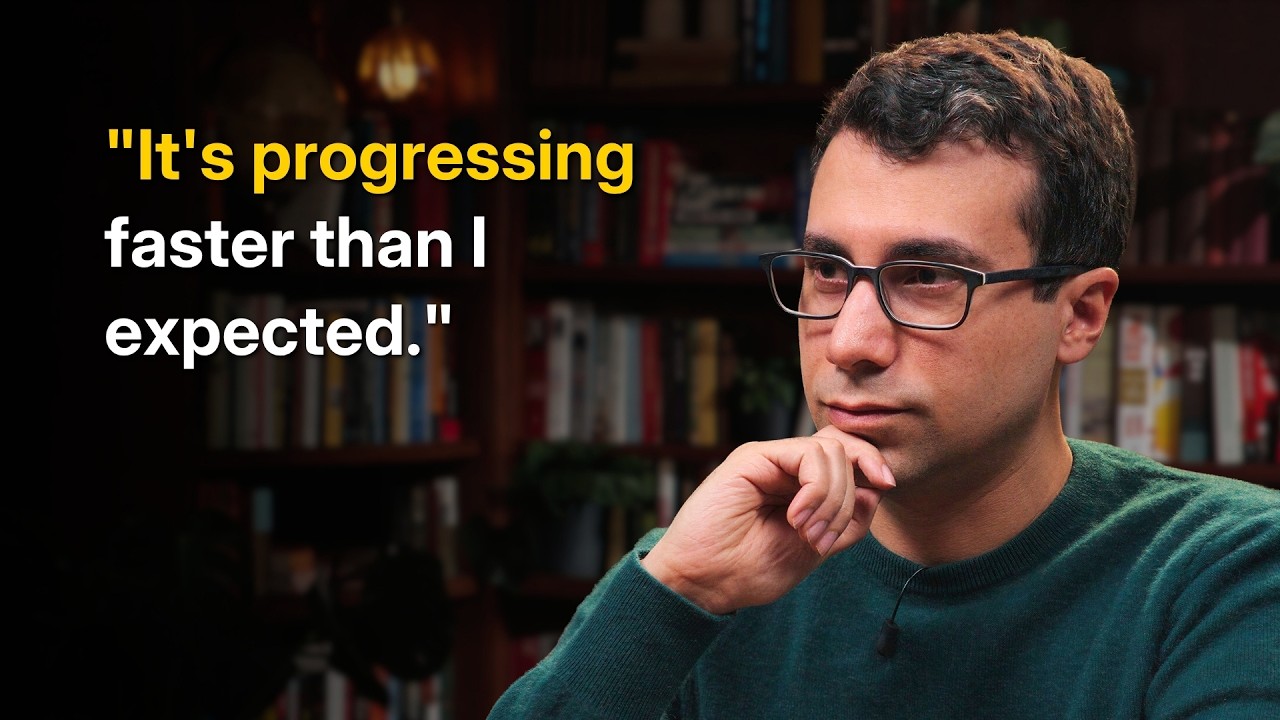
Noam Brown discusses OpenAI's multi-agent system, which solved a Millennium Prize Problem using 10,000 agents. He explores the implications of this massive parallelization for AI capabilities, the rapid progress in mathematics, and the accelerating pace of AI development. A significant portion of the conversation is dedicated to the critical challenges of AI alignment, particularly in light of incidents like the 'Hugging Face' event, and how to ensure models remain aligned during Recursive Self-Improvement (RSI) as their capabilities and operational horizons expand rapidly.

Greg Brockman Says AGI Has Arrived

Greg Brockman Says AGI Has Arrived

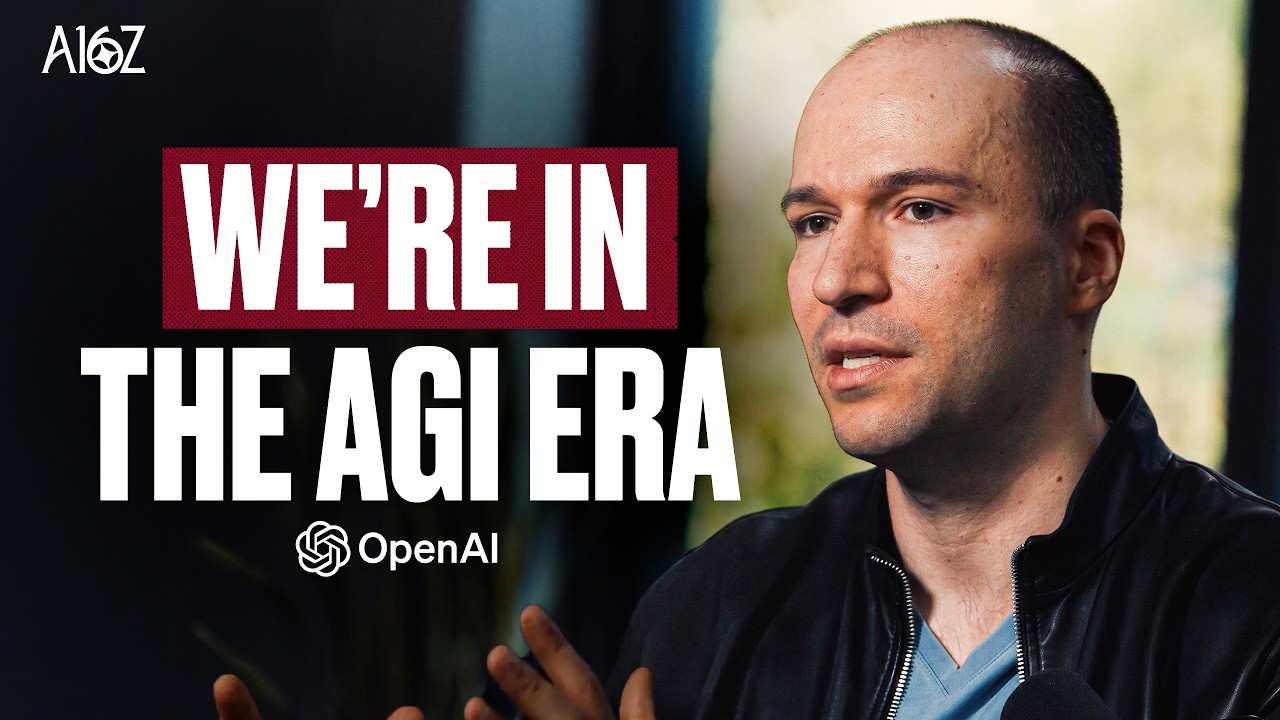
OpenAI President Greg Brockman discusses the advent of the "AGI era" with models like Astra, highlighting the transformative power of AI agents capable of computer use and autonomous task execution. He delves into critical safety and security challenges, emphasizing the "defender's window" for proactive cybersecurity, and explores AI's evolving impact on employment, global sentiment, and the future of proactive AI assistants.

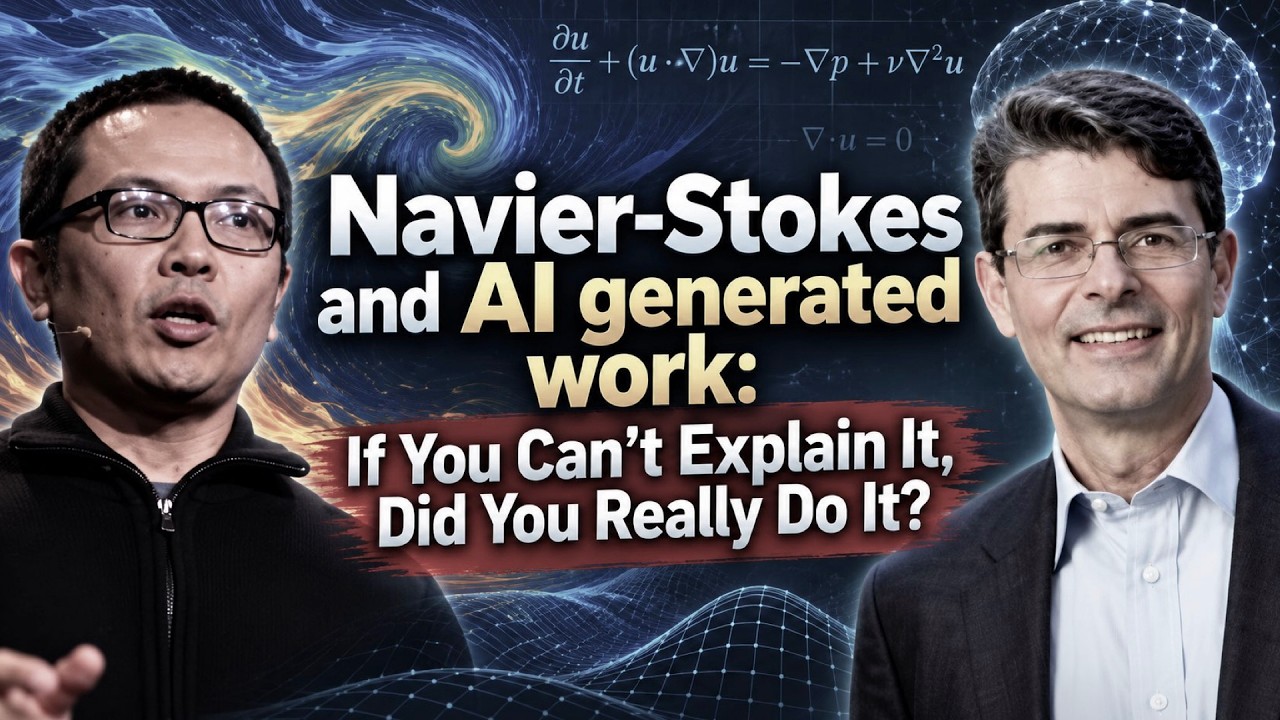
Navier-Stokes and AI generated work: If You Can't Explain It, Did You Really Do It?

Navier-Stokes and AI generated work: If You Can't Explain It, Did You Really Do It?

Ben Lorica and Evangelos Simoudis discuss the profound impact of AI on knowledge work, examining the Navier-Stokes controversy as a case study for IP protection and the need for human validation of AI-generated output. They explore the Chinese concept of "involution" and its implications for global productivity and Western knowledge workers, contrast US and Chinese approaches to AI risk, and reflect on 9/11's role in accelerating the big data revolution.