Local ai

Why Most AI Agents Fail Horribly

Why Most AI Agents Fail Horribly

Maarten Grootendorst discusses the foundational understanding developers need for modern AI tools, emphasizing core LLM concepts like tokens, embeddings, and attention. He provides a pragmatic view on AI agents, distinguishing hype from practical applications like coding assistants, and explores the role of memory, guardrails, and the growing importance of open-weight models for control and efficiency in AI infrastructure.

Local Agentic Theory For Mobile Games — Shafik Quoraishee & Joanne Song, The New York Times

Local Agentic Theory For Mobile Games — Shafik Quoraishee & Joanne Song, The New York Times

This presentation explores the innovative concept of running agentic AI entirely on mobile devices to enhance game accessibility and personalization. It delves into the technical challenges of local AI (space, time, energy budgets), contrasts agentic systems with traditional reinforcement learning, and demonstrates practical applications with a Space Invaders agent and a crossword solver. A key takeaway is the transformation of accessibility from fixed toggles to dynamic, real-time adjustments based on player needs, ultimately envisioning a future of billions of small, personalized local AI brains.

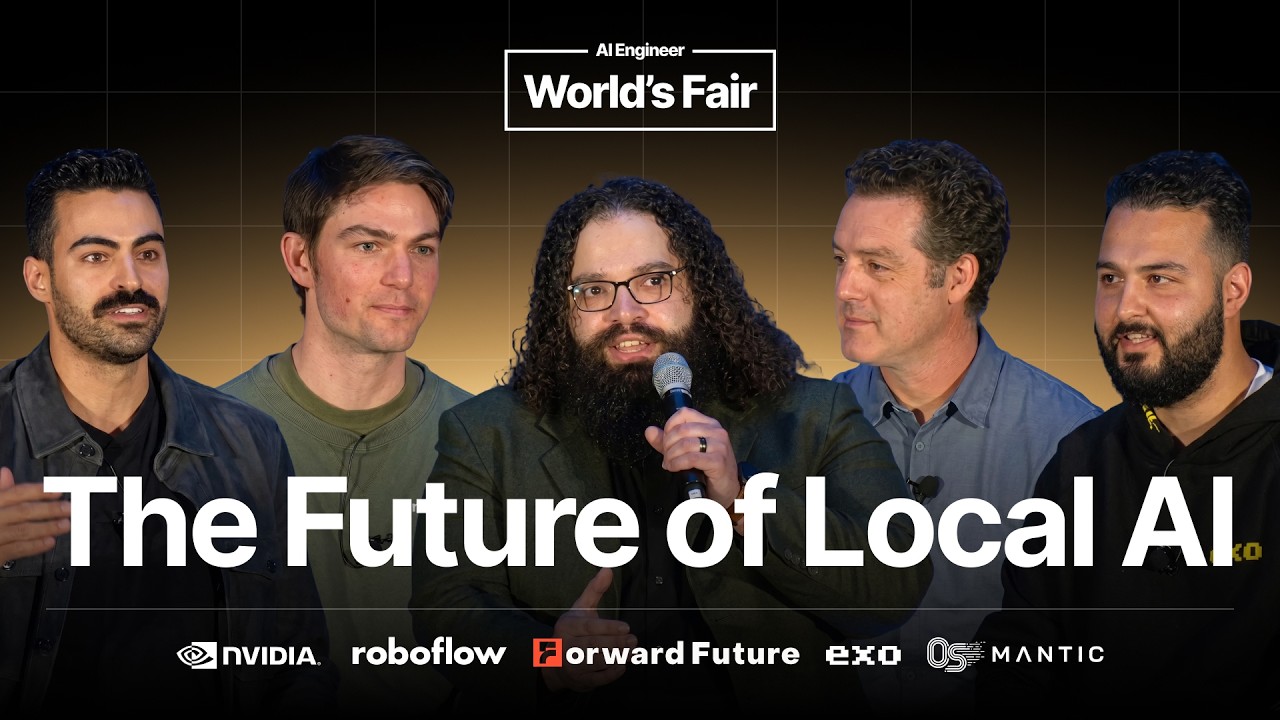
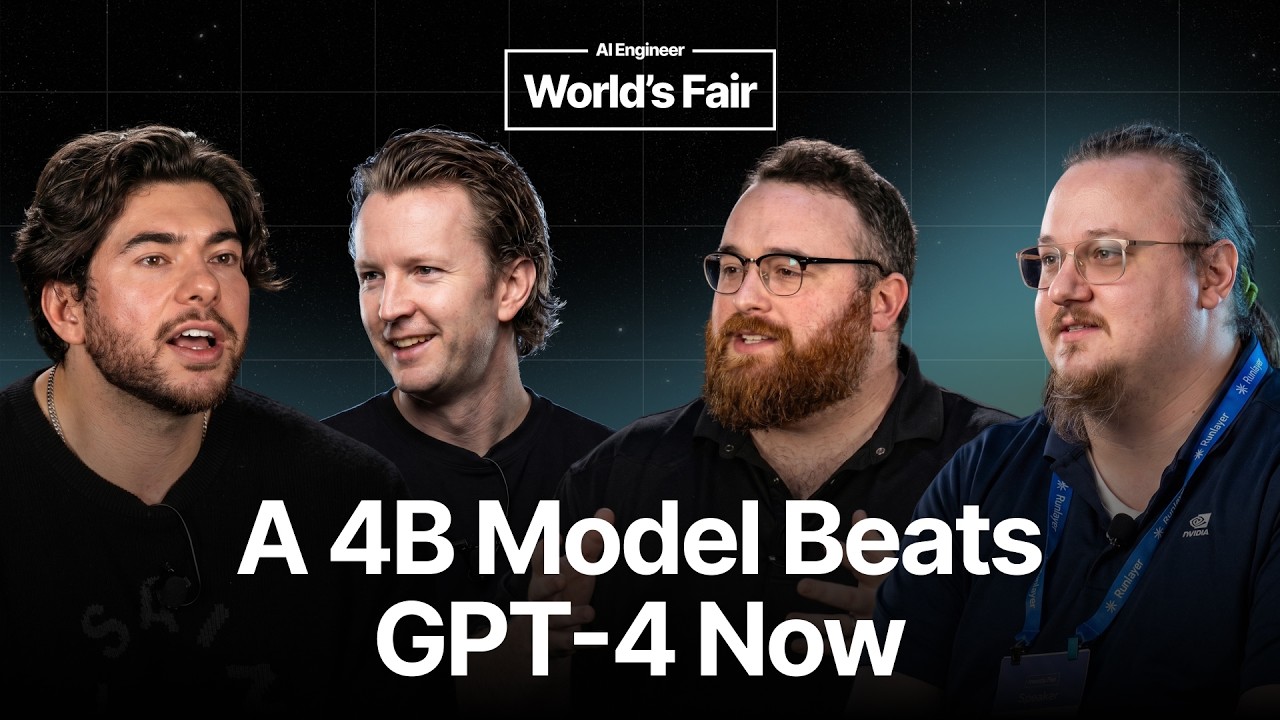
State of the Union: Why Local, Why Now — NVIDIA, Osmantic, Roboflow, EXO Labs, @matthew_berman

State of the Union: Why Local, Why Now — NVIDIA, Osmantic, Roboflow, EXO Labs, @matthew_berman

This panel discussion explores the inflection point of Local AI, driven by advanced models, improved hardware, and a robust ecosystem. Experts discuss how this shift addresses critical concerns around privacy, cost, sovereignty, and resilience, emphasizing the pivotal role of open-source AI and specialized models. They delve into technical optimizations, the evolution from generalized to specialized AI, and the challenges of making local AI accessible and performant for both enterprise and individual users.

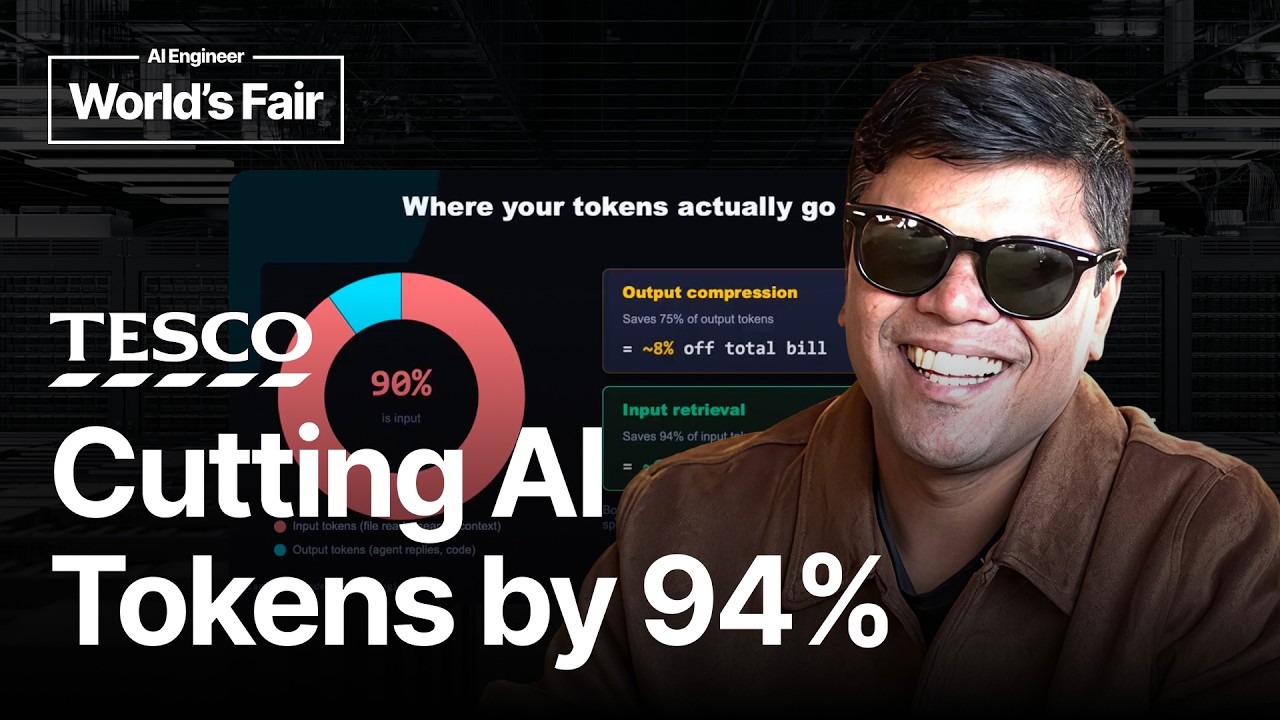
We Cut 94% of AI Coding Tokens With a Local Code Index - Rajkumar Sakthivel, Tesco

We Cut 94% of AI Coding Tokens With a Local Code Index - Rajkumar Sakthivel, Tesco

Rajkumar Sakthivel details how an unexpected surge in AI coding tool costs led to the discovery that sending excessive, irrelevant context was the primary culprit. He introduces the Code Context Engine (CCE), a local retrieval layer that intelligently prunes context using AST-aware chunks, hybrid search, and relevance scoring, resulting in up to 94% token reduction and significant cost savings. The talk emphasizes that optimizing input context, not just the AI model, is paramount for efficient and accurate AI-assisted coding.

921: NPUs vs GPUs vs CPUs for Local AI Workloads — with Dell’s Ish Shah and Shirish Gupta

921: NPUs vs GPUs vs CPUs for Local AI Workloads — with Dell’s Ish Shah and Shirish Gupta

Shirish Gupta and Ish Shah from Dell Technologies explore the evolving landscape of AI hardware. They discuss why Windows, enhanced by WSL 2, remains a dominant platform for developers, and delve into the distinct roles of CPUs, GPUs, and the increasingly important Neural Processing Units (NPUs). The conversation covers the trade-offs between local and cloud computing for AI workloads and introduces new hardware, like workstations with discrete NPUs, that are making on-device AI more powerful and accessible than ever.