Iterative development

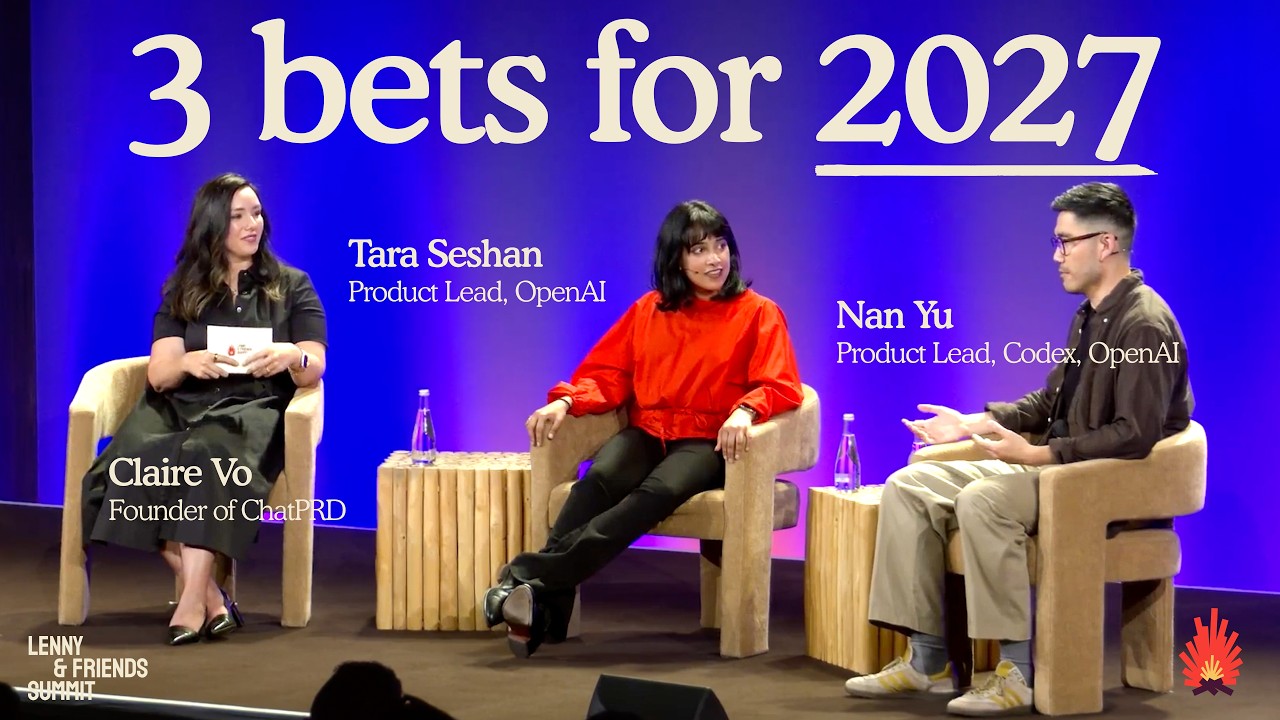
Where AI products go next: voice, agents, and self-driving software | Tara Sesha and Nan Yu (OpenAI)

Where AI products go next: voice, agents, and self-driving software | Tara Sesha and Nan Yu (OpenAI)

A live talk from the Lenny and Friends Summit with OpenAI's Tara Seshan and Nan Yu and host Claire Vo on building AI products when both technology and user expectations change rapidly. Topics include shipping imperfect features (the ChatGPT "toggle"), the 2 to 3 month model-capability horizon, enterprise absorption limits, single versus multi-agent design, platform layering with computer use as a fallback, working with research through evals, direct user relationships, and predictions for voice, proactive agents, and hardware.
What Is RAD? Why It Matters in the Age of AI Coding

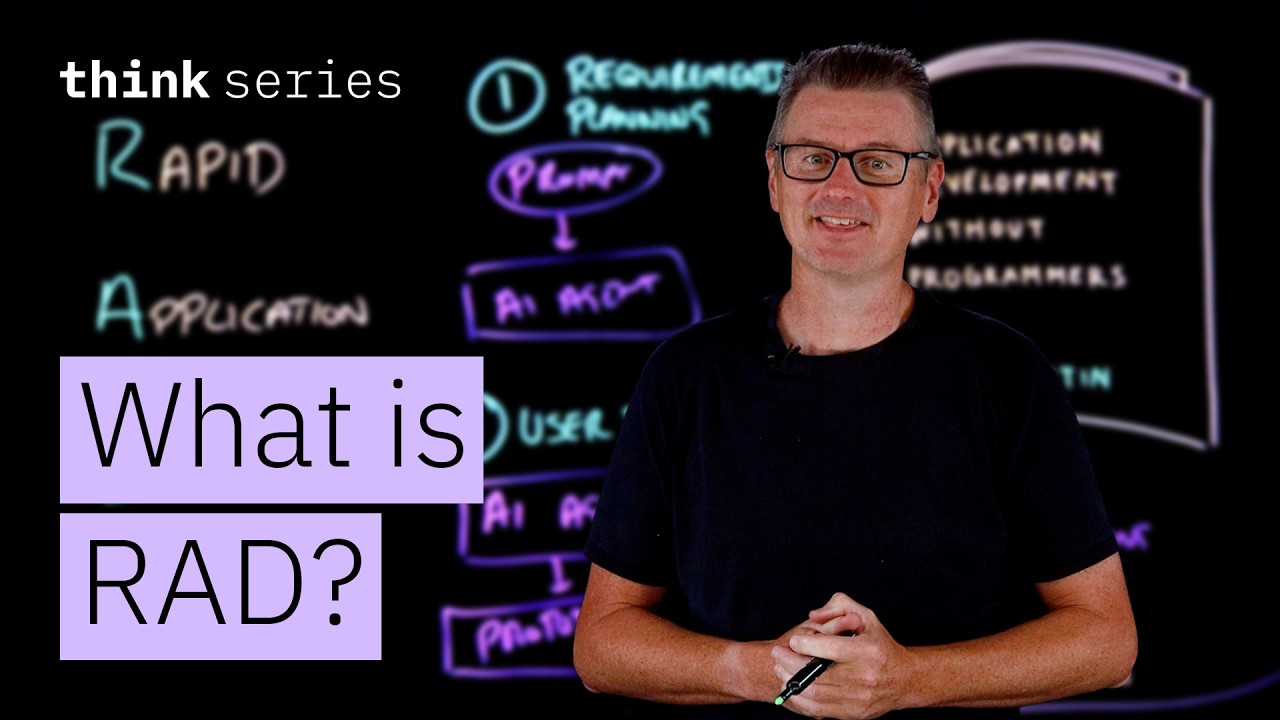
What Is RAD? Why It Matters in the Age of AI Coding

This video explores how James Martin's 1991 Rapid Application Development (RAD) methodology, with its emphasis on rapid prototyping, iterative development, and user feedback, offers a robust framework for contemporary AI coding and "vibe coding" workflows. It highlights how AI agents accelerate prototyping but introduces new challenges regarding production readiness and security. The solution proposed is spec-driven development, where human expertise formalizes requirements and verifies AI-generated code based on insights gained from early prototypes, ensuring quality and mitigating risks.