Graph neural networks

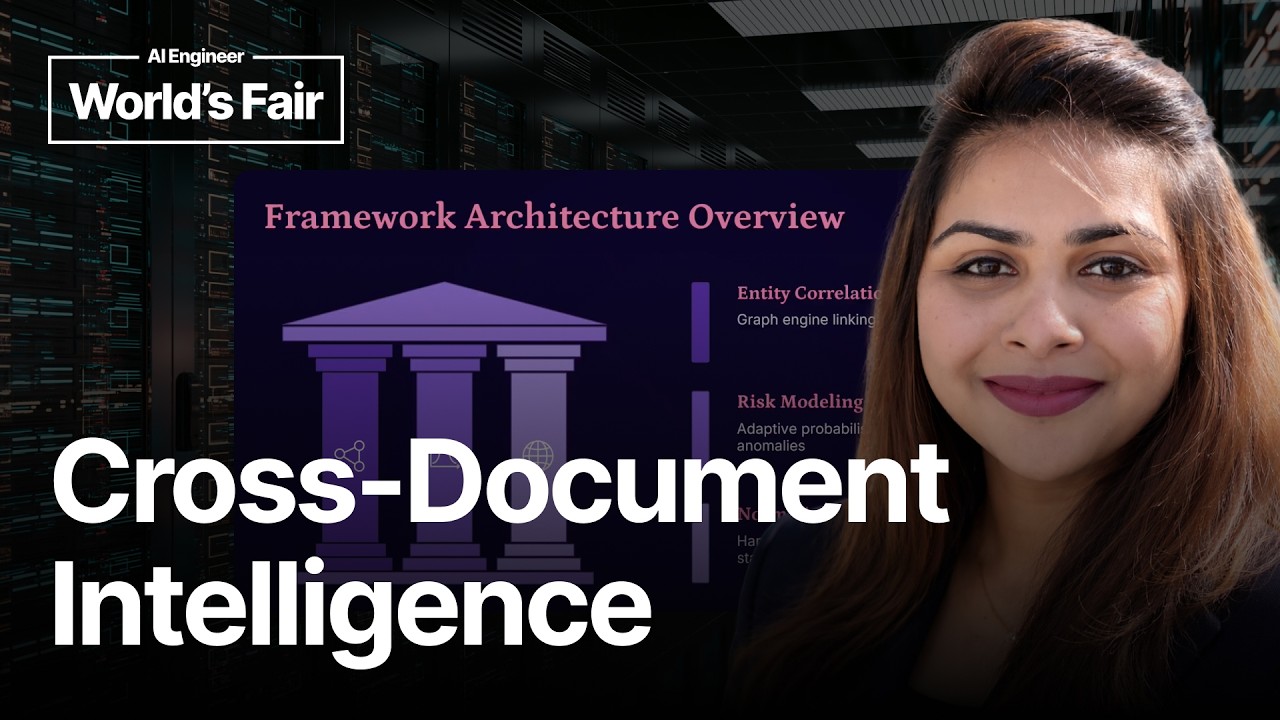
AI-Driven Multi-Document Correlation for Financial Compliance - Varsha Shah, Independent

AI-Driven Multi-Document Correlation for Financial Compliance - Varsha Shah, Independent

Varsha Shah's research introduces an AI-driven framework for enterprise financial compliance and fraud detection, overcoming the limitations of traditional systems that analyze documents in isolation. The framework combines graph-based entity correlation, adaptive probabilistic risk modeling, and cross-jurisdictional normalization to uncover hidden fraud patterns across payroll, tax, procurement, and financial records. Evaluated on 3 million anonymized records across four jurisdictions, it demonstrates significant improvements in detection accuracy (91% precision, 87% recall), reduces false positives by 76%, and lowers manual audit effort by 40%, ultimately transforming compliance from a reactive process into a proactive, intelligence-driven capability through continuous learning.

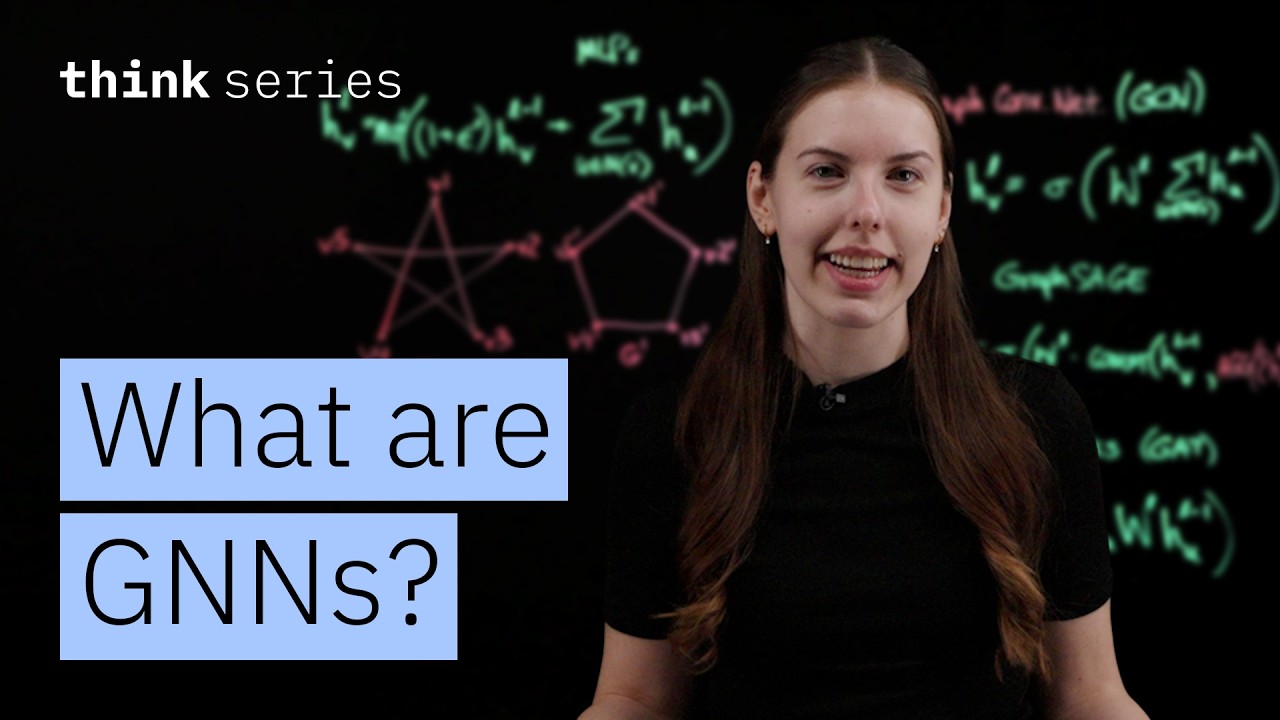
Graph Neural Networks Explained: A Clear Guide to GNN Basics & Models

Graph Neural Networks Explained: A Clear Guide to GNN Basics & Models

An introduction to Graph Neural Networks (GNNs), covering fundamental concepts like nodes, edges, and embeddings. This post delves into the core message-passing mechanism and provides a detailed overview of key architectures including GCN, GraphSAGE, GAT, GIN, and Graph Transformers, explaining their unique approaches and mathematical formulations.

Graph Neural Networks Just Solved Enterprise AI?

Graph Neural Networks Just Solved Enterprise AI?

Jure Leskovec introduces Relational Foundation Models (RFMs), a new class of models based on graph neural networks that learn directly from raw, multi-table enterprise data. This approach bypasses manual feature engineering, leading to more accurate, faster-to-deploy, and easier-to-maintain predictive models for tasks like churn prediction, fraud detection, and recommendation systems.