🔬 The Physical World Is More Forgiving Than You Think — Anima Anandkumar, Caltech
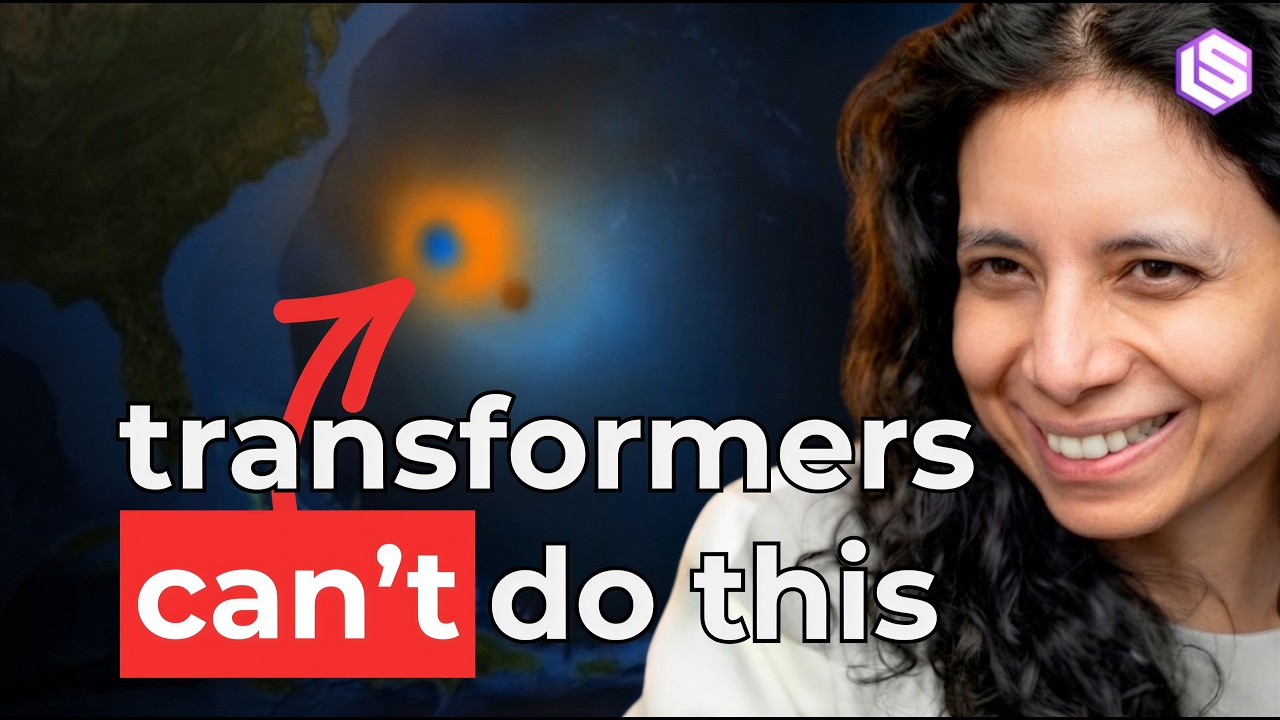
Anima Anandkumar discusses her vision for AI in science, moving beyond language models to apply machine learning to the physical world. She introduces neural operators, especially Fourier neural operators, as a solution to data scarcity and resolution challenges in domains like weather, climate, and fusion. These models integrate physical constraints and data to achieve unprecedented speed and accuracy, even on consumer hardware, enabling capabilities from early hurricane prediction to digital twins for fusion reactors and inverse design for advanced materials. The conversation highlights the need for principled AI design for scientific discovery and advocates for distinct regulatory approaches for AI in science.