Foundational models

What Big Tech Missed And How Startups Can Still Win

What Big Tech Missed And How Startups Can Still Win

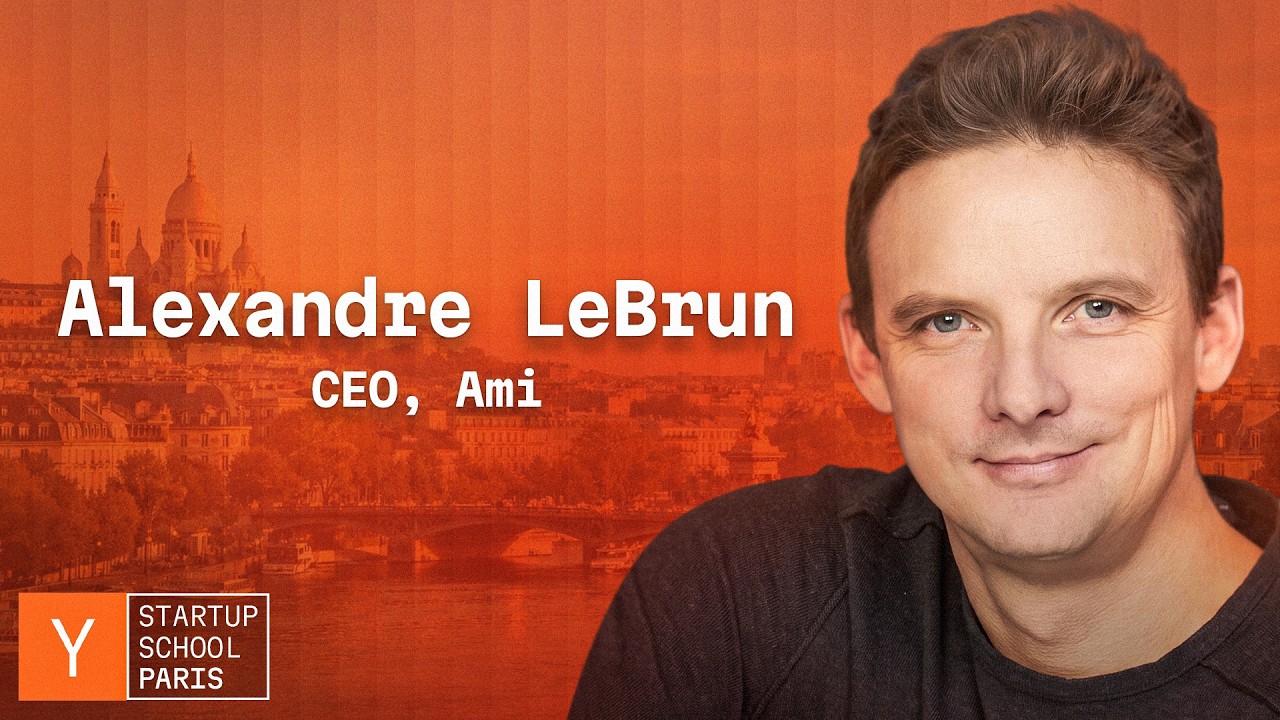
Alexandre LeBrun, CEO of AMI Labs, discusses his career building and selling AI companies, emphasizing his strategy of tackling problems "20 years too early." He delves into AMI Labs' contrarian bet on "world models" over traditional LLMs, highlighting their ability to learn directly from real-world sensory data, unlike LLMs which learn from human-written text. LeBrun explains how this approach is critical for developing intelligent robots and avoiding the pitfalls of Vision-Language Assistants (VLAs). He also touches upon the challenges of securing talent, data, and compute for such an ambitious project, the strategic choice of location, and the importance of holding an extremely large vision while solving a narrow problem for early founders.

Tavus: The AI Human Platform

Tavus: The AI Human Platform

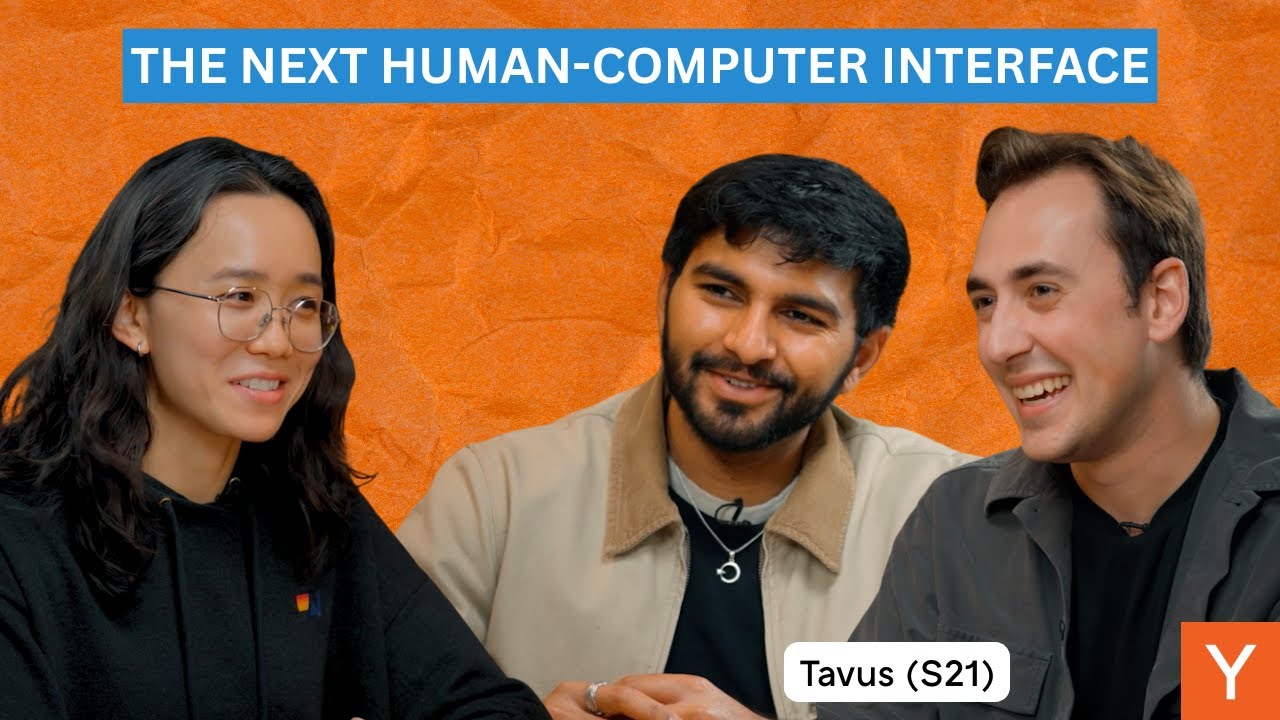
Founders Hassaan Raza and Quinn Favret detail Tavus's evolution from a personalized video tool to an AI research lab building real-time, agentic AI humans. They explore the foundational models for perception and rendering, the launch of Tavus PALs, and their vision for AI humans as the next major computing interface.

The nature of AI: solving the planet's data gap with Drew Purves

The nature of AI: solving the planet's data gap with Drew Purves

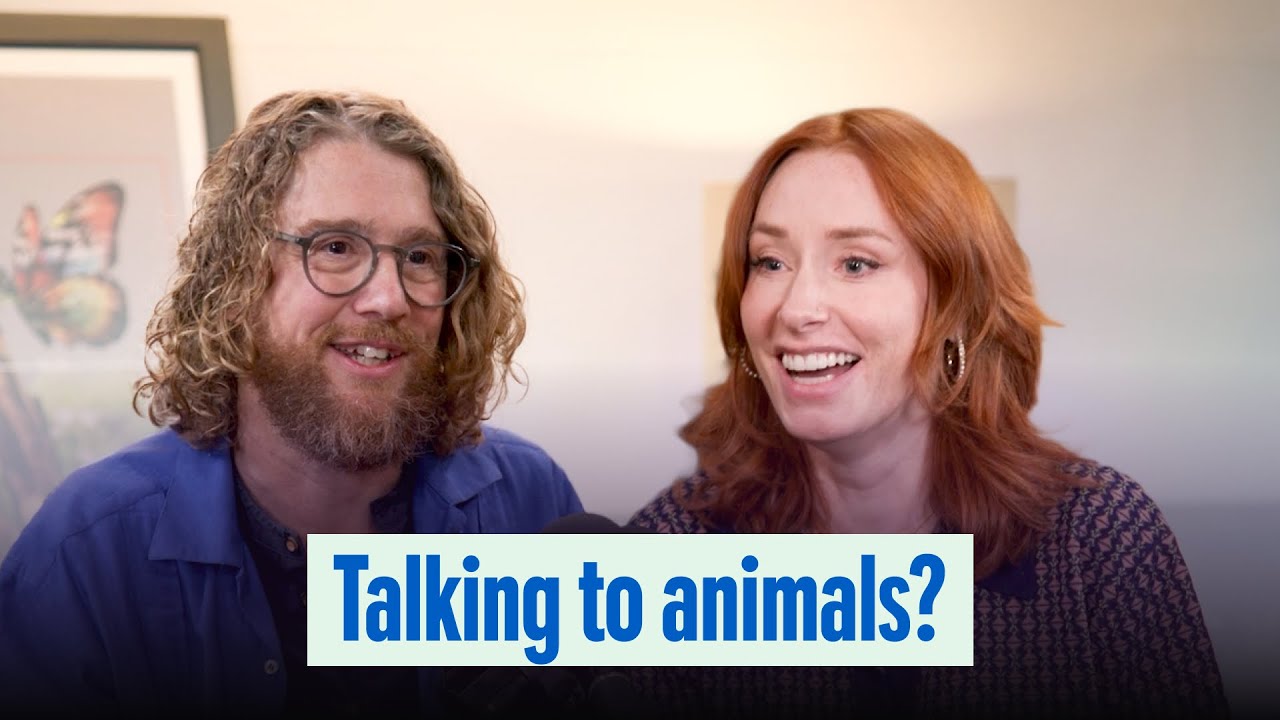
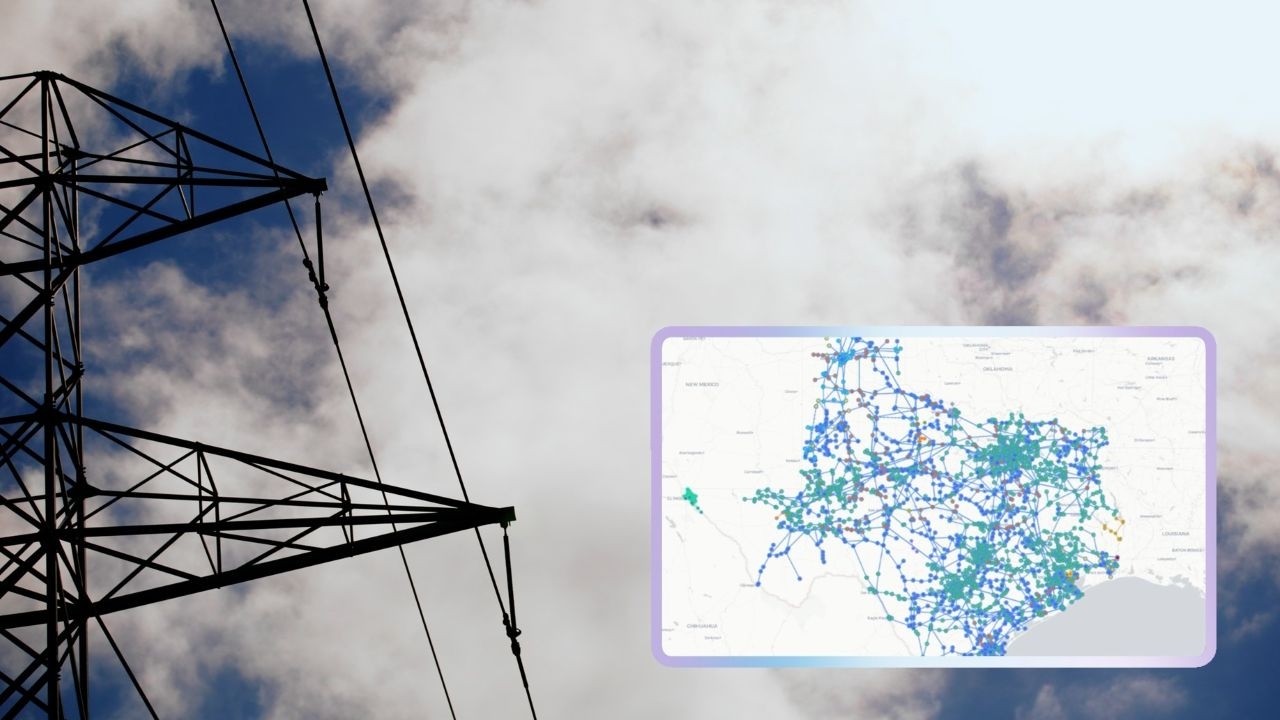
AI is being used to address critical information gaps in ecology. This summary covers how deep learning models like vision transformers and foundational models for sound are applied to map global forests, monitor deforestation, track species, and analyze bioacoustics to understand ecosystem health and animal communication.