Feature

Better Agent Auth — Bereket Habtemeskel & Paola Estefania, Better Auth

Better Agent Auth — Bereket Habtemeskel & Paola Estefania, Better Auth

The Agent Auth protocol introduces a novel approach to securing AI agents by treating them as distinct principals with their own identities, moving away from sharing user credentials. It defines a system for agent discovery, fine-grained capability-based authorization, and comprehensive traceability, enabling users to grant specific authority to agents and revoke it granularly. This paradigm shift offers enhanced security, accountability, and control over autonomous operations.
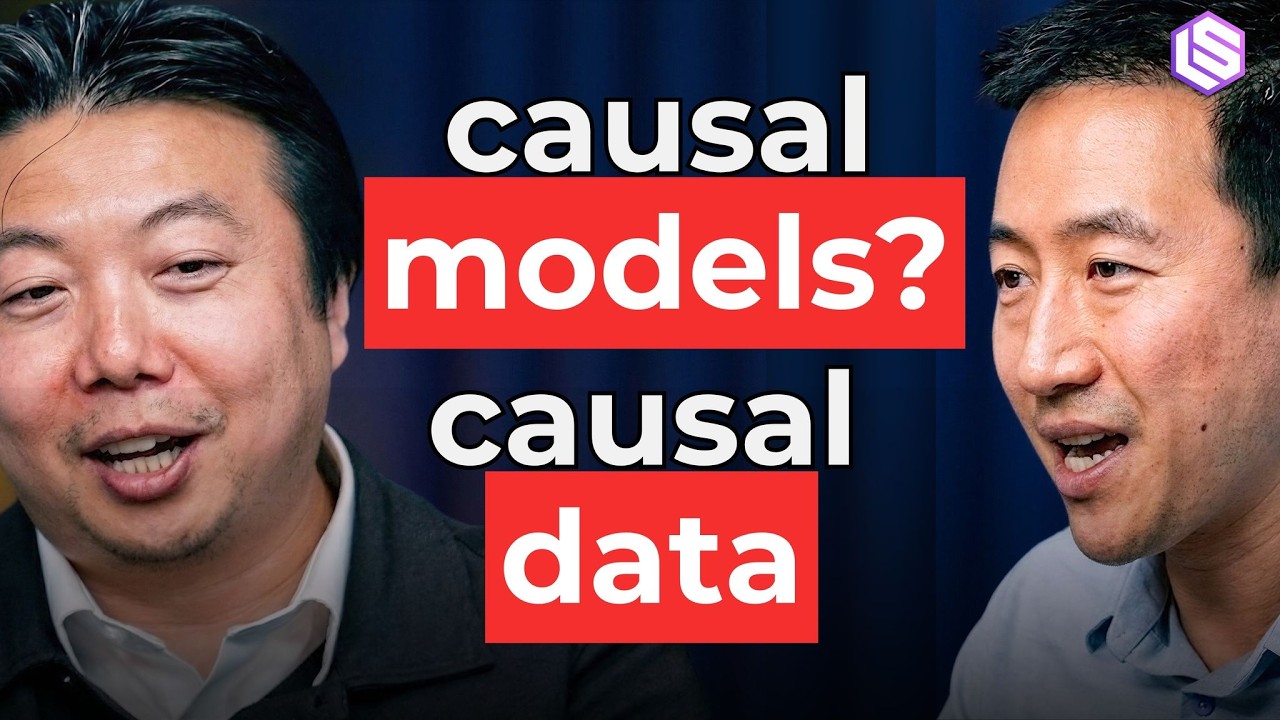
Causal Models Need Causal Data - Xaira’s X-Cell model (Bo Wang & Ci Chu)

Causal Models Need Causal Data - Xaira’s X-Cell model (Bo Wang & Ci Chu)

Bo Wang and Ci Chu of Xaira Therapeutics introduce X-Cell, a 4.9-billion-parameter diffusion language model designed to predict cellular responses to genetic perturbations. Trained on PISCES, the largest genome-wide CRISPRi Perturb-seq dataset (25.6 million single cells across 16 contexts), X-Cell overcomes limitations of previous observational models. The discussion highlights the critical role of high-quality, causal data, X-Cell's architecture advantages, and its demonstrated ability to generalize to unseen cell types and primary cells, marking a significant step towards truly predictive virtual cell models in drug discovery.

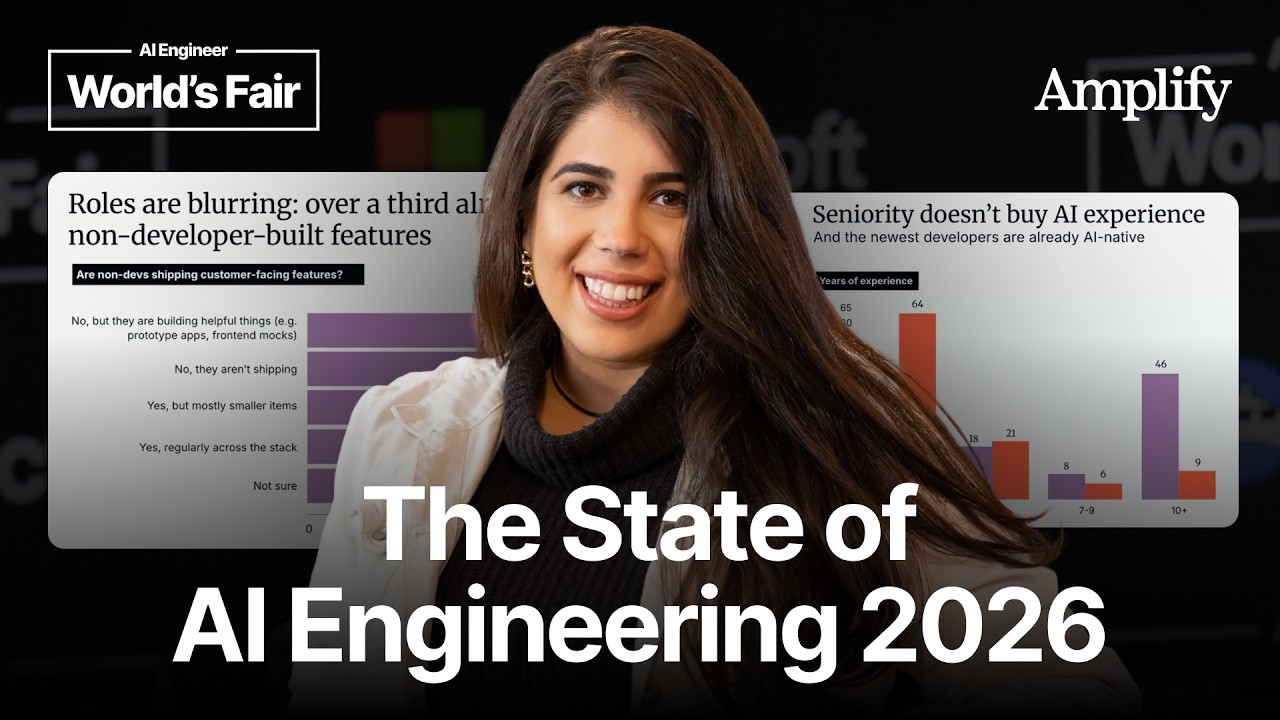
2026 State of AI Engineering — Barr Yaron, Amplify Partners

2026 State of AI Engineering — Barr Yaron, Amplify Partners

Barr Yaron's 2026 AI engineering survey reveals key trends: audio and image generation are rapidly gaining traction, while cost is now a primary engineering constraint. Agents are evolving to take actions within systems, but control mechanisms remain primitive. Evaluation (eval) is still the top infrastructure challenge. AI positively impacts job satisfaction and experimentation but also raises concerns about technical skill erosion and non-developers shipping code, fundamentally changing engineering culture. Predictions include a likely AGI declaration within five years and a shift away from Transformers as state-of-the-art.

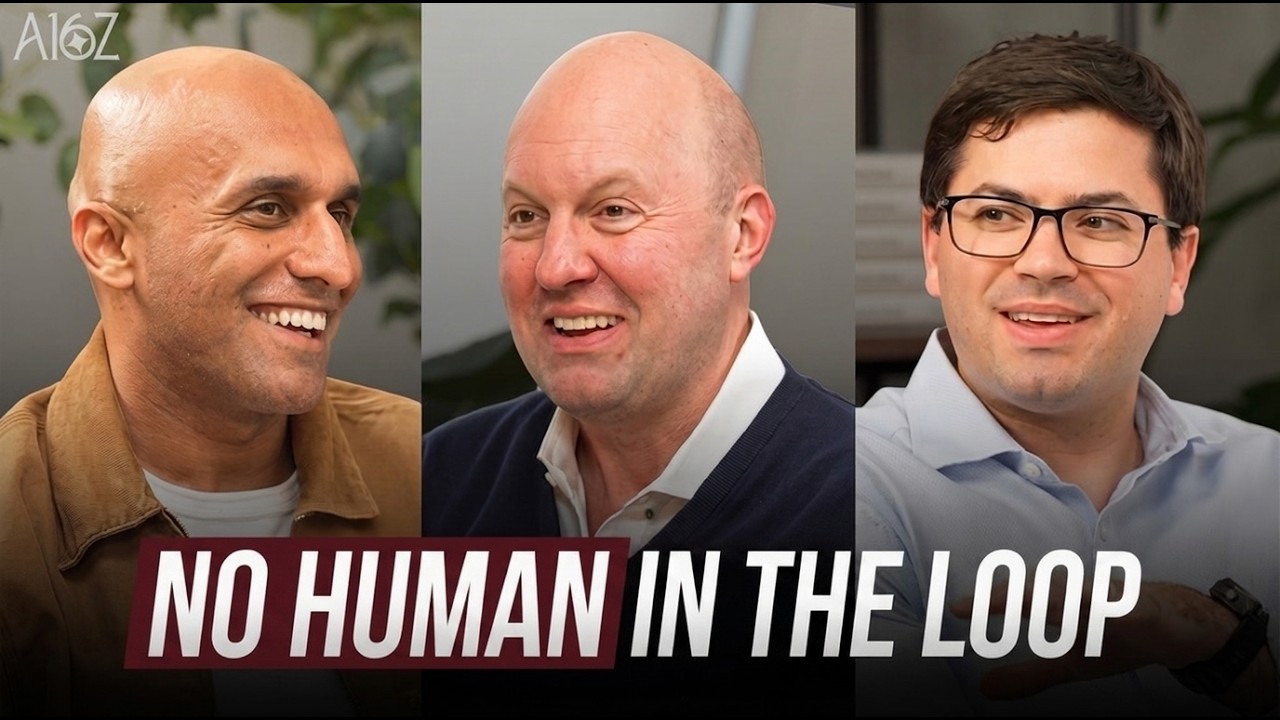
Why Physical AI Is the Next Frontier | The a16z Show

Why Physical AI Is the Next Frontier | The a16z Show

Applied Intuition discusses the emergence of physical AI, its mission to put intelligence on a billion machines, and its latest platform, Dana, designed to democratize autonomous system development. The conversation covers the vast scope of physical AI beyond automotive, the unique challenges of real-world deployment (safety, data, hardware), the current state and future of self-driving cars and trucks, and the transformative potential of humanoids and world models. They also touch upon the geopolitical landscape of AI and the global ambitions of Applied Intuition.

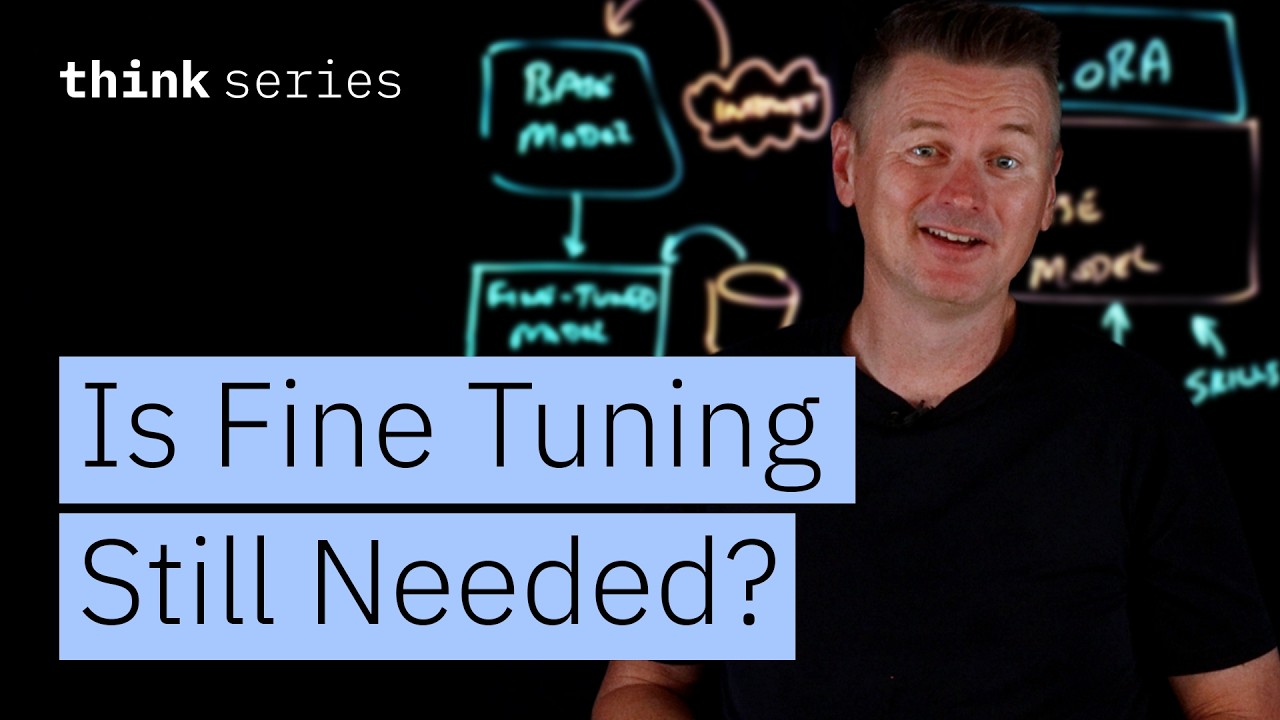
Is Fine-Tuning Still Needed? LLMs, RAG, & LoRA

Is Fine-Tuning Still Needed? LLMs, RAG, & LoRA

This summary explores the evolving role of fine-tuning in modern AI workflows, comparing it with advanced techniques like RAG, LoRA, and enhanced generative AI capabilities. It discusses the historical benefits, current limitations due to rapidly advancing frontier models, and outlines a practical decision framework for customizing machine learning models and designing efficient AI systems.

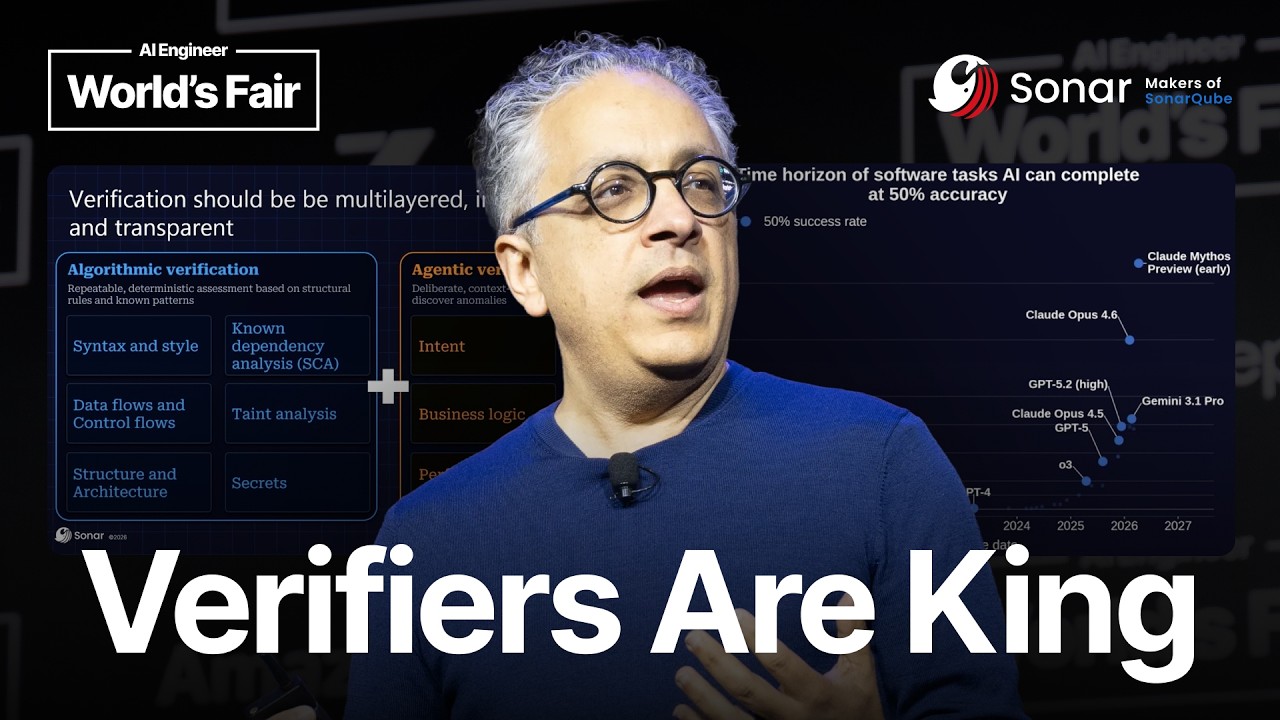
In the Land of AI Agents, the Verifiers Are King — Tariq Shaukat, Sonar

In the Land of AI Agents, the Verifiers Are King — Tariq Shaukat, Sonar

This talk addresses the critical challenge of verification in AI agent development, moving beyond generation to ensure correctness. It highlights the problem of "AI slop" and the "productivity paradox" of AI coding agents, where initial velocity gains are offset by increased technical debt and quality issues. The speaker introduces the AC/DC (Agent-Centric Development Cycle) framework comprising three stages: Guide (providing context and constraints), Verify (zero-trust, multi-layered verification using both algorithmic and agentic methods), and Solve (active code maintenance to control technical debt). This systems-level approach, integrating verification across agentic, CI, and code maintenance loops, significantly reduces issues and transforms AI into a reliable enterprise asset.