Codex

How OpenAI Built ChatGPT for Bankers and Analysts — Joseph Kim, OpenAI

How OpenAI Built ChatGPT for Bankers and Analysts — Joseph Kim, OpenAI

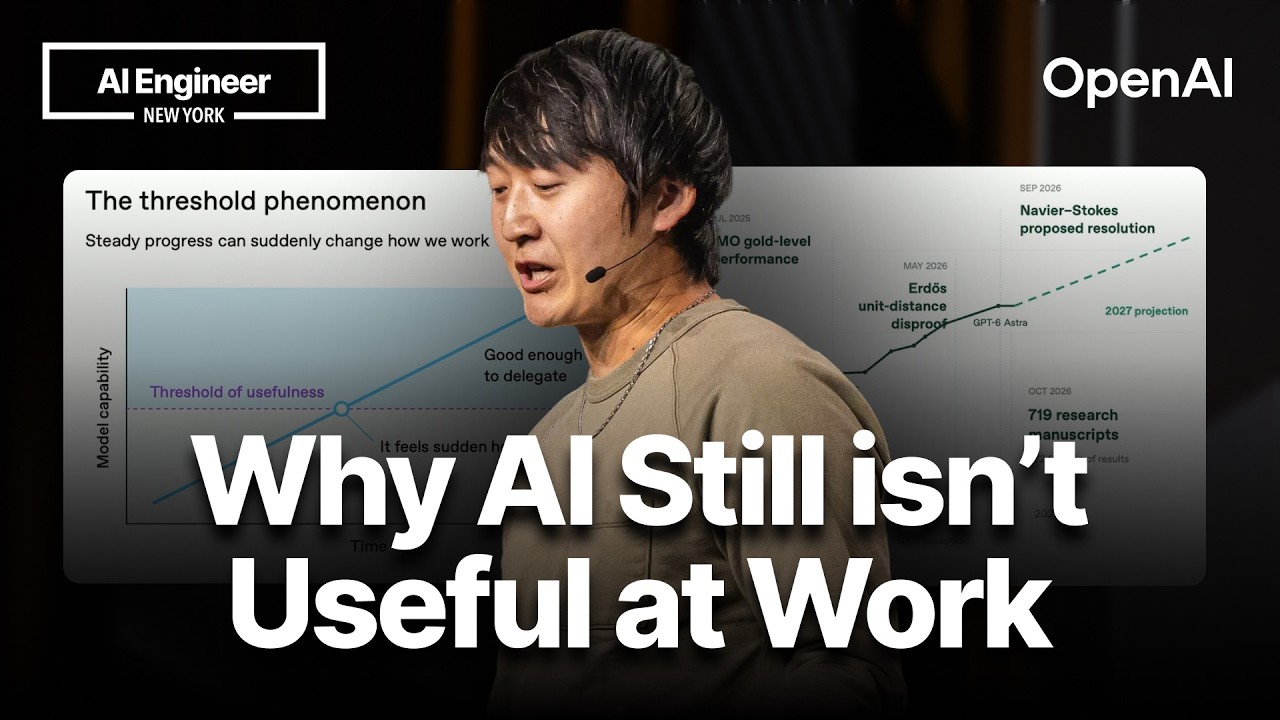
Joseph Kim, who leads ChatGPT for Financial Services, explains the capability overhang, the gap between what models can do and the value professionals get from them at work. He covers the product built with Morgan Stanley and Evercore, why the team licensed and indexed financial data instead of relying on MCP connectors, how firm templates, charts, and citation viewers sit on the ChatGPT plugin platform, and his view of model progress, the threshold of usefulness, and three bets for finance in 2027.

The AI Content System Behind 200M Views — Sarah Chieng, Cerebras & Cova Lee, OpenAI

The AI Content System Behind 200M Views — Sarah Chieng, Cerebras & Cova Lee, OpenAI

Sarah Chieng (Cerebras) and Cova Lee (OpenAI) walk through an agent-powered content system spanning ideation, scripting, recording, editing, repurposing, and publishing, emphasizing swipe files, voice-driven scripts, design systems, API-based editing, and weekly process reviews as ways to free creators to focus on craft over generic AI output.

SonarQube + OpenAI: Agentic Development — Killian Carlsen-Phelan, Sonar

SonarQube + OpenAI: Agentic Development — Killian Carlsen-Phelan, Sonar

A hands-on look at pairing Codex with SonarQube to verify agent-generated code inside the coding loop. The walkthrough covers secrets blocking, SQL injection remediation with a parameterized query, real-time agentic analysis, and the argument that completion requires evidence, containment is not correctness, and feedback belongs inside the agent loop.

Building on the Codex Harness — Dominik Kundel, OpenAI

Building on the Codex Harness — Dominik Kundel, OpenAI

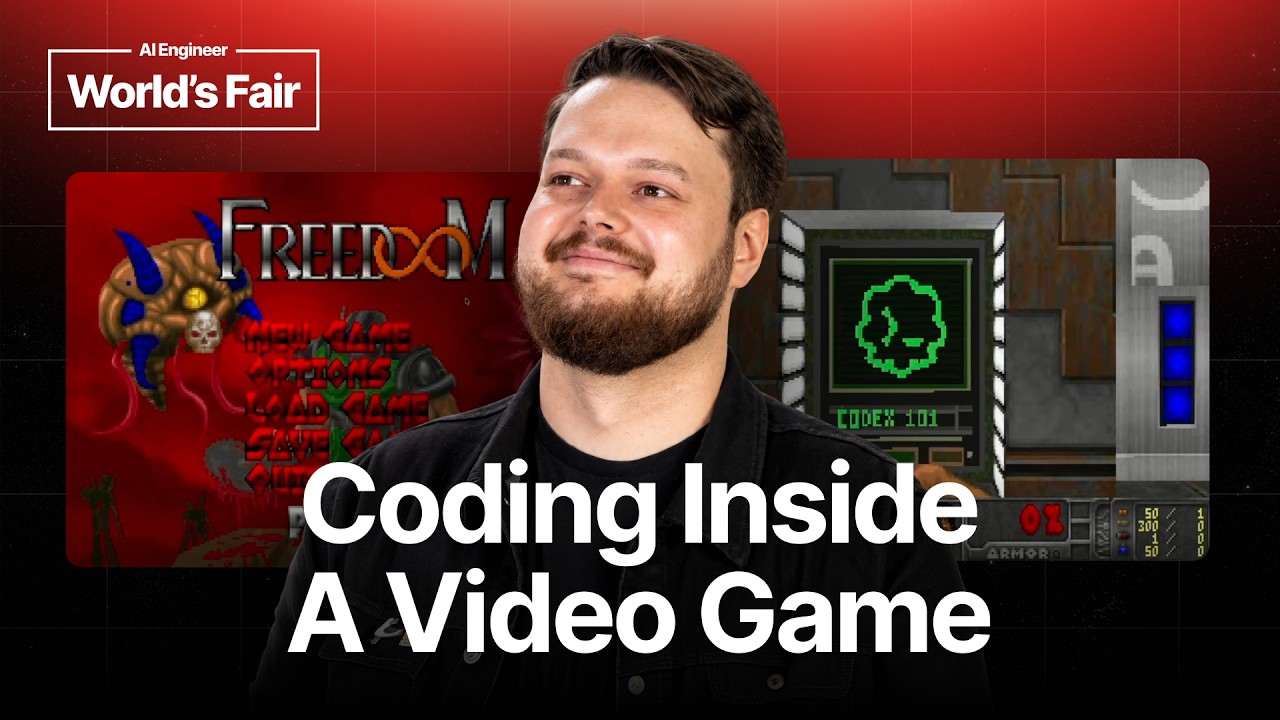
Dominik Kundel from OpenAI's Codex team explains the Codex App Server, the open-source JSON-RPC protocol that wraps the Codex harness and powers the Codex app, IDE extensions, and third-party clients. He covers live protocol events, more than 120 client messages, ChatGPT sign-in, developer instructions, deferred dynamic tools, shipping and binding generation, the Python SDK, and a demo of Codex running inside Doom.

Your Agents Are in Solitary Confinement: Why MCP & A2A Aren't Enough — Vlad Luzin, Band

Your Agents Are in Solitary Confinement: Why MCP & A2A Aren't Enough — Vlad Luzin, Band

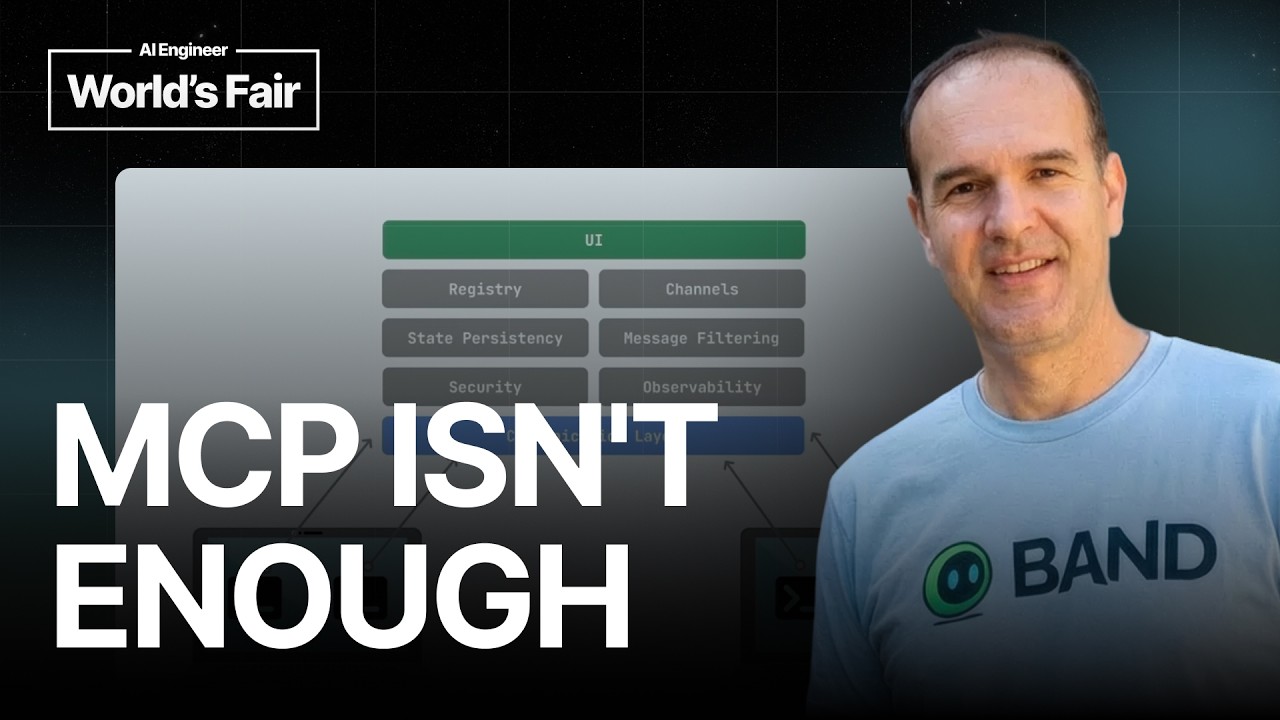
Vlad Luzin, co-founder and CTO of Band, argues that connecting AI agents is a distributed systems problem that current tools such as MCP, A2A and messaging platforms do not solve. He lays out what is required for real agent collaboration, including ordered real-time transport, persistence, runtime binding, agent-first abstractions and governance, then demonstrates Codex, LangGraph and Claude Code agents finding and working with each other under full human-in-the-loop visibility.

We Let Claude Code and Codex Race Human Researchers — Elie Bakouch, Prime Intellect

We Let Claude Code and Codex Race Human Researchers — Elie Bakouch, Prime Intellect

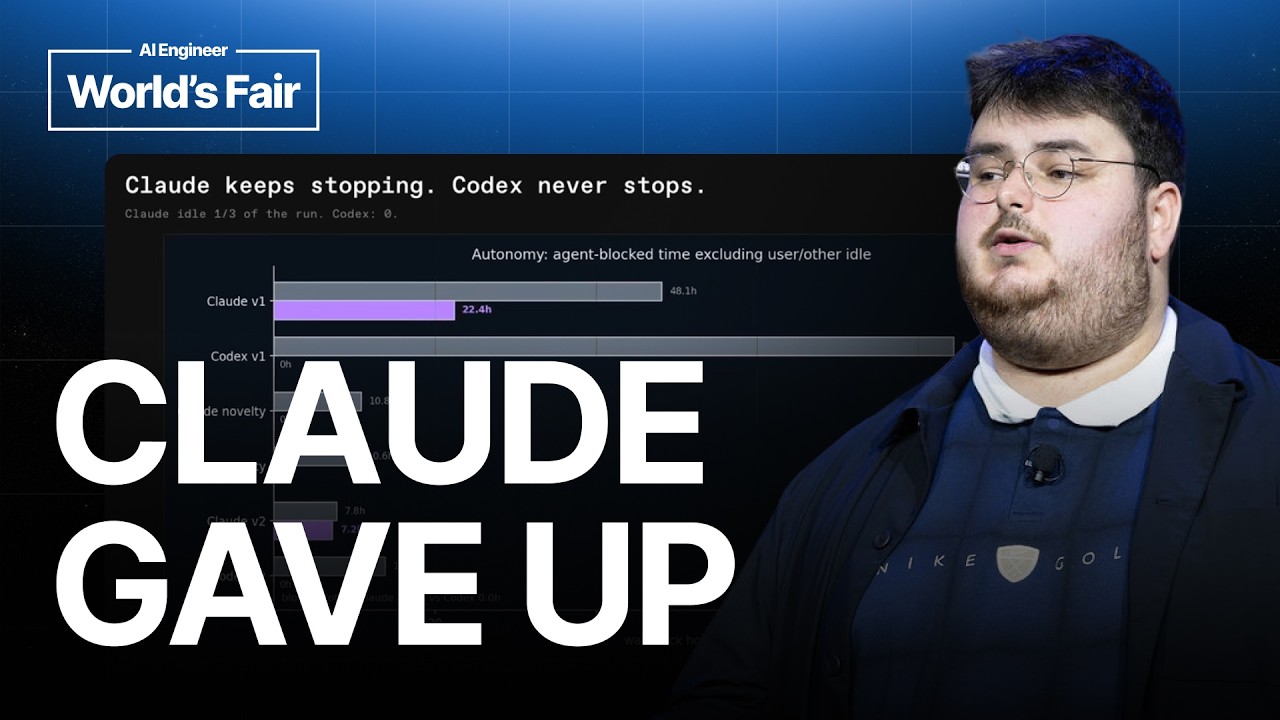
Elie Bakouch, a research engineer at Prime Intellect, reports on setting Claude Code and Codex loose on the community Optimizer Speedrun, a race to train a GPT-2-level model in the fewest steps. Both agents beat the human record, but they behaved very differently, and none of them invented a new optimizer. The talk closes with a proposed AlphaEvolve-style discovery loop and an argument for doing this research openly.