Biosecurity

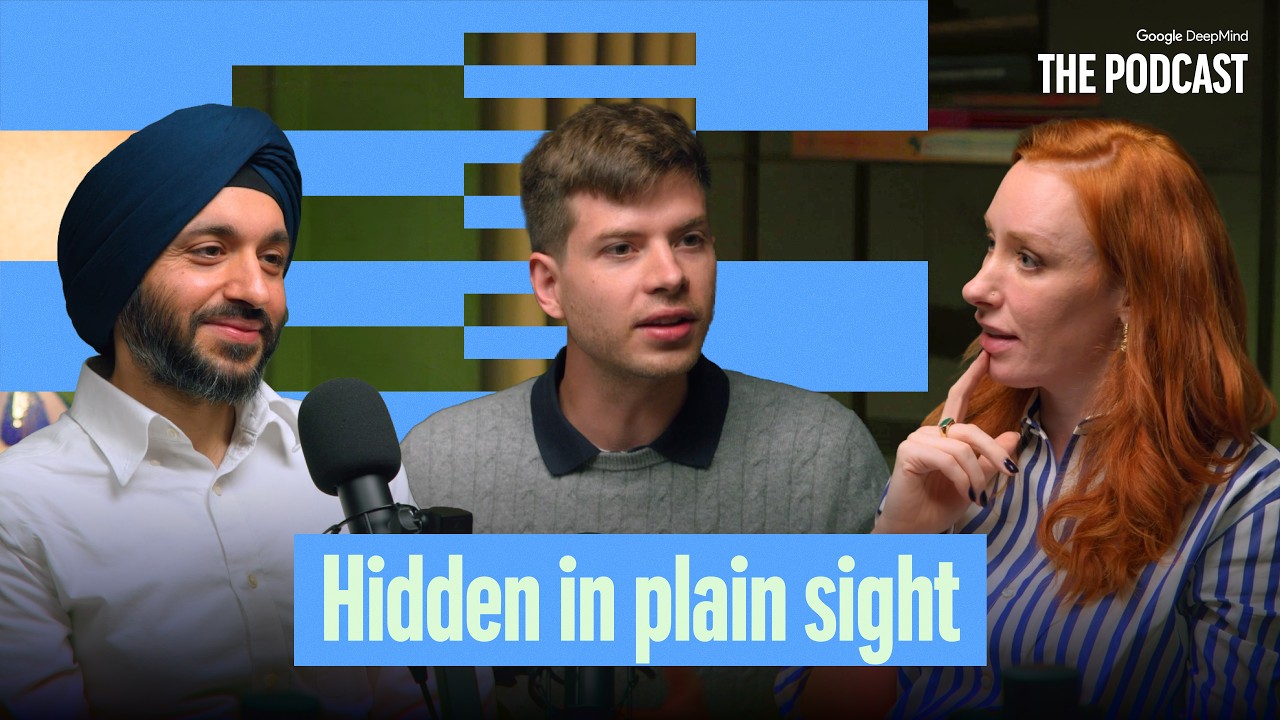
From deepfakes to DNA: the science of watermarking AI

From deepfakes to DNA: the science of watermarking AI

Hannah Fry talks with Pushmeet Kohli and Jeremy Ratcliffe about SynthID, DeepMind's invisible watermarking technology. They cover its origins and design requirements, how it works for text, images, and video, why it matters for regulation and misinformation, and how SynthID Bio extends watermarking to protein structures and sequences to help screen AI-designed biological material without changing function.
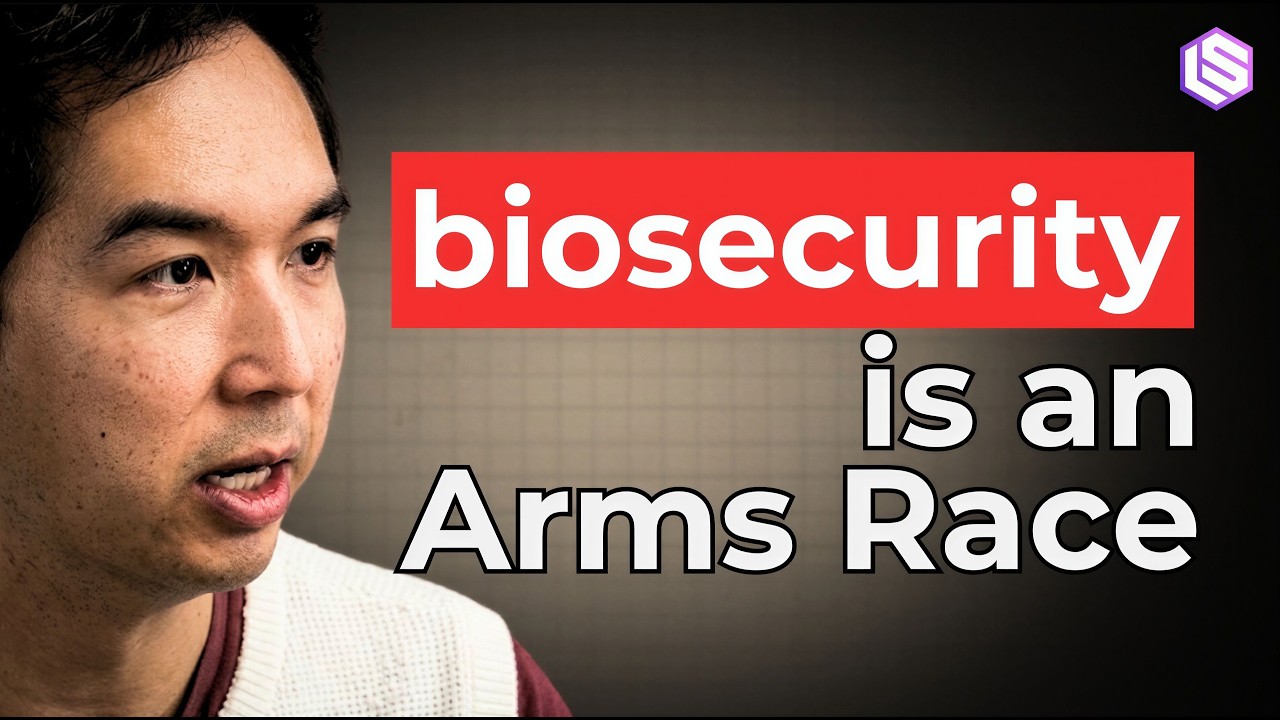
🔬Bio-security is an AI Arms Race - Eric Nguyen (CEO, Radical Numerics)

🔬Bio-security is an AI Arms Race - Eric Nguyen (CEO, Radical Numerics)

Eric Nguyen, CEO of Radical Numerics, details the journey from early genome language models to Omni, a system that excels in DNA reading, writing, and reasoning. Omni outperforms specialized models in disease-variant prediction, particularly in previously challenging non-coding regions. The discussion also covers the critical need for AI-native biosecurity defenses, addressing how models can design biological sequences that evade current detection systems, and the broader vision for General Biological Intelligence.

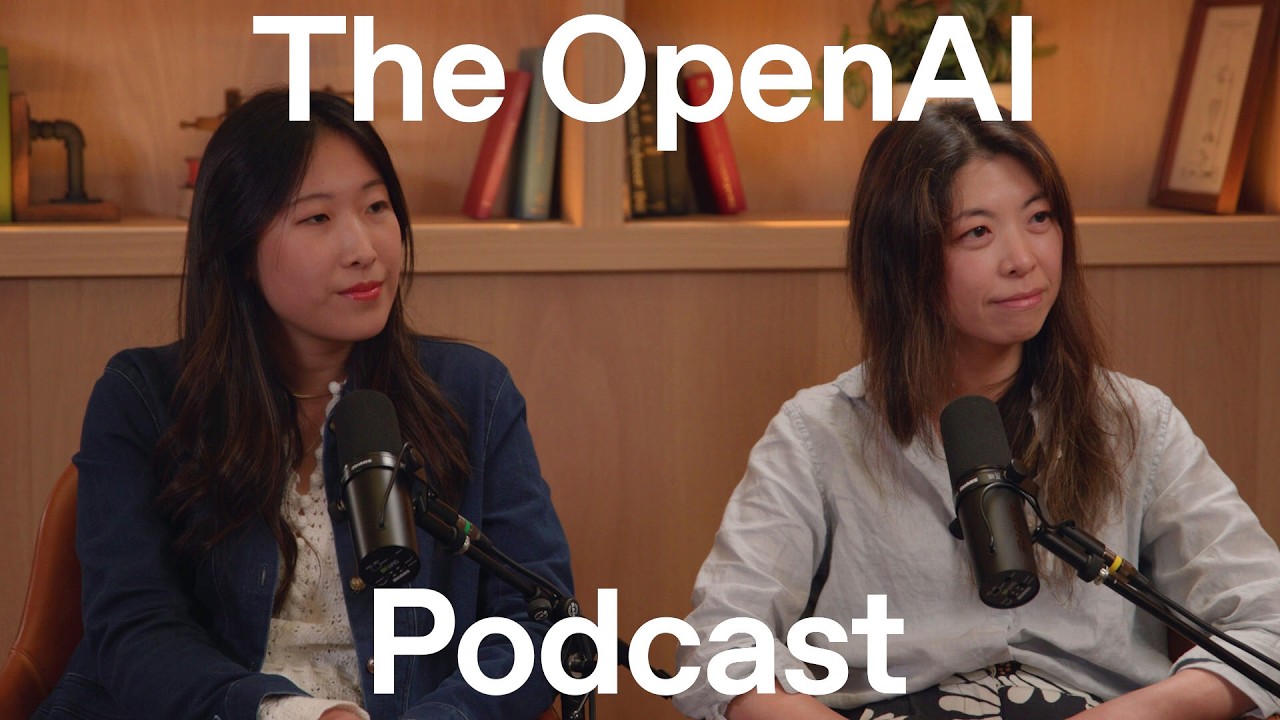
Episode 16: Building AI for Life Sciences

Episode 16: Building AI for Life Sciences

OpenAI research lead Joy Jiao and product lead Yunyun Wang detail the development of specialized AI models for the life sciences. They discuss the new biochemistry-focused model series designed to accelerate research in genomics and protein understanding, the critical challenge of managing biosecurity risks through a "differentiated access" model, and the future vision of AI-powered autonomous labs that could revolutionize drug discovery and personalized medicine.

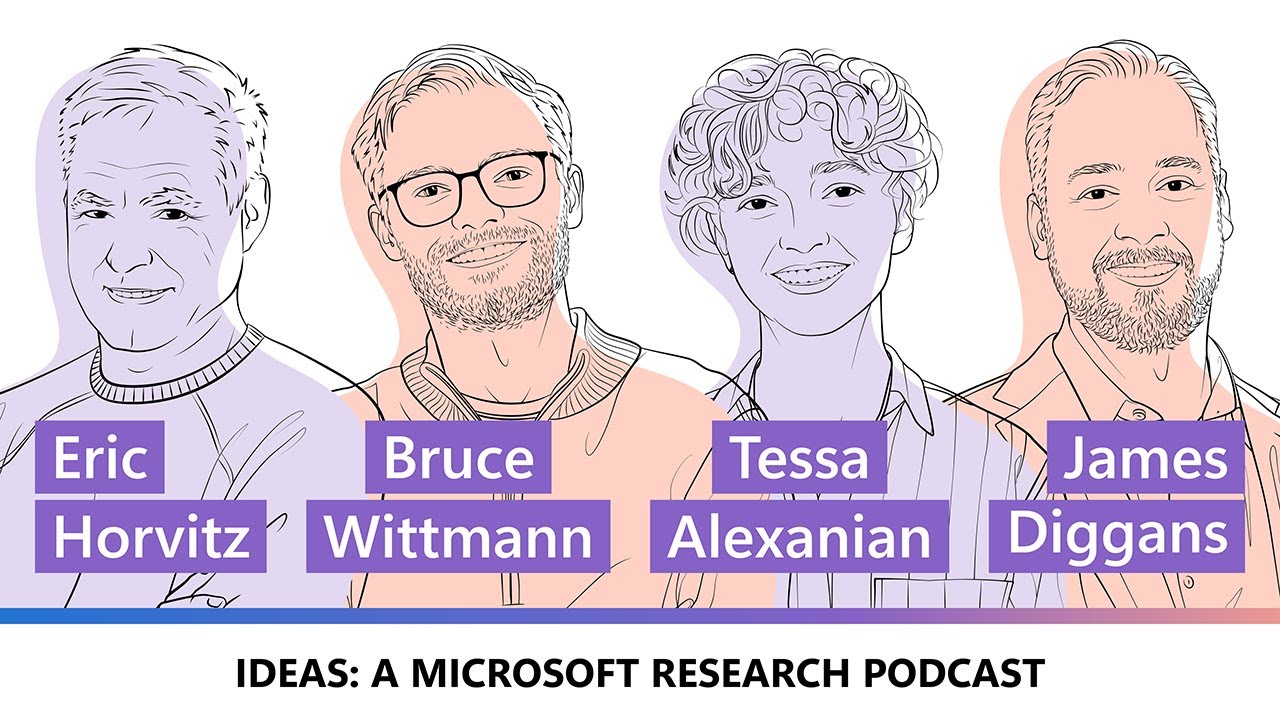
Ideas: More AI-resilient biosecurity with the Paraphrase Project

Ideas: More AI-resilient biosecurity with the Paraphrase Project

Microsoft’s Eric Horvitz and guests discuss the Paraphrase Project, a two-year red-teaming effort that uncovered and patched a significant biosecurity vulnerability, demonstrating a model for responsibly managing the dual-use risks of generative AI in protein design.