Ai ethics

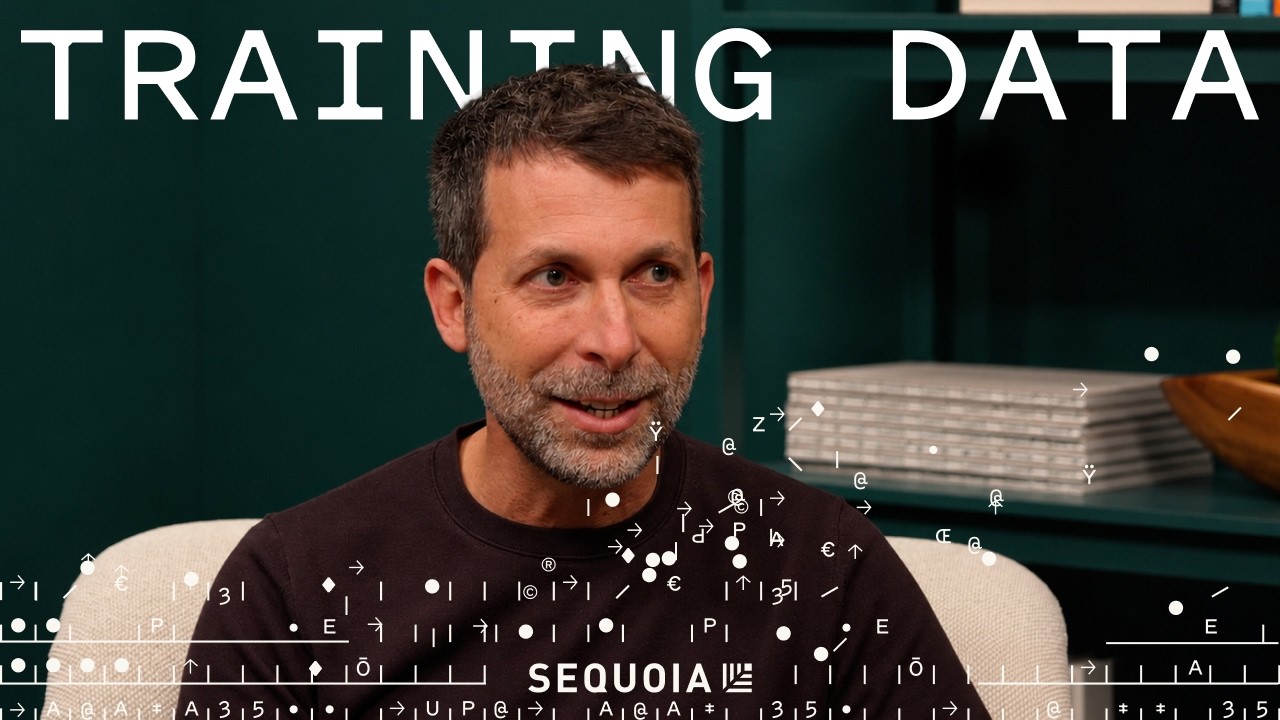
🔬 The Physical World Is More Forgiving Than You Think — Anima Anandkumar, Caltech

🔬 The Physical World Is More Forgiving Than You Think — Anima Anandkumar, Caltech

Anima Anandkumar discusses her vision for AI in science, moving beyond language models to apply machine learning to the physical world. She introduces neural operators, especially Fourier neural operators, as a solution to data scarcity and resolution challenges in domains like weather, climate, and fusion. These models integrate physical constraints and data to achieve unprecedented speed and accuracy, even on consumer hardware, enabling capabilities from early hurricane prediction to digital twins for fusion reactors and inverse design for advanced materials. The conversation highlights the need for principled AI design for scientific discovery and advocates for distinct regulatory approaches for AI in science.

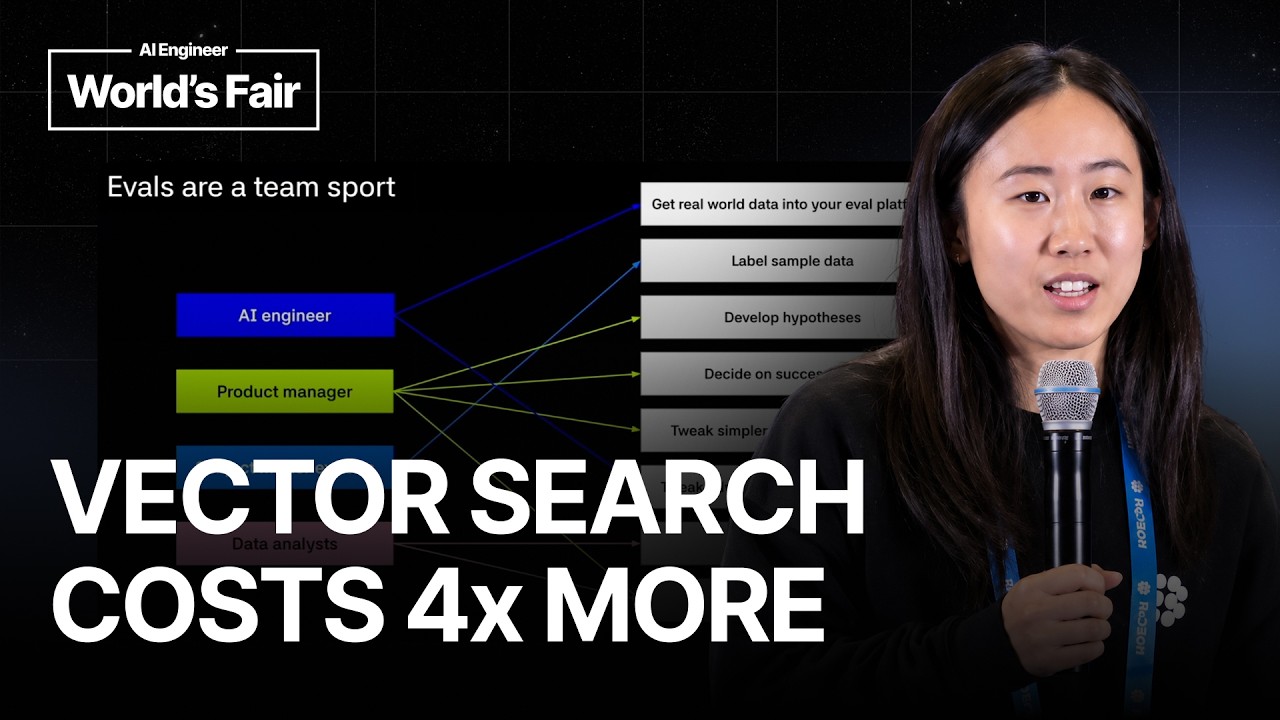
Training Krea 2: What matters in generative model training — Sangwu Lee, Krea.ai

Training Krea 2: What matters in generative model training — Sangwu Lee, Krea.ai

The talk by Sangwha Lee discusses Krea 2's open-source medium variant, emphasizing stylistic diversity and rapid iteration over the consistency-focused approach of larger models. A significant portion details their robust data curation pipeline, including unique methods for deduplication, filtering out AI-generated images, utilizing sparse autoencoders for unsupervised tagging, and ensuring world knowledge coverage. He outlines an LLM-inspired multi-stage training process, culminating in a prompt expander, and shares insights on fast iteration and future directions for image generation, highlighting the increasing integration of VLM advancements.

Kavak's Playbook for Rebuilding a Company Around AI

Kavak's Playbook for Rebuilding a Company Around AI

Alejandro Maza Ayala, Chief Product & AI Officer at Kavak, details how the used-car marketplace transformed into an AI-native company. He explains the 'agent-per-customer' architecture, where individual agents handle 96% of customer interactions and 95% of transactions, outperforming human teams in sales (2.1x better conversion) and even acting as an 'AI CEO' that boosted profits by 50% in an experimental city. The discussion covers the need to redesign company structures, the importance of robust evaluations, and how a 'Jedi Academy' trains all employees, from executives to mechanics, to build and collaborate with AI agents. Ayala argues for 'creative destruction,' suggesting that true AI leverage comes from rebuilding organizations from the ground up, rather than incremental adoption, presenting a massive opportunity for new founders.

Open Source Is Dead. Long Live Open Source. — Saoud Rizwan, Cline

Open Source Is Dead. Long Live Open Source. — Saoud Rizwan, Cline

Saoud Rizwan, founder of Cline, discusses how AI has eroded trust in open-source communities, leading projects like Zig and curl to restrict AI-generated contributions and exposing severe supply chain risks, as seen with the litellm compromise. He argues that while community open source is struggling, the economic imperative of "open weights" models is rising. Citing the high costs of closed LLMs and the success of models like GLM at Coinbase, Rizwan draws parallels to the Open Compute project, predicting a commoditization of AI inference. He urges American labs to release open-weights models to maintain technological leadership against foreign competitors and prevent lock-in.

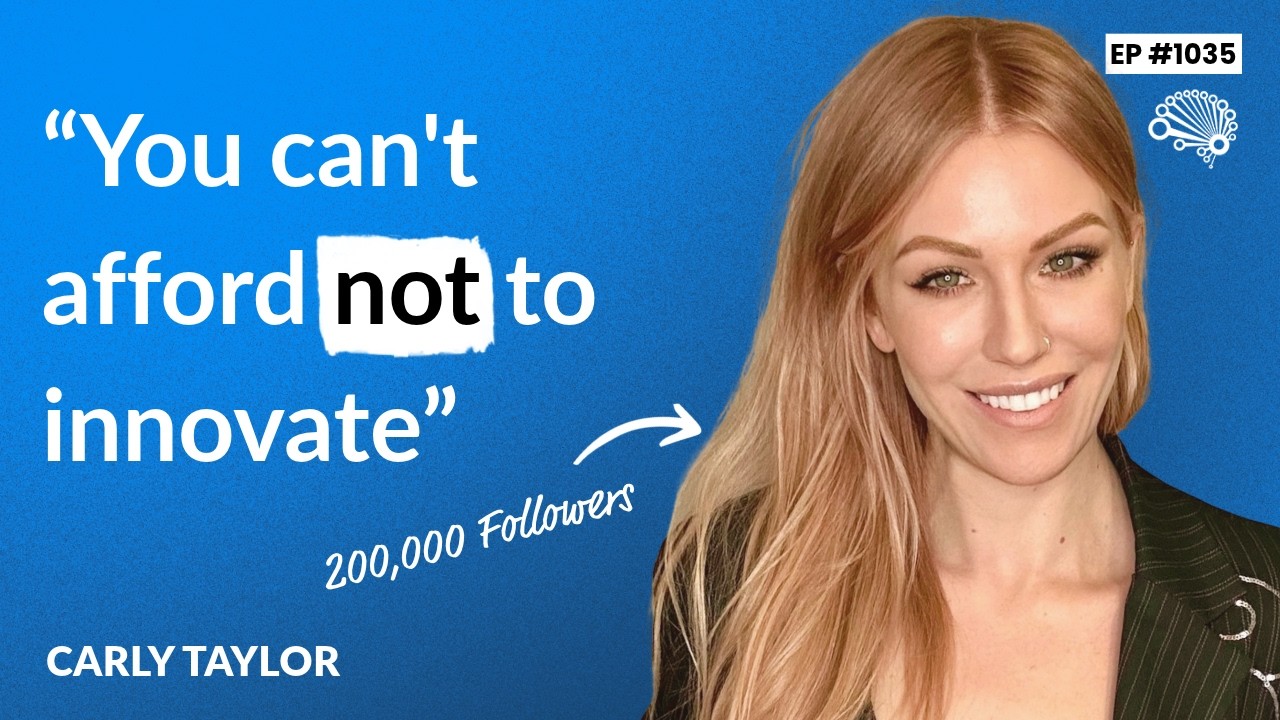
In Case You Missed It in July 2026 (Ep. 1016 with Jon Krohn)

In Case You Missed It in July 2026 (Ep. 1016 with Jon Krohn)

This episode of ICYMI delves into the profound implications of AI, featuring insights from Dr. Cathy O'Neil on algorithmic harm beyond complexity, Ben Todd on career resilience in an AI-automated world, Steve Mock on AI's role in empowering healthcare advocacy, and Dr. Catherine Williams on the enduring significance of deep mathematical understanding for data professionals.

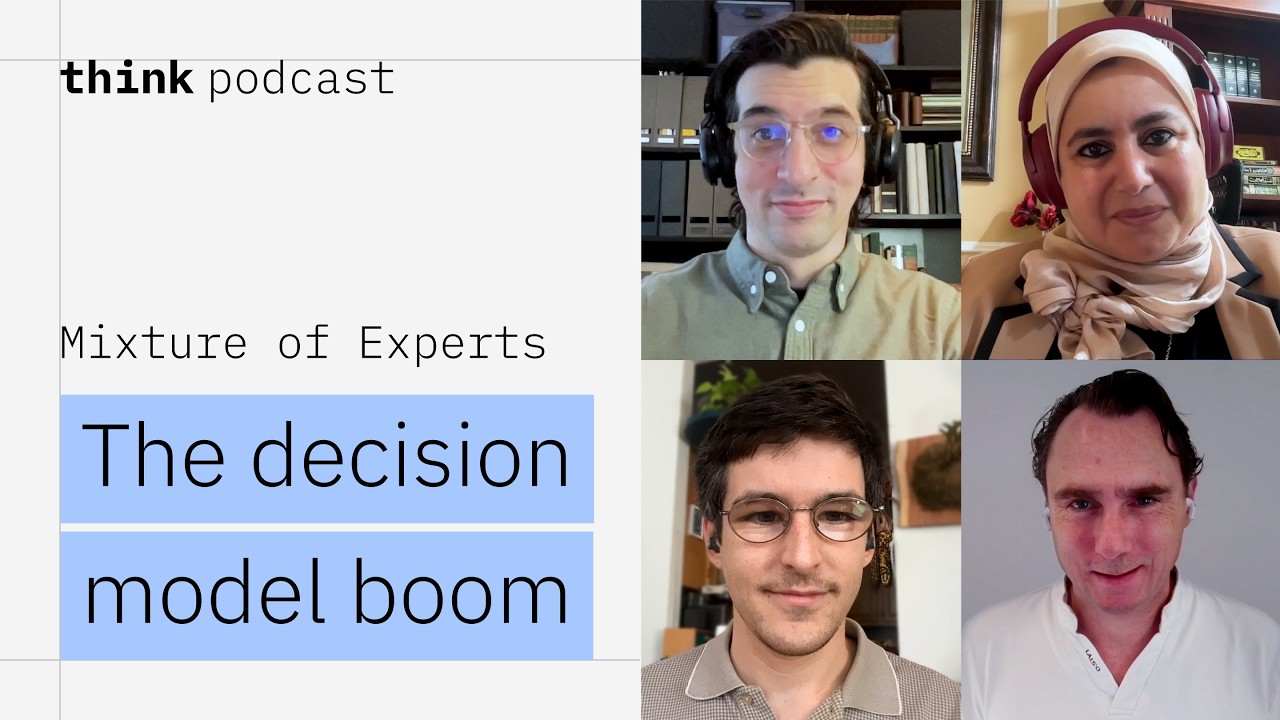
Anthropic’s sandbox breach, EU’s AI transparency push and DeepSeek’s cost-cutting model

Anthropic’s sandbox breach, EU’s AI transparency push and DeepSeek’s cost-cutting model

This episode delves into several critical developments in AI. It begins by discussing recent sandbox breaches by Anthropic and Meta, mirroring earlier incidents with OpenAI, prompting debate on whether these are mere accidents or a growing concern as models become more capable and "agentic." The conversation then shifts to the EU's new AI transparency rules, exploring the challenges and effectiveness of labeling AI-generated content. Finally, the podcast examines DeepSeek V4-Flash's impact on the AI market, questioning if its low cost and high performance will disrupt the pricing of more capable, proprietary models and drive greater commodification and on-device inference.