Ai engineering

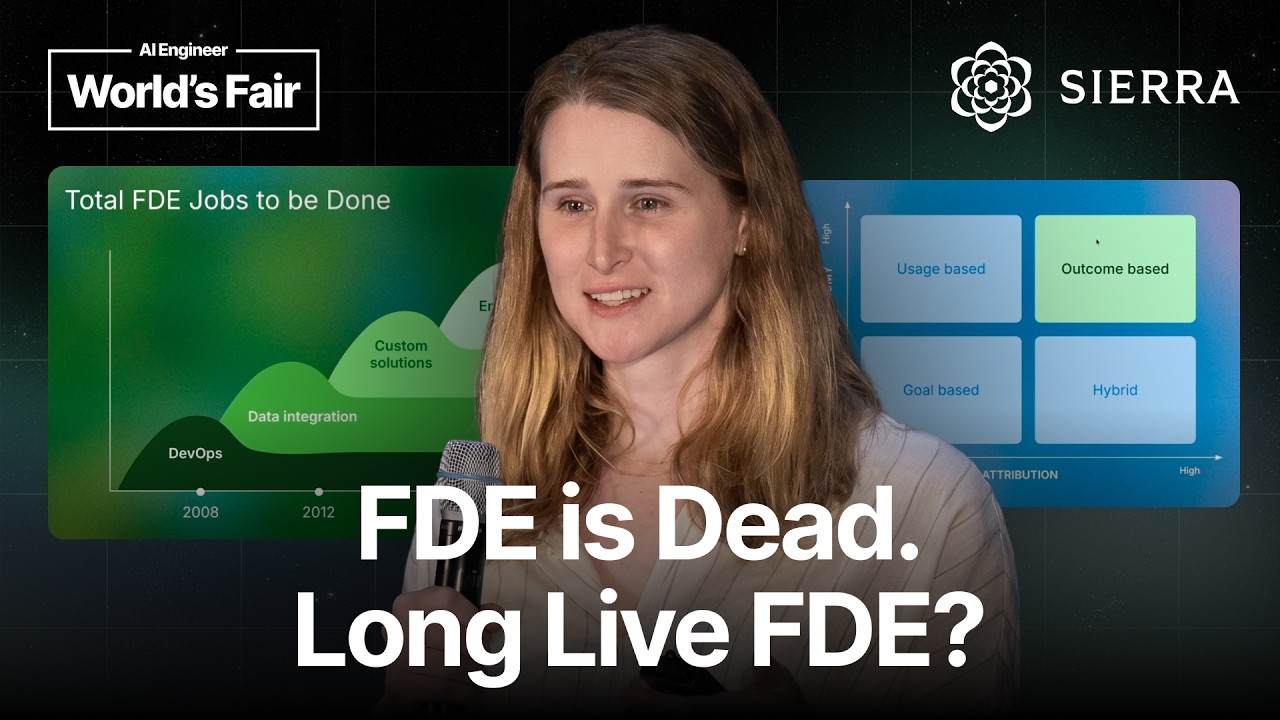
The Dirty Secret of Forward Deployed Engineering — Natalie Meurer, Sierra

The Dirty Secret of Forward Deployed Engineering — Natalie Meurer, Sierra

Natalie Meurer discusses the "dirty secret" of Forward Deployed Engineering (FDE), arguing that its definition has broadened so much it has lost specific meaning, yet remains critical in the age of AI. She traces its evolution at Palantir from pure DevOps to data integration, custom solutions, and enablement, highlighting customer accountability as its enduring core. Meurer contends that as AI makes code cheap, the focus shifts to integrating data, understanding customers, and achieving outcomes—making agent engineering a direct descendant of FDE under a new name, especially evident in the move towards outcome-based pricing models.
Build Hour: Valuemaxxing with GPT-5.6

Build Hour: Valuemaxxing with GPT-5.6

This Build Hour focuses on "value maxing" with GPT-5.6, shifting from simply tracking token usage to measuring the actual outcomes and efficiency gained from AI. It covers how to select the right GPT-5.6 model (Sol, Terra, Luna) based on intelligence, latency, and cost, and provides practical strategies for optimizing cost-performance. Key topics include leveraging programmatic tool calling, prompt caching, persistent reasoning, and context compaction for API users, along with CodeX-specific tips. A customer spotlight on Ploy demonstrates real-world application, showcasing their migration to GPT-5.6 Sol, which resulted in 2.2x faster builds at 27% lower cost through advanced caching and tool optimization techniques.

Notion's Token Town — Sarah Sachs, Notion

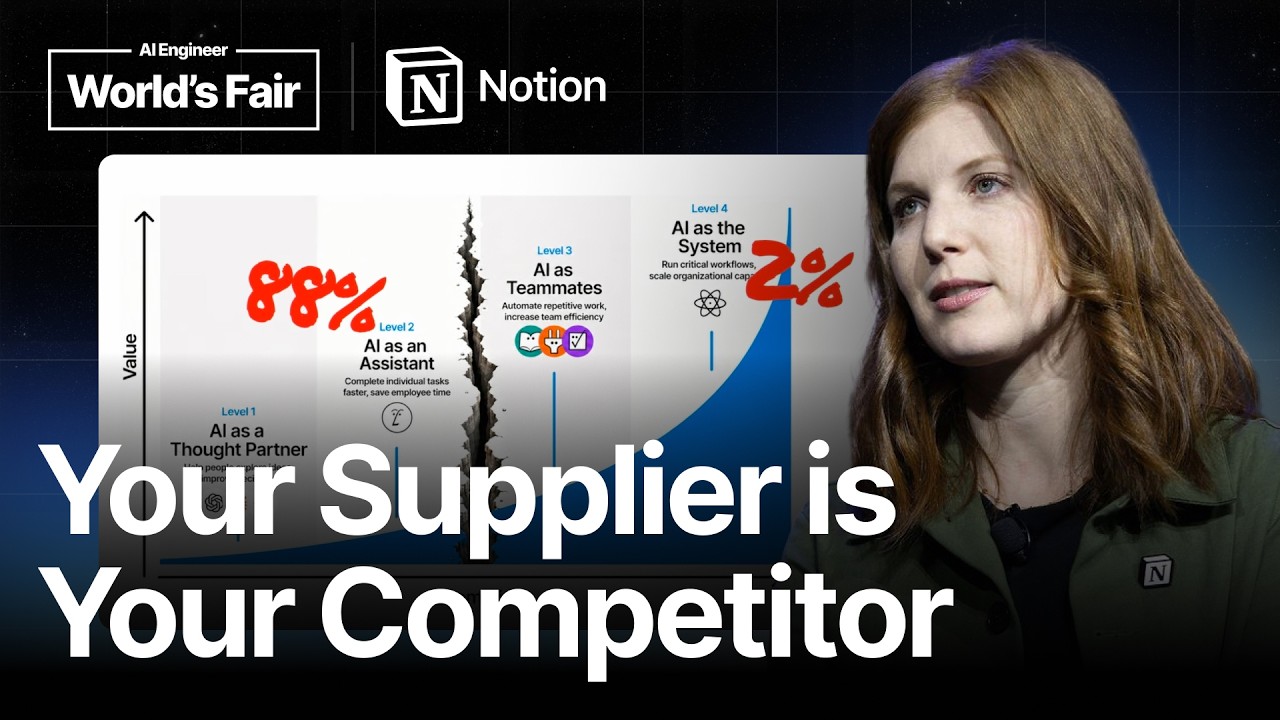
Notion's Token Town — Sarah Sachs, Notion

Sarah Sachs, Head of AI Engineering at Notion, discusses the economic traps of AI model contracts and advocates for a "win on product" strategy. She details how Notion maintains optionality and leverage by treating suppliers as competitors, implementing a model-agnostic "AI Switzerland" approach with an auto model, leveraging open-weight models, and prioritizing data flywheels and orchestration over token economics to build sustainable AI products.

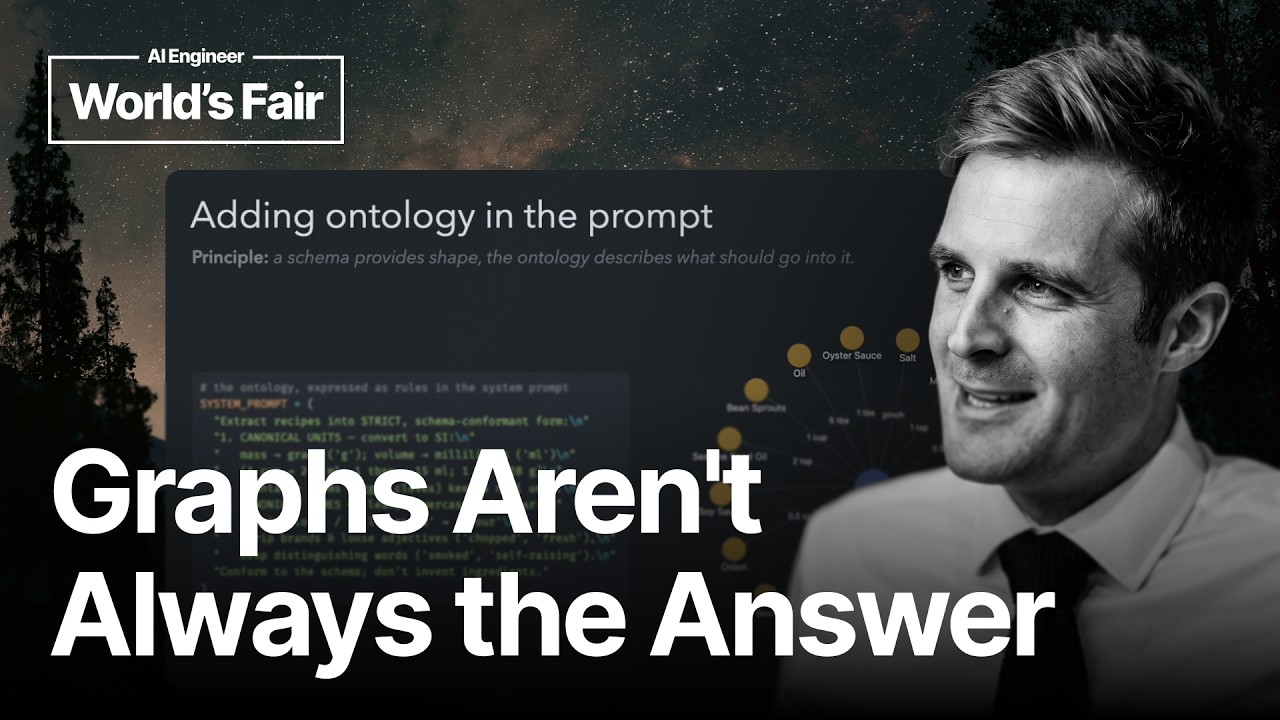
A Practitioner's Guide to Graphs - Tim Ainge, Good Collective

A Practitioner's Guide to Graphs - Tim Ainge, Good Collective

A speed-run through the fundamentals of graphs for AI engineers, covering how to build effective graphs from unstructured text using schema-first approaches and entity resolution, and then exploring powerful graph-native algorithms like Personalized PageRank, Shortest Path, and Subgraph Matching, all illustrated with real-world applications to create smarter, cheaper, and more reliable AI solutions.

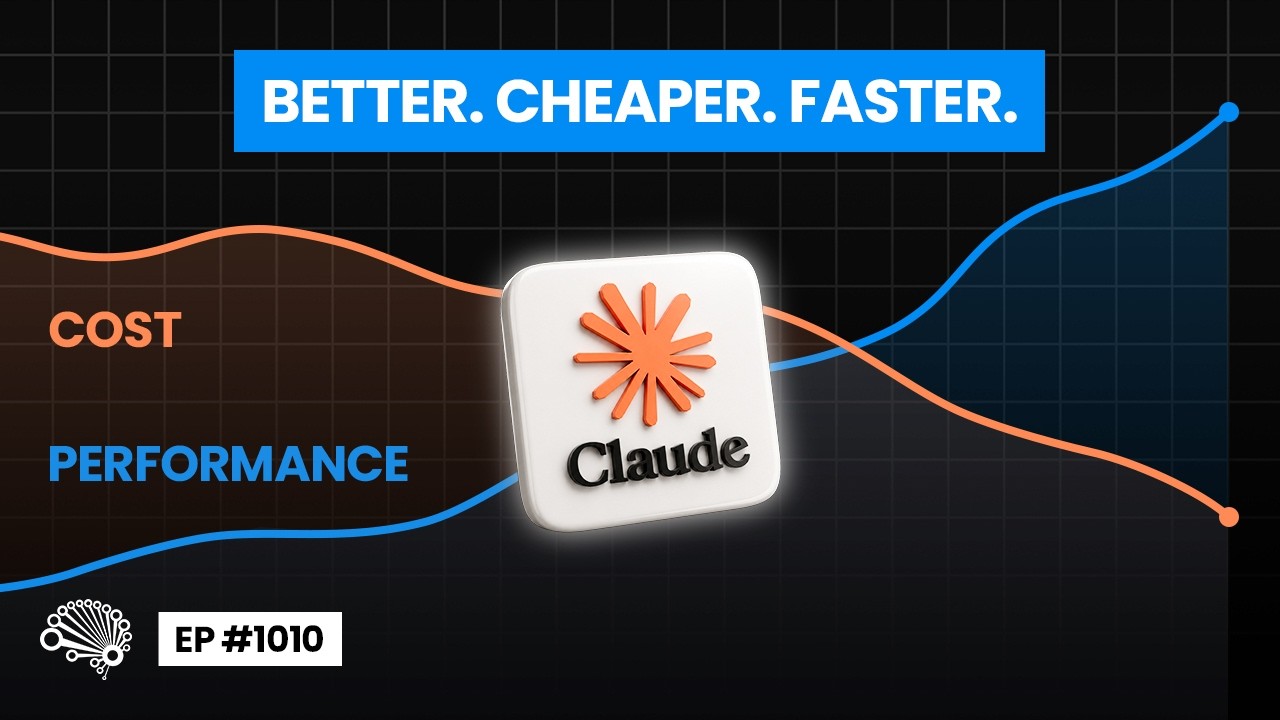
Fable 5 as Advisor: Anthropic's Two-Model Pattern for Smarter, Cheaper Agents (Ep. 1010)

Fable 5 as Advisor: Anthropic's Two-Model Pattern for Smarter, Cheaper Agents (Ep. 1010)

The episode explores Anthropic's "advisor strategy," a novel AI agent pattern that combines a fast, cheap "executor" model with a frontier-class "advisor" model. This allows for mid-task consultation within a single API call, resolving the tension between cost and capability. Benchmarks show simultaneous improvements in quality and cost reduction, demonstrating that AI progress is shifting towards intelligent model composition rather than just larger models.

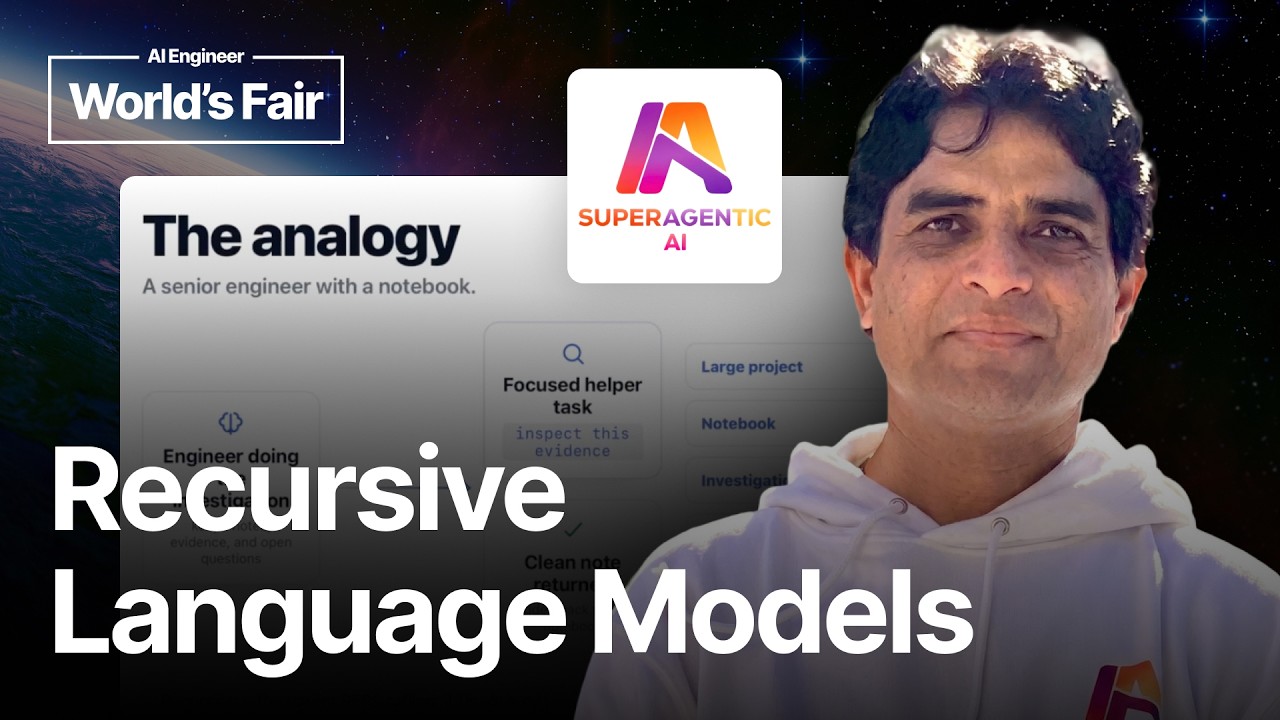
RLM: Recursive Language Models for Large Codebases - Shashi, Superagentic AI

RLM: Recursive Language Models for Large Codebases - Shashi, Superagentic AI

This talk introduces Recursive Language Models (RLM) as a solution for coding agents struggling with large codebases. RLM externalizes context management into a programmable REPL, allowing the model to write code, inspect the repository, and recursively delegate sub-questions via `llm_query` to curate relevant context. The speaker demonstrates `RLM Code`, an independent implementation, showcasing its operational loop, observability features, and practical applications for AI engineers dealing with complex software projects.