Ai bubble

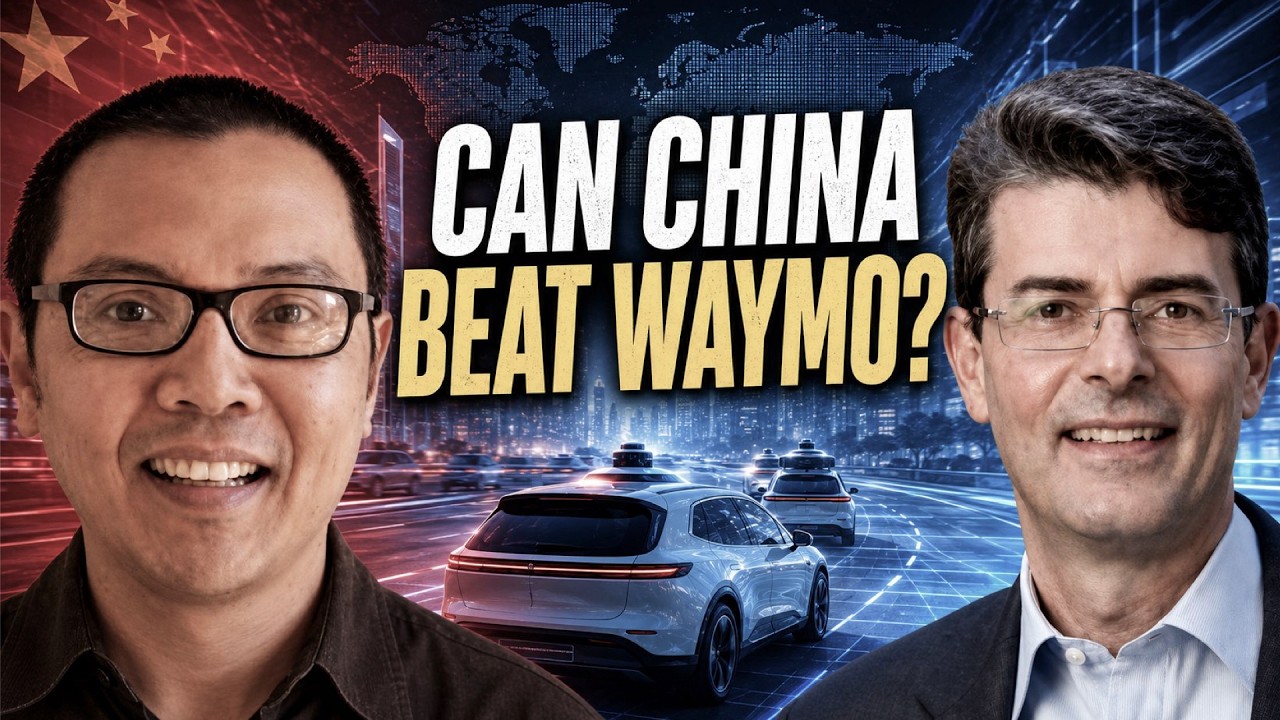
CAN CHINA BEAT WAYMO?

CAN CHINA BEAT WAYMO?

This episode discusses three critical topics in AI: the true nature of recent AI agent "breakouts," arguing they highlight governance and security flaws rather than model danger; the role of AGI narratives in fueling the current AI investment bubble and questioning its sustainability; and China's aggressive strategy in the global robotaxi market, potentially outpacing Western counterparts like Waymo.
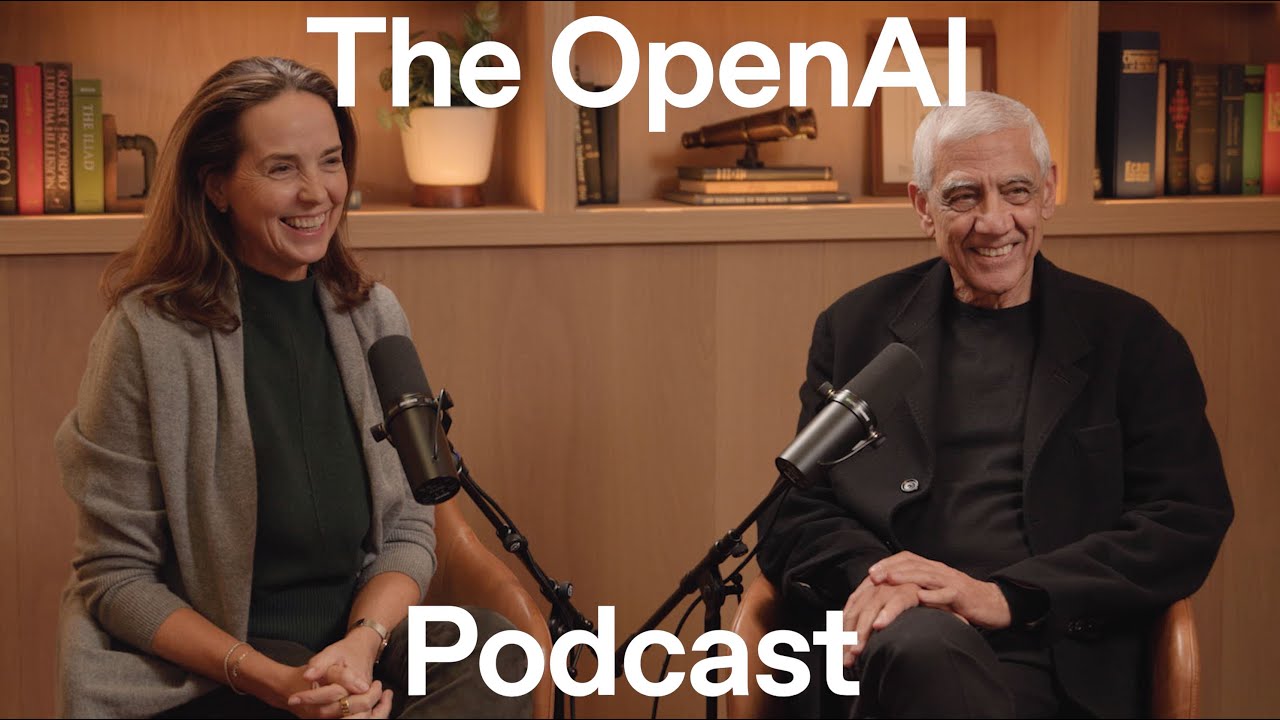
State of the AI Industry — the OpenAI Podcast Ep. 12

State of the AI Industry — the OpenAI Podcast Ep. 12

OpenAI CFO Sarah Friar and investor Vinod Khosla discuss the immense demand for AI compute, debunking the 'bubble' narrative by highlighting real-world productivity gains. They explore the future of agents, AI in healthcare, enterprise adoption, and the transformative potential of robotics on the global economy.

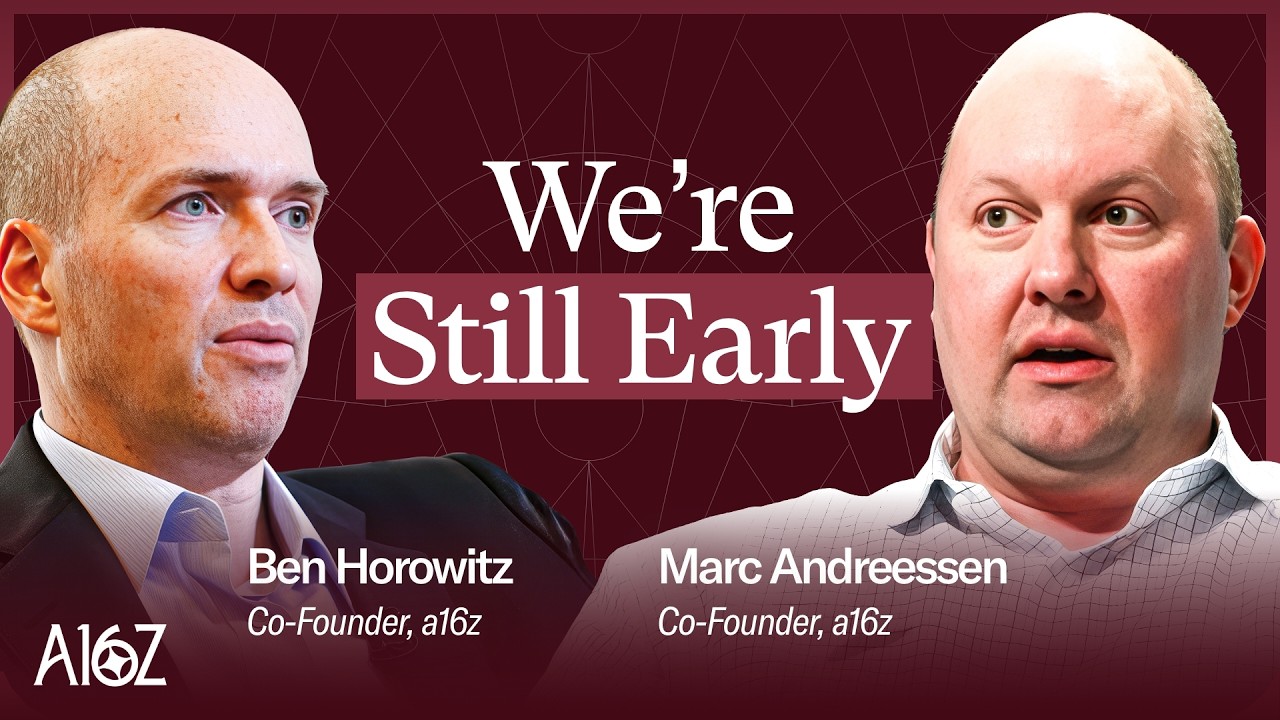
Marc Andreessen and Ben Horowitz on the State of AI

Marc Andreessen and Ben Horowitz on the State of AI

A discussion with Marc Andreessen and Ben Horowitz on the true nature of AI creativity, the limitations of intelligence in leadership, why the current AI boom is not a bubble, and the coming platform shifts and geopolitical race in robotics.

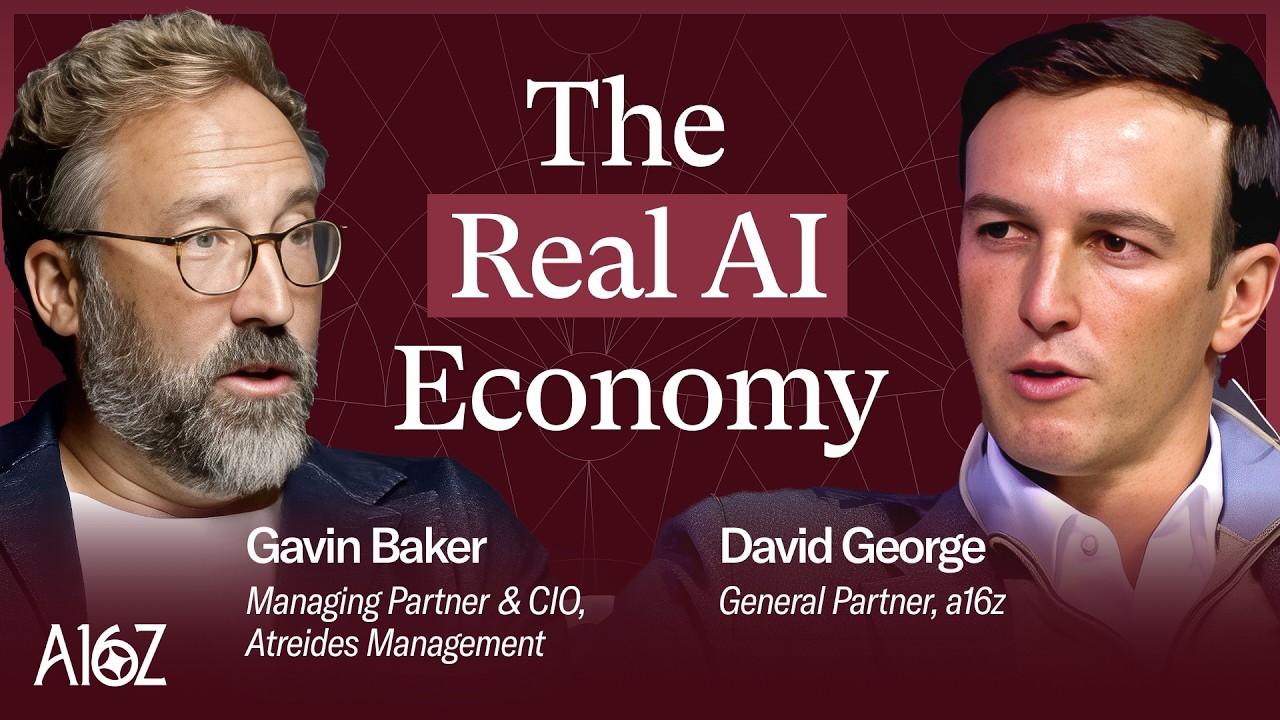
"Is there an AI bubble?” Gavin Baker and David George

"Is there an AI bubble?” Gavin Baker and David George

Gavin Baker, CIO of Atreides Management, and David George, General Partner at a16z, provide a macro view of the AI landscape. They discuss the trillion-dollar data center buildout, compare the current AI boom to the 2000 telecom bubble, analyze the competitive dynamics in AI infrastructure between Nvidia and Google, and explore the evolving business models for AI applications and the future of SaaS.

Beyond the AI Bubble

Beyond the AI Bubble

Ben Lorica and Evangelos Simoudis discuss signals of an AI bubble, including runaway valuations and circular financing. They explore why many enterprise AI pilots fail and what separates successful adopters—namely, a focus on measurable use cases and organizational transformation—and offer a nuanced perspective on the US-China tech race, cautioning against underestimating China's progress in AI, robotics, and semiconductors.