Posts

What Is RAD? Why It Matters in the Age of AI Coding

What Is RAD? Why It Matters in the Age of AI Coding

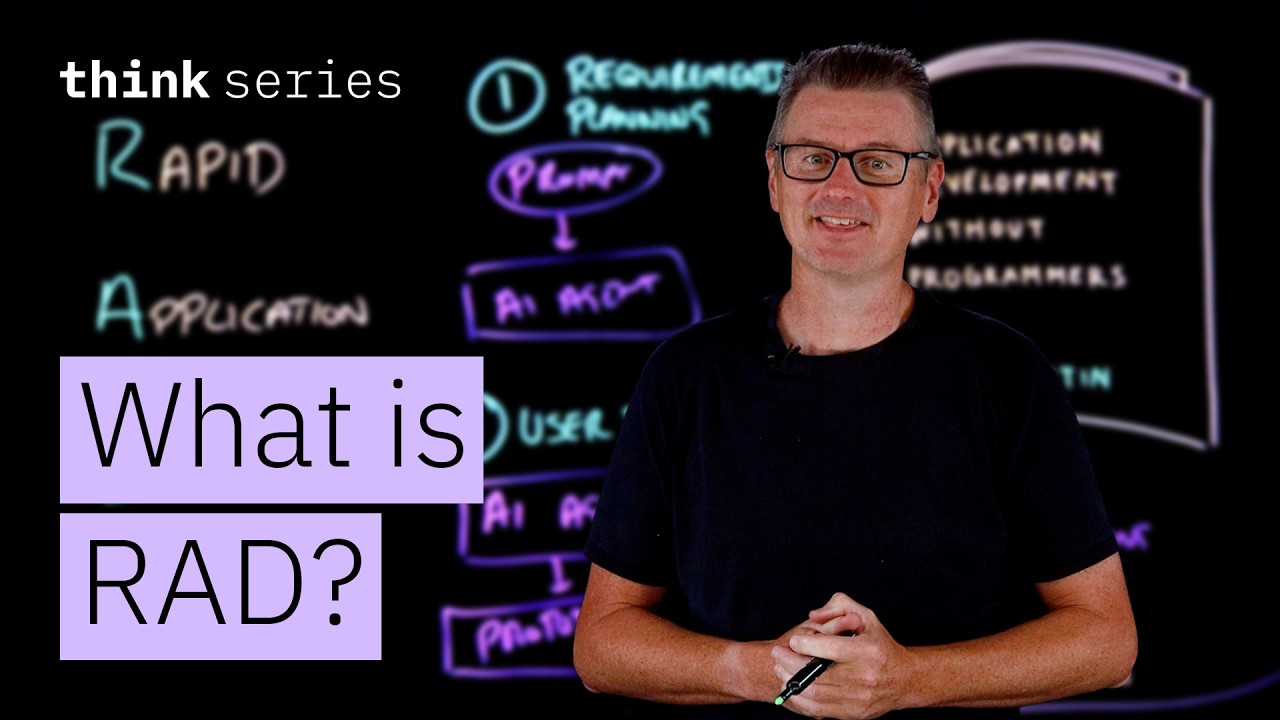
This video explores how James Martin's 1991 Rapid Application Development (RAD) methodology, with its emphasis on rapid prototyping, iterative development, and user feedback, offers a robust framework for contemporary AI coding and "vibe coding" workflows. It highlights how AI agents accelerate prototyping but introduces new challenges regarding production readiness and security. The solution proposed is spec-driven development, where human expertise formalizes requirements and verifies AI-generated code based on insights gained from early prototypes, ensuring quality and mitigating risks.
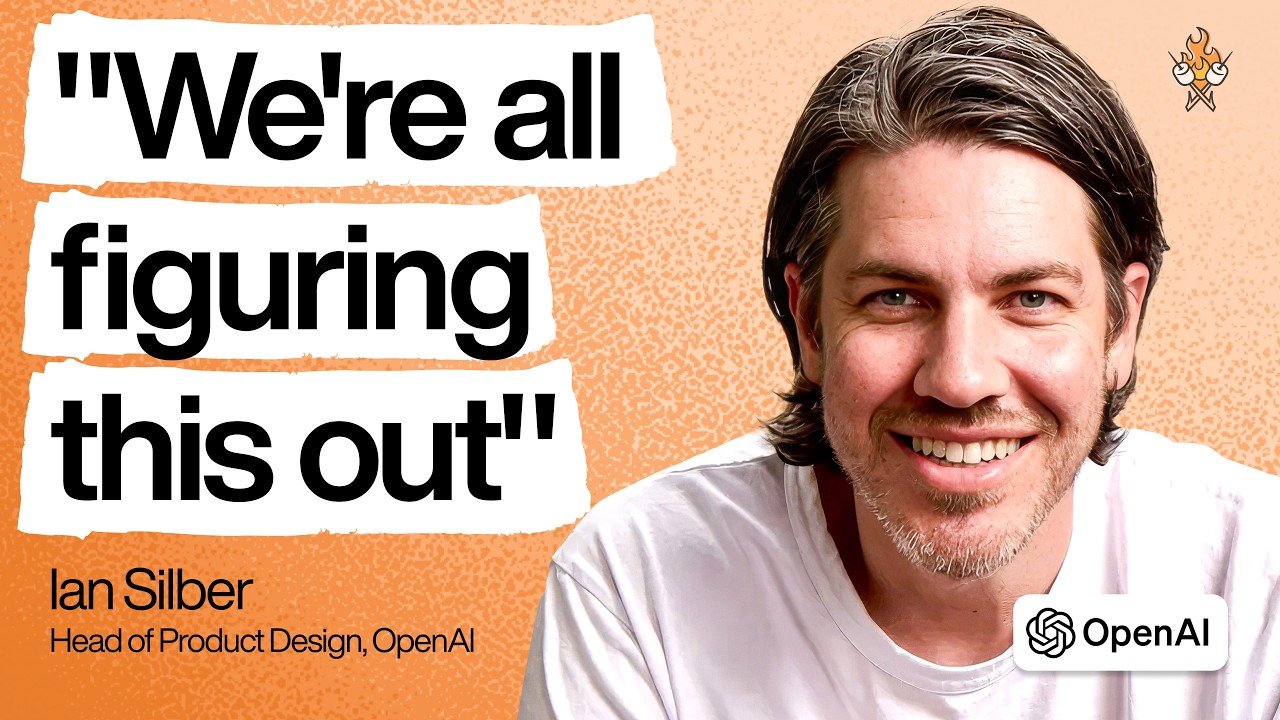
OpenAI’s Head of Design: This is the best time in history to be a designer | Ian Silber

OpenAI’s Head of Design: This is the best time in history to be a designer | Ian Silber

Ian Silber, OpenAI's Head of Design, discusses the paradoxical anxiety among designers despite AI's transformative potential. He explains why this is the best time to be a designer, emphasizing curiosity, systems thinking, and the human element in an AI-amplified world. The conversation delves into ChatGPT's evolution as a "super app" and the unique design challenges of building for vastly diverse users.

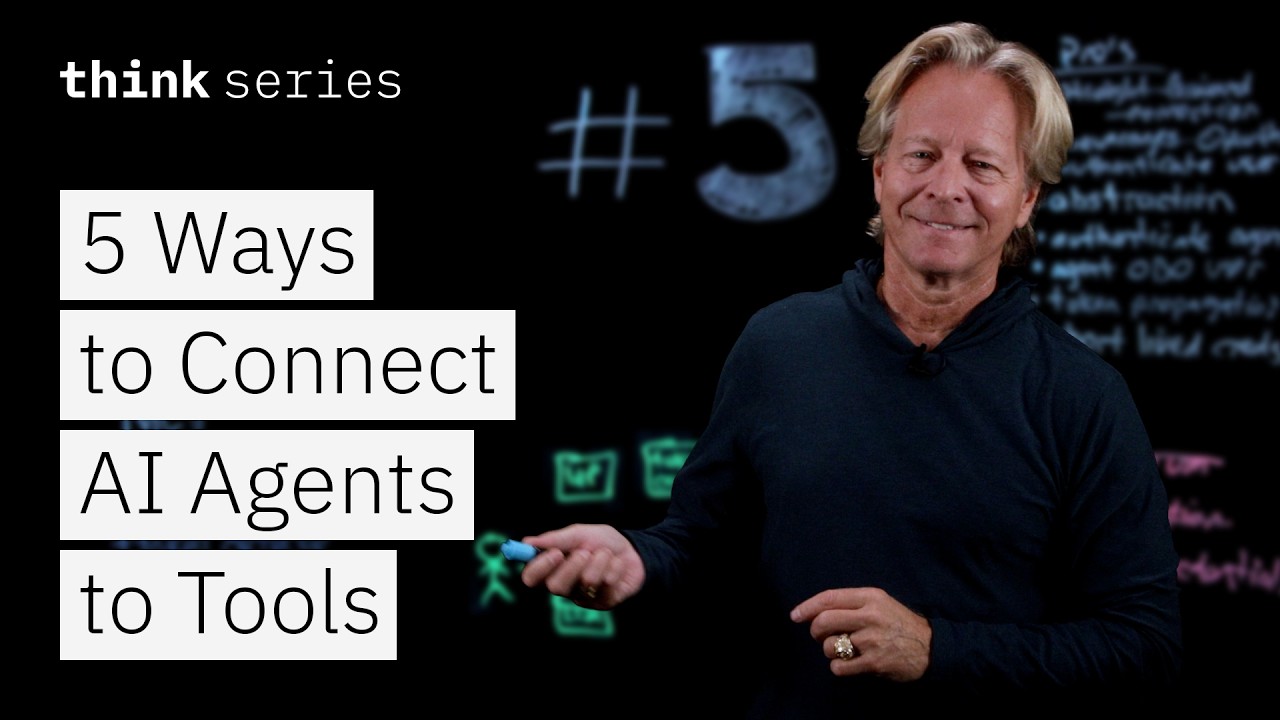
5 Ways to Connect AI Agents to Tools: From APIs to MCP

5 Ways to Connect AI Agents to Tools: From APIs to MCP

Grant Miller outlines five evolving patterns for integrating AI agents with tools, starting from simple direct API connections to complex, secure token-based architectures. The discussion highlights the progression of these methods, emphasizing how authentication, user delegation, abstraction layers like MCP, and secure credential management using vaults improve security, observability, and scalability in agentic systems.

Exo: Harnesses should see their own code and logs — Alex Krentsel

Exo: Harnesses should see their own code and logs — Alex Krentsel

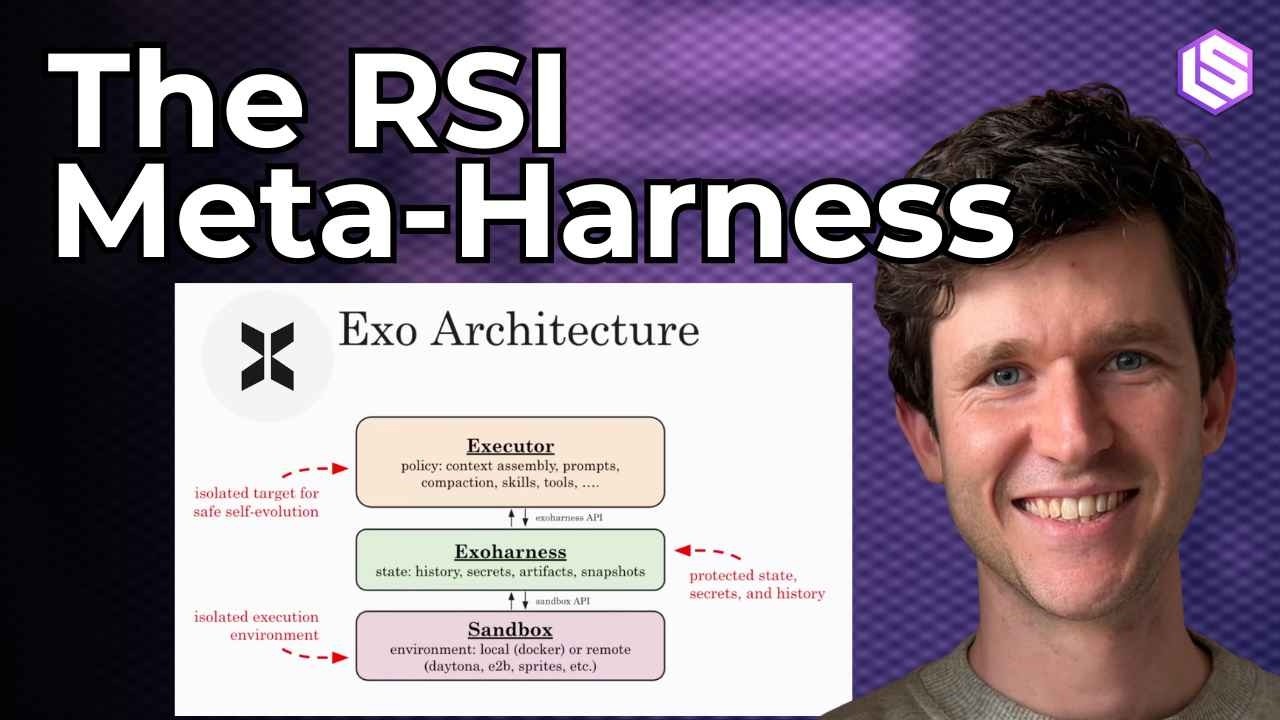
An introduction to Exo, a fully recursive AI agent harnessing a novel three-layer architecture (Executor, Harness, Sandbox) designed for autonomous self-improvement. It delves into how Exo surpasses current agent limitations by allowing the agent to edit its own code and policy at runtime, ensuring protected state and isolated execution, and discusses practical implications and the underlying systems philosophy enabling this paradigm shift.

How Nuclear Will Unlock Energy Abundance with Valar Atomics Founder Isaiah Taylor

How Nuclear Will Unlock Energy Abundance with Valar Atomics Founder Isaiah Taylor

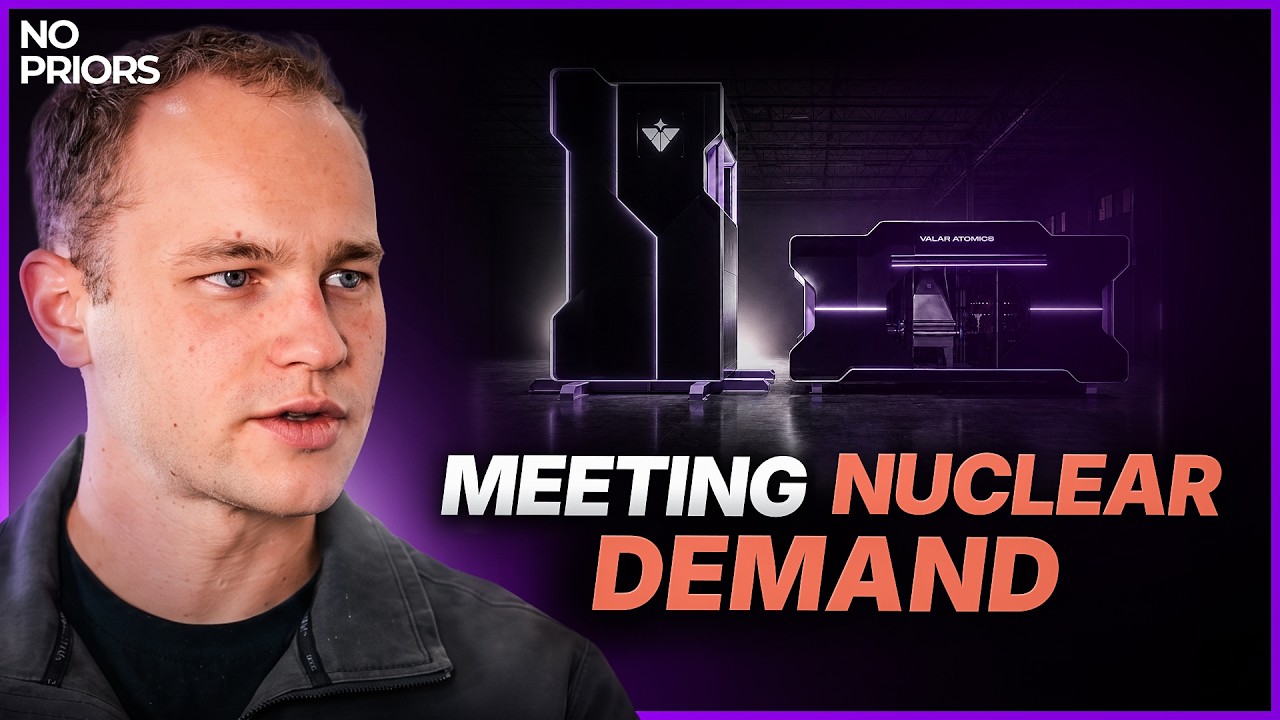
Valar Atomics, led by Isaiah Taylor, is redefining nuclear energy by building and iterating advanced reactors, including powering an NVIDIA Blackwell chip directly with a live nuclear reactor for a website. This episode delves into Valar's hardware-first approach, their navigation of regulatory pathways, and their vision for how cheap, abundant nuclear power, especially with AI-driven demand, will lead to 'hyper-technoindustrialism' and vastly improve human quality of life.

Susan Kare: How I Designed the Original Apple Mac Icons

Susan Kare: How I Designed the Original Apple Mac Icons

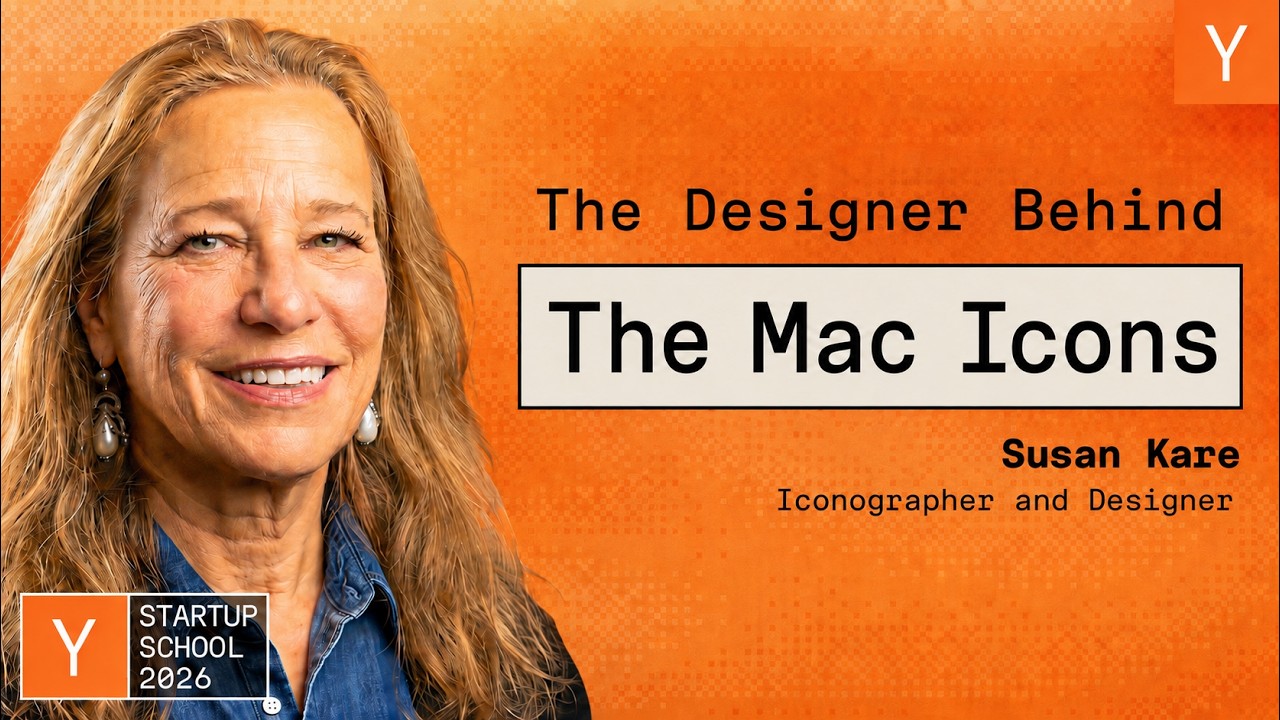
Susan Kare, the legendary designer behind the original Macintosh's iconic visual language, shares her journey from art history to computing. She discusses the creation of typefaces like Chicago and memorable icons such as the Happy Mac and the Command key symbol. Drawing lessons from Steve Jobs, Paul Rand, and others, Kare highlights key design principles: focusing on meaning and memorability, embracing technical constraints, iterating constantly, and using just enough detail to ensure instant clarity and universal appeal in human-computer interaction.